
Published: April 6, 2026
The English Chronicle Desk
The English Chronicle Online
In a country where support systems for developmental conditions remain limited, one mother’s journey to understand and embrace her child’s autism reveals both the emotional challenges families face and the resilience they develop in response. Her story, marked by uncertainty, stigma, and eventual acceptance, highlights broader gaps in awareness, healthcare, and social support.
Autism, clinically referred to as Autism Spectrum Disorder, affects how individuals communicate, interact, and experience the world. While global awareness has improved in recent years, access to diagnosis, therapy, and educational support varies widely across countries. In many regions, families must navigate these challenges largely on their own.

For this mother, the journey began with confusion. Her child’s early developmental differences—delayed speech, limited eye contact, and repetitive behaviours—were initially dismissed or misunderstood by those around her. Without clear guidance from healthcare providers, she struggled to identify what was happening and how to respond.
The lack of accessible diagnostic services compounded the difficulty. In well-resourced settings, early diagnosis often opens the door to targeted interventions, including speech therapy and behavioural support. In her case, such services were either unavailable, prohibitively expensive, or concentrated in distant urban centres. The delay in diagnosis meant lost time during a critical period of early development.
Social attitudes added another layer of complexity. Misconceptions about autism persist in many communities, where developmental conditions are sometimes attributed to poor parenting or moral failings. The mother described feeling isolated, facing judgment from neighbours and even extended family members. This stigma often discourages families from seeking help, reinforcing a cycle of silence and misunderstanding.
Despite these barriers, her perspective began to shift as she learned more about autism. Through online resources, informal support networks, and personal experience, she gradually developed a deeper understanding of her child’s needs. What initially felt overwhelming became more manageable as she adapted her expectations and parenting approach.
“I adore her now,” she said, reflecting on how acceptance transformed her relationship with her child. This change did not eliminate the challenges but reframed them, allowing her to focus on her child’s strengths rather than perceived limitations. Such emotional adaptation is a critical aspect of coping for many families in similar situations.
Experts emphasize that early intervention can significantly improve outcomes for children with autism. However, in countries with limited infrastructure, parents often become the primary facilitators of their child’s development. This can include teaching communication skills, managing sensory sensitivities, and creating structured routines—all without formal training.
The economic dimension is also significant. Caring for a child with autism can require substantial time and resources, potentially limiting a parent’s ability to work. Without government support or insurance coverage, families may face financial strain, further complicating their ability to access services.
Education systems present additional challenges. Inclusive education policies are not always effectively implemented, leaving children with autism without appropriate support in mainstream schools. In some cases, families must choose between inadequate schooling and keeping their child at home, both of which carry long-term implications.
Advocacy groups argue that greater investment in awareness, training, and infrastructure is essential. This includes not only expanding diagnostic and therapeutic services but also educating communities to reduce stigma. Public policy plays a crucial role in shaping these outcomes, determining whether families receive the support they need.
Technology has emerged as a partial solution. Online platforms provide access to information, training materials, and peer support, enabling parents to learn and share experiences. While not a substitute for professional services, these resources can help bridge gaps in knowledge and reduce isolation.
The mother’s story reflects a broader reality faced by countless families worldwide. It underscores the importance of both systemic change and individual resilience. While her journey is deeply personal, it also illustrates the structural challenges that persist in many parts of the world.
Her experience suggests that acceptance is not a single moment but an ongoing process. It involves adjusting expectations, celebrating progress, and finding ways to support a child’s unique development. In the absence of formal systems, this process often relies heavily on parental determination and creativity.

As awareness of autism continues to grow globally, stories like hers highlight the uneven distribution of support and resources. They also point to the potential for change, driven by advocacy, policy reform, and increased understanding.
Ultimately, the mother’s journey is one of transformation. From confusion and चिंता to acceptance and love, it reflects the قدرة of individuals to adapt in the face of adversity. At the same time, it raises an important question: how many families are still navigating this পথ alone, and what can be done to ensure they are not left behind?
Related News:
 Illegal Skin Lightening Cream Being Sold in UK Butchers, Watchdog Warns
 Adoption Breakdown Ended My Career and Relationship – ‘We’re Told to Get On With It’
 Mind Launches Inquiry into AI and Mental Health After Guardian Investigation
 Mystery GP on Train Saves Passenger’s Life
 ‘A Disgrace’ — Patient Blasts Neurology Report
 Gaming Helps Woman Cope with Rare Health Condition
 The Surprising Power of Daily Rituals
 Parents of Gravely Ill Child Refused Respite Care
 ‘I Almost Died After a Touch‑and‑Go C‑Section’
 Vegetarian Diet Linked to Lower Risk of Several Cancers
 ‘It’s Joy in a Pot’: Why Houseplants Could Make You Happier
 Water Cremation Introduced in UK First
 I Met the Man Who Murdered My Identical Twin. What He Told Me Brought Me Peace
 GPs Losing a Day of Appointments to No‑Shows Each Month
 Allergy Training to Become Compulsory in Schools in England
 Should We Be Eating Three Meals a Day? Experts Rethink Traditional Meal Patterns
 Scots Firefighter Cycles 800 Miles for MND Charity
 Woman, 29, ‘Chucked’ Into Care Home 100 Miles Away
 Why Every Culture Has a Healing Broth
 Pregnant Woman Faces Motherhood Without Late Mum
 Father Dies by Suicide Weeks After Wedding in Clitheroe
 Mum Blinded After Tumour Linked to Contraceptive Jab
 SNP Health Secretary Criticised Over NHS Failures Locally
 Scotland Combines Alcohol and Drug Strategy to Cut Addiction Deaths
 Dad Delivers Baby After Midwife Flees During High‑Risk Labour in UK
 Mother of Child Cancer Survivor Fears UK Visa Changes
 Schnauzer Travels 140 Miles for Life-Saving Spinal Surgery
 Screen Time for Under-Fives Should Be Limited
 Horror in the Outback as Crocodile Kills World-Renowned Doctor
 Mother’s Heartbreak as Son Traumatised by Friend’s Sexual Abuse
 Brain-Damaged Scot ‘Stuck’ in Hospital at Centre of Police Probes
 ‘A Living Nightmare’: Parents of Vaccinated Teenager Speak Out After Rare Meningitis B Battle
 ‘A Cliff Edge’: Hospice Leaders Warn Cutbacks Are Only Way to Survive
 The High Cost of Survival: How the 2026 Fiscal Outlook is Redefining British Life
 Safety Fears at New £200m Maternity Unit: Mums-to-Be ‘Put at Risk’
 ‘Ripple of Fear’: Iran War Fears Sink UK Consumer Confidence to 11-Month Low
 Fuel Famine: How African Nations are Rationing Power and ‘Diluting’ Petrol to Survive
 ‘My Daughter is Under the Rubble’: The Human Cost of the Tehran Strikes
 Parents Warned Against Letting Children Cuddle Lambs Following Infection Spike
 Tim Spector: ‘At 67, I’m Fitter Than Ever Thanks to These Five Tips’
 Rising Bills and Public Services: The Real Cost of Council Tax
 The Ketamine Crisis in the UK is a Silent Epidemic Leaving Users with Lifelong Pain
 Rugby Confronts Safety Concerns with Smart Mouthguards at Women’s World Cup
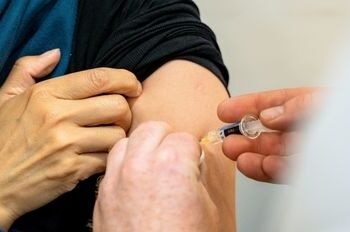 NHS Launches Free Flu Vaccine Drive as Millions Urged to Get Protected
 Systemic Racism in Maternity Care Continues to Endanger Black Women in England, MPs Warn
 One in Three GPs in England Do Not Work in NHS, Raising Concerns Over Access to Care
 UK Health Officials Monitor New ‘Stratus’ Covid Variant Amid Rising Cases
 Sir Michael Caine Urges Starmer to End Smacking in England
 M&S and Morrisons Lead Christmas Supermarket Taste Test
 Reeves rejects £1bn plea for NHS redundancy payouts
 Five-Year-Old Dies After Rare Tonsil Surgery Complication
 Energy Drinks Linked to Rising Heart and Stroke Risks
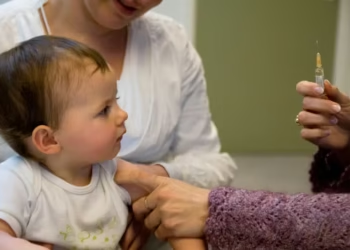 Children to Receive Home Vaccines as England Acts
 Childhood Hypertension Sparks Urgent UK Testing Calls
 Celebrity Campaign Highlights SMA Screening Failures
 AI breast screening cuts later cancer diagnoses by 12%, study finds
 Pneumonia Surge Pushes England Emergency Cases Higher
 South Africa’s Garden Route Gem Faces Looming Water Crisis
 Labour Utterly Humiliated by Straight-Talking Mum Who Cut Through Keir Starmer’s Insanity
 Most Statin Side-Effects Are Not Caused by Drugs, Study Confirms
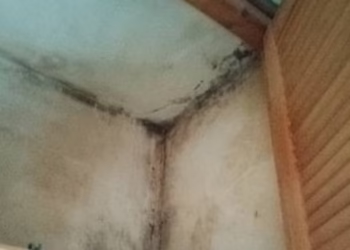 Renters Furious as Decent Homes Standard Delayed Until 2035
 Motorists Could Face ‘Mandatory’ Driving Ban for Road Offences Under Tougher Laws
 Snow and Rain Warnings as Cold Snap Continues in the UK
 Epstein Eyed Record Label Investment to Access Women, Files Suggest
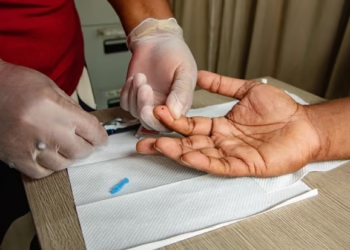 Drugs, Denial, Stigma: Fiji’s HIV Crisis Hits Children
 Half of Britons Avoid GP When Ill, Survey Reveals Growing Concern
 Christina Applegate shares the harsh reality of her daily life
 Calls Grow to Remove Billboard Following Lyra McKee Graffiti
 ‘Every Day Feels Like a Month’: Iranians Describe Life Under ‘Constant’ US‑Israeli Strikes
 Scotland World Cup Party in Boston Gets Green Light After Security Breakthrough
 Social Media Giant Trial Reaches Final Jury Decision
 Charity Watchdog Takes Control of Learning Disability Care Home
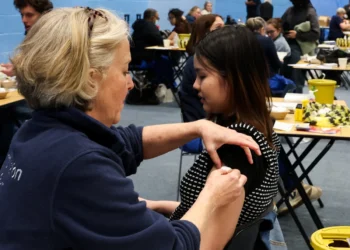 NHS Satisfaction Rises for First Time Since 2019
 US Lawmaker Demands Testimony Over Sarah Ferguson’s ‘Close Epstein Ties’
 Woman Deported from China Over Manx Passport Mix-Up
 ‘My Hatred of Dogs is Ruining My Love Life’
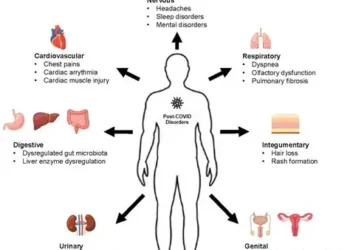 ‘Zoom Dysmorphia’ Explosion: BDD Patients Quadruple in Post-Pandemic UK
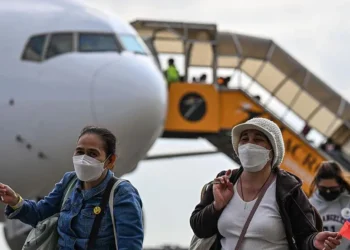 ‘The Cost of Living’: Asia’s Migrant Workers Debate if Gulf Jobs are Worth the Risk of War
 Tiger Woods: Golf Legend Steps Away to Seek Treatment
 National Treasure: Raja Ravi Varma Masterpiece Smashes Indian Art Record with $17.9m Sale