Published: 07 April 2026. The English Chronicle Desk. The English Chronicle Online.
The international community is now facing a startling revelation regarding the North American environmental landscape today. A United Nations expert recently delivered a blistering assessment of the current waste crisis in Mexico. Marcos Orellana has spent several weeks investigating the alarming rise of pollution across the entire country. He serves as the UN special rapporteur specifically focused on toxics and human rights issues. His findings suggest that the United States is using its neighbor as a garbage sink. This practice is creating what he describes as a devastating and urgent toxic crisis now. People living in Mexican communities are being exposed to incredibly dangerous levels of industrial pollution. This situation stems from a massive influx of hazardous waste crossing the northern border daily. Orellana believes that this influx is directly violating the fundamental right to a healthy life.
The expert spoke candidly during a recent interview with The Guardian and Quinto Elemento Lab. He explained that pollutants range from common plastic waste to very dangerous agricultural chemical pesticides. These substances are saturating the soil and water supplies of many vulnerable local residential areas. His investigative mission lasted eleven days and covered several different regions across the Mexican nation. He discovered that lax environmental standards have allowed these problems to grow for many decades. A lack of official oversight has created a system where pollution is essentially legalized now. This happens because the regulatory frameworks are far too weak to protect the general public. Orellana noted that US overconsumption is a primary driver behind this growing environmental disaster today. The economic activity of the United States produces more waste than it can effectively process.

Mexico has become the primary destination for this excess material due to proximity and cost. There are currently over one thousand contaminated locations officially recorded in the National Inventory sites. Orellana stated that many of these areas have sadly become known as sacrifice zones now. In these specific locations, serious diseases like cancer and autism have become completely normalized. Mothers are also reporting a heartbreaking increase in miscarriages within these highly polluted industrial regions. The rapporteur noted that living in such a zone means losing old age rights. This haunting phrase highlights the shortened life expectancy facing many residents in these toxic areas. He witnessed factories spewing hazardous waste directly into the Atoyac River located in Puebla. Massive industrial pig farms are also contaminating the precious drinking water on the Yucatan Peninsula.
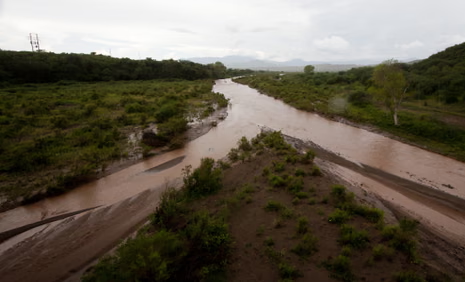
A mining chemical spill from a decade ago continues to poison the local Sonora River. Residents in these areas are struggling with dire health effects that show no sign of. Many people feel abandoned by a system that prioritizes industrial profit over human health safety. One particularly troubled area is the industrial corridor of Tula in the state of Hidalgo. This region hosts steel plants and cement factories right next to heavily polluted river banks. Untreated sewage from Mexico City also flows through this area, compounding the existing chemical risks. New proposals to bring even more waste for recycling would only worsen this heavy burden. Companies are rarely held responsible for the damage they cause to the local environment today. Orellana believes this situation represents the legalized poisoning of thousands of innocent Mexican citizens now.
The massive influx of plastic waste from the United States remains a major concern today. Once this waste crosses the border, its final destination often remains a total mystery. Microscopic plastic particles have been detected in major rivers across several different Mexican states lately. These particles are found in the Tecate, the Atoyac, and the Jamapa rivers quite frequently. Government records confirm that the US ships hundreds of thousands of tons of waste yearly. This includes dangerous lead-acid car batteries and various types of scrap metal and paper. Environmental groups are questioning if Mexico can handle this volume without causing more pollution. Residents in Monterrey are especially vocal about the poor air quality they breathe every day. Monterrey serves as a major manufacturing hub for many large American corporations and brands.
This city currently suffers from some of the worst air pollution in North America today. Local activists like María Enríquez are demanding immediate action to protect their families and homes. She co-founded a community group to address the chronic respiratory illnesses affecting her young neighbors. Enríquez mentioned that residents have learned to live while being constantly sick and tired. Children in the city are suffering from persistent coughs, eye irritation, and frequent asthma. Guadalupe Rodríguez manages a network of childcare centers and sees these health impacts daily now. She believes that the government is failing to guarantee the constitutional right to health. Protecting the most vulnerable members of society should be the primary goal of any government. The rapporteur visited at the invitation of the Mexican government to assess these critical issues.

His visit comes at a time when hazardous waste is under intense national scrutiny today. Officials in the administration of President Claudia Sheinbaum have acknowledged that rules are out-of-date. They have announced new plans to strengthen the standards for factory emissions across the country. Mariana Boy Tamborrell is the federal attorney leading the charge for environmental protection in Mexico. She stated that her agency has reached a significant turning point in its regulatory history. The agency will now require industries to remediate the environmental damage they have caused. A new air monitoring system is being rolled out to identify specific sources of pollution. This technology will prevent companies from claiming they are not responsible for toxic chemical leaks. Orellana suggested that Mexico should consider banning certain types of hazardous waste imports entirely.
Other nations have successfully implemented such bans without hurting their participation in global trade. Mexican Senator Waldo Fernández has already introduced legislation to strictly regulate these waste imports now. This law would prohibit waste that causes more harm in Mexico than its origin. Mexico must not remain a dumping ground for international waste under heavy commercial pressures. The upcoming review of the North American free trade agreement offers a unique opportunity. This meeting could allow leaders to strengthen environmental enforcement across all of North America today. If they fail to act, economic pressure will likely worsen the existing toxic crisis. The health of millions of people depends on the decisions made by these international leaders. Everyone deserves to live in a world where the air and water are safe. This report serves as a wake-up call for both the US and Mexican governments.
Related News:
 Dutch Nationwide Fireworks Ban Expected to Transform New Year Traditions
 Queensland Braces for Potential Second Severe Cyclone Hit
 Tragic End to Outback Search as Floods Claim a Life
 ‘Extinct’ Antelope Returns to Sahara, Bringing Hope
 George Clooney and Amal Clooney Receive French Citizenship
 Eden Project Founder Celebrates 25 Years of Nature’s Hope
 Capitol Attack Anniversary Sparks Deep Political Divide
 Saudi Officials Report Zubaidi Flee Before Yemen Peace Talks
 UK Targets in New York Bomb Threat Hoax: Man Jailed
 Gambia Supreme Court Hears Case to Overturn FGM Ban
 Storm Goretti leaves Cornwall homes without power
 Trump targets Iran trade with 25% tariff warning
 Rudd successor: Defence chief and former ministers considered
 US Senate rejects resolution limiting Trump military powers
 Venezuela regime claims release of political prisoners signals new era
 Gulf states warn Trump Iran strikes risk wider Middle East war
 Machado Trump medal gesture reshapes Venezuela power struggle
 Greenland defence seen as shared Nato duty amid troop arrivals
 Geopolitical football: Iran, Trump and the World Cup clash
 Canada-China trade gains momentum in new strategic partnership
 Trump Receives Machado’s Nobel Medal in White House Meeting
 Syria President Declares Victory as Ceasefire Reached with SDF
 US Considers Asylum for British Jews Amid Rising Antisemitism
 Trump slams UK ‘stupidity’ over Chagos Islands, eyes Greenland takeover
 No Gas Boiler Ban as UK Warm Homes Plan Backs Heat Pumps
 Trump Tightens Grip on EU and UK Energy Supply
 Shinzo Abe’s killer receives life sentence in Japan
 Record-Breaking Heat Looms Over South-East Australia as Catastrophic Fire Risk Escalates
 UK joins North Sea wind grid pact with nine European nations
 China General Under Investigation Amid Leadership Purge
 Philippines ferry disaster leaves 15 dead, dozens missing
 Devon hosts first high-density hydro power system
 US-Style Pickup Trucks Surge on UK Roads
 Cambridge Faces Scrutiny Over Arms Investment Transparency
 James Valentine Retires from ABC After Cancer Battle
 Wigan Dump Crisis Sparks Health and Safety Alarm
 Epstein UAE Emails Shake British Royal Andrew’s Legacy
 Christchurch gunman seeks to vacate guilty plea
 Liberal Fallout: Taylor Challenge Casts Shadow Over Sussan Ley’s Leadership
 Infantino Faces Russia Threat and Trump Concerns at Uefa Congress
 Concerns rise for Canberra boy amid Iran detention fears
 Gentoo Penguins First Birds on Australian Territory Hit by Bird Flu
 Caribbean Leaders Urge Dialogue Amid US Oil Embargo on Cuba
 Anthony Albanese Must Uphold Rights for All Australians
 Germany Faces Backlash Over Scrapped Renewable Heating Mandate
 Group Expands Legal Claim Over South West Water Pollution
 Greenpeace $345m Ruling Sparks Appeal Battle
 DHS Probe Into Border Official Sparks National Debate
 Ukraine Sends Drone Experts to Defend US Bases in Jordan
 New Zealand Covid Response Praised Despite Lingering Scars
 Abramovich Chelsea Sale Cash Faces Jersey Probe
 London Considers New SUV Charges to Improve Road Safety
 Yvette Cooper: UK Must Follow Principles, Not US Pressure
 US Strike on IRIS Dena Strains Strategic Indian Security Ties
 Slovenia Election: A Nation at a Crossroads
 MPs Slam Agency Over Failing Fight Against Waste Dumping
 Jury Rules Meta and YouTube Liable for Addictive Design
 Saudi Arabia Urging US to Keep Up Iran Attacks
 Trump Softens Cuba Oil Stance as Russian Tanker Nears
 The Woman Guarding Earth From the Threat of Asteroids
 IMF Predicts Global Economic Crisis Due to Gulf Unrest
 Spain Shuts Airspace to US Military Over Iran Conflict
 California Defies Trump With Strict New AI Standards
 Germany Grapples With AI Abuse Following TV Star Scandal
 Exiled Tycoon Warns of New Russian Attacks on UK Soil
 Labor Under Fire Over Stalled University Fee Reform
 LA 2028: Millions of Affordable Olympic Tickets Announced
 Trump Slams Europe as Transatlantic Tensions Boil Over
 Inside the Deceptive Machine: A Former Producer Speaks Out
 Italy Faces Third Successive World Cup Absence After Loss
 Turkey End Kosovo Dreams to Secure World Cup Return
 Starmer Urges Ambitious EU Ties Amid Middle East Conflict
 Spain Faces Backlash Over Xenophobic Chants in Egypt Draw
 A Global Voice For Justice: Stephen Lewis Dies At Age 88
 Trump Issues Stark Warning After Strike On Iran’s Largest Bridge
 Hope and Fear as Iranians Flee Across the Turkish Border
 Trump Mocks Starmer and UK Carriers in White House Speech
 Evacuations Ordered as California Wildfires Spread Fast
 Ben Roberts-Smith Arrested Over Alleged War Crimes
 Reform UK Pledges To Halt Visas Over Reparations Demands