
Published: April 7, 2026. The English Chronicle Desk.
The English Chronicle Online — Investigating the high stakes of heavy metal’s new anonymity.
OSLO / DES MOINES — For decades, the mask was a symbol of rebellion and mystique—a way for bands like Slipknot and GWAR to shed their human identities and become “monsters” on stage. But as of April 2026, the trend has reached a fever pitch. From the skyrocketing popularity of the masked collective Sleep Token to the rise of new anonymous acts like Gaerea and Blackgold, the “masked metal” scene is no longer a niche; it’s the industry standard for getting noticed. However, a series of alarming incidents this tour season has exposed the grim physical reality behind the latex: many performers are literally suffocating for their art.

“I couldn’t see, breathe, or sing. I blacked out twice before the encore,” revealed the anonymous frontman of a rising European black metal outfit, speaking to the Chronicle under the condition of anonymity. “The mask was beautiful, but it became a vacuum. When the sweat hits the internal foam and the stage lights hit 40°C, you aren’t a character anymore. You’re just a person trapped in a plastic bag, trying to scream.”
The surge in masked bands is being attributed to the “Sleep Token Effect.” In 2025, the London-based group became a global phenomenon, with their masks—representing a deity known as “Sleep”—becoming as iconic as their genre-blending music. Industry experts argue that in the age of social media overexposure, “facelessness” has become the ultimate marketing tool.
“In a world where every artist is expected to post their breakfast on Instagram, total anonymity is the only way to build real lore,” says Nathan Phillips, a veteran A&R executive. “But the masks we see today are far more elaborate and restrictive than the simple hockey masks of the 90s. We’re seeing full-head silicone prosthetics that offer zero ventilation.”
The physical toll of performing high-energy metal while masked is reaching a breaking point. Medical professionals warn that the combination of intense physical exertion, heavy costumes, and restrictive face coverings creates a “perfect storm” for hypercapnia (CO2 buildup) and heatstroke.
-
CO2 Rebreathing: Tight-fitting masks with small mouth-holes can cause performers to rebreathe their own exhaled carbon dioxide, leading to dizziness, confusion, and “blackouts.”
-
Thermal Regulation: The head is a primary radiator for body heat. Encasing it in silicone or heavy leather prevents the body from cooling down, causing core temperatures to spike to dangerous levels within minutes of a set starting.
-
Sensory Deprivation: Limited peripheral vision and muffled hearing increase the risk of falls on stage—a major hazard given the pyrotechnics and moving set pieces common in modern metal shows.
The “mask fatigue” has led to a quiet revolution among stage crews. This month, the International Alliance of Theatrical Stage Employees (IATSE) issued new guidelines suggesting that masked performers be required to have “oxygen breaks” off-stage every 30 minutes. Some bands are even beginning to integrate “safety valves” into their designs—disguised vents that allow for better airflow without breaking the “kayfabe” of the persona.

Despite the risks, the trend shows no sign of slowing. For many musicians, the mask remains a necessary shield against the “toxic” culture of celebrity. “The mask allows the music to be the only thing that matters,” says ‘Vessel’ of Sleep Token in a rare written statement. But as more performers find themselves gasping for air behind their carefully sculpted visages, the metal world is being forced to ask: at what point does the cost of the image become too high?
Related News:
 The Two-Wheeled Renaissance: How Paris Swapped Cars for Bikes and Reclaimed its Soul
 ‘I Know Him in My Bones’: Melissa Gilbert Denies Being ‘Naive’ in Defense of Timothy Busfield
 The Digital Frontline: Inside the Rise of Africa’s ‘Manosphere’
 The Invisible Trap: How an Online Friendship Became a Sextortion Nightmare
 The ‘Algorithm of Arson’: How a Global Cyber-Syndicate Triggered Real-World Riots
 Hindu Man’s Stand Sparks Hope in India
 Five Young People Die in Spain Apartment Block Fire
 ‘Staggeringly Stupid’ Man Jailed After Tattooing Children
 Snow and Rain Warnings as Cold Snap Continues in the UK
 Suspect in Rhode Island Ice Hockey Shooting Killed Ex‑Wife and Son
 The Russian Village That Lost Its Men to War
 Revealed: The Billions Given to Charity by Ordinary Indians Every Year
 Inland Australia Town Turns Streets into a Beach for Volleyball Contest
 Epstein Eyed Record Label Investment to Access Women, Files Suggest
 Break from Wintry Weather as UK Temperatures to Climb to 14 °C
 Australian Presenter Apologises for Drinking Before Slurred Olympics Report
 What’s Next for Andrew Mountbatten-Windsor’s Ex-Wife, Sarah Ferguson?
 Austrian Climber Found Guilty After Girlfriend Froze to Death on Mountain
 Gold Fever Hits South Africa After Lucky Find in Cattle Pen
 ‘We Pray for Peace’: Indian Filmmaker From Troubled State Who Won a BAFTA
 Exciting’ or ‘Frustrating’? East Coast Reacts to Record Snow
 Inside Kyiv’s resolve as conflict nears five‑year mark
 What to Watch for During Trump’s State of the Union Address
 Instagram Investigating AI Profiles ‘Fetishising’ Disabled People
 ‘I Stopped Engaging’ Due to Instagram and YouTube, Woman Tells Landmark Trial
 ‘I Want to Find the Man Who Saved Us from Drowning’
 ‘It’s Eerie’ – Dubai on Edge as City Comes Under Attack
 Amazon Says Drones Damaged Three Facilities in UAE and Bahrain
 Muslim Group Wants Mosques to Be Used as Polling Stations Ahead of UK Elections
 Travellers’ Mobile Home Burnt Down Overnight in Suspected Arson Attack
 Passengers on Dubai‑Dublin Flight ‘Never So Happy to Be Home’
 Boy, 12, Home After Being Stranded in Middle East
 Why Aren’t Our Dirtiest Roads Getting Cleaned?
 ‘Every Day Feels Like a Month’: Iranians Describe Life Under ‘Constant’ US‑Israeli Strikes
 The Rewilding Cash Grab Driving Farmers Off the Land
 Manchester Students Mourn Ayatollah Amid Protest
 ‘Holiday From Hell’ Leaves UK Couple Stranded in Thailand
 Baba Vanga’s Chilling World War 3 Prediction and Russia’s New Leader
 Tears and Cheers as Controversial Long‑Running Australian Breakfast Radio Show Implodes
 My One-Hour Flight Transfer Left Me Facing 10 Days Stuck in a City Under Attack
 Iranian Players Get Australian Visas After Anthem Protest
 Bodies of Two Chinese Backpackers Found in Floodwaters
 What to Stockpile at Home Amid Iran War Fears
 Wealthy Parents Play Dead After Son Hires Hitman to Kill Them
 Ecuador Deploys 75,000 Forces in Anti-Gang Drive
 Teen Admits Filming Westfield Chair Prank
 Missing Cuba-Bound Aid Ships Spark Urgent Search
 PM Seeks to Reassure Australians Over Fuel Supply
 Horror in the Outback as Crocodile Kills World-Renowned Doctor
 How and When to See April’s Full Pink Moon
 I’ve Lived in a French Village for 35 Years. This is Why They are So Special.
 Michel Rolland: The ‘Spielberg of Wine’ Who Directed the Global Palate
 Status Quo Restored: Netanyahu Intervenes After Police Block Latin Patriarch from Holy Sepulchre
 A Slimmer Sunday: Beatrice and Eugenie to Skip Royal Easter Service Amid Family Health Focus
 Banana Bonanza: Orkney Town Flooded with 38,000 Bananas After Supermarket Blunder
 ‘Please Keep Her in Your Prayers’: Dad Describes Final Moments Before 7-Year-Old Was Swept to Sea
 ‘Something Wasn’t Right’: UK Families Devastated by Sperm Mix-Up at Northern Cyprus IVF Clinics
 From Fallout to Five-Star: Cold War Nuclear Bunker Gains Holiday Let Permission
 ‘Democracy Manifest’: Iconic ‘Succulent Chinese Meal’ Rant Added to National Film Archive
 A Hero’s Shadow: Activists and Lawmakers Rethink Cesar Chavez Day Following Abuse Claims
 ‘The Final Word’: Kathleen Stock’s Polemic Against Assisted Dying Reshapes the UK Debate
 ‘Silent Neighbors’: China Bans Residential ‘Bone-Ash’ Apartments Amid Qingming Crackdown
 ‘The Cost of Living’: Asia’s Migrant Workers Debate if Gulf Jobs are Worth the Risk of War
 ‘You’re No Longer My Sister’: The Invisible Frontline Dividing Iranian Families
 India Begins Mammoth Census for 1.4 Billion People
 “Homo Sapiens are All of Us”: Artemis II Crew Sends Emotional Message of Unity from Deep Space
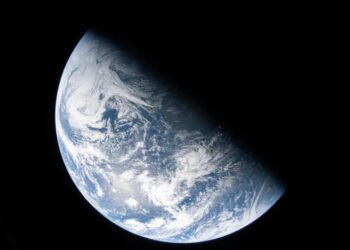 Artemis II astronauts capture Earth en route to the Moon
 Peretz Targets FA Cup Upset Amid War Concerns
 Apple at 50: Three Products That Changed How We Live
 Pope Leo Urges Peace in First Easter Mass Address
 Silver Linings: Why Global Tourism is Finding “Positives” Amidst Iran War Uncertainty
 ‘I Will Not Abandon Him’: Pauline Hanson Stands by Ben Roberts-Smith After War Crime Charges
 The Spiky Standoff: German Mayors Call for Night-Time ‘Robot Ban’ to Save Hedgehogs
 Weather Tracker: Record March Heat Leaves Western Snowpack at ‘Abysmal’ Lows
 The Great Saddle-Up: Sydney Commuters Ditch the ‘Crazy’ Bowsers for the Bike Lane
 ‘We Will Always Choose Each Other’: Five Defining Moments of Artemis II’s Lunar Flyby
 ‘The Nanny of Bondi’: Accused Pinochet Agent Adriana Rivas to be Extradited to Chile
 ‘The Soul of Spain’: Politicians Clash Over Renewed Push to Move Picasso’s Guernica
 ‘It Was an Accident’: Rohan Dennis Breaks Silence to Attack ‘False Narrative’ Over Wife’s Death
 The ‘Svuota Londra’ Effect: Why the Super-Rich are Swapping Dubai for Milan