Published: April 8, 2026. The English Chronicle Desk.
The English Chronicle Online — Navigating the shifting tides of global mobility.
NEW YORK / LONDON / OTTAWA — For decades, the United States was the uncontested “bucket list” destination for the world’s travelers. But as the 2026 summer season approaches, the “Welcome to America” signs are being met with unprecedented hesitation. From the boardrooms of European travel agencies to the family dinner tables of Canada, a “perfect storm” of geopolitical tension, rising costs, and unpredictable entry policies is causing a sharp downturn in international arrivals. What was once a journey of celebration is increasingly being viewed as a “calculated risk.“

Data from the first quarter of 2026 confirms the trend: international arrivals from Canada—traditionally the U.S.’s largest tourism market—have plummeted by nearly 26% compared to 2024 levels. For the first time in thirty years, Mexico has overtaken Canada as the primary origin for U.S. visitors, as northern neighbors quietly reroute their vacations to Europe or stay home.
The primary deterrent for many is the rising “price of admission.” Beyond the inflation hitting hotels and dining, travelers are facing a gauntlet of new financial hurdles:
-
High-Value Visa Bonds: Reports of proposed “visa bonds” reaching as high as $15,000 for certain nationalities have sent shockwaves through the global travel sector. While not applied to all, the mere discussion of such measures has created a perception of the U.S. as a “pay-to-play” destination.
-
ESTA Price Hikes: The cost of the Electronic System for Travel Authorization (ESTA) has continued to climb, making even a short layover an expensive endeavor for families.
-
The ‘Trump Slump’ 2.0: Analysts are noting a resurgence of the “Trump Slump”—a dip in tourism linked to a polarized political climate and a perception of “hardline” immigration enforcement that makes visitors feel scrutinized rather than welcomed.
The upcoming 2026 FIFA World Cup, intended to be a global coming-out party for U.S. host cities, is ironically becoming a source of anxiety. Rights groups and Amnesty International have issued warnings regarding “expanded surveillance” and “aggressive immigration enforcement” tied to event security. For many international fans, the fear of being “caught in the net” of localized policing or facing racial profiling at border checkpoints is outweighing the excitement of the pitch.
The ongoing Iran War has added a layer of logistical and moral complexity to U.S. travel. Rising jet fuel prices—briefly hitting $200 per barrel in March—have sent airfares soaring, while the general “Worldwide Caution” issued by the State Department has created a feedback loop of anxiety. Travelers are increasingly asking: Is it worth the hassle?
“We see it in the emails from our clients,” says Todd Davidson, an executive director for a major regional tourism board. “They love the destinations—the Oregon coast, the Grand Canyon—but they just don’t feel they can come right now. The political ‘vibe’ is acting as a silent barrier.”

In response to the “missing” international tourist, the U.S. travel industry is frantically pivoting to its own backyard. Cities that once spent millions courting visitors from London and Tokyo are now targeting “business-leisure” travelers from Chicago and Dallas. While domestic demand remains robust—with Americans choosing to “explore home turf” amid global instability—the loss of international spending is creating a hole in the luxury and long-stay sectors that the domestic market may not be able to fill.
As the world watches the U.S. navigate its internal and external conflicts, the “American Dream” of travel is being replaced by a more sober reality. In 2026, the question is no longer just where you want to go, but whether you feel you belong there once you arrive.
Related News:
 Asos Co-Founder Dies After Thailand Balcony Fall
 Gold Fever Hits South Africa After Lucky Find in Cattle Pen
 The Rewilding Cash Grab Driving Farmers Off the Land
 PM Seeks to Reassure Australians Over Fuel Supply
 Michel Rolland: The ‘Spielberg of Wine’ Who Directed the Global Palate
 ‘The Great Reset’: Behind the Wheel of Jaguar’s Most Polarizing Move in 80 Years
 Apple at 50: Three Products That Changed How We Live
 Silver Linings: Why Global Tourism is Finding “Positives” Amidst Iran War Uncertainty
 The Two-Wheeled Renaissance: How Paris Swapped Cars for Bikes and Reclaimed its Soul
 The Great Saddle-Up: Sydney Commuters Ditch the ‘Crazy’ Bowsers for the Bike Lane
 ‘I Know Him in My Bones’: Melissa Gilbert Denies Being ‘Naive’ in Defense of Timothy Busfield
 The ‘Svuota Londra’ Effect: Why the Super-Rich are Swapping Dubai for Milan
 The Digital Frontline: Inside the Rise of Africa’s ‘Manosphere’
 The Invisible Trap: How an Online Friendship Became a Sextortion Nightmare
 The ‘Algorithm of Arson’: How a Global Cyber-Syndicate Triggered Real-World Riots
 The Suffocating Silhouette: Why Metal’s Mask Trend is Turning Deadly
 Debt Relief or Drop in the Ocean? UK Caps Student Loan Interest at 6%
 ‘Power Plant Day and Bridge Day’: Israel Warns Iranians Off Trains as Trump Ultimatum Looms
 The $100 Billion Peace: Trump’s ‘Grand Bargain’ Ends Iran Conflict at a Staggering Cost
 Modi’s London Visit Seals Historic UK-India Trade Pact Amid Global Tensions
 China’s crackdown on civil servant perks sparks economic concerns
 Shein UK Faces Allegations of Shifting Majority of Profits to Singapore to Reduce UK Tax
 British AI Startup Outshines Human Forecasters in Global Prediction Contest
 China warns UK over delayed London mega embassy decision
 Canada Passes Carney’s First Budget in Tight Parliamentary Vote
 India’s Labour Law Overhaul Sparks Fierce Debate
 UK New Car Discounts Near £6,000 as Prices Are Slashed
 Royal Mail Blames Poor Weather and Sickness for Delayed Deliveries
 Snow and Rain Warnings as Cold Snap Continues in the UK
 The Chinese AI App Sending Hollywood Into a Panic
 Epstein Eyed Record Label Investment to Access Women, Files Suggest
 Store at Famous Shopping Village to Close After 18 Years Due to Rising Costs
 Australian Presenter Apologises for Drinking Before Slurred Olympics Report
 Live Nation Sees Strong Ticket Sales as Monopoly Lawsuit Looms
 ‘We’re Still on Edge’: Toy Firms Look to US Supreme Court as Tariffs Hit Profits
 US Will Not Back Out of Tariff Deals with UK and Others, Says Trump Trade Representative
 ‘We Pray for Peace’: Indian Filmmaker From Troubled State Who Won a BAFTA
 Ukraine war briefing: Russia exporting more oil now than before war despite sanctions – report
 Man discovers £18k trading card stash in his loft
 Bill Gates ‘Took Responsibility’ Over Epstein Ties in Staff Meeting, Foundation Says
 Instagram Investigating AI Profiles ‘Fetishising’ Disabled People
 Burger King Rolls Out AI Headsets to Track Employee ‘Friendliness’
 Limited Flights Leave UAE But Disruption Continues Amid Iran Strikes
 Why Aren’t Our Dirtiest Roads Getting Cleaned?
 ‘Every Day Feels Like a Month’: Iranians Describe Life Under ‘Constant’ US‑Israeli Strikes
 Tears and Cheers as Controversial Long‑Running Australian Breakfast Radio Show Implodes
 My One-Hour Flight Transfer Left Me Facing 10 Days Stuck in a City Under Attack
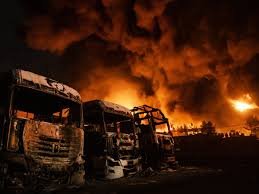 Oil Prices Surge Above $100 Amid Iran War
 Gulf Oil Shock Sends Global Economic Ripples
 US Says 16 Iranian Mine Ships Destroyed in Hormuz
 Sarah Ferguson Loses Another £1.5m Amid Financial Struggles
 Courier Firm Bust After 14 Years as Evri Deliveries Face ‘Temporary Disruption’
 Oil Price Jumps Despite Deal to Release Record Amount of Reserves
 Brazil Floods Warning as Scientists Urge Fossil Fuel Exit
 ‘Heating Oil Suppliers Are Holding Us to Ransom’ as Prices and Cancellations Surge
 UniCredit’s Bold Move to Reshape European Banking
 UK Wage Growth Slows as Jobs Market Holds Firm
 Missing Cuba-Bound Aid Ships Spark Urgent Search
 Trump Threatens Iran With Total Infrastructure Destruction
 Gridlock Britain: Easter 2026 Set for Busiest Roads in Four Years
 ‘Better Off Not Planting’: UK Farmers Face 36% Fertiliser Spike as Gulf Crisis Bites
 ‘The Final Word’: Kathleen Stock’s Polemic Against Assisted Dying Reshapes the UK Debate
 The ‘Career Ceiling’: One in Five High Earners Say £100k Tax Trap is ‘Ruining’ Their Ambition
 ‘The Cost of Living’: Asia’s Migrant Workers Debate if Gulf Jobs are Worth the Risk of War
 ‘The 42-Day Rally’: Asian Markets Surge as Trump Signals ‘Rapid’ Iran Exit
 India Begins Mammoth Census for 1.4 Billion People
 Russia: The Unforeseen Winner of the Iran Conflict
 British Businesses Braced as National Living Wage Hits £12.71 Published: 1 April 2026
 The Bitter Aftertaste: Iran War Threatens to Spike Prices for Indian Beer and Bottled Water
 National Treasure: Raja Ravi Varma Masterpiece Smashes Indian Art Record with $17.9m Sale
 US Senators Slam Ticketmaster Over Sneaky New Fee Hikes
 Pope Leo Urges Peace in First Easter Mass Address
 Oil and Diplomacy: Russian Refineries Burn as Zelenskyy Secures Middle East Shield
 “A Perfect Storm”: UK Small Businesses Face Doubling Energy Bills as Iran War Rattles Markets
 Electric Shock: Australians Buy Record Number of New EVs as Fuel Crisis Bites
 War, Windfalls, and the Carbon Trap: The Iran Conflict’s Brutal Energy Math
 ‘I Will Not Abandon Him’: Pauline Hanson Stands by Ben Roberts-Smith After War Crime Charges
 ‘The Soul of Spain’: Politicians Clash Over Renewed Push to Move Picasso’s Guernica
 ‘It Was an Accident’: Rohan Dennis Breaks Silence to Attack ‘False Narrative’ Over Wife’s Death
 The Fallen Icon: Ben Roberts-Smith Charged with Five War-Crime Murders