Published: April 8, 2026. The English Chronicle Desk.
The English Chronicle Online — Protecting the Highlands’ natural heritage in the age of tech.
FORTROSE — It is widely considered the “best place in Scotland” to see bottlenose dolphins, but the tranquil waters of Chanonry Point became the center of a heated police investigation this week. Police Scotland are appealing for witnesses following reports of an “aggressive drone pilot” whose behavior reportedly distressed both the local community and, potentially, the very marine life tourists flock to see. The incident, which occurred at approximately 1:40 p.m. on Saturday, March 21, has reignited a fierce debate over the “digital harassment” of wildlife and the rights of hobbyists in public spaces.

According to investigating officers, a man flying a drone was approached by a member of the public concerned about the device’s proximity to a feeding pod of dolphins. The interaction quickly soured into a “high-decibel argument” during which the pilot reportedly acted in a threatening and aggressive manner.
Chanonry Point, a narrow spit of land on the Black Isle, is world-famous for its deep-water channel where dolphins hunt salmon close to the shore. However, the rise of “consumer-grade” aerial photography has created a new kind of friction.
-
The Disturbance Factor: Conservationists warn that the high-pitched “whine” of drone rotors and their shadow on the water can be perceived as a predator by marine mammals, particularly mothers with calves.
-
The Legal Line: Under the Wildlife and Countryside Act 1981, it is a criminal offense to “intentionally or recklessly disturb” dolphins. While many pilots believe they are being respectful, the threshold for “disturbance” is often reached long before a drone makes physical contact.
-
Aggression on the Beach: Police are specifically investigating the pilot’s conduct toward other bystanders. “We understand the excitement of capturing these animals on film,” a Police Scotland spokesperson stated, “but the safety and peace of the public must come first.”
The incident comes at a “bum note” for the UK’s drone community, coinciding with the rollout of the January 2026 CAA Regulation changes. These new rules have lowered the “Flyer ID” threshold to just 100g and introduced mandatory Remote ID (RID)—a digital “number plate” that allows authorities to identify the owner of a drone in real-time.
“The era of the anonymous ‘nuisance’ pilot is effectively over,” says drone specialist David Mackay. “With Remote ID, the police don’t even need to be on the beach to know who is flying. If you’re harassing wildlife or being aggressive to people, you’re broadcasting your identity to every officer with a receiver.”
On local social media forums, the Chanonry incident has sparked a divide. Some users defended the pilot, suggesting he was likely being “harassed by a busybody” while trying to concentrate on a complex flight. Others, however, pointed to a growing pattern of “aggressive entitlement” among some content creators who prioritize “the perfect shot” over the welfare of the animals or the comfort of other visitors.

What to do if you see a drone disturbing wildlife:
-
Do Not Confront: As seen in the Chanonry case, direct confrontation can escalate into a “police-level” incident.
-
Record the Pilot: If safe to do so, take a photo of the operator (not just the drone) and any vehicle they may be using.
-
Report to 101: Note the time, location, and a description of the drone’s behavior. In Scotland, quote reference PS-20260321-0263 for the Chanonry Point inquiry.
As the Highlands prepare for the 2026 summer tourism surge, the message from the Moray Firth is clear: the dolphins are the stars of the show, and the drones are merely guests. If the “aggressive” behavior continues, the next “seismic change” for Chanonry Point may be a total exclusion zone for unmanned aircraft.
Related News:
 ‘I Stopped Engaging’ Due to Instagram and YouTube, Woman Tells Landmark Trial
 Shadow on the Playground: UK Children Report Record-High Sextortion Attempts
 Labour Utterly Humiliated by Straight-Talking Mum Who Cut Through Keir Starmer’s Insanity
 Royal Family LIVE: ‘Pariah’ Andrew Mountbatten-Windsor Sparks Fresh Revolt Among Staff
 Renters Furious as Decent Homes Standard Delayed Until 2035
 The Victorian aristocrat who became Britain’s first Muslim lord
 UP IN FLAMES: Huge Blaze Rips Through Odeon Cinema, Students Evacuated
 Motorists Could Face ‘Mandatory’ Driving Ban for Road Offences Under Tougher Laws
 Royal Mail Blames Poor Weather and Sickness for Delayed Deliveries
 Disability and LGBT Hate Crimes Set to Become Aggravated Offences
 Snow and Rain Warnings as Cold Snap Continues in the UK
 Flooding May Worsen Before It Improves as More Rain Forecast for the UK
 Teacher Who Lied About Cambridge Degree Banned From Profession
 Last‑ditch Call to Save Police Front Counters in London
 Deaf Woman Killed After Night Out With Strangers, Court Hears
 Dad Found in Bed with Daughter 16 Years After Abandoning Her as a Child
 Store at Famous Shopping Village to Close After 18 Years Due to Rising Costs
 I Confronted a Mugger with an 18-Inch Machete in London – No Wonder Tom Cruise is Leaving
 ‘Don’t Make Us Security Guards,’ Says Teacher Stabbed by Pupil
 Schools in England to Get Budget for Children with Special Needs as Part of SEND Overhaul
 Sadistic Pair Jailed for Blowing Up Sheep
 Will the New SEND Reforms in England Work? You Have Your Say
 BBC Edited a Second Racial Slur Out of BAFTA Ceremony
 Grave of Murdered Toddler James Bulger Vandalised
 ‘I Almost Died After a Touch‑and‑Go C‑Section’
 Conservation Budgets Hit by Increased Fly‑Tipping Costs
 Water Cremation Introduced in UK First
 Calls Grow to Remove Billboard Following Lyra McKee Graffiti
 Why Aren’t Our Dirtiest Roads Getting Cleaned?
 Scots Firefighter Cycles 800 Miles for MND Charity
 Woman, 29, ‘Chucked’ Into Care Home 100 Miles Away
 Community farm appeal to cover thousands in repairs
 Gran Vows to Shield Huntley’s Daughter From Soham Killer’s Funeral
 Labour Faces Backlash Over Conscription Warning
 AI Deepfake ‘Content Farms’ Target UK Politics
 Father Dies by Suicide Weeks After Wedding in Clitheroe
 Sarah Ferguson Loses Another £1.5m Amid Financial Struggles
 SNP Health Secretary Criticised Over NHS Failures Locally
 Veteran Firefighter Praises Glasgow Blaze Response
 Courier Firm Bust After 14 Years as Evri Deliveries Face ‘Temporary Disruption’
 Teen Wins Payout After TRNSMT Crush Horror
 Biker Suffers Fractured Spine After Hitting Pothole in Edinburgh
 Scots Head Teacher Pays Tribute to Teen Who Died in Car Fire
 Eugenie ‘Falls on Sword’ as Andrew and Sarah Ferguson Criticised
 Travel Chaos on M8 and M74 Amid 70 mph Gales as Trains Also Cancelled
 ‘Heating Oil Suppliers Are Holding Us to Ransom’ as Prices and Cancellations Surge
 Rare Glimpse of Historic Bridge Thanks to Low Tide
 Second Man Arrested Over ‘Gunshot’ Death of Young Dad in Motherwell Home
 Rapist Caught After Victim Calls Police Mid-Attack

 Rising Costs Force Families to Rethink Days Out
 Families Tortured by Authorities During Investigations Inquiry Told
 Watchdog Probes Police Handling of Andrew Tate Abuse Claims
 ‘Teenage Me Could Not Have Imagined This’ Says First Female Archbishop
 Fire Crews Battle Major Blaze at Coventry Car Dealership
 The High Cost of Survival: How the 2026 Fiscal Outlook is Redefining British Life
 Safety Fears at New £200m Maternity Unit: Mums-to-Be ‘Put at Risk’
 Dawn Raids in Scotland and Spain: Eight Arrested in Major Organised Crime Sting
 US Lawmaker Demands Testimony Over Sarah Ferguson’s ‘Close Epstein Ties’
 The Last of the Lords: Two Hereditary Peers to Retain Ceremonial Roles Amid Historic Ousting
 Spring Awakening: Temperatures to Hit 17°C as Britain Bathes in Sunshine
 Trust in Turmoil: Just Eat and Autotrader Among Firms Probed Over Fake Reviews
 Fuel Famine: How African Nations are Rationing Power and ‘Diluting’ Petrol to Survive
 ‘My Daughter is Under the Rubble’: The Human Cost of the Tehran Strikes
 ‘No Surprise’: Ramaphosa Downplays South Africa’s Exclusion from Emergency G7 Summit
 ‘Eye in the Sky’ Blinded: Photos Reveal Destroyed US Radar Jet at Saudi Base
 ‘Full and Immediate Access’: Netanyahu Reverses Palm Sunday Ban on Latin Patriarch
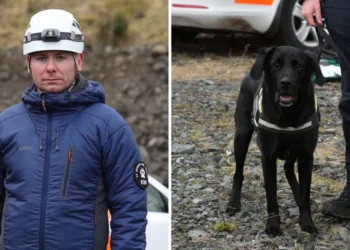 Four Teens Charged After Assault on Rescue Volunteer and Dog
 Woman Deported from China Over Manx Passport Mix-Up
 Schools Lack Staff to Make SEND Reforms Work, Union Warns
 How a Busy Saturday Night in Derby Descended into Chaos
 ‘My Hatred of Dogs is Ruining My Love Life’
 How the King Became the Jewish Community’s Greatest Ally
 No, the RNLI is Not a ‘Taxi Service’ for Migrants – I Would Know
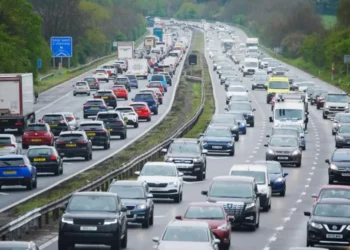 Gridlock Britain: Easter 2026 Set for Busiest Roads in Four Years
 ‘The Final Word’: Kathleen Stock’s Polemic Against Assisted Dying Reshapes the UK Debate
 ‘Empty Tanks’: UK Drivers Cry Foul as Petrol Prices Surge Amid $120 Oil Threat
 The Suffocating Silhouette: Why Metal’s Mask Trend is Turning Deadly
 Debt Relief or Drop in the Ocean? UK Caps Student Loan Interest at 6%
 ‘Look After the Children’: The 84-Year-Old Widower Fighting a Broken Care System