Published: April 8, 2026. The English Chronicle Desk.
The English Chronicle Online — Documenting the human cost of a global energy crisis.
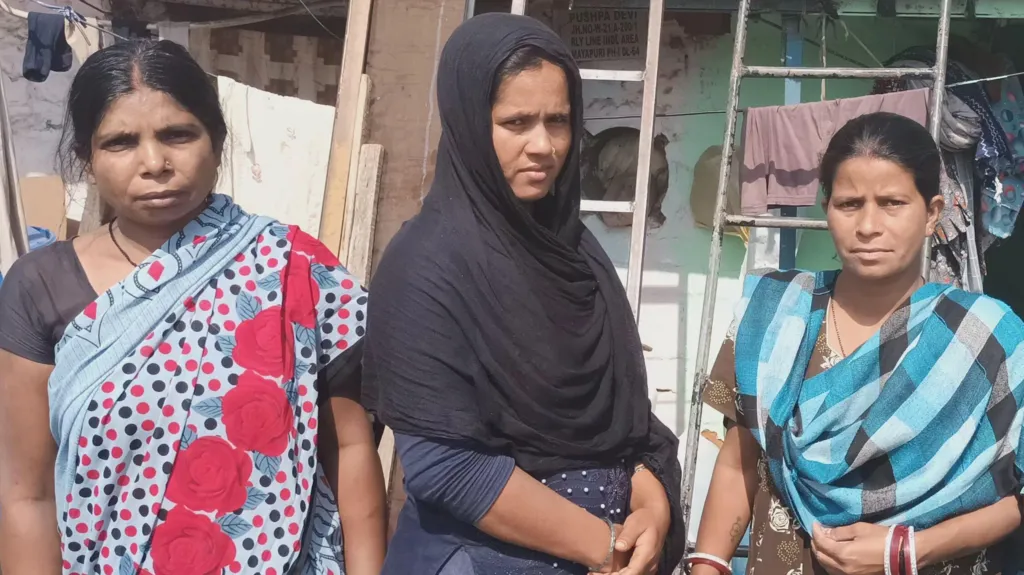
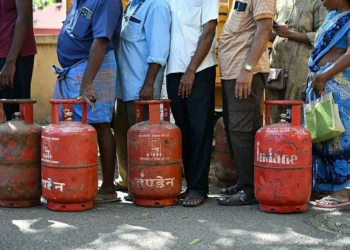
NEW DELHI / MUMBAI — A silent and somber “reverse migration” is unfolding across India’s major metropolitan hubs, as a crippling shortage of Liquefied Petroleum Gas (LPG) forces thousands of migrant workers to abandon their urban livelihoods. From the textile hubs of Surat to the construction sites of Mumbai and the domestic quarters of New Delhi, the equation for survival has become brutally simple: without cooking gas, there is no food, and without food, there is no reason to stay. Driven by the ongoing conflict in the Middle East and the closure of the Strait of Hormuz—the primary artery for India’s LPG imports—the crisis has revived haunting memories of the 2020 pandemic exodus, though this time the enemy is not a virus, but an empty stove.

For workers like 21-year-old Sadlu in Surat, the crisis hit home when the price of an informal “black market” cylinder surged fourfold in mid-March. Earning a daily wage of roughly 500 rupees, Sadlu and his brother found themselves unable to sustain both their rent and the skyrocketing cost of fuel. After surviving on a diet of puffed rice and biscuits for days, they joined the growing lines at railway stations, heading back to their village in Uttar Pradesh where they hope to find cheaper cooking alternatives like biomass or wood. “My mother insisted I come home,” Sadlu shared. “I didn’t want to leave my job, but how can we live in a city where we cannot even boil water?”
The shortage has exposed a “seismic” vulnerability in how India’s urban poor access energy. While the government regulates prices for registered domestic users, a vast portion of the migrant population relies on the “deregulated” informal market.
-
The Black Market Spike: In parts of Delhi, while the official price of a 14.2-kg cylinder remains around 913 rupees, migrants in informal settlements report being asked for up to 4,000 rupees.
-
The 5-kg Crisis: Many gig workers and domestic helpers rely on the “Chhotu” or “Mini” 5-kg cylinders. Prices for these have doubled or tripled, pricing out the very people who keep the city’s service economy running.
-
Refill Delays: Even for those with official connections, the wait time for a refill has stretched from two days to over three weeks, creating a “holding pattern” of hunger in many households.
The impact is not limited to home kitchens. The hospitality sector, a primary employer for migrant labor, is facing its own “market shock.” Small eateries and roadside dhabas that cannot afford commercial gas rates are either shutting down or drastically reducing their menus. In Kolkata, workers at roadside stalls have reportedly reverted to traditional clay stoves (earthen ovens), a transition that makes their labor grueling as they stand before intense heat for 12-hour shifts. When these small businesses close, the workers have no choice but to head for the bus terminals.
In a high-stakes “fact-check” battle, the Indian government has officially refuted reports of a “mass exodus.” A week-long monitoring exercise by the Ministry of Petroleum and Natural Gas (MoPNG) across major railway stations suggested that passenger footfall remains within normal limits. Officials claim that since March 23, over 6.75 lakh 5-kg cylinders have been sold nationwide to stabilize the market. However, ground-level reports from Mumbai and Delhi tell a different story, with local news tracking thousands of passengers on trains toward Bihar and West Bengal who cite “gas and food” as their primary reasons for leaving.
The “Life & Society” crisis is a direct ripple effect of the geopolitical storm in the Persian Gulf. With India importing roughly 60% of its LPG requirements, any disruption to the Strait of Hormuz acts as a “chokehold” on the Indian kitchen. While the government is now exploring alternatives such as increased domestic production from the Arabian Sea and imports from the US and Australia, the “logistical friction” of rerouting global energy means relief may be weeks away.

For the families currently waiting at the Kaushambi or Anand Vihar bus stands, the high-level diplomatic talks in Islamabad this Friday carry more than just political weight; they represent the hope that the fire can be relit under their urban dreams. Until then, the “reverse migration” continues—a slow, painful trickle of people moving away from the “Power Plant Day” shadows of the city toward the familiar smoke of a village hearth.
Related News:
 Japan Braces as Takaichi Begins New Term with Huge Mandate for Low‑Tax, Ultra‑Conservative Agenda
 US and Indonesia Finalise Deal to Cut Tariffs to 19%
 Asos Co-Founder Dies After Thailand Balcony Fall
 Gold Fever Hits South Africa After Lucky Find in Cattle Pen
 Why Asian Firms Are Not Cheering Trump Tariff Ruling
 Why Asian Firms Are Not Cheering Trump Tariff Ruling
 The Little Town Making Nearly All of China’s Lanterns
 The Rewilding Cash Grab Driving Farmers Off the Land
 ‘Holiday From Hell’ Leaves UK Couple Stranded in Thailand
 Gulf Oil Shock Sends Global Economic Ripples
 Bodies of Two Chinese Backpackers Found in Floodwaters
 The Situation Is Dire: War on Iran Squeezes India’s Cooking‑Gas Supplies
 PM Seeks to Reassure Australians Over Fuel Supply
 Michel Rolland: The ‘Spielberg of Wine’ Who Directed the Global Palate
 ‘The Great Reset’: Behind the Wheel of Jaguar’s Most Polarizing Move in 80 Years
 Silver Linings: Why Global Tourism is Finding “Positives” Amidst Iran War Uncertainty
 The ‘Svuota Londra’ Effect: Why the Super-Rich are Swapping Dubai for Milan
 Debt Relief or Drop in the Ocean? UK Caps Student Loan Interest at 6%
 The $100 Billion Peace: Trump’s ‘Grand Bargain’ Ends Iran Conflict at a Staggering Cost
 The ‘Golden Gates’ are Closing: Why Global Travelers are Rethinking the U.S. in 2026
 The ‘Shredder’ Syndrome: Why the 2026 Job Market is Breaking Entry-Level Spirits
 Victory or Compromise? Tehran’s Streets Erupt in Mixed Emotion Following Ceasefire
 Modi’s London Visit Seals Historic UK-India Trade Pact Amid Global Tensions
 China’s crackdown on civil servant perks sparks economic concerns
 Shein UK Faces Allegations of Shifting Majority of Profits to Singapore to Reduce UK Tax
 British AI Startup Outshines Human Forecasters in Global Prediction Contest
 Canada Passes Carney’s First Budget in Tight Parliamentary Vote
 UK New Car Discounts Near £6,000 as Prices Are Slashed
 After the Landslide: Can India Reset Ties with BNP Bangladesh?
 Japan’s Lost “Tigers” Were Actually Lions, Study Reveals
 Royal Mail Blames Poor Weather and Sickness for Delayed Deliveries
 Snow and Rain Warnings as Cold Snap Continues in the UK
 South Korea’s Ex-President Faces Death Penalty in Insurrection Trial
 Epstein Eyed Record Label Investment to Access Women, Files Suggest
 Live Nation Sees Strong Ticket Sales as Monopoly Lawsuit Looms
 ‘We’re Still on Edge’: Toy Firms Look to US Supreme Court as Tariffs Hit Profits
 US Will Not Back Out of Tariff Deals with UK and Others, Says Trump Trade Representative
 ‘We Pray for Peace’: Indian Filmmaker From Troubled State Who Won a BAFTA
 Bill Gates ‘Took Responsibility’ Over Epstein Ties in Staff Meeting, Foundation Says
 Could Kim’s Teen Daughter Become North Korea’s Next Leader?
 Limited Flights Leave UAE But Disruption Continues Amid Iran Strikes
 Nepal Holds First General Election Since Gen Z Protests Toppled Government
 ‘Every Day Feels Like a Month’: Iranians Describe Life Under ‘Constant’ US‑Israeli Strikes
 Tears and Cheers as Controversial Long‑Running Australian Breakfast Radio Show Implodes
 My One-Hour Flight Transfer Left Me Facing 10 Days Stuck in a City Under Attack
 Oil Prices Surge Above $100 Amid Iran War
 Australia Urged to Shield Iranian Team After Anthem Protest
 China Moves to Enshrine ‘Ethnic Unity’ Law
 Sarah Ferguson Loses Another £1.5m Amid Financial Struggles
 Courier Firm Bust After 14 Years as Evri Deliveries Face ‘Temporary Disruption’
 Point-Blank Gunshot Misses Indian Politician
 Oil Price Jumps Despite Deal to Release Record Amount of Reserves
 ‘Heating Oil Suppliers Are Holding Us to Ransom’ as Prices and Cancellations Surge
 UniCredit’s Bold Move to Reshape European Banking
 Dozens Killed After Afghanistan Rehab Centre Struck
 Sri Lanka Sets Weekly Shutdown to Save Fuel
 UK Wage Growth Slows as Jobs Market Holds Firm
 Nepal to swear in ex-rapper as new prime minister
 Missing Cuba-Bound Aid Ships Spark Urgent Search
 Trump Threatens Iran With Total Infrastructure Destruction
 ‘Better Off Not Planting’: UK Farmers Face 36% Fertiliser Spike as Gulf Crisis Bites
 ‘The Final Word’: Kathleen Stock’s Polemic Against Assisted Dying Reshapes the UK Debate
 The ‘Career Ceiling’: One in Five High Earners Say £100k Tax Trap is ‘Ruining’ Their Ambition
 ‘The Cost of Living’: Asia’s Migrant Workers Debate if Gulf Jobs are Worth the Risk of War
 ‘The 42-Day Rally’: Asian Markets Surge as Trump Signals ‘Rapid’ Iran Exit
 Russia: The Unforeseen Winner of the Iran Conflict
 British Businesses Braced as National Living Wage Hits £12.71 Published: 1 April 2026
 The Bitter Aftertaste: Iran War Threatens to Spike Prices for Indian Beer and Bottled Water
 National Treasure: Raja Ravi Varma Masterpiece Smashes Indian Art Record with $17.9m Sale
 US Senators Slam Ticketmaster Over Sneaky New Fee Hikes
 Pope Leo Urges Peace in First Easter Mass Address
 Oil and Diplomacy: Russian Refineries Burn as Zelenskyy Secures Middle East Shield
 “A Perfect Storm”: UK Small Businesses Face Doubling Energy Bills as Iran War Rattles Markets
 Electric Shock: Australians Buy Record Number of New EVs as Fuel Crisis Bites
 War, Windfalls, and the Carbon Trap: The Iran Conflict’s Brutal Energy Math
 ‘I Will Not Abandon Him’: Pauline Hanson Stands by Ben Roberts-Smith After War Crime Charges
 The Great Saddle-Up: Sydney Commuters Ditch the ‘Crazy’ Bowsers for the Bike Lane
 ‘The Soul of Spain’: Politicians Clash Over Renewed Push to Move Picasso’s Guernica
 The Suffocating Silhouette: Why Metal’s Mask Trend is Turning Deadly
 The Fallen Icon: Ben Roberts-Smith Charged with Five War-Crime Murders