
Published: April 9, 2026. The English Chronicle Desk.
The English Chronicle Online — Navigating the economic fallout of a global energy emergency.
LONDON / NEW YORK — While the “seismic” headlines focus on the 14-day ceasefire and high-stakes diplomacy in Islamabad, the “unfiltered” reality of the Iran War is currently being felt at the checkout counter and in the monthly utility bill. The conflict, and the subsequent “tectonic” closure of the Strait of Hormuz, has sent a shockwave through the global financial “Iron Horse,” triggering a series of “market shocks” that have left the average household in a defensive “holding pattern.” From the price of a liter of petrol to the interest rate on your mortgage, the ripple effects of the 2026 crisis are rewriting the rules of personal finance.

Economic analysts are warning that even with a ceasefire in place, the “logistical friction” caused by the five-week conflict will take months to resolve. For the average consumer, this means the “Power Plant Day” of peak prices may be behind us, but the “new normal” of elevated costs is likely to persist through the summer of 2026.
The most immediate “bum note” for your money is the cost of staying warm and keeping the lights on.
-
The Gas Premium: With 20% of the world’s LNG supply effectively “trapped” in the Persian Gulf, wholesale gas prices surged by 42% in March. For UK households, this is expected to translate into a “seismic” adjustment to the energy price cap in the next quarter.
-
Petrol Station Pain: Although crude prices have dipped slightly following the truce, the “unprecedented” cost of rerouting tankers around the Cape of Good Hope has added a permanent “transport levy” to every gallon of fuel.
-
Utility Reliability: In some regions, the “technical glitch” of supply shortages has led to “voluntary conservation” requests, which, while not a direct bill increase, impacts the “Life & Society” quality of modern urban living.
The Iran War has also triggered a “remarkable” secondary inflation cycle that many did not anticipate.
-
The Fertilizer Gap: Iran and its neighbors are major exporters of urea and phosphates. The “chokehold” on the Strait has spiked fertilizer costs, which will manifest as higher prices for bread, meat, and vegetables by the harvest season of late 2026.
-
Global Shipping Surcharge: Because the Strait of Hormuz is a vital “digital and physical” artery for trade, the shift in maritime insurance has added a “war-risk surcharge” to nearly all imported consumer electronics and clothing.
Perhaps the most “tectonic” impact on your money is the reaction of central banks. To combat the “seismic” surge in inflation driven by energy costs, many central banks have been forced to put their planned interest rate cuts into a “holding pattern.”
-
Mortgage Stress: For those on variable rates or those looking to remortgage in 2026, the war has effectively “killed the pivot” toward lower rates, keeping monthly payments at a “market shock” high.
-
Investment Volatility: The “unfiltered” uncertainty of the conflict has turned the 2026 stock market into a “rollercoaster,” specifically impacting pension funds with heavy exposure to international logistics and energy-intensive manufacturing.

As Home Secretary Yvette Cooper urges a “toll-free” reopening of the Strait this week, there is a “human-centered” hope that the economic fever will break. However, financial planners suggest that the “remarkable wisdom” for 2026 is to maintain a robust emergency fund. The “system update” to the global economy caused by the Iran War has proven that our “unfiltered” reliance on a single 21-mile-wide strip of water is a “technical glitch” that we are all paying for.
Related News:
 Debt Relief or Drop in the Ocean? UK Caps Student Loan Interest at 6%
 The ‘Shredder’ Syndrome: Why the 2026 Job Market is Breaking Entry-Level Spirits
 Shein UK Faces Allegations of Shifting Majority of Profits to Singapore to Reduce UK Tax
 British AI Startup Outshines Human Forecasters in Global Prediction Contest
 China warns UK over delayed London mega embassy decision
 Rachel Reeves to lead UK trade push in Saudi Arabia amid rights debate
 UPS Cargo Plane Crash in Kentucky Kills Seven
 UK New Car Discounts Near £6,000 as Prices Are Slashed
 Gender Pay Gap Won’t Close for Another 30 Years, Warns Union
 Royal Mail Blames Poor Weather and Sickness for Delayed Deliveries
 Police Assessing Stansted Airport Private Flights Over Epstein Ties
 Snow and Rain Warnings as Cold Snap Continues in the UK
 TfL Advert Banned for Harmful Racial Stereotype
 Break from Wintry Weather as UK Temperatures to Climb to 14 °C
 Popular UK Service Station Announces Closures Amid Another’s Liquidation
 Store at Famous Shopping Village to Close After 18 Years Due to Rising Costs
 Tesco Announces New Rule for Customer Parking Spaces – ‘We Need These Everywhere!’
 Fury as Jobless-Migrant Households Receive Benefits Worth £10bn – ‘We Need to End This’
 Closing Factory Workers Paid to Help at Food Bank
 What’s Next for Andrew Mountbatten-Windsor’s Ex-Wife, Sarah Ferguson?
 Asos Co-Founder Dies After Thailand Balcony Fall
 Gold Fever Hits South Africa After Lucky Find in Cattle Pen
 US Will Not Back Out of Tariff Deals with UK and Others, Says Trump Trade Representative
 Muslim Group Wants Mosques to Be Used as Polling Stations Ahead of UK Elections
 Boy, 12, Home After Being Stranded in Middle East
 Why Aren’t Our Dirtiest Roads Getting Cleaned?
 South East Water Faces £22m Fine for Supply Failures Affecting Hundreds of Thousands
 Murdered Student ‘Algasim’ Was ‘the Most Special Person’, Friends Say
 The Rewilding Cash Grab Driving Farmers Off the Land
 Gulf shipping crisis sparks food price fears
 Manchester Students Mourn Ayatollah Amid Protest
 Sarah Ferguson Loses Another £1.5m Amid Financial Struggles
 Courier Firm Bust After 14 Years as Evri Deliveries Face ‘Temporary Disruption’
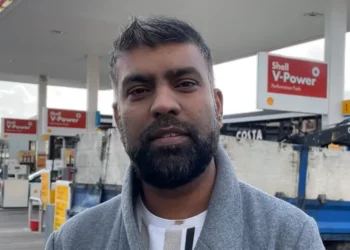 Fuel Costs Are Rising — Drivers on the Frontline of the Price Surge
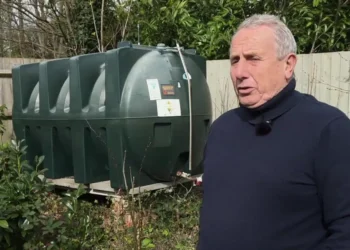 ‘Heating Oil Suppliers Are Holding Us to Ransom’ as Prices and Cancellations Surge
 Disabled Girl ‘Felt Like Alien’ in Shoe Row
 UK Wage Growth Slows as Jobs Market Holds Firm
 Rising Costs Force Families to Rethink Days Out
 Teen Admits Filming Westfield Chair Prank
 Glasgow Central Set for Full Reopening After Fire
 Middle East Conflict to Hit UK Economy Hardest
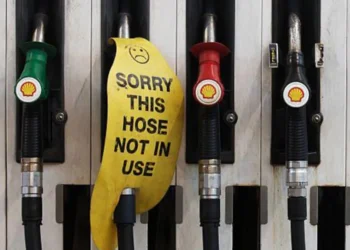 PM Seeks to Reassure Australians Over Fuel Supply
 Fire Crews Battle Major Blaze at Coventry Car Dealership
 ‘Horror on the Street’ and ‘Fears Grow over Shortages’
 Michel Rolland: The ‘Spielberg of Wine’ Who Directed the Global Palate
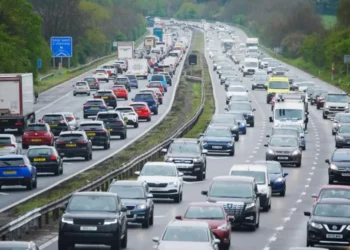 Gridlock Britain: Easter 2026 Set for Busiest Roads in Four Years
 A Slimmer Sunday: Beatrice and Eugenie to Skip Royal Easter Service Amid Family Health Focus
 Banana Bonanza: Orkney Town Flooded with 38,000 Bananas After Supermarket Blunder
 ‘Please Keep Her in Your Prayers’: Dad Describes Final Moments Before 7-Year-Old Was Swept to Sea
 ‘Better Off Not Planting’: UK Farmers Face 36% Fertiliser Spike as Gulf Crisis Bites
 ‘Something Wasn’t Right’: UK Families Devastated by Sperm Mix-Up at Northern Cyprus IVF Clinics
 From Fallout to Five-Star: Cold War Nuclear Bunker Gains Holiday Let Permission
 ‘The Great Reset’: Behind the Wheel of Jaguar’s Most Polarizing Move in 80 Years
 ‘The Final Word’: Kathleen Stock’s Polemic Against Assisted Dying Reshapes the UK Debate
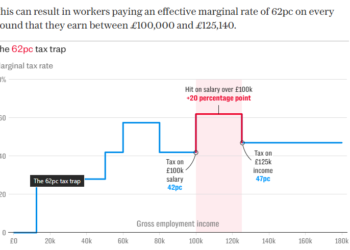 The ‘Career Ceiling’: One in Five High Earners Say £100k Tax Trap is ‘Ruining’ Their Ambition
 ‘Empty Tanks’: UK Drivers Cry Foul as Petrol Prices Surge Amid $120 Oil Threat
 Silver Linings: Why Global Tourism is Finding “Positives” Amidst Iran War Uncertainty
 The ‘Svuota Londra’ Effect: Why the Super-Rich are Swapping Dubai for Milan
 ‘Seismic Change’: How Nationalist Wins in Celtic Nations Could Reshape the UK
 The $100 Billion Peace: Trump’s ‘Grand Bargain’ Ends Iran Conflict at a Staggering Cost
 The ‘Golden Gates’ are Closing: Why Global Travelers are Rethinking the U.S. in 2026
 Property Peak? UK House Prices Dip Amid Geopolitical Jitters and ‘War Uncertainty’
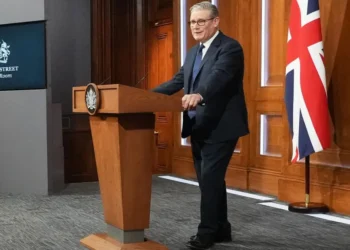 Diplomatic Sprint: Starmer Heads to the Gulf as 14-Day Truce Holds
 ‘No Gas, No Food’: LPG Shortage Triggers Reverse Migration in Indian Metros
 ‘Significant and Poignant’: Families Gather for 35th Anniversary of IRA Musgrave Bombing
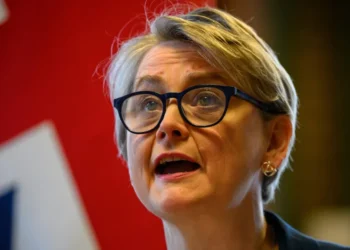 Global Commerce Crisis: Cooper Demands Immediate, Toll-Free Access to Hormuz
 UK House Price Growth Slows as Buyers Exercise Caution Ahead of Autumn Budget
 Reeves Faces Setback as Labour May Miss Homes Target
 Trump’s UK Ambassador Urges North Sea Drilling to Strengthen US Ties
 Millionaires group urge Reeves to introduce wealth tax to ‘lift kids out of poverty’
 Starmer Says Labour’s Economic Plan Needs Years to Deliver
 Historic £100-Weekly Pension Boost Brings Relief for UK Mineworkers
 Brit ‘in Good Spirits’ Amid Dubai Missile Attacks, Stranded but Safe
 Calls Grow to Remove Billboard Following Lyra McKee Graffiti
 ‘Every Day Feels Like a Month’: Iranians Describe Life Under ‘Constant’ US‑Israeli Strikes
 Charity Watchdog Takes Control of Learning Disability Care Home
 UK Forces Ready to Seize Russian Shadow Fleet Vessels
 US Lawmaker Demands Testimony Over Sarah Ferguson’s ‘Close Epstein Ties’
 The 8 Million Dilemma: Why Britain’s Disability Safety Net is Facing a ‘2026 Reckoning’
 The Banbridge Rescue: 300 Sheep Saved from Massive Hay Shed Inferno