Published: April 10, 2026. The English Chronicle Desk.
The English Chronicle Online — Championing the “human-centered” health of the modern athlete.
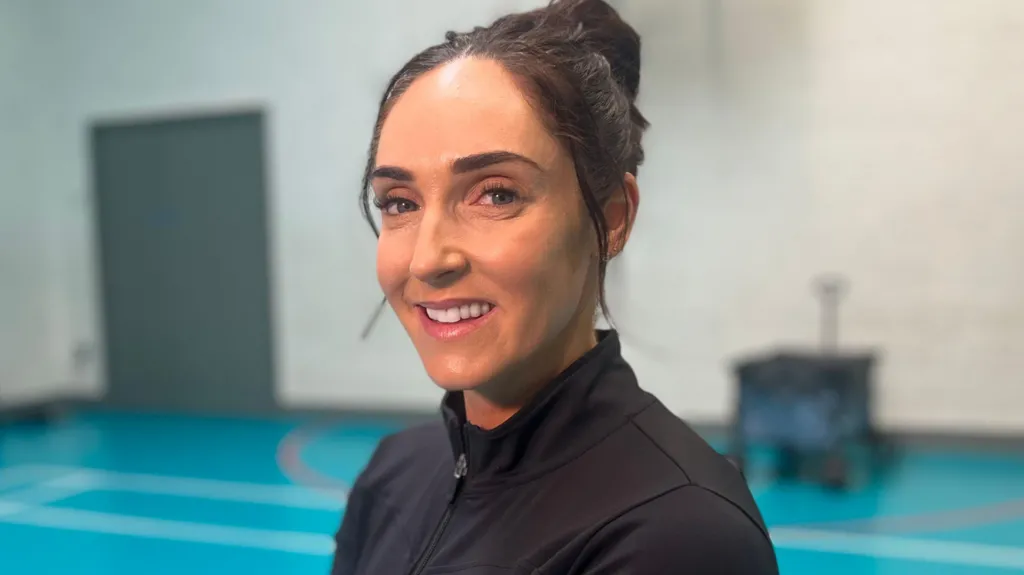
LONDON / GLASGOW — In a “seismic” break from the traditional “holding pattern” of sports stoicism, elite gymnast Elena Vance has come forward with a brave, “unfiltered” account of the physical toll of her profession. Her story, titled “Incontinence problems leave me ‘leaking while competing’,” has ignited a long-overdue “system update” in how we discuss pelvic floor health in high-impact athletics. Vance, a 24-year-old Olympic hopeful, revealed that despite her “Iron Horse” physical appearance, the “logistical friction” of Stress Urinary Incontinence (SUI) has been her silent opponent for years, impacting her “market shock” confidence and performance on the world stage.

Vance’s admission is far from a “bum note” in her career; rather, it is a “remarkable wisdom” shared to help millions of women who experience similar issues but feel trapped in a “technical glitch” of shame. According to 2026 health data, up to 45% of female athletes in high-impact sports—including gymnastics, trampolining, and cross-fit—experience “leaking” during exertion, a phenomenon that has historically been ignored by coaches and medical staff.
The condition is a “tectonic” result of the extreme intra-abdominal pressure generated during explosive movements.
-
The Pressure Pivot: When an athlete lands a vault or performs a heavy lift, the pressure in the abdomen spikes. If the pelvic floor muscles (the “Power Plant” of the core) cannot provide an equal counter-force, SUI occurs.
-
The ‘Overtraining’ Trap: Many athletes believe that “leaking while competing” is a sign of hard work. Experts warn this is a “unfiltered” misconception; it is actually a sign that the pelvic floor is fatigued or being bypassed by larger muscle groups.
-
Impact on Performance: Beyond the embarrassment, Vance noted that the mental “friction” of worrying about a leak can lead to a “seismic” drop in focus during high-stakes maneuvers.
For years, the “Life & Society” of gymnastics and cross-fit has had a “holding pattern” of silence, where athletes simply used dark-colored leggings or “pad-stacking” to hide the issue.
-
The ‘Elena Effect’: Vance’s decision to speak has triggered an “unprecedented” surge in inquiries to pelvic floor physiotherapists. “We need to stop treating this as a price of admission for being an athlete,” Vance stated.
-
Coach Education: Advocacy groups are calling for a “system update” in coaching certifications to include pelvic health, ensuring that young girls are taught to engage their core without compromising their “human-centered” dignity.
-
Technological Solutions: New 2026 “Science & Technology” in wearable biofeedback devices is helping athletes monitor their pelvic floor engagement in real-time, preventing the “leaking” before it starts.

As the “World holds its breath” for the 2026 European Championships, Elena Vance is training with a new “unfiltered” focus. By integrating pelvic floor rehab into her daily “Iron Horse” routine, she has seen a “remarkable” improvement in her symptoms and her overall core stability.
“I wanted my story to inspire people to live life—and compete in life—without fear,” Vance concluded. Her “leaking while competing” narrative is no longer a story of weakness, but a “seismic” demonstration of strength. In the high-pressure world of 2026 athletics, the “remarkable wisdom” is clear: the strongest core is the one that is healthy from the inside out.
Related News:
 One Lap, 400 Miles, One Week: GP Sets Sights on Cornwall Perimeter Record Run
 Tragic Death Strikes Half-Marathon in Stoke-on-Trent: Runner Dies Shortly After Crossing Finish Line
 Questions Remain as Rugby Legend Lewis Moody Faces Motor Neurone Disease Diagnosis
 Illegal Skin Lightening Cream Being Sold in UK Butchers, Watchdog Warns
 Adoption Breakdown Ended My Career and Relationship – ‘We’re Told to Get On With It’
 Mind Launches Inquiry into AI and Mental Health After Guardian Investigation
 Mystery GP on Train Saves Passenger’s Life
 Parents of Gravely Ill Child Refused Respite Care
 ‘I Almost Died After a Touch‑and‑Go C‑Section’
 Lewis Moody: ‘I’d Take the Risks Again’
 Water Cremation Introduced in UK First
 GPs Losing a Day of Appointments to No‑Shows Each Month
 Allergy Training to Become Compulsory in Schools in England
 Scots Firefighter Cycles 800 Miles for MND Charity
 Woman, 29, ‘Chucked’ Into Care Home 100 Miles Away
 Pregnant Woman Faces Motherhood Without Late Mum
 Father Dies by Suicide Weeks After Wedding in Clitheroe
 Mum Blinded After Tumour Linked to Contraceptive Jab
 SNP Health Secretary Criticised Over NHS Failures Locally
 Scotland Combines Alcohol and Drug Strategy to Cut Addiction Deaths
 Dad Delivers Baby After Midwife Flees During High‑Risk Labour in UK
 Schnauzer Travels 140 Miles for Life-Saving Spinal Surgery
 Brain-Damaged Scot ‘Stuck’ in Hospital at Centre of Police Probes
 ‘A Living Nightmare’: Parents of Vaccinated Teenager Speak Out After Rare Meningitis B Battle
 ‘A Cliff Edge’: Hospice Leaders Warn Cutbacks Are Only Way to Survive
 The High Cost of Survival: How the 2026 Fiscal Outlook is Redefining British Life
 Safety Fears at New £200m Maternity Unit: Mums-to-Be ‘Put at Risk’
 ‘Ripple of Fear’: Iran War Fears Sink UK Consumer Confidence to 11-Month Low
 Fuel Famine: How African Nations are Rationing Power and ‘Diluting’ Petrol to Survive
 ‘My Daughter is Under the Rubble’: The Human Cost of the Tehran Strikes
 Parents Warned Against Letting Children Cuddle Lambs Following Infection Spike
 ‘Look After the Children’: The 84-Year-Old Widower Fighting a Broken Care System
 ‘The Best Decision I Ever Made’: A Mother’s Viral Plea After a Near-Miss with Lung Disease
 Swept Out in Seconds: Rip Current Warning After Dramatic Rescue of Five Teens
 Paws for Peace: Frankie the Cockapoo Brings ‘Unfiltered’ Joy to MND Centre
 The Miracle of Phoenix: ‘Half Dead’ Rescue Dog Defies the Odds in Worcestershire
 Concerns Mount Over Accuracy of At-Home Health Tests as Study Calls for Stricter Regulation
 The Ketamine Crisis in the UK is a Silent Epidemic Leaving Users with Lifelong Pain
 London Set to Honour Euro 2025 Champions as Lionesses Take Victory Parade Through the Capital
 Rugby Confronts Safety Concerns with Smart Mouthguards at Women’s World Cup
 Premier League Supercomputer Predicts Tough Season for Man Utd Amid Three-Team Title Battle
 Systemic Racism in Maternity Care Continues to Endanger Black Women in England, MPs Warn
 One in Three GPs in England Do Not Work in NHS, Raising Concerns Over Access to Care
 Everton Held by West Ham as Bowen Cancels Out Keane’s Header in Nuno’s First Game
 Monaco Hold Man City to Dramatic 2-2 Draw as Eric Dier Converts Late Penalty
 Arsenal Edge Past West Ham Amid Injury Concerns
 Son of ex-England footballer dies in tractor crash
 M&S and Morrisons Lead Christmas Supermarket Taste Test
 New Prostate Cancer Drug Set to Halve Death Risk in England
 Brentford 3-2 Liverpool: Reds suffer fourth straight PL defeat
 Patients to Test Health at Home to Ease NHS Winter Pressure
 Shouting Works Best to Deter Gulls, UK Study Finds
 Reeves rejects £1bn plea for NHS redundancy payouts
 Stroke Patient Mistaken for Drunk, Care Delayed
 Five-Year-Old Dies After Rare Tonsil Surgery Complication
 Children to Receive Home Vaccines as England Acts
 Celebrity Campaign Highlights SMA Screening Failures
 Pneumonia Surge Pushes England Emergency Cases Higher
 Labour Utterly Humiliated by Straight-Talking Mum Who Cut Through Keir Starmer’s Insanity
 Renters Furious as Decent Homes Standard Delayed Until 2035
 Motorists Could Face ‘Mandatory’ Driving Ban for Road Offences Under Tougher Laws
 Snow and Rain Warnings as Cold Snap Continues in the UK
 UK MPs Demand Ban on Brazilian Butt Lifts
 NHS Urges Nine Million People to Get Therapy
 ‘Don’t Make Us Security Guards,’ Says Teacher Stabbed by Pupil
 Half of Britons Avoid GP When Ill, Survey Reveals Growing Concern
 ‘It’s Joy in a Pot’: Why Houseplants Could Make You Happier
 Calls Grow to Remove Billboard Following Lyra McKee Graffiti
 ‘We can’t go back’: mother of six-year-old cancer survivor fears UK visa changes
 Teen Wins Payout After TRNSMT Crush Horror
 Scotland World Cup Party in Boston Gets Green Light After Security Breakthrough
 Palantir NHS Contract Sparks Fears Over Data Power
 ‘Heating Oil Suppliers Are Holding Us to Ransom’ as Prices and Cancellations Surge
 Charity Watchdog Takes Control of Learning Disability Care Home
 US Lawmaker Demands Testimony Over Sarah Ferguson’s ‘Close Epstein Ties’
 Woman Deported from China Over Manx Passport Mix-Up
 ‘My Hatred of Dogs is Ruining My Love Life’
 ‘Zoom Dysmorphia’ Explosion: BDD Patients Quadruple in Post-Pandemic UK
 Tiger Woods: Golf Legend Steps Away to Seek Treatment
 Paws on the Wheel: Driver Facing Fine After Dog Photographed on Lap