Published: 10 April 2026. The English Chronicle Desk. The English Chronicle Online.
The political landscape of the modern world often hinges on the fragile ego of leaders. Donald Trump is currently facing the harsh reality of his own aggressive international policy choices. Former diplomats suggest that his recent actions in Iran were fueled by a dangerous overconfidence. This sentiment follows the swift and largely bloodless removal of the Venezuelan leader earlier this year. Many experts believe that the success in South America gave the president a false confidence. He apparently assumed that every geopolitical challenge could be solved with a quick military strike. The fallout from the February attack on Iran continues to destabilize the entire global economy. This intervention has left a trail of destruction that few could have fully predicted then. The president seems to be reaping the bitter fruit of his own impulsive strategic decisions. Veteran diplomats are now speaking out about the grave errors made by the current administration. They argue that the complexity of the Iranian regime was ignored for a simpler narrative.
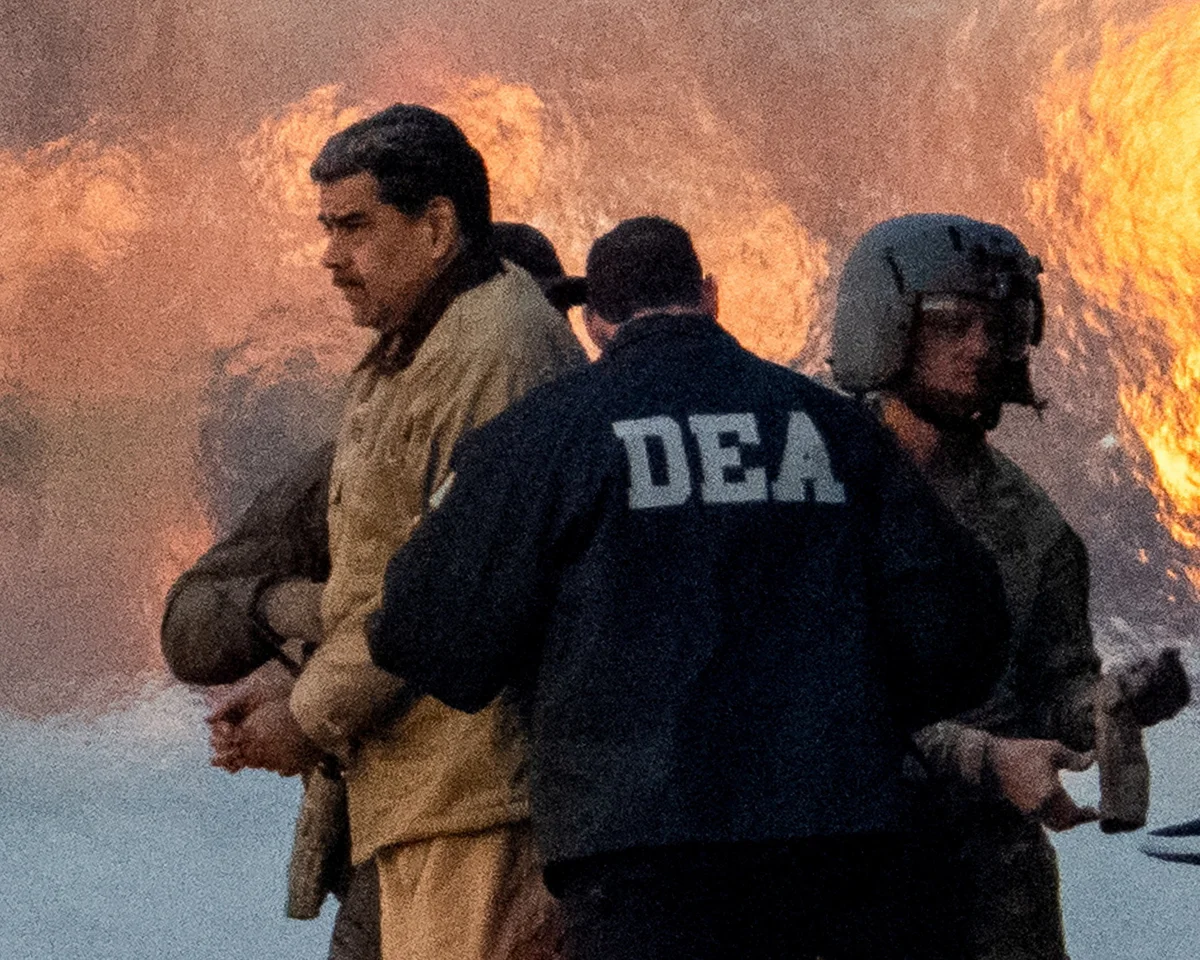
John Feeley is a former Marine pilot and a respected veteran of the State Department. He previously served as the United States ambassador to Panama with a distinguished career record. Feeley believes that Trump was flush with victory following the mission in Caracas last January. That specific operation saw the capture of President Nicolás Maduro during a daring night raid. The remnants of the Venezuelan authoritarian regime surrendered almost immediately to the American military demands. Delcy Rodríguez was installed as a replacement leader who aligned with the goals of Washington. While over one hundred local troops died, no American lives were lost during that mission. This outcome led Trump to believe his military was invincible on the global stage today. He boasted that the operation was the most powerful display of might in American history. Such rhetoric likely paved the way for the disastrous decision to target the Iranian leadership. Feeley notes that this success blinded the administration to the unique risks of the Middle East.

The capture of Maduro proved that the White House was willing to use lethal force. However, it also lulled the president into a false sense of security regarding foreign regimes. He began to believe that removing the Iranian Supreme Leader would be a simple task. Overthrowing a South American autocrat is fundamentally different from challenging a millennial Persian civilization. Feeley emphasized that his critiques are not directed at the elite special forces themselves. He understands the immense risks involved in high-stakes missions like the raid on Caracas. The ambassador formerly flew in similar units and knows how many things can go wrong. He suggests that the incredible luck in Venezuela was a statistical anomaly for the military. Trump expected a marvelous two-week war that would result in several easy medals for troops. Instead, the Iranian episode has turned into a long and grueling conflict with no end. The president apparently viewed the world through the lens of his most recent tactical success. This shortsightedness has now placed the United States in a very precarious international position.
There are growing fears that this same logic will be applied to future conflicts. Trump recently vowed to take Cuba, which has many observers feeling deeply concerned right now. Feeley describes the assumption that Cuba will be like Venezuela as naive and very reckless. These are regimes that have existed for many decades with deeply entrenched ideological roots. The ranks of their militaries are trained and heavily indoctrinated to resist any foreign intervention. Venezuela was a criminal mafia that had only consolidated power in the last ten years. Iran and Cuba represent decentralized structures that are built to survive such external assaults. The administration seems to foolishly believe they can just go in and find success. This misunderstanding of historical context is a hallmark of the current White House foreign policy. It ignores the resilience of nations that view themselves as defenders against Western imperialist goals. The failure to distinguish between a fragile state and a hardened regime is quite stark.

Thomas Shannon is another veteran specialist who has served as the ambassador to Brazil. He managed Latin American policy under previous administrations and understands the region very well indeed. Shannon is convinced that the Venezuela intervention caused a grave miscalculation in the Middle East. He believes the president actually thought Iran would fold under the exact same pressure. Trump likely knew he could not simply arrest the Supreme Leader in a raid. However, he thought killing key civil and military leaders would cause a total collapse. He hoped that a compliant figure would emerge to lead a new Iranian government quickly. No such leader has appeared to take the reins of power in Tehran since February. The Iranians have a unique internal capacity to endure massive assaults without surrendering at all. They do not have the same vulnerabilities that led to the fall of Maduro. Shannon points out that the circumstances between the two nations are fundamentally quite different. The resilience of the Iranian state was something the president failed to properly respect.
There is a certain irony in how the events in Caracas have unfolded lately. By yielding so quickly, the foes of the president inadvertently set a deadly trap. Their rapid surrender made a difficult military operation look incredibly easy to the casual observer. This led Trump to believe he could threaten an ancient empire with total destruction. He treated a complex geopolitical crisis like a simple business transaction or a brief skirmish. Now the world is dealing with the consequences of that massive and arrogant misjudgment. The global economy is reeling from the disruption of oil supplies and trade routes. Allies of the United States are questioning the stability of American leadership and its goals. The bitter fruit mentioned by Feeley is a metaphor for a world in chaos. It serves as a reminder that military might cannot replace a sound diplomatic strategy. Without a clear understanding of history, leaders are doomed to repeat the same mistakes. The English Chronicle will continue to monitor these developing stories as the situation evolves. Every decision made in Washington has a ripple effect that touches every single continent. We are currently living in the shadow of a victory that became a tragedy.
Related News:
 Just Stop Oil Protesters Convicted Amid Climate Defence Row
 BBC to Apologise Over Edited Trump Speech Amid Backlash
 Britain deploys RAF specialists to assist Belgium with drone threats
 Palace May Restore Hyphen to Andrew Mountbatten-Windsor’s Name
 Greene Pushes Epstein Files Amid Trump Fallout
 Trump Deploys DHS to Charlotte in Major Arrest Operation
 December Run-Off in Chile as Election Produces No Winner
 Zelenskyy Signs Fighter Jet Deal Amid Russian Drone Attacks
 Orban Says Ukraine Has ‘No Chance’ as EU Support Continues
 Canada Passes Carney’s First Budget in Tight Parliamentary Vote
 Shadow Fleet at Sea: Europe’s Battle Against Illicit Oil Shipping
 Tiny Curacao Makes History as Smallest Nation to Reach World Cup
 Haiti Qualifies for World Cup Despite Coach Never Visiting Country
 Deadly Russian Strikes Hit Western Ukraine, 20 Killed in Ternopil
 Ukraine Peace Plan: Zelensky Ready for Dialogue
 Royal Navy Shadows Russian Warships Entering the Channel
 US Suspends Afghan Immigration After White House Shooting
 Two National Guard Soldiers Critically Injured Near White House
 Georgians Defy Government Crackdown After Year of Protests
 Tokyo court rules Japan’s same-sex marriage ban constitutional
 ‘Extinct’ Antelope Returns to Sahara, Bringing Hope
 American Mother Extradited From UK to U.S. on Murder Charges
 Russia losses Ukraine war peace talks intensify amid rising deaths
 Facebook Slow to Remove Bondi Attack Praise, Anti-Hate Group Claims
 US Cities Erupt in Protests Against Trump’s Venezuela Military Action
 Albanese Opens Door to Bondi Royal Commission Amid Rising Pressure
 Trump Escalates Minnesota Immigration Surge Amid Rising Tensions
 Iran Protesters Defy Crackdown as Violent Clashes Intensify
 US Clears Nvidia AI Chip Sales to China in Policy Shift
 Gulf states warn Trump Iran strikes risk wider Middle East war
 EU weighs response amid Greenland tariff crisis with Trump
 Sydney Shark Attack Surge Shocks Australia Beaches
 EU Says US Ties Have Suffered ‘Big Blow’ After Greenland Crisis
 Videos reveal earlier clash before Alex Pretti shooting
 UK New Car Discounts Near £6,000 as Prices Are Slashed
 Israel Moves to Bar MSF From Gaza Operations
 Tragic Ski Lift Accident Claims Australian Snowboarder
 Portugal Election Delivers Socialist Win as Far Right Surges
 Australian Families Leave Syrian Camp for Home
 SA Police Intensify Search in Gus Lamont Case
 Trump Attacks UK-California Energy Pact
 Trump and Chagos Deal Rift Over Iran Strikes
 Andrew Arrest Sparks Republic Debate in Australia
 Global corruption crisis: Who Washington shields
 Farage Chagos Islands Row Sparks Fury
 Gold Rush in Gugulethu Leaves South Africans Desperate for Work and Hope
 Hilary Knight speaks out on Trump’s recent hockey remarks
 Trump Speech Sparks Intense Debate Across Divided America
 Has Europe truly learned from the failures of 2022?
 Social Media Trial: Woman Says Addiction Began at Six
 UK Personnel Near Iranian Missile Strike in Bahrain
 Trump Faces Questions Over Iran Conflict Plan
 Iran Civilian Deaths Surge Past 200 Amid Fear
 Herzog Asio meeting sparks security storm
 Trump rebukes Starmer over Iran strikes
 Middle East attacks intensify as Trump rejects Iran talks
 Iran-Iraq border airstrikes spark new tensions
 Petrol Prices Soar as Retailers Accused of Gouging Amid Global Tension
 Penny Wong silent on Australian crew in sub strike
 Australians on US Submarine in Iranian Warship Strike
 Oil Prices Surge Above $100 Amid Iran War
 Pete Hegseth Iran War Remarks Spark Alarm
 India T20 World Cup Triumph Seals Historic Title Defence
 Trump Pressures Congress Over Save America Act
 Iranian Football Squad Asylum Drama Shocks Australia
 Goma Drone Attack Kills Three as Conflict Escalates
 Queensland Protest Laws Spark Free Speech Backlash
 Eswatini Deal Sparks Global Outcry Over US Deportations
 Yvette Cooper: UK Must Follow Principles, Not US Pressure
 Trump Iran War Stance Hardens as Conflict Widens
 Iranian Captain Departs Australia Amid Asylum Tension
 Trump Nato threats expose Iran strategy vacuum
 Iran War Warning: Starmer Backs Ukraine Visit
 Iran World Cup Move Talks Raise Global Concerns
 Philippines energy emergency sparks coal power surge
 Australia Imposes Sudden Travel Ban on Iranian Visitors
 Trump Facing Backlash from Epstein Survivors Over Files
 Russia: The Unforeseen Winner of the Iran Conflict
 Report Says Pezzullo Acted ‘Recklessly’ in Dealings
 US Airman Rescued in Daring Mission After F-15 Shot Down in Iran