Published: 11 April 2026. The English Chronicle Desk. The English Chronicle Online
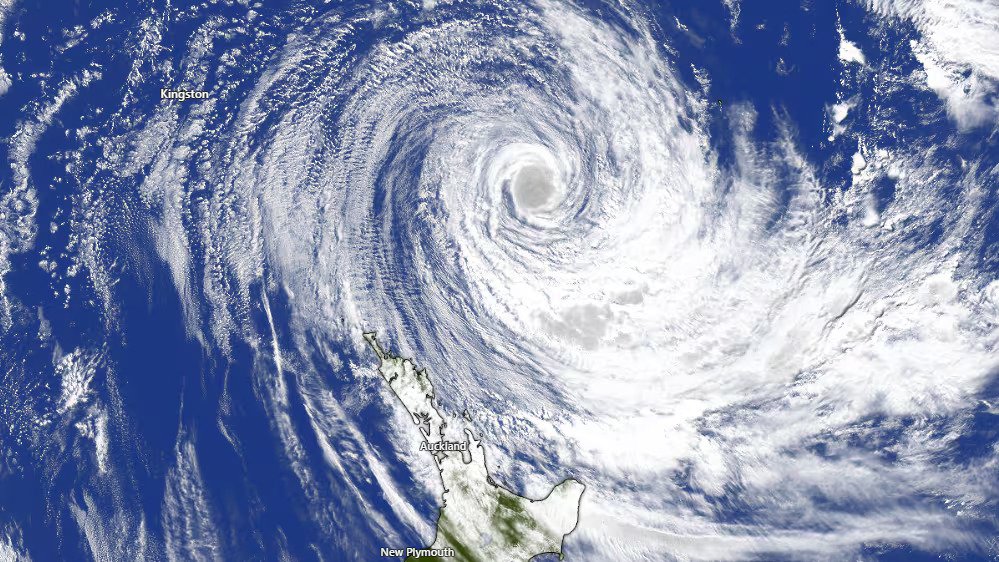
Thousands of residents across New Zealand’s North Island have been ordered to evacuate their homes as authorities prepare for the arrival of Cyclone Vaianu, a powerful storm expected to bring destructive winds, torrential rainfall, and dangerous coastal surges. Emergency officials warned that the cyclone could trigger widespread flooding, landslides, and infrastructure damage, prompting precautionary measures in vulnerable communities as the country braces for a potentially significant weather event.
Forecasts indicate that Cyclone Vaianu will reach the North Island on Sunday, carrying sustained winds of up to 130 kilometres per hour, with stronger gusts possible in exposed coastal and elevated areas. Meteorologists predict that the storm will then move southeast, passing west of the remote Chatham Islands by Monday. Weather authorities emphasise that the combination of heavy rainfall, strong winds, and saturated ground conditions increases the likelihood of flash floods and slope failures, particularly in regions already prone to geological instability.

Emergency declarations have been issued in several districts as local governments and national agencies mobilise response teams and activate contingency plans. In parts of Whakatāne, a coastal town located roughly 430 kilometres north of Wellington, evacuation orders were issued for residents living in high-risk areas vulnerable to storm surge and rising sea levels. Officials warned that waves could reach heights of up to 13 metres, posing a serious threat to coastal infrastructure and residential properties located near shorelines.
Local authorities have urged residents to leave early rather than wait for conditions to worsen, advising that evacuation may be required for at least two days while the storm passes through the region. Emergency shelters have been prepared to accommodate displaced families, with support services coordinating food supplies, medical assistance, and temporary accommodation. Disaster response teams are also monitoring river levels and drainage systems to reduce the risk of urban flooding caused by overwhelmed infrastructure.
Prime Minister Christopher Luxon cautioned that Cyclone Vaianu has the potential to cause significant disruption and urged citizens to take precautionary measures seriously. He encouraged households to secure loose outdoor objects, clear drainage systems, and prepare emergency kits including food, water, flashlights, and essential medicines. Authorities also advised residents to remain updated through official weather channels and avoid unnecessary travel during severe weather conditions.
The approaching cyclone has revived memories of Cyclone Gabrielle, which struck New Zealand in 2023 and resulted in loss of life, widespread displacement, and billions of dollars in damage. That disaster exposed vulnerabilities in infrastructure resilience and emergency preparedness, prompting government initiatives aimed at strengthening disaster response systems. Officials say lessons learned from previous storms have helped improve coordination between meteorological agencies, civil defence authorities, and local councils.
Meteorologists note that while tropical cyclones are relatively rare in New Zealand compared with countries closer to the equator, changing climate patterns may influence the intensity and frequency of severe weather systems affecting the region. Warmer ocean temperatures can provide additional energy for storm development, increasing rainfall intensity and wind strength. Scientists have highlighted that coastal communities may face greater risks in the coming decades as sea levels gradually rise and extreme weather events become more unpredictable.
Transport networks across the North Island may experience disruptions as precautionary closures are implemented on vulnerable roads and bridges. Aviation authorities are monitoring weather conditions closely, with the possibility of flight delays or cancellations depending on storm intensity. Power companies have also prepared repair crews to respond quickly to potential outages caused by falling trees or damaged power lines. Utility providers have encouraged residents to charge electronic devices in advance and prepare for temporary service interruptions.
Community organisations have begun assisting elderly residents and those with limited mobility to ensure they can evacuate safely if required. Volunteers are helping distribute sandbags in flood-prone areas while local emergency management teams continue to assess risks in real time. Schools in affected districts may remain closed as authorities prioritise public safety and minimise exposure to hazardous conditions.
Environmental experts warn that heavy rainfall associated with cyclones can increase sediment runoff into rivers and coastal waters, potentially affecting ecosystems and water quality. Agricultural sectors may also experience losses if farmland becomes flooded or crops are damaged by high winds. Farmers in exposed areas have been advised to secure equipment and relocate livestock to higher ground where possible.
Insurance providers are preparing for a possible surge in claims related to storm damage, with analysts noting that extreme weather events can impose significant financial strain on households and businesses. Previous cyclones have resulted in costly repairs to homes, roads, and public infrastructure, highlighting the economic impact of natural disasters beyond immediate safety concerns.

Government agencies continue to emphasise that early preparation remains the most effective way to reduce risk during severe weather events. Residents have been advised to assemble emergency supplies sufficient for several days, including drinking water, non-perishable food, batteries, and first-aid materials. Authorities also recommend keeping important documents in waterproof containers and establishing communication plans with family members in case of network disruptions.
As Cyclone Vaianu approaches, emergency services remain on high alert, closely tracking developments through satellite imagery and forecasting models. Officials stress that while not all regions may experience severe impacts, the unpredictable nature of tropical systems requires caution and readiness. The coming days will test the resilience of communities across the North Island as New Zealand once again confronts the challenges posed by powerful natural forces.
The response to Cyclone Vaianu reflects the country’s ongoing efforts to strengthen disaster preparedness and improve resilience against increasingly volatile weather patterns. With evacuation measures already underway and emergency systems activated, authorities hope that early action will help minimise harm and ensure the safety of residents in affected areas.
Related News:
 Evacuations Ordered as California Wildfires Spread Fast
 Queensland Braces for Potential Second Severe Cyclone Hit
 Storm Leonardo Triggers Election Delay Calls in Iberia
 Dozens of Flood Warnings in England After Days of Non-Stop Rain
 Aberdeen Chosen for GB Energy HQ at Marischal Square
 BRRRITAIN: Met Office Issues Yellow Weather Warning for More Snow
 Fast-moving Wildfires Rage Across Southwestern US
 Scotland’s Climate Plans Face Scrutiny Over ‘Science Fiction’ Targets
 Ocean Warming Drives Massive Marine Life Loss, Study Warns
 Tropical Flowers Shift Blooming Due to Climate Crisis
 UK Winter Nowhere Near a Record Breaker Despite Floods and Storms
 UK Records Warmest Day of the Year as Temperatures Exceed 18 °C
 Nine Killed in Karachi Consulate Protest
 Bodies of Two Chinese Backpackers Found in Floodwaters
 North Korea Fires Missiles Amid US-South Korea Drills
 UK Energy Reform Could Cut Bills by £200
 UK Records Earliest Spring as Nature Awakens Fast
 North Sea Drilling to Cut UK Imports Only Slightly
 Storm Dave Disrupts Travel but Conditions Set to Ease
 Victory or Compromise? Tehran’s Streets Erupt in Mixed Emotion Following Ceasefire
 Heavier SUVs Accelerate Britain’s Pothole Crisis
 UK Banks Granted Reprieve as BoE Delays Basel III Capital Rules Until 2028
 Singapore Corruption Scandal: Details Emerge on Iswaran’s Luxury Flight and Ties to Tycoon Ong Beng Seng
 Corfu Beyond the Crowds: Discovering Serenity in Southern Villages and Hidden Taverns
 Peter Andre Praises Son Junior’s ‘Quiet Season’ Amid Ongoing Family Dispute
 Massive 641-Mile Storm Set to Batter UK with 15 Hours of Rain and Strong Winds
 Jeremy Clarkson’s Pub: A Sunday Lunch Like No Other
 Scottish Government Mandates Single-Sex Toilets and Changing Facilities in Schools
 Reeves Faces Setback as Labour May Miss Homes Target
 Kate Winslet to Narrate Film Highlighting King’s Environmental Mission
 Trump’s UK Ambassador Urges North Sea Drilling to Strengthen US Ties
 UK Bans Fake Numbers: Scammers Lose Their Trick
 Vibe coding’ named Collins dictionary’s word of the year
BBC to Apologise Over Edited Trump Speech Amid Backlash
Vibe coding’ named Collins dictionary’s word of the year
BBC to Apologise Over Edited Trump Speech Amid Backlash
 Millionaires group urge Reeves to introduce wealth tax to ‘lift kids out of poverty’
 Reeves rejects £1bn plea for NHS redundancy payouts
 PM Condemns Leaks, Vows Loyalty to Ministers and Stability
 Phillipson Accused of Appeasing Unions by Diluting EBacc
 Saka Solidifies Role as Tuchel’s Key England Lieutenant
 Greene Pushes Epstein Files Amid Trump Fallout
 Zelenskyy Signs Fighter Jet Deal Amid Russian Drone Attacks
 Sundar Pichai Cautions on AI Hype and Market Risks
 Shadow Fleet at Sea: Europe’s Battle Against Illicit Oil Shipping
 Snow and Ice Cause Travel Chaos in North Yorkshire
 Director Michael Caton-Jones Reflects on Career and Beginnings
 Inside the Helpline Protecting Missing Children in the UK
 PlayStation PS5 Deals Hit Lowest Prices Ahead of Black Friday
 US Suspends Afghan Immigration After White House Shooting
 US Dollar Hits Four-Year Low Amid Market Turmoil
 AI breast screening cuts later cancer diagnoses by 12%, study finds
 Police Doubt Fugitive Dezi Freeman Survived Bushland
 South Africa’s Garden Route Gem Faces Looming Water Crisis
 Draft Severe Weather Plan Following Storm Flooding
 Most Statin Side-Effects Are Not Caused by Drugs, Study Confirms
 Australia’s Opposition Coalition Reunites After Rift
 Portugal Election Delivers Socialist Win as Far Right Surges
 Send spending gap leaves deprived areas behind
 Australian Families Leave Syrian Camp for Home
 Civil Service Pay: Union Urges Ministers to End ‘Barking Mad’ Limits
 How Do You Modernise Mango Farming? India’s Growers Urged to Innovate as Climate Change Hits
 UK Job Vacancies Hit Five-Year Pandemic Low
 UK Youth Unemployment Surges Amid Tax Changes
 Half of Britons Avoid GP When Ill, Survey Reveals Growing Concern
 Russian Trade Routed Through British Islands Exposed
 Stewart Brand on Musk, Bezos and a Life of Long Thinking
 Hilary Knight speaks out on Trump’s recent hockey remarks
 Mother Says ‘I Hugged My Daughter’s Killer’ as They Cried Together in Prison
 Penny Wong silent on Australian crew in sub strike
 Thousands Protest Iran Strikes Outside US Embassy London
 UK Oil and Gas Supplies Reassured Amid Middle East Concerns
 Trump Pressures Congress Over Save America Act
 Goma Drone Attack Kills Three as Conflict Escalates
 Queensland Protest Laws Spark Free Speech Backlash
 Social Media Giant Trial Reaches Final Jury Decision
 Oscars 2026: One Battle After Another Dominates Night
 Trump Nato threats expose Iran strategy vacuum
 Sri Lanka Sets Weekly Shutdown to Save Fuel
 Charity Watchdog Takes Control of Learning Disability Care Home
 NHS Satisfaction Rises for First Time Since 2019