
Published: April 13, 2026. The English Chronicle Desk.
The English Chronicle Online — Monitoring the tectonic friction of modern borders.
PARIS / LONDON — A seismic shift in UK border enforcement has left a lifelong Londoner stranded in France, marking the first major “human-centered” fallout of the Home Office’s newly enforced Electronic Travel Authorisation (ETA) regime. The traveler, a dual British-French national, was denied boarding at Gare du Nord this morning after being told his French passport—historically sufficient for entry—is no longer a valid “Iron Horse” for returning home. Under the system update that came into full effect on February 25, 2026, dual nationals must now present a valid British passport or a “Certificate of Entitlement” to board UK-bound transport.

For thousands of “naturalized” Londoners who have spent years traveling on their original EU or US passports, this unprecedented rule change has created a “vile” logistical nightmare. The stranded Londoner described the experience as a “technical glitch” in his very identity, finding himself in a holding pattern in Paris while his life, job, and family remain across the Channel.
The Science & Technology of the UK’s digital border is now strictly “unfiltered,” removing the “remarkable wisdom” of discretion previously shown by carriers.
The ETA Trap: While foreign visitors can apply for a £10 ETA, British dual nationals are ineligible for the digital permit. This creates a seismic paradox: they are too “British” for an ETA but cannot prove it without the correct “Iron Horse” documentation.
Carrier Liability: Airlines and Eurostar staff are now under tectonic pressure to refuse boarding to anyone without a UK passport, fearing “market shock” fines from the Home Office for transporting “undocumented” citizens.
The Certificate Hurdle: The only alternative—a Certificate of Entitlement—costs a significant £589, a “vile” price point that many argue acts as a “logistical friction” tax on dual citizenship.
The Life & Society impact is most acutely felt by those who have lived in London for decades but never felt the “significant and poignant” need to apply for a physical British passport.
Post-Brexit Fallout: Many EU nationals who naturalized after 2016 are only now discovering this system update, leading to “unprecedented” scenes of frustration at international check-in desks.
Economic Disruption: For business travelers, being stranded is more than a “bum note”; it is a market shock to their professional reliability and a “logistical friction” for their employers.
The Family Strain: Reports are emerging of families being split at the border, with children holding UK passports allowed through while parents are left in a holding pattern on the platform.
As the World holds its breath for a potential government softening, advocacy groups are demanding a remarkable transitional period, similar to the “special authorizations” used in Canada.

Emergency Measures: Campaigners are calling for a “toll-free” emergency travel document for stranded citizens to resolve the seismic backlog at embassies.
Communication Failure: Many argue the “unfiltered” rollout lacked the remarkable wisdom of a public awareness campaign, leaving citizens to discover the rule change during “significant and poignant” life events like funerals or work trips.
Digital Integration: Future Science & Technology updates may link dual-national status directly to foreign biometric passports, but until then, the “logistical friction” remains absolute.
“I’ve lived in London for 20 years, paid my taxes, and built a life,” the stranded traveler stated with unfiltered anger. “To be told I’m ‘not British enough’ to board a train home because of a technical glitch in paperwork is a seismic insult.”
Related News:
 Last‑ditch Call to Save Police Front Counters in London
 Met Police Resume Arrests for Palestine Action Supporters
 Holyrood Campaign ‘In Meltdown’ as Fifth Reform UK Candidate Quits
 US Lawmaker Demands Testimony Over Sarah Ferguson’s ‘Close Epstein Ties’
 The Last of the Lords: Two Hereditary Peers to Retain Ceremonial Roles Amid Historic Ousting
 Global Crisis: Marco Rubio Convenes Emergency G7 Meeting as Iran Conflict Escalates
 ‘My Daughter is Under the Rubble’: The Human Cost of the Tehran Strikes
 ‘An Evil Man is Dead’: Australian Fugitive Dezi Freeman Shot Dead After 216 Days
 ‘Eye in the Sky’ Blinded: Photos Reveal Destroyed US Radar Jet at Saudi Base
 ‘Full and Immediate Access’: Netanyahu Reverses Palm Sunday Ban on Latin Patriarch
 Power Grab: Myanmar Junta Chief Min Aung Hlaing Nominated as President
 ‘I Dread the Phone Ringing’: Inside the Kennels on the Frontline of Britain’s XL Bully Crisis
 ‘Seismic Change’: How Nationalist Wins in Celtic Nations Could Reshape the UK
 Tasers Introduced in UK Prisons to Combat Rising Violence and Protect Staff
 Police Advised to Disclose Ethnicity of Suspects in High-Profile Cases
 Sally Rooney Pledges BBC Royalties to Support Palestine Action Despite UK Terror Ban
 Angela Rayner Faces Scrutiny as Stamp Duty Row Deepens
 Tanni Grey-Thompson Faces Abuse Over Opposition to Assisted Dying Bill
 First “One In, One Out” Deportation Flight Departs Without Migrants Amid Legal Challenges
 Corbyn and Sultana Clash Over Membership Portal as Divisions Surface in New Leftwing Party
 Mahmood Pledges Reform of Modern Slavery Laws After Court Blocks Deportation Appeal
 Migrants in UK May Need to Contribute or Face Removal, Home Secretary Signals
 Jailed Georgian Opposition Leaders Warn UK of Iranian Links to Ruling Party
 Digital ID Plans Ignite Debate Over £600m Treasury Tax Boost and Privacy Concerns
 Lucy Powell urged ministers to reconsider costly legal case for Labour donor’s firm
 Johnson Approved China’s London ‘Super-Embassy’ in 2018
 French Taxi Driver Cleared in David Lammy Theft Case After Fare Dispute
 Major Rent Reform Ends No-Fault Evictions in England
 Peers Flood Assisted Dying Bill with 942 Amendments
 UK Asylum Overhaul Sparks Debate Over Human Rights and Deportations
 Mahmood Defends Tough Overhaul of UK Asylum System
 Peers Get Extra Time to Debate Assisted Dying Bill
 Plans to Limit Jury Trials Face Retreat After Mounting Opposition
 Starmer tariffs stance rejects US trade retaliation
 Emails Show Epstein Funded Mandelson’s Husband After Jail
 Police Probe Mandelson Over Alleged Epstein Leak
 Motorists Could Face ‘Mandatory’ Driving Ban for Road Offences Under Tougher Laws
 Disability and LGBT Hate Crimes Set to Become Aggravated Offences
 Civil Service Pay: Union Urges Ministers to End ‘Barking Mad’ Limits
 How Much Could Andrew’s Arrest Hurt the Royal Family?
 Schools in England to Get Budget for Children with Special Needs as Part of SEND Overhaul
 Sadistic Pair Jailed for Blowing Up Sheep
 Grave of Murdered Toddler James Bulger Vandalised
 Labour MP’s Partner Arrested on Suspicion of Spying for China
 Manchester Students Mourn Ayatollah Amid Protest
 Police Scotland Pays £8m Compensation to Staff
 Proposed Law Leaves Gap for Children of Convicted Paedophiles
 Gran Vows to Shield Huntley’s Daughter From Soham Killer’s Funeral
 Labour Faces Backlash Over Conscription Warning
 SNP Health Secretary Criticised Over NHS Failures Locally
 Hereditary Peers to Lose Seats in House of Lords
 Jobless Man on £15k Benefits Accused of Hurling Abuse at Anti-Migrant Demo
 Rapist Caught After Victim Calls Police Mid-Attack

 Mandelson’s Phone Messages Requested in Files Release
 Families Tortured by Authorities During Investigations Inquiry Told
 Watchdog Probes Police Handling of Andrew Tate Abuse Claims
 ‘Teenage Me Could Not Have Imagined This’ Says First Female Archbishop
 Dawn Raids in Scotland and Spain: Eight Arrested in Major Organised Crime Sting
 Trust in Turmoil: Just Eat and Autotrader Among Firms Probed Over Fake Reviews
 ‘No Surprise’: Ramaphosa Downplays South Africa’s Exclusion from Emergency G7 Summit
 Child Focus Is Biggest Change to Family Courts in 30 Years, Senior Judge Says
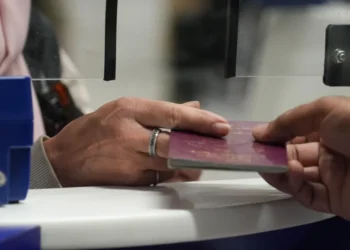 Woman Deported from China Over Manx Passport Mix-Up
 ‘I Was Naive,’ Says Minister Who Quit Over Labour Together Claims
 How the King Became the Jewish Community’s Greatest Ally
 No, the RNLI is Not a ‘Taxi Service’ for Migrants – I Would Know
 ‘Policing Streets, Not Tweets’: Mahmood Scraps Non-Crime Hate Incidents
 ‘Ghost Offences’: Data Reveals No Children Charged with New ‘Adult Crime’ Laws in 11 Years
 The $100 Billion Peace: Trump’s ‘Grand Bargain’ Ends Iran Conflict at a Staggering Cost
 Heartbreak in Bournemouth: The Tragic Death of James Blanch
 The Changing Face of Georgia: Trump-Backed Clay Fuller Wins Election
 Rebranded or Reclaimed? Seized Tate Assets to Fund Domestic Abuse Support
 The Victim-Blame Loop: When Protection Orders Backfire
 Paws on the Wheel: Driver Facing Fine After Dog Photographed on Lap
 The Miracle of Phoenix: ‘Half Dead’ Rescue Dog Defies the Odds in Worcestershire
 A Gentle Light Extinguished: Tributes Pour in for Sister Genevieve After Fatal Newport Collision
 The Courtroom Clash: Couple Denies Charges in Alleged Racially Motivated Assaults
 Faith and Friction: Church Officer Branded a ‘Satanist’ After Flagging Safeguarding Risks
 Near-Miss Tragedy: 11-Year-Old Injured After Found Gun Discharges
 Mass Arrests at London Palestine Protest Spark Debate