Published: 22 September 2025. The English Chronicle Desk
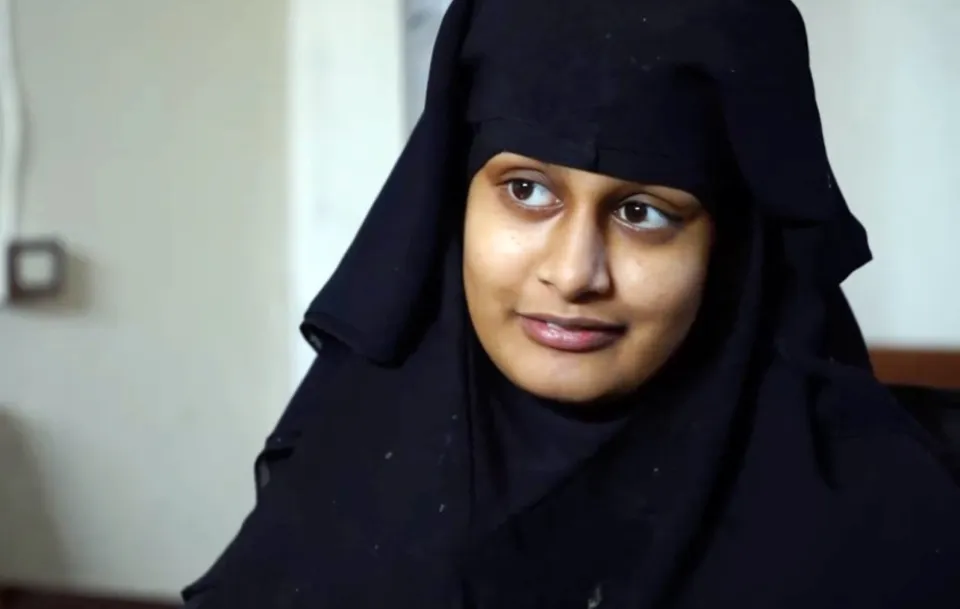
Anyone who mentions having met Shamima Begum often faces one of two immediate reactions. On one side, people insist, “She was just a schoolgirl, only 15, and she was groomed.” On the other, there are those who argue, “She got what she deserved; she’s a terrorist, and we don’t want her back here.” As someone who has followed her story closely, I have found myself torn between these opposing perspectives, each vying for dominance in my own mind.

Meeting Shamima again earlier this month offered a rare, firsthand glimpse that transcended public debate and partisan opinions. Arriving at the al-Roj camp in northeast Syria, she appeared thin and drawn, her eyes sunken. At 26, she retains traces of adolescent naivety, yet it is clear that she is frustrated and angry at her ongoing detention. Every legal effort she has made to reclaim her UK citizenship has so far been unsuccessful.
Shamima’s demeanor shifted noticeably when I began asking straightforward questions. When I inquired about the possibility of returning home, she repeatedly responded with a curt “no comment.” At times, she seemed to demand something from the world, as if it owed her an answer or a reprieve despite the choices she had made. Her frustration was palpable, and as she abruptly stormed out of the meeting, I was left oscillating between seeing a woman who had lost all hope and witnessing someone behaving like a petulant teenager throwing a tantrum.
The situation for Shamima and thousands of other foreign-born former ISIS brides in al-Roj is grim. There is no defined end to their “sentence,” a circumstance that, according to one detainee, is “driving women mad.” Many of those detained at al-Roj have been there since 2019, when US, British, and coalition forces finally defeated ISIS.
Despite the challenging circumstances, it would be incorrect to claim that Shamima has lost her mind. The more pressing reality, however, is that she and other detainees—both British and foreign—cannot remain in Syria indefinitely. As highlighted by the administration of former US President Donald Trump, it may be time for Western nations to take responsibility for their former citizens. Practically, no other country is willing to take them, and morally, Britain cannot abdicate its responsibility.
Shamima Begum was born and raised in the UK. This fact alone underscores a critical point: as a nation, Britain cannot unilaterally decide whether someone is truly British. The same principle applied in cases like that of the convicted pedophile Gary Glitter, whose citizenship could not be revoked despite heinous crimes committed abroad.
Whether viewed as a misguided youth or a dangerous adult, the principle remains: if someone is British, the nation bears responsibility for them. It is a responsibility that applies regardless of whether the individual is a hero or among the worst kinds of villains.

Shamima’s story remains polarizing, and her future is uncertain. Yet the encounter at al-Roj reinforced a crucial truth: while public opinion may swing between condemnation and sympathy, the responsibility of the state toward its citizens is immutable, and Britain must eventually reckon with the implications of its former ISIS bride still living in detention thousands of miles from home.
Related News:
 Two Decades Since 7/7: King Charles III Leads Nation in Honouring Victims of London’s Deadliest Terror Attack
 Terror Probe Launched After Man Allegedly Shouts “Allahu Akbar” and “Death to Trump” on EasyJet Flight
 Deadly Strike as Russian Missile Hits Ukrainian Training Unit and Causes Multiple Casualties
 Security Breach Deepens at RAF Brize Norton as Terror Arrest Follows £7 Million Aircraft Vandalism
 Hitler-Inspired Teen’s Mosque Terror Plot Foiled After Fake Conversion to Gain Trust
 Trump Appears Sidelined as Israel’s Unprecedented Strikes Hit Qatar
 Curfew Imposed in Ladakh as Statehood Protests Escalate into Violence
 Suspected Terror Attack at Manchester Synagogue Leaves Two Dead, Armed Response Ongoing
Six Minutes of Terror: How Manchester Synagogue Attack Unfolded
Suspected Terror Attack at Manchester Synagogue Leaves Two Dead, Armed Response Ongoing
Six Minutes of Terror: How Manchester Synagogue Attack Unfolded
 Manchester Synagogue Attack: A Community Shaken on Yom Kippur
 Facing the Challenge of Islam in Britain Today
 Mass Stabbing on Doncaster to London Train Leaves Ten Injured
 Shook the ground under my feet: Panic as car blast hits near Delhi’s Red Fort
 Mali’s Daily Life Cripples Under Jihadists’ Fuel Blockade
 Night after night, Belgium is on high alert.
 Ten years after Bataclan, France faces reminder of persistent extremism
 Hamas Fighters in Gaza Tunnels Stall Ceasefire Progress
 Fog Aids Russian Forces in Deep Push into Pokrovsk
 Delhi Car Blast Kills Eight, Declared Terror Incident
 Indian Police Probe Kashmir Links in Delhi Red Fort Blast Case
 Meny Godard Identified as Israeli Hostage Body Returned by Hamas
 Bataclan Anniversary: France Remembers but Jihadist Danger Lingers
 Israel Confirms Returned Hostage as Meny Godard
 Delhi Car Bomb Arrest: Suspect Linked to Deadly Attack
 Man Charged Over Attempted Murder of Senior Officer
 Video shows Israeli troops kill Palestinians after surrender
 Man Arrested Over Manchester Synagogue Terror Attack
 Kidnap Gangs, Jihadists and Separatists Plague Nigeria