Published: 30 September 2025. the English Chronicle Desk
Camping on the Greenland Ice Sheet is a journey into one of the most extreme and awe-inspiring environments on Earth. Stretching across 80% of the world’s largest island, this vast expanse of ice offers an adventure unlike any other, where the sun barely dips below the horizon in summer, and the landscape is in constant motion, shaped by shifting ice and hidden crevasses. For those who seek to explore the farthest edges of the planet, an overnight stay on the ice presents both a physical challenge and an opportunity to witness the raw beauty of the Arctic.
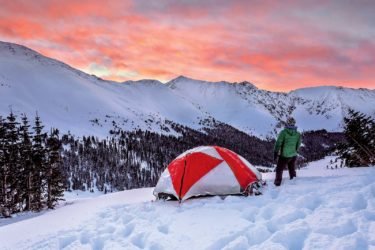
The expedition begins with careful preparation. Crampons dug into the ice, I hauled a heavily laden sledge up ridge after icy ridge, the whiteness extending endlessly to the horizon. Our guide, Carl, led the group to a rare dip in the ice that provided some shelter from the relentless Arctic wind. Here, we pitched tents, securing them with ice pegs to withstand the gusts that could otherwise sweep them away. As I paused to absorb the vastness of the Camping on Greenland’s Ice Sheet Greenland Ice Sheet, I realized the extraordinary nature of the experience: a landscape virtually untouched by human habitation, yet full of history and scientific importance.

Greenland, long a remote island administered by Denmark, is gradually opening to tourism. New flight routes now link this icy land to the wider world, allowing adventurous visitors to step onto the ice. The journey typically begins in Kangerlussuaq, a small town in western Greenland. A 35-kilometer dirt road, originally constructed by Volkswagen in 1999 to test vehicles under extreme winter conditions, leads to the edge of the ice sheet. Today, as the ice has receded, travelers must hike about one kilometer from the road’s end to reach the sheet itself, transitioning from tundra to mud and fragmented ice before stepping onto the frozen expanse proper.
The Greenland Ice Sheet is second only to Antarctica in size, yet its scale remains staggering. It stretches across 1.7 million square kilometers, reaching up to three kilometers in thickness. Its mass is so immense that it has pressed much of Greenland’s bedrock below sea level. Scientists have dated some basal ice and sediments to over two million years old, making parts of the sheet older than humanity itself. Its immense size and harsh conditions mean that travel without a qualified guide is impossible, and overnight camping is offered by only a handful of specialized companies, such as Albatros Arctic Circle.
Before our journey, our group of six underwent a full briefing and gear inspection. Standing at the ice’s edge, staring at meltwater rivers carving deep channels through the surface, awe replaced nerves. The landscape, though frozen and seemingly barren, teems with geological and historical significance. Human presence on Greenland has always been coastal; the interior remained uninhabited until Norwegian explorer Fridtjof Nansen completed the first documented crossing in 1888. Today, the ice sheet continues to be monitored by remote scientific stations, which track its movement, melting patterns, and broader climate impacts.
Camping on the ice involves confronting the Arctic’s unforgiving conditions firsthand. Nights are long and cold, the silence only broken by the distant groan of shifting ice. Yet, the reward is unparalleled: uninterrupted vistas of white expanses, glacial rivers glittering in the weak light, and the realization that one is standing atop a structure of ice older than civilization itself. It is a humbling experience, highlighting both the fragility of human existence and the endurance of nature over millennia.
While Greenland is gradually attracting more visitors, the ice sheet remains a domain of adventure for the prepared and the brave. Each step on the ice, every tent pegged into the frozen surface, and every glimpse of the sprawling Arctic wilderness reminds travelers of the power, beauty, and enormity of this remarkable landscape. Camping here is not merely a trip; it is an immersion into the story of our planet, a chance to witness an environment largely untouched and to walk across a terrain that has survived for millions of years, silently recording the passage of time and human history.

In an era when extreme tourism is increasingly sought after, Greenland offers a rare opportunity to step beyond the familiar and into a world defined by ice, wind, and silence. It is a journey of endurance, discovery, and wonde—a testament to both human curiosity and the awe-inspiring scale of the natural world.
Related News:
 Tragedy at Southend Airport: Passenger Plane Crashes in Fiery Disaster Shortly After Takeoff
 Naoshima, Japan’s Island of Art Transforms Into Asia’s Cultural Crown Jewel
 Epic Journeys Through Time and Terrain: Holidays That Inspire, Dazzle and Excite
 British teen mistakenly takes wrong flight from Menorca airport and lands in Italy
 The Soul of the Shoreline: Why Beach Huts Are More Than Just Wooden Boxes
 Italians Abandon Private Beaches Amid Rising Rental Costs and Economic Pressures
 Manchester Airport Faces Delays After EasyJet Planes’ Wings ‘Clip’ on Runway
 Access to Iconic Cornish Beach Cut Off by National Trust Amid Safety Concerns
 Corfu Beyond the Crowds: Discovering Serenity in Southern Villages and Hidden Taverns
 Bank Holiday Getaway: Drivers and Rail Passengers Warned of Major Delays Across Britain
 The Ultimate Packing Hack Every Traveller Needs to Know
 Cruise Passengers Warned to Leave Certain Items at Home or Risk Being Barred from Boarding
 Vietnam Unveils £9.5 Billion Mega Airport, Set to Rival Global Hubs
 Lisbon’s Historic Funicular Turns to Tragedy: The Elevador da Glória Derailment
 Sycamore Gap Tree Confirmed to Be Over a Century Old, Scientists Reveal
 Stirling Named UK’s Cheapest Travel Destination as Visitors ‘Step Back in Time’
 Kashmir: Nature’s Splendid Masterpiece Shaped by Climate
 Storm Amy set to disrupt travel across UK with winds reaching 95mph
 New EU Border System Could Cause 4-Hour Delays
 Travel Chiefs Warn Budget May Price Out Holidaymakers
 Tragedy on Lizard Island: Cruise Passenger Dies
 UK launches search for first-ever ‘town of culture’ to highlight overlooked areas
 UK Charters Emergency Flights to Evacuate Britons from Jamaica
 Is Carbis Bay Hotel the Best Stay on North Cornwall’s Coast?
 The Lowry Hotel: Manchester’s Iconic Five-Star Retreat
 World Whisky Tour: 9 Global Gems
 Shouting Works Best to Deter Gulls, UK Study Finds
 A Local Chef’s Guide to Iconic Boston Clam Chowder
 Thai King Embarks on Historic China Visit After 50 Years
 The Unexpected Culinary Trail Inspired by elBulli
 Canadians Stay Home as US Travel Declines Amid Tensions
 Chatsworth estate opens new family-friendly hotel
 Snow and Ice Warnings Affect Scotland and Northern England
 Seven Countries, One Winner: Europe’s Best Christmas Market
 Arctic Blast Hits UK as Snow and Ice Warnings Trigger Travel Disruption
 Night Bus Crash in Cambodia Kills 16
 Clifftop Lodges Spark Fears Over Jurassic Coast Stability
 The 20 best Christmas markets in the UK, from Bath to Edinburgh
 These are the best Airbnb cottages in the UK for getaway inspired by The Holiday
 Scotland Gains 33 New Towns – Life in Growing Communities
 A Colourful Cultural Escape in Mexico’s Querétaro
 Search underway for British man overboard off Tenerife
 Top Hotels in Edinburgh for an Unforgettable Stay
 7 Travel Trends Set to Shape 2026 Adventures
 £140m revamp of Cardiff Central station approved
 IndiGo Cancels Hundreds of Flights Amid Pilot Shortages