Published: 02 October ‘2025. The English Chronicle Desk
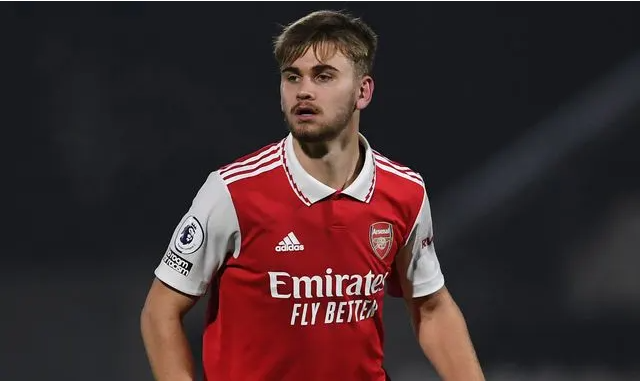
Martin Ødegaard’s commanding display in Arsenal’s 2-0 Champions League triumph over Olympiacos on Wednesday has firmly cemented his status as one of the Gunners’ most pivotal players this season. The Norwegian midfielder, who has endured a challenging start to the campaign due to a shoulder injury, demonstrated his creativity, vision, and technical brilliance, contributing directly to both goals scored by Gabriel Martinelli and Bukayo Saka. Manager Mikel Arteta has praised the 26-year-old, noting that the midfielder now enjoys “total freedom” to express himself on the pitch—a freedom that has allowed him to unlock defenses and dictate the tempo of play with remarkable flair.
Arteta, speaking after the match, highlighted Ødegaard’s natural ability to generate attacking opportunities in ways that few players can emulate. “I think that creativity is his nature,” the Spaniard remarked. “It doesn’t bring any pressure to him as it is his best ability to generate things that not a lot of players can do. He has my total freedom from my side to explore and take risks and to feel the movement in how he generates spaces—and he has done that the last two games.”

The midfielder’s performance against Olympiacos was a vivid reminder of his unique skill set. He was intricately involved in both goals, seamlessly linking play through the midfield, threading precise passes, and finding pockets of space that allowed Martinelli and Saka to finish with composure. His vision and decision-making in the attacking third highlighted his ability not only to create opportunities but to orchestrate the overall rhythm of the team’s play.
Ødegaard’s season, however, has not been without its setbacks. The midfielder first sustained a shoulder injury during Arsenal’s commanding 5-0 Premier League victory over Leeds. He subsequently aggravated the same shoulder when he fell awkwardly following a challenge in the first half of the club’s win over Nottingham Forest. These injuries sidelined him for three critical matches, leaving a gap in Arsenal’s midfield that was felt keenly by teammates and supporters alike.
Despite these challenges, Ødegaard returned to action as a substitute in Arsenal’s dramatic 2-1 Premier League victory over Newcastle on Sunday. His influence was immediately apparent, as his incisive passing and relentless attacking drive were central to the team’s comeback. Notably, he delivered the stoppage-time corner that allowed defender Gabriel to head in the decisive goal, securing all three points at St James’ Park. This pivotal contribution illustrated the midfielder’s ability to impact games not only through open play but also through set-piece situations, further underlining his all-encompassing influence.
Arteta’s decision to grant Ødegaard “total freedom” appears to be a deliberate strategy to harness the midfielder’s creativity without constraining his natural instincts. In modern football, the balance between structure and freedom is delicate, particularly for central midfielders who act as both creators and organizers. By removing strict positional limitations, Arteta has empowered Ødegaard to read the game, exploit spaces, and make split-second decisions that can change the outcome of matches.
The impact of this managerial trust is evident not only in Ødegaard’s individual performances but also in Arsenal’s overall attacking fluidity. The Norwegian’s presence allows other key players to thrive, as his ability to draw defenders and create passing lanes opens up opportunities for wingers, forwards, and overlapping full-backs. Martinelli and Saka, who scored in the Olympiacos match, benefited directly from Ødegaard’s movement and incisive deliveries, exemplifying how one player’s freedom can elevate the collective performance of the team.
Statistical analysis of Ødegaard’s performances over the last two games reinforces this narrative. His pass completion rate in the attacking third has improved significantly, while his progressive runs and key passes per match have increased, reflecting his proactive involvement in Arsenal’s forward play. These metrics not only quantify his influence but also illustrate the broader tactical shift under Arteta’s guidance, in which creativity and risk-taking are actively encouraged to exploit opposition vulnerabilities.
Beyond his technical and tactical contributions, Ødegaard’s leadership and composure on the field have been notable. Returning from injury often comes with uncertainty and a cautious approach, yet the midfielder’s confidence and willingness to take responsibility in crucial moments demonstrate both his resilience and his importance to the squad. Young players in particular can draw inspiration from his work ethic and ability to perform under pressure, reinforcing his role as a key figure in the club’s developmental and competitive objectives.
The broader implications of Ødegaard’s form are significant for Arsenal as they navigate both domestic and European competitions. Champions League group stage matches, in particular, demand creativity, adaptability, and the ability to exploit narrow margins—qualities that Ødegaard exemplifies. His capacity to influence the game across multiple dimensions—passing, movement, set-pieces, and leadership—makes him an invaluable asset as Arsenal seeks to assert itself on the continental stage.
Fans and pundits alike have noted the transformation in Ødegaard’s game since he returned from injury and received full creative license. Social media platforms were flooded with praise following the Olympiacos victory, highlighting his vision, technical skill, and game intelligence. Many observers suggested that his performances could redefine Arsenal’s attacking identity, particularly in European competitions where strategic ingenuity and unpredictability are often decisive.
This period of resurgence also raises questions about how Arteta will continue to manage Ødegaard’s fitness and form over the course of a long season. Balancing playing time with recovery and injury prevention will be crucial, particularly given the physical demands of Premier League and Champions League fixtures. The manager’s approach of granting freedom while carefully monitoring workload may serve as a blueprint for integrating other creative players, ensuring that the team maintains its attacking dynamism without compromising durability.

Ultimately, Ødegaard’s recent displays reaffirm why he is regarded as one of the most talented midfielders in European football. His combination of creativity, intelligence, and technical excellence, now fully unleashed under Arteta’s guidance, has made him indispensable to Arsenal’s tactical plans and aspirations. The Norwegian’s ability to influence games, inspire teammates, and consistently deliver in high-pressure situations will likely be a defining factor in Arsenal’s pursuit of success in both domestic and continental competitions this season.
As Arsenal continues its campaign, Ødegaard’s performances serve as a reminder of the impact that individual talent, when paired with managerial trust and tactical freedom, can have on a team’s fortunes. His resurgence also underscores the importance of resilience, determination, and strategic management in modern football, illustrating how challenges such as injury setbacks can be transformed into opportunities for growth, creativity, and decisive influence on the pitch.
Related News:
 Predicted Leicester Line-ups Reflect Cifuentes’ Tactical Plans Ahead of New Season
 Lionesses Return in Glory with an Open-Top Parade, Spark National Pride and Rewrite the Future of Women’s Football
 Central London Gears Up for Lionesses’ Victory Parade as Thousands Prepare to Celebrate Historic Women’s Euros Win
 London Set to Honour Euro 2025 Champions as Lionesses Take Victory Parade Through the Capital
 Rangers Boss Russell Martin Launches Blistering Critique After Disappointing Draw with Motherwell
 Ngumoha Shines Bright as Liverpool’s Future Looks Fiercely Promising
 Minute’s Silence for Diogo Jota Abruptly Ended After Wembley Tribute Disrupted
 Premier League Supercomputer Predicts Tough Season for Man Utd Amid Three-Team Title Battle
 Diogo Jota’s Empty Seat at Liverpool: A Symbol of Grief, Inspiration, and Duty
 Aston Villa Under Pressure as Newcastle Take on Hosts in Premier League Opener
 Isaac Price Shines as West Brom Clinch 3-2 Victory at Wrexham’s Championship Return
 Tottenham Make Three Changes as Spurs Prepare to Host Burnley in Premier League Opener
 FIFA Eyes Biennial Club World Cup from 2029, Plans Possible Expansion
 European Football: Atlético Madrid Stumble at Espanyol as Vitinha Secures PSG Win
 Leeds Mark Premier League Return with Gritty Win Over Everton
 Arsenal Move to Secure Eberechi Eze, Outpacing Tottenham
 Mateta’s Strike Gives Crystal Palace First-Leg Edge in Conference Playoff
 British Paralympians Accused of Disrespect After Turning Backs During Israeli Anthem
 Ruby Tui Emerges as the BBC Rugby Pundit Fans Never Knew They Needed
 Grimsby Stun Manchester United in Dramatic Penalty Shootout
 Club Brugge Crush Ten-Man Rangers to Deepen Russell Martin’s Crisis
 Guardiola Admits City ‘Forgot to Play’ After Shock Defeat to Brighton
 Morgan MacRae: From 17 Minutes Dead to Returning to Rugby in Six Weeks
 Serbia Humiliated 0-5 by England in World Cup Qualifier
 Fábio Carvalho’s Last-Minute Heroics Deny Chelsea Victory at Brentford
 Tottenham Cruise to 3-0 Victory Over 10-Man West Ham in London Derby
 Terence Crawford Shocks Canelo Álvarez to Claim Undisputed Super-Middleweight Crown
 Guardiola Faces Criticism for Defensive Approach in Manchester City’s Clash with Arsenal
 England Must Stay True to Their Style Ahead of Women’s Rugby World Cup Final: Lessons from 1991
Liverpool Vs outhampton Set for Carabao Cup Clash at Anfield
England Must Stay True to Their Style Ahead of Women’s Rugby World Cup Final: Lessons from 1991
Liverpool Vs outhampton Set for Carabao Cup Clash at Anfield
 Chelsea Survive Lincoln City Scare to Advance in Carabao Cup
 Aston Villa Edge Bologna as Europa League Campaign Kicks Off
 Tottenham Salvage Point with Stoppage-Time Palhinha Strike Against Wolves
 Arsenal VS Newcastle Hearts with Dramatic Late Turnaround at St James’ Park
 Aston Villa Fight Back to End Winless Run with Convincing Victory over Fulham
 Everton Held by West Ham as Bowen Cancels Out Keane’s Header in Nuno’s First Game
 Tragic Death Strikes Half-Marathon in Stoke-on-Trent: Runner Dies Shortly After Crossing Finish Line
 Postecoglou Stands Firm Amid Mounting Forest Fan Frustration
 Tuchel Criticises ‘Silent Wembley’ After England Win
 Kane’s Double Seals England’s World Cup Qualification
 Ronaldo’s Record Not Enough as Hungary Hold Portugal
 Fulham vs Arsenal Trossard Strike Sends Gunners Three Points Clear
 Ange Postecoglou’s Naivety Premier League Misadventure Ends
 Arsenal vs Atlético Madrid,Gyökeres Double Secures 4-0 Champions League Victory
 Barnes Inspires Newcastle to Champions League Triumph Over Benfica
 Gibbs-White Inspires Forest to Thrilling Win Over Porto
 Go Ahead Eagles Shock Aston Villa as Buendía Misses Late Penalty
 Aaronson and Rodon Punish West Ham as Leeds Claim Victory
 Manchester United triumph as Mbeumo brace seals thrilling win
 Fabio Wardley stuns Joseph Parker to earn Usyk title shot
 Tottenham shine at Everton but Frank wary of title push
 Brentford Dominate Grimsby in Carabao Cup, Collins Seals 5-0 Triumph
 Lecomte Shines as Fulham Edge Wycombe in Nervy Carabao Cup Win
 Sarr Double Sinks Young Liverpool in Carabao Cup
 Nwaneri and Saka Secure Arsenal Win Over Brighton
 Woltemade Hot Streak Fires Newcastle Past Spurs
 Salah & Gravenberch Lead Liverpool to Win Against Villa
 Dyche Criticises Corner Decision as Forest Draw with United
Caicedo Shines as Chelsea Edge Spurs in Chaotic Derby
Dyche Criticises Corner Decision as Forest Draw with United
Caicedo Shines as Chelsea Edge Spurs in Chaotic Derby
 Granit Xhaka Rescue Earns Everton Draw at Sunderland
 Liverpool Edge Real Madrid 1-0 in Champions League Thriller
 Burn and Joelinton Head Newcastle to Victory Over Bilbao
 Foden shines as Man City dismantle Dortmund in dominant display
 Garnacho Spares Chelsea From Shock Champions League Loss in Baku
 Tension and Turmoil at Aston Villa v Maccabi Match
 Bellingham has ‘the edge’ among England No 10s
 Man City Masterclass on Guardiola’s Milestone Day Exposes Liverpool Woes
 Lando Norris Dominates Brazil GP to Strengthen F1 Title Bid
 England cannot afford to be in awe of the All Blacks, warns Jamie George
 VAR Must Rein Its Neck In to Save Football’s Spirit
 Trescothick Hints Pope Will Keep Number Three Spot
 Ronaldo Confirms Final World Cup and Plans Retirement
 Mary Earps’s Manchester United Return Faces Mixed Reception
 Sam Kerr Stars in Chelsea Return with Champions League Double
 This kid is something else: Alex Scott’s rise to England call-up
 Former Lion Heskey Warns of Shortage of England Strikers
 Moyes Defends Gueye After Dramatic Everton Bust-Up
 Jac Morgan to Miss Six Nations Start After Surgery
 Alexander Isak ends drought as Liverpool stop rot with win at West Ham
 Mbappe rescues Real Madrid with a penalty at Girona