Published: ২৭ October 2025. The English Chronicle Desk. The English Chronicle Online.
Prince Andrew is reportedly prepared to leave Royal Lodge, the 30-bedroom mansion he has long called home, but only on the condition that he secures Frogmore Cottage, the former residence of Prince Harry and Meghan Markle. The move comes amid growing public and political pressure following renewed scrutiny over Andrew’s controversial links to Jeffrey Epstein, which have fueled calls for him to vacate the property immediately.
According to sources close to the Prince, Andrew and his former wife, Sarah Ferguson, have negotiated an arrangement: Andrew would relocate to Frogmore Cottage, while Sarah would move to Adelaide Cottage, which the Prince and Princess of Wales are expected to leave next month. “No one is really sure how it’s going to go down at the Palace yet,” a friend of the couple told The Sun. “Andy is willing to leave, but these are his demands. He is realistic and knows the writing is on the wall and that his time at Royal Lodge is up. If he must go then he has asked for Frogmore Cottage.”

Andrew has faced a mounting wave of criticism in recent weeks, particularly following the posthumous memoir of Virginia Giuffre, which renewed public attention on the allegations surrounding his association with Epstein. While Andrew continues to strenuously deny all claims, the memoir’s publication has intensified calls for accountability, both within the royal family and among political figures. The scrutiny has coincided with growing media coverage and public debate about the appropriateness of Andrew’s continued residency at Royal Lodge.
Adding to the controversy is the revelation that Andrew has not paid rent on Royal Lodge for over two decades. Reports indicate that he initially paid £1 million for the lease in 2003, but has not made further payments since then. This detail has sparked debate among MPs and commentators, with some calling for a Commons debate to address both the financial and ethical questions surrounding his tenancy. The combination of unpaid rent and his controversial public profile has intensified pressure for a resolution that satisfies both the Palace and public expectations.
The logistics of such a move remain unclear. Frogmore Cottage, which gained international attention as the former home of Prince Harry and Meghan Markle, is situated within the grounds of Windsor Castle and has been renovated extensively in recent years. The proposal for Andrew to occupy the residence represents a highly unusual arrangement, not least because the property was associated with a different branch of the royal family and has been subject to extensive refurbishment at public expense. Nevertheless, Andrew’s reported willingness to relocate suggests an acknowledgment of the increasing untenability of his current position at Royal Lodge.
Sarah Ferguson, who remains on amicable terms with Andrew, is expected to move to Adelaide Cottage, a property soon to be vacated by the Prince and Princess of Wales. This arrangement, if it proceeds as reported, would involve a complex reshuffling of royal residences and likely require formal approval from senior members of the monarchy. Sources indicate that both Andrew and Ferguson are seeking a solution that minimizes disruption while allowing them to maintain a degree of privacy and independence amid ongoing public scrutiny.
The proposed move has also reignited conversations about the broader role and responsibilities of the royal family in addressing controversies surrounding individual members. Critics argue that Andrew’s continued access to high-profile residences, combined with the lack of financial contribution for decades, raises questions about accountability and the use of public funds. Supporters of the Prince, meanwhile, emphasize the legal and traditional considerations that accompany royal housing arrangements, noting that residences like Royal Lodge and Frogmore Cottage are often subject to long-term leases and intricate management agreements.
Andrew’s potential relocation to Frogmore Cottage represents more than a simple change of address. It reflects the delicate balancing act faced by the royal family: managing public expectations, upholding the dignity of the institution, and resolving internal conflicts among its members. The situation underscores the continuing tension between personal privileges, public perception, and the responsibility of high-profile individuals to act transparently.
As pressure mounts, political figures have weighed in on the matter. Some MPs have suggested that Andrew’s tenancy at Royal Lodge be formally reviewed, citing the combination of unpaid rent and ongoing controversy as justification. Others have urged the government and the monarchy to expedite any decisions, noting that prolonged uncertainty could further damage public trust in the royal institution. The potential Commons debate could bring the issue into the public arena in a way that has not been seen since previous high-profile royal controversies, highlighting the intersection of governance, tradition, and accountability.
The Palace has remained largely silent on the details of Andrew’s housing arrangements, emphasising that discussions about royal residences are internal matters. However, sources suggest that senior members are aware of the proposed relocation and are considering options that would balance the interests of the individuals involved with the broader reputation of the monarchy. Whether the plan to move Andrew to Frogmore Cottage will be approved remains to be seen, but the report signals a potential turning point in a saga that has captured international attention.

In the meantime, public and media scrutiny of Andrew’s actions continues unabated. His ongoing legal and reputational challenges, combined with the complex dynamics of royal housing, ensure that any developments will be closely followed by commentators, politicians, and the public alike. Observers note that the situation highlights the unique challenges faced by members of the royal family, whose private decisions can have far-reaching implications for both their personal standing and the institution as a whole.
The arrangement, if it proceeds, would mark a new chapter in Andrew’s life, allowing him to leave Royal Lodge while securing a high-profile residence. For Sarah Ferguson, the move to Adelaide Cottage could provide an opportunity to maintain her own residence within the royal estate while remaining close to her former husband. Together, these moves would represent a carefully negotiated compromise amid an ongoing climate of scrutiny, controversy, and public interest.
As the story develops, attention will likely focus on the practicalities of the relocation, the response from the Palace, and the implications for the royal family’s public image. With mounting pressure from MPs, media, and the public, Andrew’s reported demand for Frogmore Cottage represents both a strategic maneuver and a potential flashpoint in the ongoing discussion about accountability, privilege, and transparency within the monarchy.
Related News:
 Close Friend of Princes William and Harry Faces Delicate Godparent Decision
 Tragic End to Racing Event as Powerboat Driver Dies in Collision near Lowestoft
 Prince Harry Cleared of Bullying Allegations Amid Charity Dispute Fallout
 UK race equality campaigner warns abuse of suspected migrants is deliberate, not an ‘innocent mistake’
 Where Is Prince William and Kate Middleton’s New House? Inside the Historic Lodge Set to Become Their ‘Forever Home’
 Blaze Engulfs BBC’s Former Headquarters in West London
 Prince Harry Meets King Charles in First Private Encounter in 19 Months
 “Social Housing Crisis in England: Tenant Complaints Soar Amid Dangerous Living Conditions”
 British Couple Detained in Iran: Family Raises Alarm Over Deteriorating Health in Prison
 George and Amal Clooney Celebrate Global Human Rights Champions at Star-Studded Albies
 Sussexes Warn on Children’s Phone Use Echoing Princess of Wales
 Women Challenge Meta Over Targeted Ads After Miscarriage
 Admiral of the Fleet Sir David Bathurst Dies Aged 89
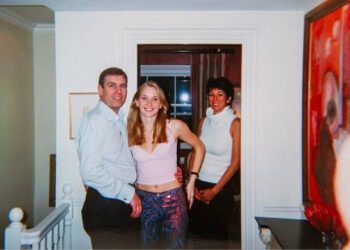 Giuffre’s bombshell memoir names Prince Andrew 88 times in shocking revelations
 Lotto result jackpot draw halted due to technical glitch
 Man Trapped in Quicksand Rescued in Dramatic Coastal Rescue
 Army Barracks to House Migrants as Hotels Phase Out
 King Charles Heckled Over Prince Andrew-Epstein Links
 Prince Andrew Hosted Epstein Days Before Arrest
 Derby Bounce Centre to Close Amid Car Park Dispute
 Hospice Cuts Raise Alarm Across England Amid Funding Crisis
 Morning-After Pill Now Free Across England’s Pharmacies
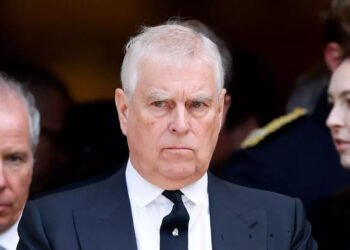 Prince Andrew Stripped of Title: Giuffre Family Hails Historic Moment
 Prince William Plants Trees with Brazil’s Nature Heroes
 Oprah enjoys Meghan’s jam on English muffins
 Second world war veterans honoured as King leads Remembrance Sunday
 The Debate Over Princess Beatrice and Eugenie’s Royal Status Intensifies
 Shouting Works Best to Deter Gulls, UK Study Finds
 Princess of Wales Hosts Festive Christmas Service at Abbey
 PM Condemns Leaks, Vows Loyalty to Ministers and Stability
 Son Reveals UK Couple in Iran Resort to Hunger Strike for Help
 Two in Three Women in UK Armed Forces Report Harassment
 UK Asylum Reforms: Temporary Refugee Status and Faster Deportations
 Five Young People Killed in Tragic Dundalk Road Crash
 Mother Watches in Horror as Teen Daughter Dies on Tracks
 Van Dwellers Face Eviction After Park Misuse Sparks Outcry
 Commuters warned as yellow snow and ice alert hits Northern Ireland
 Court to Hear Challenge to Wimbledon Expansion Plan
 TikTok Star Jessie Yendle Mocked by KFC
 UK Energy Bills to Rise Slightly in January
 Rookie Driver Hollie McRae Flips Car but Walks Away Safe
 Planned Palestinian Flag Raising at Belfast City Hall Faces Delay Amid Legal Concerns
 Sudanese Family Vows to Stay After Racist Graffiti
 Five-Year-Old Dies After Rare Tonsil Surgery Complication
 Machynlleth High Street Left Without Christmas Lights
 Second homes curbs quashed in Gwynedd legal ruling
 Search underway for British man overboard off Tenerife
 More Patients Now Contacting GPs Online, Data Shows
 Post Office Scandal Compensation Tops £1 Billion as Victims Finally See Justice
 The Ketamine Crisis in the UK is a Silent Epidemic Leaving Users with Lifelong Pain
 Heartbreak in the New Forest as Shetland Ponies Vanish, Community on Edge
 Mystery Wallaby Spotted on Norfolk-Suffolk Border Sparks Police Appeal
 UK Weather: Heat Alerts Extended as Temperatures Set to Reach 30°C This Weekend
 Birmingham Bin Strike Enters Sixth Month as Negotiations Stall
 Over 40% of Private Renters Forced to Ration Energy to Afford Bills, Study Reveals
 One in Three GPs in England Do Not Work in NHS, Raising Concerns Over Access to Care
 Northern Ireland Faces Fears of Prolonged Race Riot “Permacrisis”
 Scottish Teenager’s Petition on Single-Use Plastics Gains Parliamentary Support
 White Low-Income Pupils in England Show Lowest Levels of School Engagement, Study Finds
 Ed Miliband Warns UK Government on X, Citing Elon Musk as a “Dangerous Influence”
 Massive London Poundland Fire Engulfs High Street
Prince Andrew told Epstein “we are in this together”
Massive London Poundland Fire Engulfs High Street
Prince Andrew told Epstein “we are in this together”
 Former Premier League Referee David Coote Pleads Guilty to Child Image Offence
 Real living wage set to rise nearly 7% for UK workers in 2026
 M&S and Morrisons Lead Christmas Supermarket Taste Test
 UK Woman Loses Child Benefit After Booking Flight She Never Took
 Zarah Sultana Launches Party to Change Politics
 Mass Stabbing on Doncaster to London Train Leaves Ten Injured
 Children to Learn Local History in Major Curriculum Overhaul
 Earl of Yarmouth Faces £1.3m Legal Bill Over Family Estate
 King Charles to Lead Nation in Remembrance Sunday Service
 How to get help when a child goes missing – call 999 urgently
 Former Lion Heskey Warns of Shortage of England Strikers
 Seven Countries, One Winner: Europe’s Best Christmas Market
 ‘Traumatic Wait’: Northern Ireland Women Face Breast Cancer Delays
 Serial Rapist and Former Cop Found Guilty Again
 Vicki Fears Losing Motability Car
 Fibromyalgia Patients Struggle as NHS Fails to Provide Care
 Virgin Media Fined £23.8m Over Telecare Safety Failures
 Pavarotti statue frozen in Italian ice rink sparks backlash