Published: 24 December 2025. The English Chronicle Desk. The English Chronicle Online.
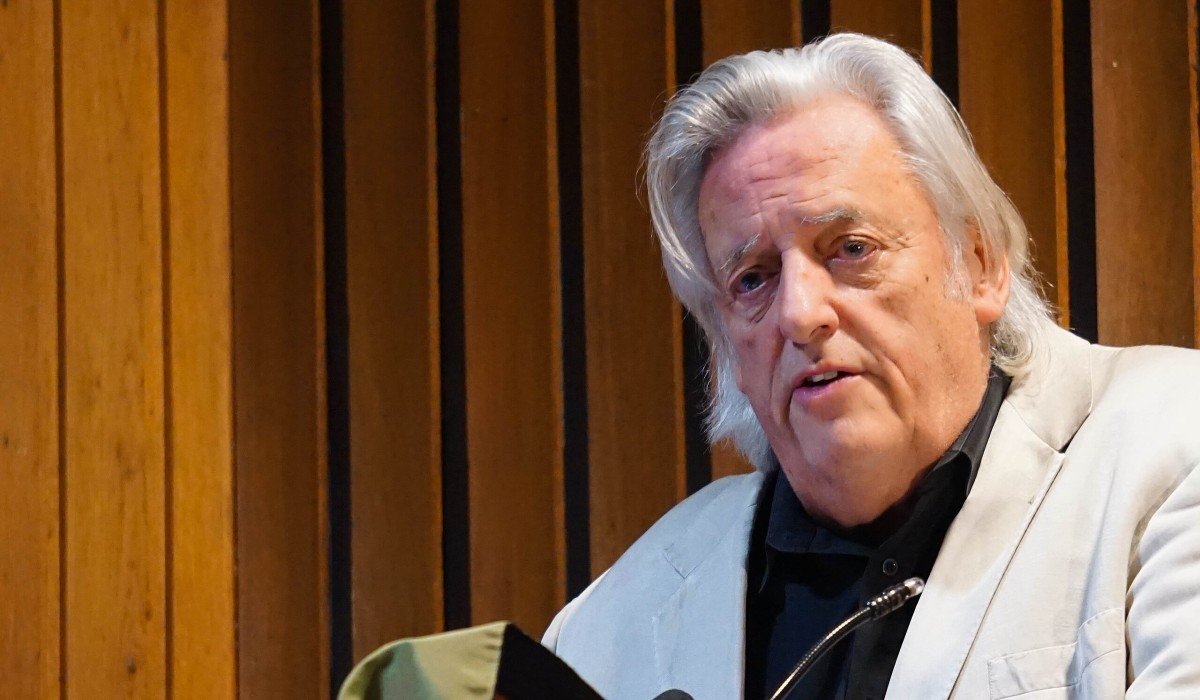
Michael Mansfield KC has sharply criticised the government’s refusal to engage with hunger-striking prisoners linked to Palestine Action, calling the justification deeply flawed and troubling. The veteran human rights lawyer, widely respected for decades of landmark legal work, described ministers’ reasoning as detached from legal principles and humanitarian obligations. His comments have intensified scrutiny on the Ministry of Justice as pressure grows over the deteriorating health of several detainees.
Mansfield, who is not directly involved in the prisoners’ legal defence, has written to the justice secretary condemning the refusal to meet representatives of the hunger strikers. He described the decision as astonishing, particularly given the length of time many detainees have spent in custody without trial. The case has become emblematic of wider tensions between protest rights, national security concerns, and the state’s duty of care toward those in detention.

At the centre of the dispute is the Ministry of Justice’s assertion that engaging with hunger strikers could create what it termed “perverse incentives.” Officials argue that meeting prisoners who refuse food may encourage similar actions by others seeking bail or concessions. Mansfield has rejected this reasoning outright, saying it misunderstands the reality and gravity of hunger strikes. He emphasised that such actions represent profound personal sacrifice rather than strategic manipulation.
Speaking publicly, Mansfield argued that hunger strikes are rare precisely because they involve extreme physical and psychological risks. He said it was absurd to suggest people would willingly endanger their lives simply to influence bail decisions. According to him, refusal of food should be recognised as a form of conscientious objection, not opportunistic behaviour. He warned that dismissing such protests undermines established legal safeguards.
Drawing on historical precedent, Mansfield referenced previous hunger strikes, including those involving Irish republican prisoners. He noted that these actions did not spread uncontrollably throughout the prison system, contrary to government fears. Instead, they remained isolated, reflecting the seriousness of the individuals’ convictions rather than any perceived incentive. This context, he argued, should inform current policy decisions.
Mansfield also questioned the logic of maintaining a policy framework that allows discretion in exceptional cases, only to refuse its application when genuinely tested. He suggested that avoiding engagement in such circumstances renders the policy meaningless. From his perspective, the government’s stance appears more politically motivated than legally grounded, particularly given the sensitive nature of the protests’ cause.
The lawyer’s criticism carries significant weight due to his legal history. Mansfield has represented victims and defendants in some of Britain’s most significant cases, including the Grenfell Tower fire, the Stephen Lawrence inquiry, and the Birmingham Six miscarriage of justice. His experience lends authority to his warning that fundamental legal principles risk erosion when political considerations dominate.
He also recalled representing Marian and Dolours Price, whose imprisonment and hunger strike during the Northern Ireland conflict became widely known. At that time, force-feeding was used, a practice now largely prohibited unless prisoners lack capacity. Mansfield suggested that lessons from those experiences should caution against dismissive responses to hunger strikes today.
According to Mansfield, the current protesters appear to be treated with undue suspicion due to their political background. He described ministers’ approach as dismissive, implying that the nature of the protest movement has influenced official attitudes. Such perceptions, he warned, risk undermining the principle of equal treatment before the law.
The hunger strikers in question were originally eight individuals arrested over alleged protest actions involving break-ins or criminal damage. All remain unconvicted and are awaiting trial. Each has already spent more than a year in custody, far exceeding the standard six-month limit typically observed before trial. Their prolonged detention has raised serious concerns among legal observers.
Recent developments have highlighted the physical toll of the protest. One detainee, Qesser Zuhrah, was hospitalised and ended her hunger strike after forty-eight days. Others continue to refuse food, with some exceeding fifty days without nourishment. One detainee with diabetes has adopted an intermittent hunger strike, refusing food every other day to mitigate immediate health risks.
Medical experts widely agree that prolonged hunger strikes can cause irreversible harm or death. Mansfield stressed that the authorities appear to have forgotten that the detainees remain legally innocent. He argued that their worsening health demands urgent reassessment of their detention conditions and bail status. Presumption of innocence, he said, must remain central to any decision.
Mansfield urged the government to evaluate each case individually, considering whether release on bail with strict conditions would be appropriate. He noted that courts routinely impose detailed bail conditions to manage perceived risks, including travel restrictions and monitoring requirements. Such measures, he argued, could balance public safety with humanitarian responsibility.
The Ministry of Justice has responded firmly to legal demands for a meeting with the justice secretary. A spokesperson said officials want the prisoners to accept medical support and recover, but insisted that engaging with hunger strikers would set a dangerous precedent. The statement reaffirmed the government’s refusal to meet representatives, maintaining that it would not encourage actions placing lives at risk.

This position has drawn criticism from civil liberties groups, who argue that dialogue does not equate to concession. They suggest that refusing engagement may actually escalate tensions and deepen mistrust between protesters and the state. For them, meeting representatives would demonstrate concern for welfare without undermining legal processes.
The controversy unfolds amid broader debate over protest rights in Britain. Recent years have seen tougher laws governing demonstrations, particularly those causing disruption or property damage. Critics argue that extended pre-trial detention for protest-related offences risks criminalising dissent and discouraging lawful expression.
Supporters of the government’s stance counter that protest movements must operate within the law and accept consequences when boundaries are crossed. They argue that hunger strikes cannot dictate legal outcomes and that maintaining consistent policy is essential. However, Mansfield insists that consistency should not override compassion or legal fundamentals.
As the detainees’ health continues to deteriorate, pressure is mounting on ministers to reconsider their approach. The situation poses difficult questions about the balance between deterrence, justice, and humanity. For Mansfield, the answer lies in reaffirming principles that protect both individual rights and the integrity of the legal system.
Whether the government will shift its position remains uncertain. What is clear is that the hunger strike has become a potent symbol of wider tensions within British democracy. Mansfield’s intervention has amplified calls for engagement, reminding authorities that legal processes must remain grounded in fairness, even amid political controversy.
Related News:
 Badenoch Warns Farage’s Grooming Gangs Plan Could Backfire
 Five More Prisoners Freed by Mistake in Essex Week
 Nearly 48,000 Zombie Knives Removed from UK Streets in a Year
 Afghan man charged with murder after west London knife attack
 Man Charged Over Cambridgeshire Train Stabbing
 Police Probe Four Knife Incidents Linked to Cambridgeshire Train Attack
 Phillipson urges careful review of gender recognition guidance
 French Taxi Driver Cleared in David Lammy Theft Case After Fare Dispute
 Just Stop Oil Protesters Convicted Amid Climate Defence Row
 China-critical UK academics face ‘extremely heavy’ pressure from Beijing
 Prison sentencing reforms expected to raise crime by up to 6%, police warn
 Met Police Culture Makes Racial Harm ‘Inevitable’
 Newcastle United Lifts Ban on Fan Over Gender-Critical Views
 British Grandmother to Return Home After Death Sentence in Bali
 Remaining rebel Labour MPs have whip restored
 King Charles to Lead Nation in Remembrance Sunday Service
 Tim Davie resigns as BBC director general amid bias claims
 Government urges schools to ban phones to curb classroom disruption
 Seven Conditions That Automatically Qualify You for a Free Bus Pass
 Palace to reinstate hyphen in Andrew’s surname
 Pop Stars Call on UK Government to Cap Resale Prices for Fans
 South Korea’s Jeju Island Faces Rising Tide of Illicit Drugs
 Reeves Rejects £1bn NHS Payout Plea from Streeting
 Major Rent Reform Ends No-Fault Evictions in England
 Peers Flood Assisted Dying Bill with 942 Amendments
 US Justice Department Files Lawsuit Against California Over Partisan Voting Maps
 Oklahoma Governor Grants Last-Minute Clemency to Death Row Inmate
 Rio Raid’s Death Toll Raises Questions About Gang Impact
 ‘Fake Admiral’ Sparks Outrage at Remembrance Event
 UK Unveils Fast-Track Deportation and Asylum Overhaul
 Couple Win Damages Over Arrest Linked to WhatsApp Chat
 Trump Deploys DHS to Charlotte in Major Arrest Operation
 Delhi Car Bomb Arrest: Suspect Linked to Deadly Attack
 UK Asylum Overhaul Sparks Debate Over Human Rights and Deportations
 UK Asylum Reforms: Temporary Refugee Status and Faster Deportations
 Mahmood Defends Tough Overhaul of UK Asylum System
 Paralegal Fired After Exposé on Illegal Worker Scam
 Dan Wootton Rejects Catfishing Allegation in Court
 Mahmood Announces Temporary Refugee Status Plan
 Scottish Ministers Express Alarm Over UK Asylum Reforms
 Charlotte Raids: 130 Arrested in Major Immigration Sweep
 South African Detained After Neo-Nazi Rally in Australia
 Convicted Killer Challenges Vegemite Ban Behind Bars
 Eminem Takes Legal Aim at Australian ‘Swim Shady’ Brand
 British Doctors Arrested in India for Unauthorized Border Crossing
 Westminster Advances Legacy Bill Amid Criticism
 Minister Defends Tough New Asylum Reform Plan
 UK Net Migration Falls Sharply After ONS Revisions
 Federal Court Blocks Texas Republican Maps Over Racial Bias
 Only One Republican Opposes Mass Release of Epstein Files
 Congress Approves Release of Epstein Files, Trump Expected to Sign
 Newport Man Left Injured After Electric Bike Collision
 Court to Hear Challenge to Wimbledon Expansion Plan
 Serial Rapist and Former Cop Found Guilty Again
 Man Charged Over Attempted Murder of Senior Officer
 Two Officers Injured After Van Deliberately Rams Patrol Car
 Senedd Suspends Politician Over Offensive Racial Slur
 Man Denies Stealing Bronze Age Gold from Museum
 Trump Signs Bill Releasing Justice Department Files on Epstein
 Texas Governor Faces Lawsuit From CAIR
 Gardener Guilty of Brutal Attack on Teacher Partner
 Runaway Driver Caught by DNA Evidence
 Teens Launch High Court Challenge to Australia’s Social Media Ban
 Peers Get Extra Time to Debate Assisted Dying Bill
 Residents Face £3.6m Bill for Unsafe Kirkby Flats
 Singapore Women Acquitted After Pro-Palestine March
 US National Guard Member Killed in DC Shooting
 Second homes curbs quashed in Gwynedd legal ruling
 ICC to Rule on Duterte’s Provisional Release
 Tokyo court rules Japan’s same-sex marriage ban constitutional
 Virgin Media Fined £23.8m Over Telecare Safety Failures
 Chinese & Japanese Boats Clash Near Disputed Islands
 Hong Kong Orders Probe Into Deadly 151-Death Fire
 Putin Meets US Envoy Amid Key Ukraine Peace Talks
 Twelve Prisoners Released in Error, Two Still Missing
 Man Swallows $19K Fabergé Egg Pendant in Theft
 Indonesia to Repatriate Two Dutch Drug Convicts
 US Defence Chief on Drug Boat Strike: “Did Not See Survivors”
 Starmer’s communications chief to outline media strategy overhaul
 UK Police Plan to Scrap ‘Non-Crime Hate Incidents’