Published: 13 January 2026. The English Chronicle Desk. The English Chronicle Online.
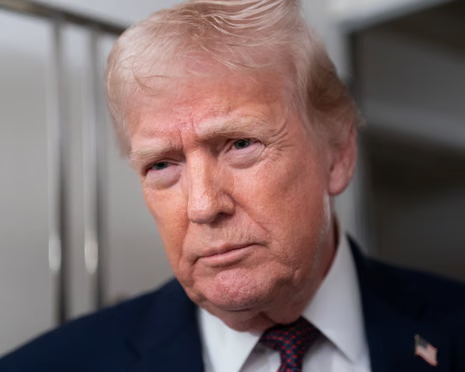
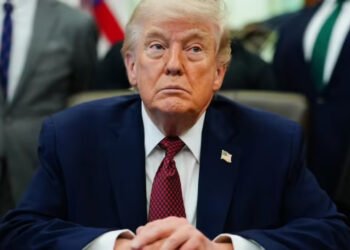
Donald Trump announced that any country doing business with Iran will face a 25% tariff on US trade, escalating tensions amid the country’s largest anti-government protests in years. The Trump tariff, declared on Truth Social, applies immediately to nations engaging economically with the Islamic Republic of Iran. The former president’s statement did not provide legal details, leaving trading partners uncertain about potential consequences. Top destinations for Iranian goods, including China, India, and the United Arab Emirates, may now face economic repercussions due to the Trump tariff.
No official White House release accompanied Trump’s statement, and authorities did not clarify whether the tariffs would target every Iranian trade partner. Meanwhile, China strongly opposed unilateral measures, condemning coercive sanctions and emphasising the need to safeguard legitimate national interests. A Chinese embassy spokesperson in Washington stressed that trade wars yield no winners and warned against arbitrary tariffs harming global commerce. These concerns are amplified by the Trump tariff, which analysts see as an aggressive economic strategy.

Iran is experiencing widespread anti-government protests, intensified by last year’s 12-day conflict with Israel and US military strikes against nuclear sites in June. Tehran reported ongoing communications with Washington, suggesting potential dialogue despite the escalating tension. The White House press secretary, Karoline Leavitt, said military options, including airstrikes, remain under consideration, though diplomacy is prioritised. Leavitt added that public statements from Iranian authorities differ from private messages received by the US, indicating a complex landscape for negotiations in the shadow of the Trump tariff.
Large state-backed rallies also occurred in Tehran, showing support for the Iranian regime amid the anti-government demonstrations. Internet blackouts and disrupted communications made it difficult to verify attendance numbers from abroad, though reports indicated restored mobile phone service allowed some international connectivity. Human rights organisations documented at least 648 deaths in recent clashes and over 10,600 arrests, underscoring the violent nature of the crackdown. The Iranian government has yet to release comprehensive casualty figures, while France evacuated non-essential embassy personnel to prioritise safety.
Protests in Iran began over economic hardship but rapidly shifted into broader anti-regime demonstrations, challenging the entrenched clerical leadership. Security forces have responded harshly, employing mass arrests, internet restrictions, and warnings that involvement could carry capital punishment. International observers and media have raised alarm over the scale of the repression, reflecting a deteriorating human rights situation amid the geopolitical confrontation and the Trump tariff’s looming threat.
Trump’s tariff adds another layer of complexity, potentially destabilising global trade. Countries that previously engaged in commerce with Iran now face difficult choices, weighing economic consequences against strategic relations with the United States. Analysts note that the Trump tariff could reshape regional trade patterns, especially for China, India, and the UAE, who rely on Iranian exports for energy and raw materials. The measure demonstrates Trump’s strategy of economic coercion, echoing prior approaches in his presidency that leveraged trade for political objectives.

Economists warn that a 25% US tariff on Iranian-trading nations could ripple through international markets, affecting supply chains and commodity prices. While Trump frames the measure as a tool to pressure Tehran, it also carries risks of retaliatory actions from affected countries. Chinese officials have already voiced opposition, indicating potential economic friction with Washington if the Trump tariff is enforced. European observers are similarly cautious, monitoring the situation as trade sanctions may conflict with existing multilateral agreements.
Diplomacy remains a potential avenue, with Trump reportedly engaging with Iranian opposition groups while signalling readiness for talks. Experts suggest that balancing economic pressure with dialogue could influence outcomes in Iran, where domestic unrest has undermined regime credibility. Nevertheless, the Trump tariff signals a hardline stance from the US, reinforcing uncertainties for global commerce and regional security.
The unfolding scenario highlights how international politics, economic sanctions, and domestic unrest intersect, creating a volatile environment for both Iran and global trade partners. Observers anticipate that further US actions may provoke reactions from China, India, and the UAE, complicating existing diplomatic channels. Meanwhile, the humanitarian situation in Iran demands urgent attention as protesters face severe crackdowns and mounting casualties. The coming weeks will likely determine whether the Trump tariff functions as leverage or exacerbates tensions, potentially reshaping the geopolitical landscape.
Related News:
 Capitol Attack Anniversary Sparks Deep Political Divide
 Trump Labels Renee Good a ‘Paid Agitator’ After Minneapolis ICE Killing
 Trump Receives Machado’s Nobel Medal in White House Meeting
 Thousands Protest ICE Operations in Nationwide US Day of Action
 Epstein Files Reveal Trump Officials’ Emails with Financier
 Thousands Protest ICE in New York Against Trump Deportation Campaign
 US-Cuba Negotiations Shift as Oil Blockade Looms
 Ukraine war briefing: Zelenskyy offers help to Saudi Crown prince on combatting Iranian drones
 New Policy Allows US Troops to Carry Personal Firearms
 Michigan Battleground: Middle East Crisis Stirs US Senate Race
 Congresswoman Condemns Trump Over Iran Conflict
 Trump Signals Hope for New Iran Talks as Ceasefire Fades
 Trump’s Presidency: A House of Cards Collapsing?
 GOP Senator Criticizes Trump’s Feud With Pope Leo XIV
 Trump Starts $166bn Tariff Refund Process
 Investigation Into Anti-Trump Motives After Gala Shooting
 UK Urged to Adopt ‘Trade Bazooka’ Against Tariff Threats
 USS Gerald R Ford Ends Record Naval Deployment
 Trump orders US troop pullout from Germany
 Indiana Republicans Defy Trump in Key Vote Test
 Tensions Emerge in Netanyahu-Trump Alliance
 Fear and Betrayal: The Chilling Case of Kouri Richins
 Trump in Beijing: The Strongman Fantasy Made Flesh
 Trump Tightens Grip on GOP with Primary Victory
 Democrats release 2024 election report amid fierce backlash
 US judge dismisses Kilmar Abrego Garcia indictment
 Tulsi Gabbard exits after turbulent intelligence tenure
 Former ICC prosecutor condemns US sanctions
 Trump Weighs Retreat from Controversial $1.8bn Slush Fund
 Trump Allies Funded Hidden Network to Discredit US Vote
 UFC at the White House: Glory Marred by Bitter Smears
 The Dreamers Losing Jobs Under Trump’s Red Tape
 Battle for Washington: Mayoral Race Braces for Trump
 Trump Urged to Condemn UFC Fighter Over Obama Slurs
 Trump Halts Senate Hearing for Intel Pick Jay Clayton
 The Obama Center: Hope and Anxiety on Chicago’s South Side
 US Military Pacific Boat Strike Kills Three People
 FBI Chief Faces Backlash Over Premature Social Media Posts
 Trump’s Mount Rushmore Speech: A Divisive Anniversary
 House Democrats Divided Over Israel Military Funding Bid
 Houthis Strike Saudi Arabia as Middle East Tensions Rise
 Federal Immigration Shift: Officers Leave Louisiana for Minneapolis
 Kyrsten Sinema Faces High-Profile Lawsuit Over Marriage Interference
 Starmer Resists Matching Trump Amid Greenland Tensions
 Silence and Unity Mark Bondi Terror Attack Memorial
 India-EU Free Trade Deal Marks Historic Economic Shift
 California Democrats Vow Trump Reckoning
 Trump’s Surgeon General Pick Evades Vaccine Questions
 Anthony Albanese Must Uphold Rights for All Australians
 UK suspends study visas for four nations to curb asylum
 Starmer Praised for Stance on Trump and Iran Conflict
 Utah Woman Found Guilty of Poisoning Husband for Inheritance
 African World Cup Fans Face $15,000 Entry Bond Fee
 Farage Shuns Truss as US Right-Wing Roadshow Hits London
 The Price of Hubris: Trump, Netanyahu, and the ‘Easy’ War
 Trump and Tehran Find Common Ground in Landmark Ceasefire
 Own an Entire Australian Town for the Price of a UK Flat
 Melania Trump Denies Ties to Epstein and Ghislaine Maxwell
 Reeves Slams Trump Over Iran War Lack Of Exit Plan
 Kyiv and Odesa Mourn After Deadly Wave of Russian Strikes
 US Forces Seize Iranian Ship Near Hormuz Blockade
 Investigation: Offshore Loans and Sanctions
 Prominent Voices Challenge Palestine Action Ban
 Trump Defiant After Washington Hotel Shooting
 Cross-Border Crisis Shatters Fragile Afghan Peace
 Trump approval plunges amid Iran war fears
 US ‘Narco Boat’ Strikes Draw Global Outcry
 The Burning Lens: An Iranian Artist’s Visual Resistance
 FIFA Confirms Global Ban for Benfica Star Prestianni
 One Nation Candidate’s Surprising Ties to Independents
 Scepticism and tight security as Beijing braces for Trump
 Tony Abbott Returns as New Liberal Party President
 Teaching Machines Right From Wrong in the Digital Age
 US Courts Back Trump on Park Signage Removals
 US Airman Avoids British Court in Indecent Exposure Case
 Trump Swaps Planes Amid Iran Tensions
 Rotterdam Museum Honours Artist With Peanut Butter Floor
 Bangkok Nightclub Blaze Claims 30 Lives Amid Negligence Probe
 Yemen Accuses Iran of Violating National Sovereignty
 Florida Executes One of Its Oldest Death Row Prisoners