Published: 21 January 2026. The English Chronicle Desk. The English Chronicle Online.
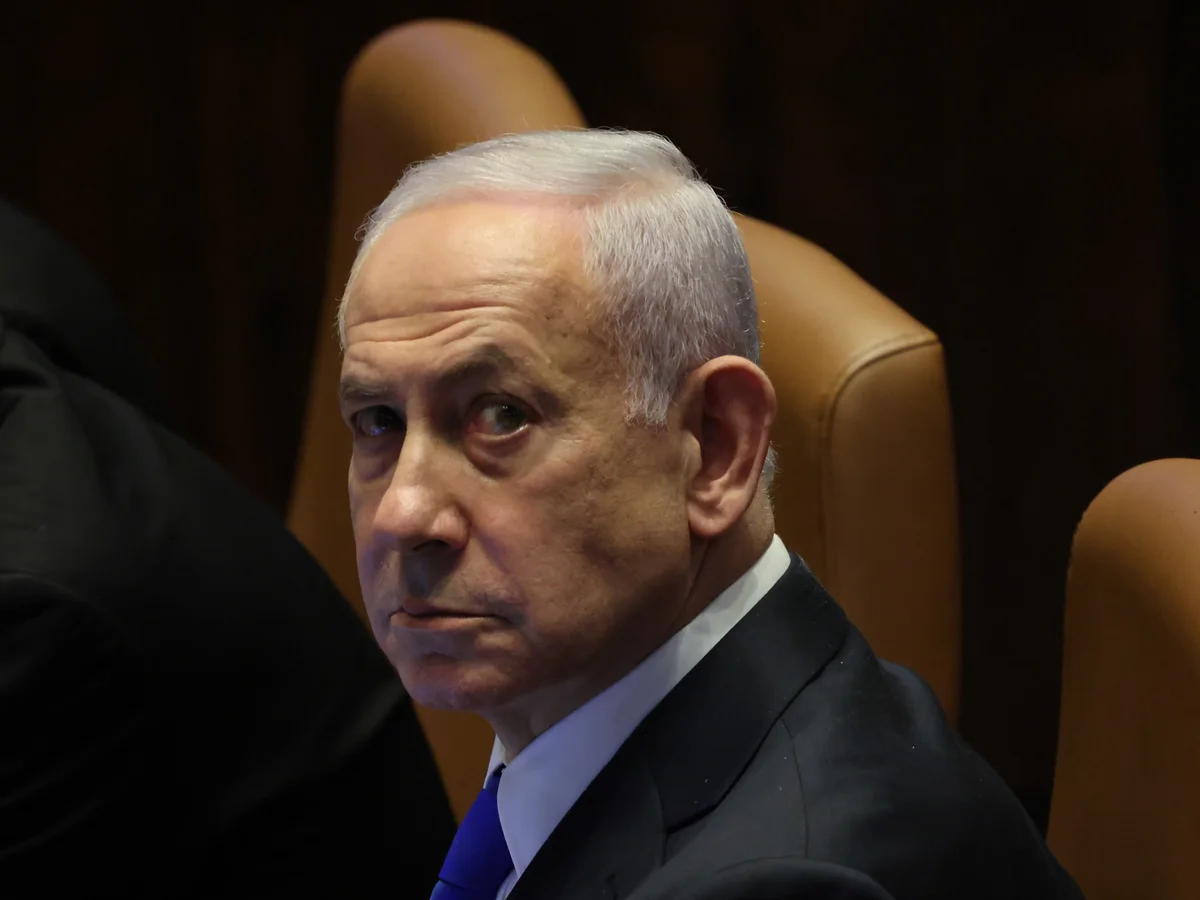
Australia’s new hate speech laws have sparked warnings from the Greens, claiming that criticism of Israel or its prime minister, Benjamin Netanyahu, could be classified as an offence under these sweeping reforms. The Greens justice spokesperson, David Shoebridge, said the legislation, passed quickly after the Bondi terror attacks, dramatically expands the government’s ability to target groups and individuals. Shoebridge argued that reasonable expressions of contempt or ridicule, particularly concerning Netanyahu, could be criminalised, raising concerns about free speech. The current Nationals crisis has intensified these debates, as some coalition members fear the law could be politically weaponised.
Shoebridge emphasised that the recent deal between Labor and the Coalition did not narrow the law’s scope to violent conduct alone. Instead, the amendments incorporated seven different state laws, including provisions covering ridicule and contempt. This expansion means organisations could be banned, informal members criminalised, and individuals potentially facing prison terms of five, ten, or fifteen years. Constitutional expert Prof Anne Twomey warned that ambiguity in the legislation could deter Australians from expressing legitimate political opinions. She suggested that criticism of Israel’s government, even accusations of genocide, might trigger the law’s enforcement process, further complicating the ongoing Nationals crisis within the Coalition.

The Australian Greens stressed that the legislation could create a chilling effect on free speech, particularly around sensitive foreign policy matters. Twomey highlighted that courts could interpret the law differently, creating uncertainty for ordinary citizens and advocacy groups. Progressive Jewish organisations criticised the reforms, calling them a “Trumpian repression of democratic rights” after Attorney General Michelle Rowland confirmed that new hate group laws could theoretically affect protests or commentary about Israel. Rowland insisted that other criteria, including breaches of state racial vilification laws, must also be satisfied before prosecution.
The Palestine Action Group, represented by spokesperson Josh Lees, warned that these changes were concerning for all Australians. He stressed that politicians and ministers should not wield such powers without checks, highlighting risks to ordinary citizens who engage in protest or political debate. Rowland emphasised that extremist organisations such as the National Socialist Network and Hizb ut-Tahrir remain the primary focus of the laws, but critics fear a broader application. Independent senators proposed amendments to exclude criticism of foreign policies or international law discussions, but these proposals were rejected, heightening tensions amid the Nationals crisis.
Australian Human Rights Commission president Hugh de Kretser supported the laws’ purpose of banning hate groups but called for stronger safeguards. He stressed procedural fairness, ensuring affected individuals have opportunities to respond to government decisions. De Kretser emphasised that fairness safeguards are critical to prevent misuse and maintain public trust in the law. Home Affairs Minister Tony Burke reassured the public that the Australian Security Intelligence Organisation (ASIO) must recommend any action under the new legislation. He argued ministers cannot arbitrarily apply these powers to political opponents or create legal difficulties for critics, a concern central to managing the current Nationals crisis.
Prime Minister Anthony Albanese defended the amended laws, highlighting that proper protections were included. He explained that ministers cannot predetermine which organisations are formally designated extremist groups. Albanese described the legislation as a sensible reform necessary for public safety, rejecting analogies critics drew with other legal issues such as firearms. He underscored that Australians will see the legislation in operation, reinforcing that processes must be respected to maintain fairness and proper application.
Critics, however, remain cautious, highlighting the law’s potential to suppress free expression. The Greens’ warnings reflect wider debates on how far governments should extend authority over political speech and criticism. Legal experts have pointed to the ambiguous wording as a central concern, warning that ordinary citizens and activists could face unintended consequences. Observers note that the debate underscores tensions between national security, hate prevention, and the fundamental right to free speech.
International attention has focused on how Australia balances countering extremism with democratic freedoms. Civil liberties groups emphasise that safeguards are critical in preserving public trust, noting that vague laws can have disproportionate effects. Twomey added that interpretations of the law by ministers or courts will shape its practical impact, with potentially severe implications for advocacy groups. The legislation’s passage has prompted heated discussions about the limits of political accountability and the role of legal definitions in regulating discourse, intensifying the ongoing Nationals crisis within government.

The controversy surrounding criticism of Netanyahu illustrates broader concerns about legislative overreach. Australians are closely watching government actions, particularly as enforcement practices evolve. Debates on the laws reflect a careful balancing act between preventing hate, protecting communities, and safeguarding freedom of expression. Civil society groups stress that ongoing scrutiny is essential, advocating for clarity in legislation to prevent misapplication and unnecessary criminalisation.
As the nation navigates these changes, attention remains on how courts, ministers, and intelligence agencies interpret provisions. Experts suggest that transparency in decision-making is vital to uphold democratic principles. The legislation’s effect on political debate, protest movements, and public discourse will be closely monitored in the coming months, with the Greens and human rights organisations advocating continued vigilance. Australians are urged to understand the law’s implications while engaging in informed civic participation.
The dialogue around these reforms highlights the complexity of balancing security, international considerations, and fundamental democratic freedoms. Critics of Netanyahu and Israel remain at the centre of discussion, reflecting ongoing tensions between national legislation and global political issues. Legal and civil society observers continue to track developments, emphasising the need for safeguards, procedural fairness, and clarity to ensure the laws serve their intended purpose.
Related News:
 Tories Push to Dilute Labour’s Workers’ Rights Bill
 It’s time to come clean on the China spy case
 Rachel Reeves Admits Renting Home Without Required Licence
 Experts Question HMRC Over Possible Child Benefit Privacy Breach
 Phillipson urges careful review of gender recognition guidance
 French Taxi Driver Cleared in David Lammy Theft Case After Fare Dispute
 China-critical UK academics face ‘extremely heavy’ pressure from Beijing
 Met Police Culture Makes Racial Harm ‘Inevitable’
 Remaining rebel Labour MPs have whip restored
 Tim Davie resigns as BBC director general amid bias claims
 Palace to reinstate hyphen in Andrew’s surname
 BBC Apologises to Trump but Rejects $1bn Compensation Claim
 Major Rent Reform Ends No-Fault Evictions in England
 Peers Flood Assisted Dying Bill with 942 Amendments
 US Justice Department Files Lawsuit Against California Over Partisan Voting Maps
 Your Party Turmoil Deepens Over Withheld Donations
 Mahmood Plans Major Crackdown on Illegal Migration
 UK Unveils Fast-Track Deportation and Asylum Overhaul
 Trump Deploys DHS to Charlotte in Major Arrest Operation
 UK Asylum Overhaul Sparks Debate Over Human Rights and Deportations
 UK Asylum Reforms: Temporary Refugee Status and Faster Deportations
 Mahmood Defends Tough Overhaul of UK Asylum System
 Scottish Ministers Express Alarm Over UK Asylum Reforms
 South African Detained After Neo-Nazi Rally in Australia
 Westminster Advances Legacy Bill Amid Criticism
 Minister Defends Tough New Asylum Reform Plan
 UK Net Migration Falls Sharply After ONS Revisions
 Federal Court Blocks Texas Republican Maps Over Racial Bias
 Only One Republican Opposes Mass Release of Epstein Files
 Congress Approves Release of Epstein Files, Trump Expected to Sign
 Senedd Suspends Politician Over Offensive Racial Slur
 Trump Signs Bill Releasing Justice Department Files on Epstein
 Trump Slams Democrats With ‘Seditious’ Death Claim
 Covid Response in NI ‘Chaotic’, Says Inquiry
 Texas Governor Faces Lawsuit From CAIR
 Peers Get Extra Time to Debate Assisted Dying Bill
 US National Guard Member Killed in DC Shooting
 ICC to Rule on Duterte’s Provisional Release
 Trump to pause migration from ‘third-world countries’
 Chinese & Japanese Boats Clash Near Disputed Islands
 Putin Meets US Envoy Amid Key Ukraine Peace Talks
 Franklin Turtle, Sabrina Carpenter Slam US Social Media Use
 Plans to Limit Jury Trials Face Retreat After Mounting Opposition
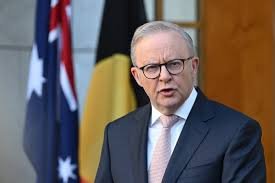 Australia grants Asio powers to designate hate groups under new laws
 Labor’s Hate Speech and Gun Laws Face Federal Roadblocks
 Trump Administration Dismisses 17 Immigration Judges, Sparking Debate Over Judicial Independence
 Tanni Grey-Thompson Faces Abuse Over Opposition to Assisted Dying Bill
 Army Officers Orders to Cut Ties with Men-Only Clubs
 Trump’s UK Ambassador Urges North Sea Drilling to Strengthen US Ties
BBC to Apologise Over Edited Trump Speech Amid Backlash
Trump’s UK Ambassador Urges North Sea Drilling to Strengthen US Ties
BBC to Apologise Over Edited Trump Speech Amid Backlash
 Britain deploys RAF specialists to assist Belgium with drone threats
 Millionaires group urge Reeves to introduce wealth tax to ‘lift kids out of poverty’
 Reeves rejects £1bn plea for NHS redundancy payouts
 PM Condemns Leaks, Vows Loyalty to Ministers and Stability
 Trump Urges Herzog to Grant Netanyahu Full Pardon
 Senator John Fetterman Hospitalized After Fall from Heart Flare-Up, Keeps Sense of Humor
 Greene Pushes Epstein Files Amid Trump Fallout
 December Run-Off in Chile as Election Produces No Winner
 Canada Passes Carney’s First Budget in Tight Parliamentary Vote
 Shadow Fleet at Sea: Europe’s Battle Against Illicit Oil Shipping
 Serial Rapist and Former Cop Found Guilty Again
 Man Denies Stealing Bronze Age Gold from Museum
 Most Tories Expect to Support a Farage-Led Government
 Runaway Driver Caught by DNA Evidence
 Georgians Defy Government Crackdown After Year of Protests
 Tokyo court rules Japan’s same-sex marriage ban constitutional
 Starmer Says Labour’s Economic Plan Needs Years to Deliver
 Virgin Media Fined £23.8m Over Telecare Safety Failures
 Khaleda Zia Death in Bangladesh: First Female PM Dies at 80
 Russia losses Ukraine war peace talks intensify amid rising deaths
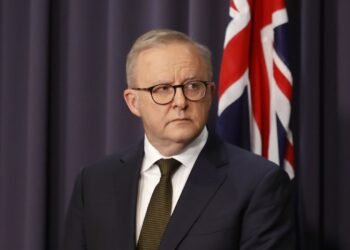 Albanese Opens Door to Bondi Royal Commission Amid Rising Pressure
 Trump Escalates Minnesota Immigration Surge Amid Rising Tensions
 Iran Protesters Defy Crackdown as Violent Clashes Intensify
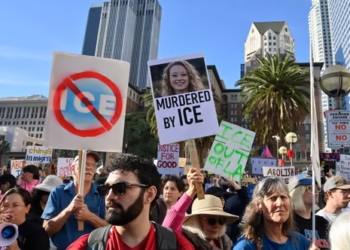 Homeland security agents deployed amid Minneapolis protests
 US Senate rejects resolution limiting Trump military powers
 Woman Jailed for Life After Killing E-Bike Rider in Tragic Mistaken Identity Case
 Right Must Unite After Jenrick Defection, Urges Rees-Mogg
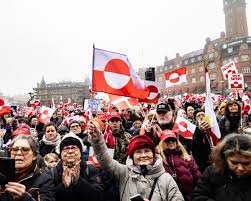 EU weighs response amid Greenland tariff crisis with Trump
 UK Ministers Drop Foreign Student Targets for Global Education Push
 No Gas Boiler Ban as UK Warm Homes Plan Backs Heat Pumps