Published: 22 January 2026. The English Chronicle Desk. The English Chronicle Online.
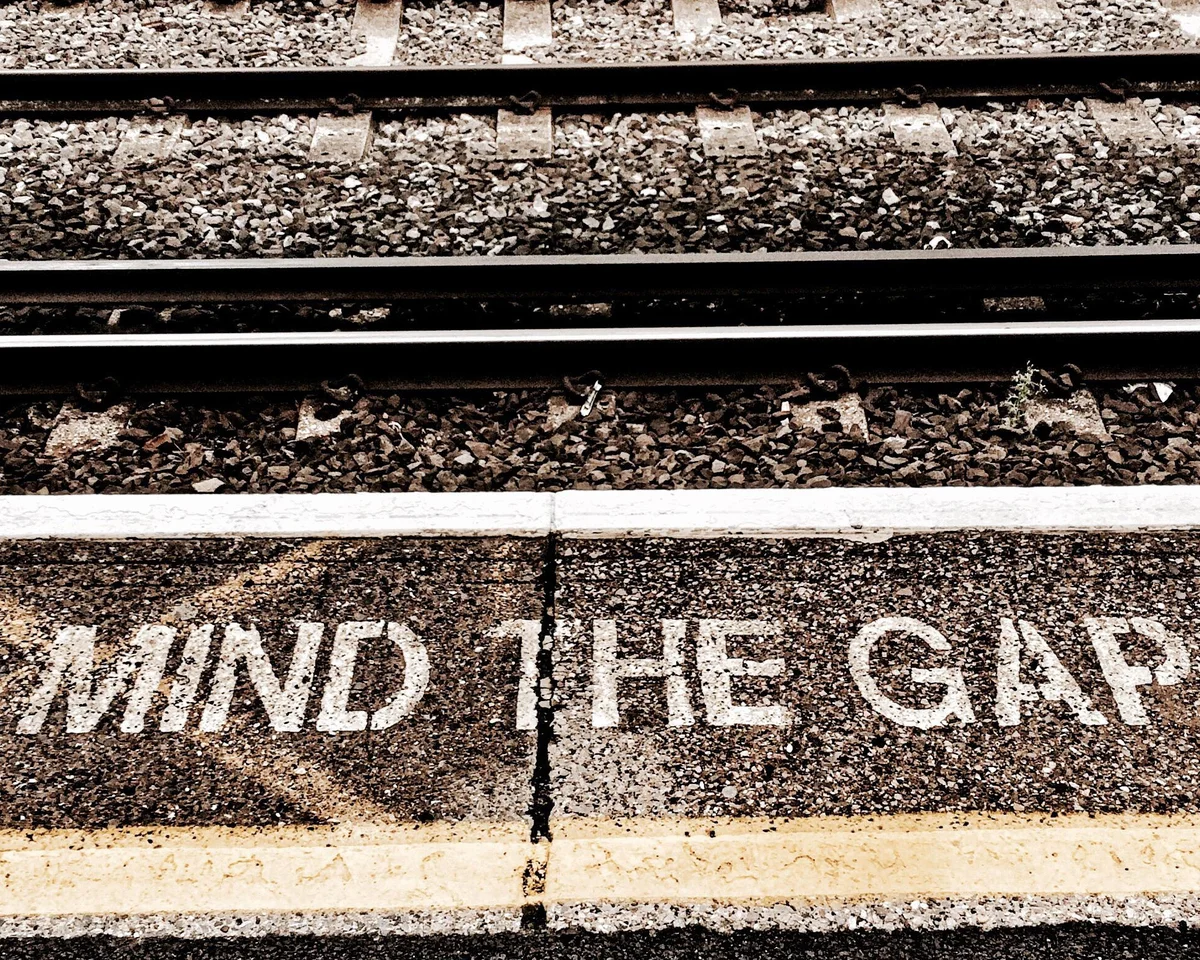
Four in five blind and partially sighted people in Britain report serious difficulties crossing the gap between trains and platforms, highlighting urgent concerns about UK train accessibility. The findings come from a major national survey that reveals how everyday rail travel can become stressful, dangerous, and sometimes traumatic for people with sight loss. Within the first moments of a journey, anxiety often replaces independence, as passengers question whether help will arrive or safety measures will function as promised.
The research, conducted by the Royal National Institute of Blind People, shows that platform gaps remain one of the most feared elements of rail travel. Many respondents described near misses or actual injuries caused by misjudging distances they could not see clearly. Some reported falling between the train and platform, while others described being struck by closing doors or coming dangerously close to live electric rails. These incidents have intensified debate about UK train accessibility, especially as rail use rises after years of disruption.

Beyond physical danger, emotional strain emerged as a recurring theme throughout the survey. More than one third of blind and partially sighted participants said they could not make all the journeys they wanted or needed. The fear of being unsupported, stranded, or injured often outweighed the necessity of travel. For many, this means declining social invitations, limiting work opportunities, or relying heavily on friends and family for tasks others complete independently.
One major factor contributing to these fears is the lack of tactile wayfinding across much of the rail network. Raised surfaces, textured guidance paths, and contrasting colours help visually impaired people navigate safely. However, only one fifth of respondents recalled encountering evidence of such systems in British stations. Comparisons were frequently drawn with European railways and Japan, where tactile guidance is widespread and consistently maintained. This disparity reinforces perceptions that UK train accessibility has not kept pace with international standards.
Passenger assistance services also came under sharp criticism. Two thirds of survey participants said they were regularly left without support despite booking help in advance. Many described arriving at platforms to find no staff present, even after confirmation through official assistance apps. Others said staff lacked training or appeared unsure about procedures. These inconsistent experiences erode trust, leaving passengers unsure whether promises of help will be honoured.
Communication failures further complicate journeys. Nearly two thirds of respondents said they were not informed when train destinations changed mid journey. For blind passengers, audio announcements are essential, yet they are often unclear, delayed, or absent. When things go wrong, visually impaired travellers are frequently the last to know, despite being the most affected by sudden changes. This breakdown underscores deeper problems within UK train accessibility frameworks.
Personal testimonies illustrate the human cost behind the statistics. One participant described train travel as too overwhelming to attempt alone, citing repeated experiences of confusion and neglect. Another said unstaffed stations felt like hostile spaces where independence vanished instantly. Such accounts highlight how systemic shortcomings translate into daily hardship.
Erik Matthies, RNIB’s policy lead for travel and transport, said the findings show accessibility must be designed into the rail system rather than treated as an afterthought. He argued that the upcoming railways bill, which supports the creation of Great British Railways, offers a rare opportunity to embed accessibility standards from the beginning. Without structural change, he warned, blind and partially sighted people will continue facing anxious and potentially unsafe journeys.
The survey also sheds light on ticket purchasing challenges. Nearly half of respondents preferred buying tickets from staffed offices rather than machines or apps. Digital systems often lack accessible design, while staffing cuts recall fears of being unable to get help when needed. As ticket offices close, visually impaired passengers worry that independence is quietly being removed, further weakening UK train accessibility in practice.
Paul Goddard, from East Sussex, has been registered blind since 2008 and regularly travels to London Bridge. He described booking assistance for every journey, only to arrive and find nobody waiting. When assistance fails, he said, staff at gate lines often appear indifferent. The financial impact adds insult to injury, as claiming refunds can be complex and exhausting. For him, the experience feels unacceptable in a modern transport system.
Another campaigner, Khadija Raza, described years of inconsistent support while travelling independently. Her former local station was unstaffed, and despite booking help, she was never met at the platform. Missed connections turned a planned two and a half hour journey into a four hour ordeal. Even after relocating to a staffed station, her independence remains limited by opening hours, preventing evening or Sunday travel.
Raza explained that she now builds significant contingency time into every journey, arriving early and preparing for worst case scenarios. Even when trips go smoothly, the mental exhaustion lingers. Constantly planning for potential failures drains energy and confidence, illustrating how accessibility issues affect mental wellbeing as much as physical safety.

Interestingly, several respondents contrasted these experiences with more positive journeys on the London Underground. A single operator model appears to reduce confusion over responsibility for assistance. Clearer procedures, consistent staff presence, and reliable announcements contribute to a sense of safety. These comparisons suggest that improvements to UK train accessibility are achievable with coordinated management and accountability.
Campaigners are calling for comprehensive disability awareness training for all rail staff, improved tactile infrastructure, and clearer audio communication. They argue that accessibility should not depend on goodwill or chance encounters with helpful individuals. Instead, it should be a guaranteed standard across the network.
As rail reform discussions continue, advocates stress that accessibility is not a niche concern. An ageing population and growing numbers of disabled passengers mean inclusive design benefits everyone. Safer platforms, clearer information, and reliable assistance improve journeys for families, tourists, and occasional travellers alike.
The RNIB survey sends a clear message. Without decisive action, blind and partially sighted people will remain excluded from full participation in public life. Addressing UK train accessibility is not simply about compliance, but about dignity, independence, and equal access to opportunity. The challenge now lies in turning awareness into lasting change.
Related News:
 Peterborough Mosques Tighten Security After Attack
 Reeves Faces Setback as Labour May Miss Homes Target
 Hospice Cuts Raise Alarm Across England Amid Funding Crisis
 UK Woman Loses Child Benefit After Booking Flight She Never Took
 Kate Winslet to Narrate Film Highlighting King’s Environmental Mission
 Green Party Surges Past Labour in Latest UK Poll
 Trump’s UK Ambassador Urges North Sea Drilling to Strengthen US Ties
 Children to Learn Local History in Major Curriculum Overhaul
 Granit Xhaka Rescue Earns Everton Draw at Sunderland
 French Taxi Driver Cleared in David Lammy Theft Case After Fare Dispute
 The Lowry Hotel: Manchester’s Iconic Five-Star Retreat
 UK Bans Fake Numbers: Scammers Lose Their Trick
 Prince William Plants Trees with Brazil’s Nature Heroes
 M&S Profits More Than Halve After Cyber-Attack
 Just Stop Oil Protesters Convicted Amid Climate Defence Row
 Kent village told to remove flags before Christmas lights go up
 Tony Blair think tank warns Rachel Reeves must cut taxes if manifesto broken
 Patients to Test Health at Home to Ease NHS Winter Pressure
 Bellingham has ‘the edge’ among England No 10s
 King Charles to Lead Nation in Remembrance Sunday Service
 How to get help when a child goes missing – call 999 urgently
 Palace May Restore Hyphen to Andrew Mountbatten-Windsor’s Name
 Millionaires group urge Reeves to introduce wealth tax to ‘lift kids out of poverty’
 Starmer Faces Growing Dissent as Labour MPs Weigh Leadership Challenge
 Shouting Works Best to Deter Gulls, UK Study Finds
 Mary Earps’s Manchester United Return Faces Mixed Reception
 Reeves rejects £1bn plea for NHS redundancy payouts
 Northern Lights may illuminate UK skies this week
 PM Condemns Leaks, Vows Loyalty to Ministers and Stability
 Son Reveals UK Couple in Iran Resort to Hunger Strike for Help
 Major Rent Reform Ends No-Fault Evictions in England
 Peers Flood Assisted Dying Bill with 942 Amendments
 Former Lion Heskey Warns of Shortage of England Strikers
 Criminal Gangs Pose as Truckers to Hijack UK Supply Chains
 Mum Calls for New Licence Rules After Teen Road Death
 Stroke Patient Mistaken for Drunk, Care Delayed
 Mother Watches in Horror as Teen Daughter Dies on Tracks
 Van Dwellers Face Eviction After Park Misuse Sparks Outcry
 ‘Traumatic Wait’: Northern Ireland Women Face Breast Cancer Delays
 Serial Rapist and Former Cop Found Guilty Again
 Royal Navy Shadows Russian Warships Entering the Channel
 Coffins Now Too Large to Cremate Amid Rising Obesity Crisis
 Inside the Helpline Protecting Missing Children in the UK
 Most Tories Expect to Support a Farage-Led Government
 Boots Showstopper Beauty Bundle Outshines Many Advent Calendars This Holiday Season
 Bill Murray Terrified Wes Anderson but Became His Closest Collaborator
 Labour’s ‘blinkered’ drive to build risks pushing wildlife to point of no return, nature experts warn
 Labour MP claims devolution bill is ‘blatant discrimination’ against Cornwall
 PlayStation PS5 Deals Hit Lowest Prices Ahead of Black Friday
 Karen Carney Stuns on Blackpool Week, Deserves Strictly Final
 Millions Face Higher Taxes Under Reeves New Budget
 Five-Year-Old Dies After Rare Tonsil Surgery Complication
 Fibromyalgia Patients Struggle as NHS Fails to Provide Care
 Search underway for British man overboard off Tenerife
 Starmer Says Labour’s Economic Plan Needs Years to Deliver
 Virgin Media Fined £23.8m Over Telecare Safety Failures
 More Patients Now Contacting GPs Online, Data Shows
 Rising Water Bills Lift Troubled Thames Back to Profit
 UK unemployment rises to four-year high of 5.1% before budget
 Culture secretary to review Telegraph takeover by Daily Mail owner
 Wiltshire Police Use Lasso to Catch Rampaging Village Goat
 Prince George Helps Father at London Homelessness Charity
 Children to Receive Home Vaccines as England Acts
 Protest Rights Under Threat Across England and Wales
 Cambridge College Faces Backlash Over Private School Recruitment
 NHS Violence Crisis: Staff Face Daily Assaults
 Celebrity Campaign Highlights SMA Screening Failures
 Bereaved Fathers Gain New Paternity Leave Rights in UK
 Storm Goretti leaves Cornwall homes without power
 Plans to Limit Jury Trials Face Retreat After Mounting Opposition
 New Documentary Examines Teen’s Zombie Knife Murder
 Amazon Milton Keynes closure sparks concern for UK warehouse workforce
 Woman Jailed for Life After Killing E-Bike Rider in Tragic Mistaken Identity Case
 Right Must Unite After Jenrick Defection, Urges Rees-Mogg
 UK Ministers Drop Foreign Student Targets for Global Education Push
MPs warn AI financial risks threaten UK stability
UK Ministers Drop Foreign Student Targets for Global Education Push
MPs warn AI financial risks threaten UK stability
 No Gas Boiler Ban as UK Warm Homes Plan Backs Heat Pumps
 UK Glaucoma Rise Signals Looming Eye Health Crisis by 2060
 Shinzo Abe’s killer receives life sentence in Japan
 Lords Vote Piles Pressure on Starmer Over Social Media Ban