Published: 26 January 2026. The English Chronicle Desk. The English Chronicle Online.
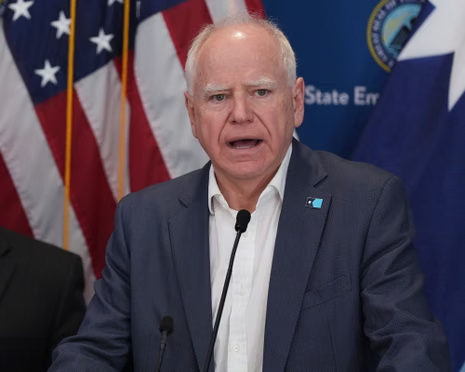
Minnesota governor Tim Walz urged Donald Trump to withdraw federal agents immediately, following the deadly shooting of ICU nurse Alex Pretti. The governor’s appeal highlights growing public concern over federal intervention and the safety of civilians. “President Trump, you can end this now. Pull these agents back and act with humane enforcement,” Walz said at a press briefing. Evidence suggests Pretti posed no threat, contradicting federal claims, and fueling calls to withdraw federal agents immediately from Minnesota. The incident has sparked national debate about balancing immigration enforcement with citizen safety.
Walz, not seeking re-election this year, framed his appeal as a moral choice for the public and officials. He urged reconsideration from those who had previously supported ICE operations, stating that the time has come to prioritize human rights. “Which side do you want to be on?” he asked, referencing both the federal enforcement approach and the tragic outcome for Pretti. Walz’s comments underscore the need to withdraw federal agents immediately to restore public trust and accountability in law enforcement operations.
 Federal officials defended their actions, with border patrol commander Gregory Bovino claiming that individuals entering active law enforcement scenes accept potential consequences. “When someone interferes with law enforcement, they make a choice,” Bovino said, indirectly referring to Pretti. This assertion clashes with multi-angle video footage, showing that Pretti had been disarmed before being fatally shot. The contrasting narratives have intensified debates over transparency, accountability, and the legitimacy of federal intervention in state affairs.
US attorney general Pam Bondi pressed Walz to comply with federal directives, claiming state officials failed to enforce the law effectively. Bondi emphasized oversight of welfare programs and voter registrations, suggesting reforms would restore order. Walz countered, accusing federal agents of obstructing investigations and “sweeping away evidence” of Pretti’s death. Advocates for state authority continue to demand independent investigation to ensure justice.
Local authorities also criticized federal actions. Minneapolis police chief Brian O’Hara highlighted that Pretti exercised constitutional rights when shot, describing the response as unprofessional. Similar concerns arose in Maine, where ICE detained a corrections officer, prompting sheriff Kevin Joyce to call the agency’s tactics a show of force. These incidents illustrate tensions between federal presence and local law enforcement priorities, reinforcing the need to withdraw federal agents immediately in sensitive situations.

The situation in Minnesota demonstrates the friction between state authority and federal enforcement powers. Walz emphasized that video evidence contradicted federal claims, reinforcing the demand to withdraw federal agents immediately. Citizens remain divided between support for immigration control and opposition to aggressive enforcement, highlighting the delicate balance required in law and human rights protections.
Governor Walz’s appeal prioritizes humane enforcement, transparency, and public trust. State officials continue to request access to incident scenes and evidence, underscoring the importance of independent oversight. Federal authorities maintain that investigations will follow protocol, though delays and restricted access exacerbate public frustration. Minnesota’s experience may serve as a precedent for assessing federal-state dynamics nationwide, stressing why calls to withdraw federal agents immediately remain critical.
The Pretti incident reflects the complex interplay of law enforcement, civil liberties, and political accountability. Advocates argue that federal presence should not override local law or human rights. Walz’s urgent request aims to restore confidence in governance while preventing further tragedies. Public focus remains on Minnesota as the investigation progresses, raising questions about federal methods and broader civil liberty implications.
Related News:
 Tories Push to Dilute Labour’s Workers’ Rights Bill
 It’s time to come clean on the China spy case
 Rachel Reeves Admits Renting Home Without Required Licence
 Experts Question HMRC Over Possible Child Benefit Privacy Breach
 Phillipson urges careful review of gender recognition guidance
 French Taxi Driver Cleared in David Lammy Theft Case After Fare Dispute
 Met Police Culture Makes Racial Harm ‘Inevitable’
 Remaining rebel Labour MPs have whip restored
 Tim Davie resigns as BBC director general amid bias claims
 Palace to reinstate hyphen in Andrew’s surname
 BBC Apologises to Trump but Rejects $1bn Compensation Claim
 Major Rent Reform Ends No-Fault Evictions in England
 Peers Flood Assisted Dying Bill with 942 Amendments
 Your Party Turmoil Deepens Over Withheld Donations
 UK Unveils Fast-Track Deportation and Asylum Overhaul
 UK Asylum Overhaul Sparks Debate Over Human Rights and Deportations
 UK Asylum Reforms: Temporary Refugee Status and Faster Deportations
 Mahmood Defends Tough Overhaul of UK Asylum System
 Scottish Ministers Express Alarm Over UK Asylum Reforms
 Westminster Advances Legacy Bill Amid Criticism
 Minister Defends Tough New Asylum Reform Plan
 UK Net Migration Falls Sharply After ONS Revisions
 Peers Get Extra Time to Debate Assisted Dying Bill
 Plans to Limit Jury Trials Face Retreat After Mounting Opposition
 Tasers Introduced in UK Prisons to Combat Rising Violence and Protect Staff
 Tanni Grey-Thompson Faces Abuse Over Opposition to Assisted Dying Bill
 Mahmood Pledges Reform of Modern Slavery Laws After Court Blocks Deportation Appeal
 Migrants in UK May Need to Contribute or Face Removal, Home Secretary Signals
 Digital ID Plans Ignite Debate Over £600m Treasury Tax Boost and Privacy Concerns
 British Woman in Iran ‘Losing Hope’ Amid Ongoing Detention
 Johnson Approved China’s London ‘Super-Embassy’ in 2018
 BBC Journalist Held and Interrogated in Vietnam
 Green Party Surges Past Labour in Latest UK Poll
 Celebrities and Charities Demand UK Government Act on Child Poverty
 Trump’s UK Ambassador Urges North Sea Drilling to Strengthen US Ties
 FBI Director Kash Patel Defends Girlfriend Amid Government Jet Claims
 Just Stop Oil Protesters Convicted Amid Climate Defence Row
 Newcastle United Lifts Ban on Fan Over Gender-Critical Views
 King Charles to Lead Nation in Remembrance Sunday Service
 ‘Reckless’ cuts to victims’ services will cost more than they save
 Government urges schools to ban phones to curb classroom disruption
 Millionaires group urge Reeves to introduce wealth tax to ‘lift kids out of poverty’
 Starmer Faces Growing Dissent as Labour MPs Weigh Leadership Challenge
 Reeves rejects £1bn plea for NHS redundancy payouts
 Politics latest: Starmer ‘will fight any leadership coup’ as Streeting denies attempt to oust Labour PM
 Pop Stars Call on UK Government to Cap Resale Prices for Fans
 PM Condemns Leaks, Vows Loyalty to Ministers and Stability
 England’s Special Needs Support Faces Breaking Point
 US Justice Department Files Lawsuit Against California Over Partisan Voting Maps
 MoD warned over Excel risks before Afghan data breach
 Trump Deploys DHS to Charlotte in Major Arrest Operation
 UK Warns China After MI5 Issues Espionage Alert
 Labour Faces Historic Decline in Wales
 Serial Rapist and Former Cop Found Guilty Again
 PM Highlights UK Business at G20 in South Africa
 Kate Forbes: Motherhood Harder Than Politics
 Most Tories Expect to Support a Farage-Led Government
 Labour MP claims devolution bill is ‘blatant discrimination’ against Cornwall
 Millions Face Higher Taxes Under Reeves New Budget
 US National Guard Member Killed in DC Shooting
 ICC to Rule on Duterte’s Provisional Release
 Starmer Says Labour’s Economic Plan Needs Years to Deliver
 Virgin Media Fined £23.8m Over Telecare Safety Failures
 Culture secretary to review Telegraph takeover by Daily Mail owner
 Starmer’s communications chief to outline media strategy overhaul
 Andy Burnham Apologises for Past LGBTQ+ Police Discrimination
 Google Employee Claims Redundancy After Harassment Report
 Jenrick Reform defection deepens Tory civil war
 Woman Jailed for Life After Killing E-Bike Rider in Tragic Mistaken Identity Case
 Right Must Unite After Jenrick Defection, Urges Rees-Mogg
 Starmer tariffs stance rejects US trade retaliation
 UK Ministers Drop Foreign Student Targets for Global Education Push
 MPs warn AI financial risks threaten UK stability
 MPs warn AI financial risks threaten UK stability
 No Gas Boiler Ban as UK Warm Homes Plan Backs Heat Pumps
 Hugh Grant Joins Call for Under-16 Social Media Ban in UK
 Shinzo Abe’s killer receives life sentence in Japan
 Lords Vote Piles Pressure on Starmer Over Social Media Ban
 Reform UK Health Plan ‘Would Cost £1.7bn’, Streeting Says
 Police response times face strict new national limits