Published: 29 January 2026. The English Chronicle Desk. The English Chronicle Online.
The Liberal leader uncertainty dominated headlines across Australia as Sussan Ley’s future at the helm of her party has come under fresh scrutiny this week. Images and reports of a clandestine meeting of senior Liberal figures deliberating the party’s leadership have reverberated through Canberra and beyond, sparking intense debate about where Australia’s major centre‑right party is heading in the lead‑up to the next federal election. This latest swirl of speculation around Liberal leader uncertainty comes at a fraught moment for the party, already splintered by the dramatic collapse of the Coalition partnership and disputes over policy direction.
From the outset of this political storm, Liberal leader uncertainty was evident. The secret gathering of influential right‑wing Liberals, including shadow cabinet members, was captured just hours before a memorial service for a former colleague, drawing widespread condemnation from both inside and outside the party. Critics argued that such high‑stakes discussions could have waited, especially given the solemn context of the occasion. Prime Minister Anthony Albanese was among the voices lambasting the timing, saying the political manoeuvring was “astonishing” and insensitive.

Analysts and insiders alike have pointed to deeper currents driving the Liberal leader uncertainty, most notably the rivalry between senior MPs who have made no secret of contemplating a challenge to Ley’s leadership. Andrew Hastie and Angus Taylor are widely cited as the main contenders, although neither has yet formally declared a bid for the leadership. Their reluctance to step forward reflects the complex factional dynamics within the party, and the ongoing inability of the right faction to coalesce around a single alternative candidate.
Amid this tension, allies of Ley have publicly defended her position. Some senior Liberals have dismissed the leadership speculation, describing it as exaggerated and not reflective of the true sentiment within the party room. These defenders argue that while debate about leadership is natural in politics, it does not necessarily translate to an imminent leadership spill. Their intervention underscores how the Liberal leader uncertainty encompasses not just personal rivalries, but deeper questions about party unity and strategy.
Moderate Liberals have also weighed in on the turmoil. Moderates remain largely steadfast in their support for Ley, suggesting that efforts to oust her risk fracturing the party further. Some members have cautioned against toppling the first woman to lead the Liberal Party so soon after her appointment, noting that such a move could reverberate negatively with voters and damage the party’s credibility.
The policy backdrop to this leadership drama adds further complexity to the Liberal leader uncertainty. Disagreements over climate policy, net zero emissions targets and how to respond to the Albanese government’s priorities have tested unity among Liberal MPs. This policy discord has provided ammunition for critics of Ley’s leadership, who argue that stronger and more decisive leadership is required to position the party effectively for future electoral challenges.
In the past week, attempts to resolve the impasse have seen both sides dig in. The meeting in Melbourne, brokered by senior party figures, sought to hammer out a consensus on how to proceed with leadership aspirations. However, that meeting ended without an agreed way forward, reinforcing the perception that Liberal leader uncertainty remains deeply entrenched.

As parliament prepares to sit again next week, party insiders believe that discussions about leadership could escalate into something more formal, potentially leading to a leadership spill. But there is also caution among some MPs that a rushed challenge could be counterproductive, leaving the party looking chaotic and out of touch with the electorate.
With the Coalition’s former unity dissolved and trust between the Liberals and Nationals frayed, the stakes around Liberal leader uncertainty have never been higher. Some political commentators suggest that the current crisis is symptomatic of a broader identity struggle within the party — a battle over its philosophical direction and electoral appeal in a rapidly shifting political landscape.
Despite the mounting pressure, Ley herself has remained outwardly calm, choosing to focus on the parliamentary agenda and policy debates rather than engage directly with the swirling leadership chatter. Whether this approach will strengthen her position or simply delay an inevitable showdown remains uncertain, but one thing is clear: the question of who leads the Liberal Party will continue to Captivate political observers and define the party’s prospects in the months ahead.
Related News:
 Trump Plans Venezuela Meeting, Warns of Cartel Land Strikes
 Mandelson apologises over Epstein ties after public scrutiny
 US Senate rejects resolution limiting Trump military powers
 Trump Calls Greenland Critical for US Security After Denmark Talks
 Trump: Iran Killing Has Stopped, Strike Threats Pulled Back
 Machado Trump medal gesture reshapes Venezuela power struggle
 Trump Receives Machado’s Nobel Medal in White House Meeting
 Iran unrest slows under brutal crackdown and global tensions
 Trump Allies Pursue $200m European Gas Pipeline Deal
 US Considers Asylum for British Jews Amid Rising Antisemitism
 Starmer Challenges US Over Controversial Greenland Deal
 Spoof “Make America Go Away” Caps Rally Denmark Over Greenland
 Trump slams UK ‘stupidity’ over Chagos Islands, eyes Greenland takeover
 UK Presses On With Chagos Handover Despite Trump Criticism
 Kim Jong-un Fires Vice-Premier Over Factory Failures
 Shinzo Abe’s killer receives life sentence in Japan
 Starmer Resists Matching Trump Amid Greenland Tensions
 Netanyahu Accepts Trump’s ‘Board of Peace’ Invitation
 South Korean Ex-PM Jailed 23 Years Over Martial Law Role
 Canada Rules Out Free Trade Deal With China Amid US Tensions
 Snow Threatens Japan Election Turnout Amid Extreme Cold
 Keir Starmer meets Xi to strengthen UK-China economic relations
 Cambridge Faces Scrutiny Over Arms Investment Transparency
 Files Link Andrew to Epstein Dinner After Prison Release
 Thousands Protest ICE Operations in Nationwide US Day of Action
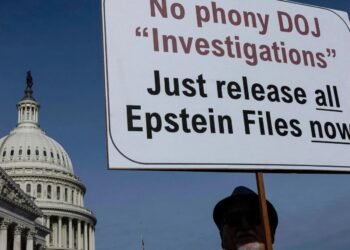 Epstein Files Reveal Trump Officials’ Emails with Financier
 Thousands Protest ICE in New York Against Trump Deportation Campaign
 Trump-Petro Meeting Sparks Hopes of Diplomatic Detente
 Epstein UAE Emails Shake British Royal Andrew’s Legacy
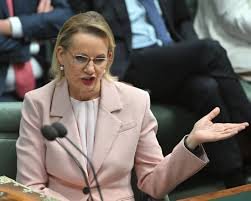 Liberal Fallout: Taylor Challenge Casts Shadow Over Sussan Ley’s Leadership
 Ukraine, Russia Meet in Geneva Ahead of War Anniversary
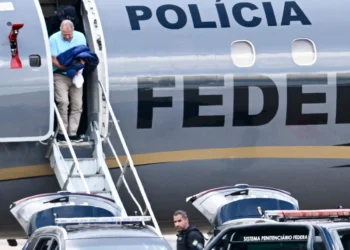 Brazilian Politician Brothers Sentenced for Marielle Murder
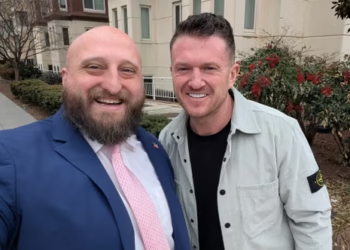 Tommy Robinson Meets Trump Officials at US State Department
 HMS Dragon to Head to Cyprus Amid Rising Tensions
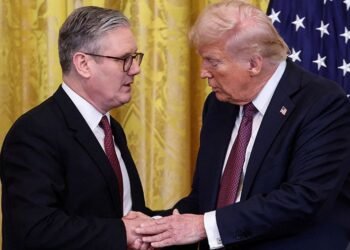 Starmer Praised for Stance on Trump and Iran Conflict
 Yvette Cooper: UK Must Follow Principles, Not US Pressure
 UK Ministers Signal Strategic Independence From Trump Demands
 Florida Governor renames Palm Beach Airport for Donald Trump
 Farage Shuns Truss as US Right-Wing Roadshow Hits London
 European Leaders Slam Hungary Over Alleged Russian Ties
 Starmer Urges Ambitious EU Ties Amid Middle East Conflict
 A Global Voice For Justice: Stephen Lewis Dies At Age 88
 Trump Mocks Starmer and UK Carriers in White House Speech
 Final Countdown as Trump Deadline Looms Over Tehran
 Starmer visits Gulf as US and Iran agree ceasefire
 GOP Senator Criticizes Trump’s Feud With Pope Leo XIV
 Global Oil Prices Surge Amid Renewed Gulf Tensions
 Faith and Power: Catholics React to Trump-Pope Feud
 Timor-Leste Faces Tough Questions Over Resort Proposal
 Security Scrutiny After Washington Shooting Incident
 Aukus Submarine Plan Faces Critical Failures
 UK Envoy Sparks Controversy Over Special Relationship Claims
 US Calls Australia Media Law “Foreign Extortion”
 USS Gerald R Ford Ends Record Naval Deployment
 Activists allege abuse after Gaza flotilla seizure
 Global order shifts amid Trump-era turmoil
 Australia pushes Pacific security pact amid China tension
 Indiana Republicans Defy Trump in Key Vote Test
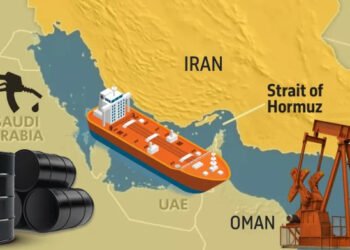 Middle East Crisis Escalates as Oil Routes Shake Markets
 One Nation Candidate’s Surprising Ties to Independents
 Anika Wells Repays Over £5,000 in Travel Claims
 Tensions Emerge in Netanyahu-Trump Alliance
 California Mayor Resigns Over Foreign Agent Charges
 Liberal Senator Criticises Immigration Rhetoric
 Hanson Stunner: Norway Model Sparking Energy Row
 Tony Abbott Returns as New Liberal Party President
 Tulsi Gabbard exits after turbulent intelligence tenure
 UK Urged to Build EU Rejoin Consensus, Says Miliband
 Zelenskyy warns over Oreshnik threat as Kyiv hit
 Discontent grows around Putin amid war strain
 Former ICC prosecutor condemns US sanctions
 Trump Weighs Retreat from Controversial $1.8bn Slush Fund
 Iran Prepares for Massive Six-Day Funeral for Khamenei
 Trump’s Mount Rushmore Speech: A Divisive Anniversary
 Iran Mourns: Millions at Khamenei’s Final Procession
 Starmer Braces for Nato Spending Clash in Ankara
 Trump Swaps Planes Amid Iran Tensions
 House Democrats Divided Over Israel Military Funding Bid
 Houthis Strike Saudi Arabia as Middle East Tensions Rise
 Taliban global ties grow as rights fears mount