Published: 01 February 2026. The English Chronicle Desk. The English Chronicle Online
Iran’s Supreme Leader Khamenei Warns US Attack has issued a stark warning that any military strike by the United States against Iran would trigger a far wider regional conflict, escalating tensions that have already reached a critical level across the Middle East. His remarks come as Washington continues to reinforce its military presence near Iran, while diplomatic signals from both sides suggest parallel efforts to keep negotiation channels open, even as rhetoric hardens.
Speaking through Iran’s semi-official Tasnim news agency, Khamenei said American leaders should fully understand consequences of their actions. According to his statement, if Washington were to initiate hostilities, conflict would not remain limited to Iran alone. Instead, it would spread across region, drawing in multiple actors and destabilising already fragile security balance. His words reflected long-standing Iranian concerns that US military pressure aims not merely at deterrence, but at reshaping regional order through force.
Khamenei dismissed repeated references by former US President Donald Trump to American naval deployments in nearby waters, saying such displays would not intimidate Iranian society. He argued that Iran had faced similar threats before and would not be cowed by warships or military manoeuvres. His comments followed confirmation by US Central Command that aircraft carrier USS Abraham Lincoln had been deployed to Arabian Sea, as part of what Washington describes as a defensive build-up.

Trump, who has again taken a central role in shaping US foreign policy debate, recently said Iran was engaged in what he described as “serious discussions.” He expressed hope those talks could produce an outcome acceptable to Washington, though he did not clarify details. At same time, Iran’s senior security figure Ali Larijani acknowledged progress toward a negotiation framework, signalling that despite public threats, both sides recognise risks of uncontrolled escalation.
Yet those diplomatic hints exist alongside sharp ultimatums. Trump has repeatedly warned that US intervention would follow if Iran continued advancing nuclear capabilities or failed to halt its violent crackdown on domestic protests. On Thursday, he stated that Tehran had been given two clear conditions to avoid military action: abandoning any nuclear weapons ambition and ending lethal force against demonstrators.
Those protests, which erupted in late December, have marked one of most intense periods of unrest in Iran in recent years. According to US-based Human Rights Activists News Agency, more than 6,300 people have been confirmed killed since demonstrations began, with investigations ongoing into reports of thousands more deaths. Another organisation, Norway-based Iran Human Rights, has warned that final toll could exceed 25,000. Protesters interviewed by BBC described a level of violence unlike anything they had previously witnessed, portraying a security response that relied heavily on live ammunition and mass arrests.
Iranian authorities reject those figures and narrative. In his remarks, Khamenei accused protesters of attacking police stations, Revolutionary Guards bases, banks, and even mosques. He characterised unrest as an attempted coup, insisting state forces had restored order. This framing aligns with official Iranian media portrayal of demonstrations as foreign-inspired sabotage rather than popular dissent.
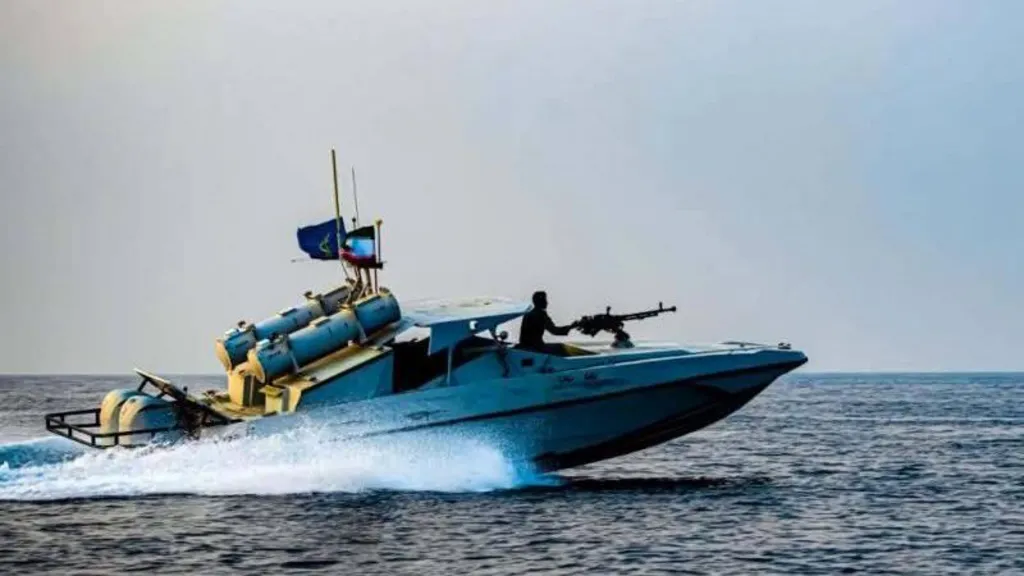
Against this backdrop, regional tensions have also focused attention on Strait of Hormuz, one of world’s most critical maritime chokepoints. Roughly one-fifth of globally traded oil passes through narrow waterway, which measures only about 33 kilometres at its narrowest point between Iran and Oman. Iran has long stated that if it were attacked, it could close strait, a move that would send shockwaves through global energy markets and likely provoke immediate international response.
Over weekend, speculation grew that Iran might conduct live-fire naval exercises in strait, raising fears of miscalculation with US forces operating nearby. However, Reuters quoted an Iranian official saying that Islamic Revolutionary Guards Corps navy had no plans for such drills. US officials, meanwhile, warned Iran against what they described as unsafe or unprofessional behaviour near American ships, underscoring how easily routine manoeuvres could spiral into confrontation.

Iran’s Foreign Minister Abbas Araghchi responded sharply to those warnings, accusing Washington of attempting to dictate how Iran’s armed forces should conduct exercises in their own territory. His comments reflected broader Iranian resentment toward what it views as American overreach and double standards in region.
Adding to climate of anxiety, two separate explosions in Iran over weekend further unsettled public mood. In southern port city of Bandar Abbas, a blast killed one person and injured fourteen others. Local authorities said explosion resulted from a gas leak, and Tasnim news agency denied widespread social media rumours claiming a senior Revolutionary Guards naval commander had been targeted. In south-western city of Ahvaz, another explosion killed at least four people, with officials again attributing incident to a gas leak. While authorities dismissed any link to sabotage or political violence, timing of incidents amplified public unease during an already volatile period.
International observers note that Iran’s warnings about a regional war are not merely rhetorical. Tehran maintains extensive networks of allies and proxy forces across Middle East, including in Iraq, Syria, Lebanon, and Yemen. Any direct US strike could activate these networks, potentially leading to attacks on American interests and allies across multiple fronts. Such scenario would risk drawing Israel, Gulf states, and other regional powers into conflict, transforming a bilateral confrontation into a far broader war.
At same time, analysts argue that both Washington and Tehran understand catastrophic costs of open conflict. Military deployments, public threats, and symbolic gestures may serve as tools of leverage rather than preludes to war. Diplomatic signals from figures like Larijani suggest Iran remains open to negotiations that could ease pressure, while Trump’s comments about ongoing discussions indicate Washington may also be seeking a deal that satisfies domestic political demands without resorting to force.
Nevertheless, history of mistrust between two countries complicates any path forward. US withdrawal from previous nuclear agreement and subsequent sanctions campaign deeply damaged confidence in Tehran, while Iran’s nuclear advances and regional activities hardened opposition in Washington. Each side questions sincerity of other, raising risk that misinterpretation or accident could ignite conflict neither truly wants.
For region already grappling with wars, humanitarian crises, and fragile economies, prospect of another major confrontation looms as a dire threat. Oil markets remain sensitive to developments in Gulf, and even rumours of disruption in Strait of Hormuz can drive price volatility worldwide. Beyond economics, human cost of any escalation would be severe, particularly for civilians in conflict zones where proxy forces operate.
Khamenei’s warning therefore resonates beyond Iran’s borders. It serves as a reminder that decisions taken in Washington or Tehran could reverberate across continents. Whether current standoff evolves into negotiation or confrontation will depend on restraint, diplomacy, and ability of leaders on both sides to step back from brink, even while projecting strength to domestic audiences.
For now, Middle East watches cautiously as warships patrol narrow seas, protesters mourn their dead, and diplomats work behind scenes. Stakes remain extraordinarily high, and margin for error perilously thin.
Related News:
 British Woman in Iran ‘Losing Hope’ Amid Ongoing Detention
 BBC to Apologise Over Edited Trump Speech Amid Backlash
 Britain deploys RAF specialists to assist Belgium with drone threats
 US Justice Department Files Lawsuit Against California Over Partisan Voting Maps
 Greene Pushes Epstein Files Amid Trump Fallout
 Trump Deploys DHS to Charlotte in Major Arrest Operation
 December Run-Off in Chile as Election Produces No Winner
 Canada Passes Carney’s First Budget in Tight Parliamentary Vote
 Shadow Fleet at Sea: Europe’s Battle Against Illicit Oil Shipping
 Pentagon Officials in Ukraine to Discuss War End
 Venezuela Threatens Nobel Winner Machado with Fugitive Status
 Georgians Defy Government Crackdown After Year of Protests
 India’s Labour Law Overhaul Sparks Fierce Debate
 EU plans $105bn Ukraine aid using frozen Russian assets
 Global campaign launched to free Palestinian leader Barghouti
 Trump Policies Boost China’s Global Rise, Survey Finds
 Iran unrest slows under brutal crackdown and global tensions
 Pentagon Signals Reduced Role in Deterring North Korea
 Thousands Protest ICE Operations in Nationwide US Day of Action
 Epstein Files Reveal Trump Officials’ Emails with Financier
 Starmer Condemns ‘Depraved’ Russian Strikes on Ukraine
 Herzog visit sparks protests across Australian cities
 Sydney Protest Escalates and Elderly Woman Suffers Severe Injury
 Tarique Rahman’s Rise Toward Bangladesh’s Top Job
 Glass Cliff Debate After Ley’s Ouster
 AFP Reviews Pauline Hanson Comments
 Duterte ICC Hearing Begins Amid Defiance
 Trump Tariffs Threat Spark UK and EU Alarm
 Difficult Grace Tame Label Ignites Fury and Debate Down Under
 The Dangerous Rise of Remigration Across Modern Europe
 Trump’s Marathon Speech Fails to Mask a Growing National Disconnect
 US to offer passport services in West Bank settlements
 Health Funding Row Rocks US‑Africa Relations
 New UK-EU Reset Faces Criticism from Parliament
 Cuba charges six exiles for terrorism after speedboat raid
 Mojtaba Khamenei Chosen as Iran’s New Supreme Leader
 Iran Defiance Grows Amid US-Israel War Pressure
 US Strikes on Iran Set for Most Intense Day Yet
 Iran Nuclear Stockpile Sparks US Special Forces Debate
 China’s Ethnic Unity Law Set to Reshape Minority Schools
 Moscow Internet Blackouts Raise Censorship Fears
 Republicans Rebuke FCC Threat Over Iran War Coverage
 Oil Prices Surge as IEA Weighs Emergency Release
 Trump Nato threats expose Iran strategy vacuum
 UK Minister Denies Iran Missile Threat to Britain
 Danish Election Deadlock Shakes Frederiksen’s Grip
 Trump to Visit China in May After Iran War Delay
 Pope Rebukes Leaders for War as Middle East Tensions Rise
 Trump to Deploy “God Squad” Over Gulf Wildlife Protections
 Army Probes Apache Flyover at Kid Rock’s Nashville Estate
 Italian Town Buys Mussolini Villa to Keep Away Fascist Fans
 Report Says Pezzullo Acted ‘Recklessly’ in Dealings
 Trump Employs Nixon’s Madman Theory Amid Iran Crisis
 Trump Voices Frustration Over Nato Role in Iran Conflict
 Hungary election: Orbán faces biggest test amid scandal
 Suspected Plot Targets Pipeline Before Hungary Vote
 Trump Slams UK Ties and Threatens To Rewrite Trade Deal
 Southeast Asia Turns to Russia Amid Energy Crisis
 Capitalism ‘Suicidal’, Warns Petro at Climate Summit
 Judge halts deportation of Yemeni refugees in US
 Activists allege abuse after Gaza flotilla seizure
 Trump approval plunges amid Iran war fears
 Ohio’s Battle for Trust: Democrats Vying to Flip the Buckeye State
 US ‘Narco Boat’ Strikes Draw Global Outcry
 Ohio Primaries Set Stage for Crucial Midterms
 Afghan Families Left in Limbo Face Risk of Deportation
 Tensions Emerge in Netanyahu-Trump Alliance
 US Awaits Iran Reply on New Ceasefire Proposal
 Hormuz Talks Near Critical Stage
 Discontent grows around Putin amid war strain
 Starmer Leadership Under Pressure After Setbacks
 House Curbs Trump’s War Powers in Rare Rebellion
 Germany Summons Chinese Envoy Over Russian Troop Training
 New South Wales Premier Chris Minns Signals Tough Road Ahead for Labor
 Le Pen to Run for President Despite Embezzlement Conviction
 Ukraine Creates Long-Range Strike Command
 Le Pen’s Popularity Holds Despite Conviction
 Houthis Strike Saudi Arabia as Middle East Tensions Rise
 Russian Missiles Intensify Pressure on Kyiv
 Former Diplomats Urge UK and France to Act on Palestine