Published: 05 December 2025. The English Chronicle Desk. The English Chronicle Online
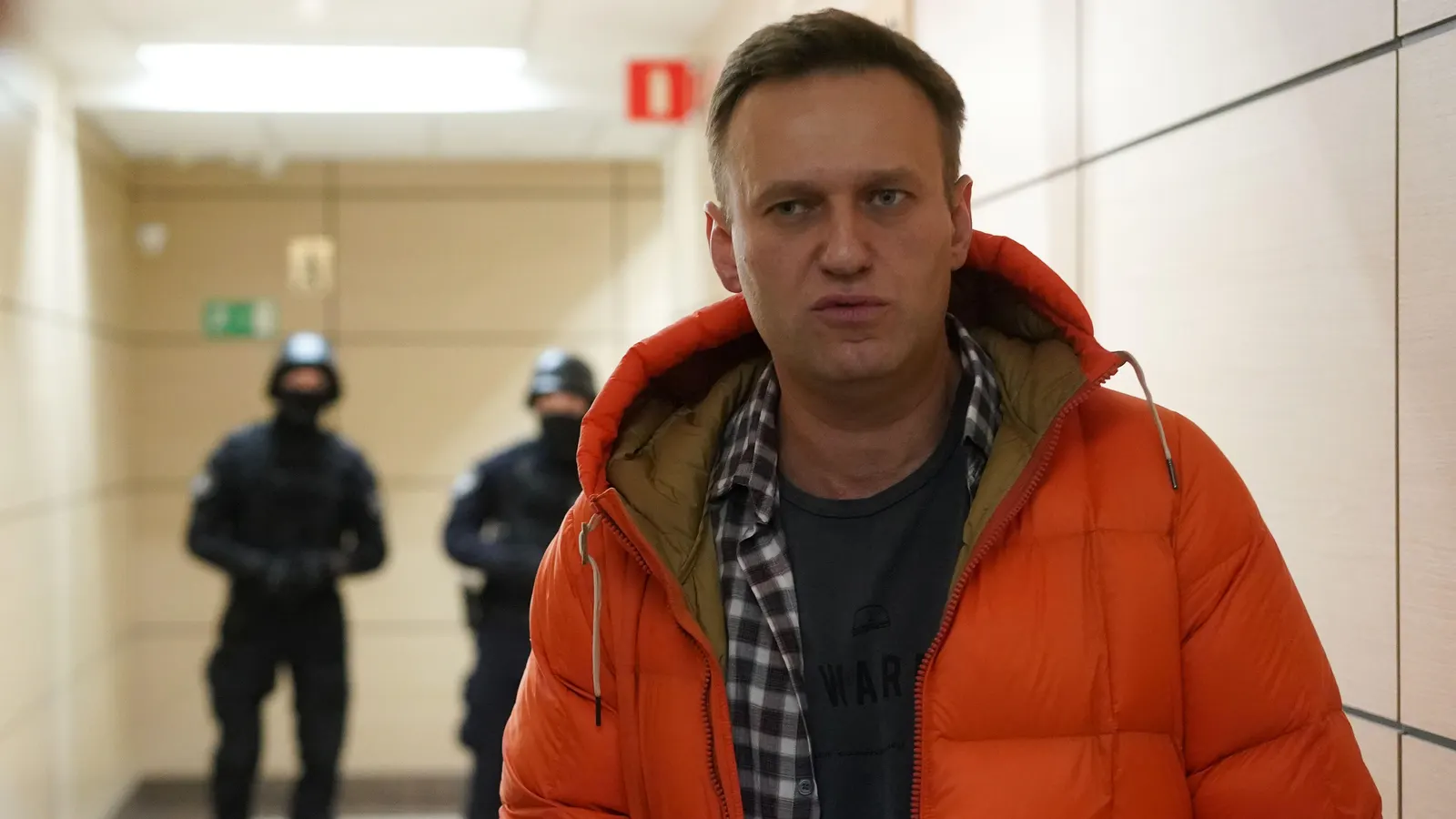
The United Kingdom has called for decisive international action against Russia following allegations that opposition leader Alexei Navalny was poisoned with a rare frog-derived toxin, a senior government official has stated. Speaking in London, UK Foreign Office Minister Jeremy Cooper emphasised the need for accountability and diplomatic pressure to prevent further attacks on political dissidents.
Navalny, a prominent critic of the Russian government, reportedly fell ill under mysterious circumstances earlier this year. Medical examinations conducted abroad identified traces of a neurotoxic compound derived from amphibians, a substance previously unreported in political attacks. Authorities say the unusual nature of the toxin highlights both the audacity and the sophistication of the alleged assassination attempt.
Cooper stressed that the UK is working closely with international partners, including the European Union and NATO allies, to investigate the poisoning and explore coordinated sanctions against those responsible. “We cannot allow the use of exotic and lethal toxins to intimidate political opponents with impunity,” he said. “Action must be taken to uphold the principles of international law and human rights.”

The announcement follows growing calls from human rights organisations for a thorough and independent investigation into the attack. Experts warn that unconventional poisons present new challenges for security services and medical personnel, complicating detection, treatment, and attribution. The alleged frog toxin, sourced from species native to remote regions, demonstrates a disturbing evolution in methods used to target dissidents.
Navalny’s supporters have condemned the attack as part of a broader pattern of intimidation against critics of the Russian state. Activists have called for stronger global coordination to protect opposition figures, highlighting previous attempts on Navalny’s life and other high-profile poisoning cases. They argue that international visibility and diplomatic pressure are essential to deter further assaults.
Cooper outlined a range of potential measures, including targeted sanctions on individuals linked to the poisoning, restrictions on travel, and freezing of assets. He also urged the Russian government to cooperate fully with international investigators, warning that failure to do so could result in escalating diplomatic and economic consequences.
Analysts say the case underscores rising tensions between Russia and Western nations over human rights abuses. The use of exotic toxins introduces a new dimension to these disputes, raising concerns about unconventional weapons being employed to silence opposition voices. The UK government’s statement signals its intention to maintain pressure on Moscow while advocating for broader international action.
Medical authorities involved in the case described the recovery process for Navalny as delicate, requiring specialised treatment and monitoring. Health professionals caution that identifying rare toxins is a complex procedure, often necessitating collaboration across multiple countries and laboratories. This incident has prompted renewed focus on chemical and biological security measures globally, with governments reassessing protocols for detecting and responding to novel poisons.
The international response has included statements from the European Parliament and human rights organisations condemning the attack and calling for sanctions. Cooper indicated that the UK is coordinating with these bodies to ensure a unified approach, emphasising that protecting political freedom and civil liberties remains a central priority.
While Russia has denied involvement, Western officials have expressed skepticism, pointing to a history of politically motivated attacks on dissidents. Analysts note that the allegations of frog toxin use, if confirmed, would represent a significant escalation in methods employed against political opponents, demonstrating both ingenuity and disregard for human life.

The case has prompted renewed debate about international norms regarding targeted attacks and the responsibility of governments to protect dissidents abroad. Cooper affirmed that the UK will continue to advocate for accountability and transparency, stressing that attacks on political figures anywhere undermine global stability and the rule of law.
Related News:
 UK Home Office to Launch French Beach Signage to Warn Asylum Seekers of Risks
 Father’s Tip Leads to Arrest in Charlie Kirk Murder Case
 Charlie Kirk Killing Used to Mobilise UK’s Largest Far-Right Rally in Decades
 UK and Ireland Set to Unveil New Proposals to Address Northern Ireland’s Troubles Legacy
Channel Crossings Surge: Over 1,000 People Arrive in the UK in Small Boats in a Single Day
UK and Ireland Set to Unveil New Proposals to Address Northern Ireland’s Troubles Legacy
Channel Crossings Surge: Over 1,000 People Arrive in the UK in Small Boats in a Single Day
 UK Recognises State of Palestine in Push to Preserve Hope for Peace
 Jailed Georgian Opposition Leaders Warn UK of Iranian Links to Ruling Party
 China’s Mega Embassy in London Faces Further Delay
 Prince Andrew met alleged Chinese spies during Pitch@Palace China trips
 Kosovo agrees to host Britain’s refused asylum seekers
 UK University Faces Counter-Terror Probe Over China Pressure
 Second world war veterans honoured as King leads Remembrance Sunday
 Ukraine-Russia war latest: Putin’s troops exploit bad weather to force Kyiv withdrawal from multiple towns
 New Epstein Files Spark Political Clash in Washington
 Ukraine Energy Corruption Scandal Hits Zelensky’s Inner Circle
 New review urges UK to repatriate Shamima Begum, others from Syria
 Hasina Rejects Allegations Ahead of Bangladesh Tribunal Verdict
 Indian authorities demolish Kashmir home linked to Red Fort blast
 Greene Pushes Epstein Files Amid Trump Fallout
 UN Security Council Approves Trump’s Gaza Peace Plan
 WhatsApp Messages Expose Nathan Gill’s Bribery
 Venezuela Threatens Nobel Winner Machado with Fugitive Status
 Trump Envoy to Discuss Ukraine Peace at Kremlin
 Video shows Israeli troops kill Palestinians after surrender
 Guinea-Bissau President Flees After Military Coup
 Emails Show Epstein Funded Mandelson’s Husband After Jail
 Saif al-Islam Gaddafi Reportedly Killed in Libya Shooting
 Kinnock’s Rebuke Echoes Loudly as Corbyn Allies Launch Left-Wing Breakaway: “A Gift to Farage”
 UK and Norway Forge Stronger Ties Through Joint Sanctions and Enhanced Defence Cooperation
 Trump Administration Dismisses 17 Immigration Judges, Sparking Debate Over Judicial Independence
 UK Must Act with Courage and Clarity on Israel-Palestine Conflict, Says Foreign Affairs Committee Report
 Northern Ireland Family of Three Shot Dead in Maguiresbridge Home Incident
 Seventeen Dead as Russia Targets Ukrainian Prison in Devastating Airstrike
 Trump Threatens 100% Tariff on Nations Importing Russian Oil Amid India Standoff Over Ukraine War
 Radioactive Leak at UK’s Nuclear Warhead Base Sparks Outcry Over Safety and Secrecy
 Mass Arrests in London as Protest Defies Ban on Palestine Action
 Mutual Inconvenience: Why Alaska Was Chosen for the Trump-Putin Summit on Ukraine
 Hong Kong Summons UK and Australian Envoys Following Asylum Grants to Democracy Activists
 Is the UK Ready to Put Boots on the Ground in Ukraine? Assessing Military Capacity and Challenges
 Urgent Action Needed on Windrush Compensation as Survivors Speak of “Waiting to Die”
 Conservative Influencer Charlie Kirk Fatally Shot During University Debate
 Thousands Gather in London to Protest Donald Trump’s Second UK State Visit
 Zarah Sultana Seeks Legal Action After Bitter Clash with Jeremy Corbyn Over Party Membership Funds
 Widow of Charlie Kirk Forgives Killer at Emotional Memorial Service
 Yvette Cooper Signals Global Momentum Towards Gaza Peace Deal Amid Humanitarian Crisis
 A Third of EU Citizens in UK Report Discrimination by Public Bodies Post-Brexit
 Public Trust in SNP Hits Historic Low Amid NHS Concerns
 Johnson Suggests Mandelson Linked to China Spy Controversy
 Rachel Reeves signals welfare reform ahead of key budget
 Ireland Votes as Two Women Compete for Presidency
 Russia’s Latest Push to Win US Favors Shows Deep Desperation
 WW2 Pilot’s Long-Lost Crash Site Unearthed in Essex
 Experts Warn Russia’s Burevestnik Missile Could Destabilise Arms Control
 French Taxi Driver Cleared in David Lammy Theft Case After Fare Dispute
 Just Stop Oil Protesters Convicted Amid Climate Defence Row
 BBC to Apologise Over Edited Trump Speech Amid Backlash
 Britain deploys RAF specialists to assist Belgium with drone threats
 Trump Urges Herzog to Grant Netanyahu Full Pardon
 Trump Deploys DHS to Charlotte in Major Arrest Operation
 December Run-Off in Chile as Election Produces No Winner
 Canada Passes Carney’s First Budget in Tight Parliamentary Vote
 Shadow Fleet at Sea: Europe’s Battle Against Illicit Oil Shipping
 Deadly Russian Strikes Hit Western Ukraine, 20 Killed in Ternopil
 Pentagon Officials in Ukraine to Discuss War End
 India’s COP30 Delay Raises Global Climate Concerns
 Most Tories Expect to Support a Farage-Led Government
 Two National Guard Soldiers Critically Injured Near White House
 Georgians Defy Government Crackdown After Year of Protests
 Southern Lebanon reels as Israeli strikes shatter communities
 Jordan Bardella: France’s Young Presidential Contender
 American Mother Extradited From UK to U.S. on Murder Charges
 Russia losses Ukraine war peace talks intensify amid rising deaths
 Albanese Opens Door to Bondi Royal Commission Amid Rising Pressure
 Trump Escalates Minnesota Immigration Surge Amid Rising Tensions
 Iran Protesters Defy Crackdown as Violent Clashes Intensify
 EU weighs response amid Greenland tariff crisis with Trump
 EU Says US Ties Have Suffered ‘Big Blow’ After Greenland Crisis
 Police response times face strict new national limits
 Israel Moves to Bar MSF From Gaza Operations
 After the Landslide: Can India Reset Ties with BNP Bangladesh?