Published: 17 February 2026. The English Chronicle Desk. The English Chronicle Online
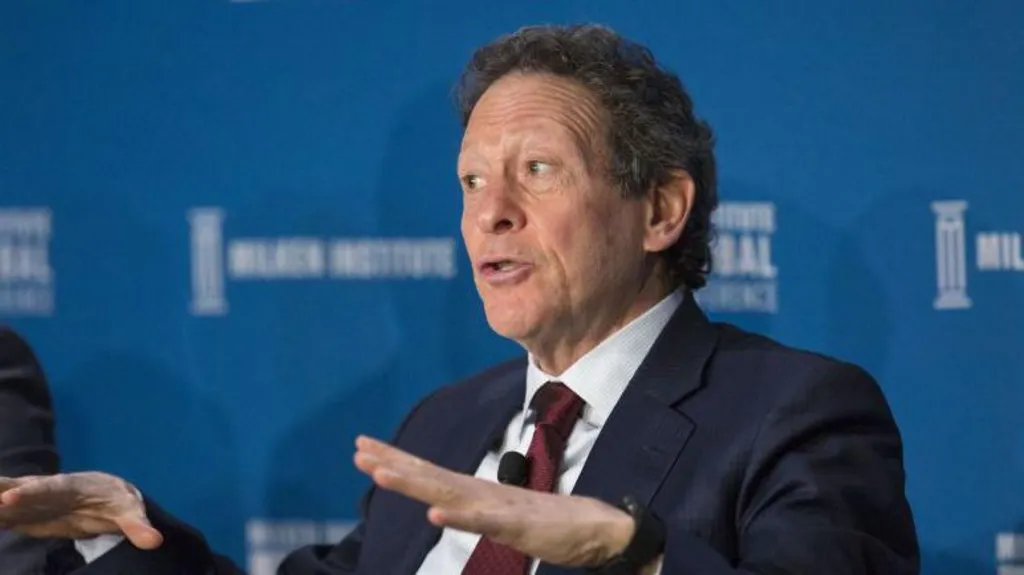
The chairman of Hyatt Hotels Corporation has resigned following revelations of past associations with Jeffrey Epstein, the convicted financier whose network of abuse and exploitation has prompted global scrutiny. The decision comes amid mounting pressure from shareholders, advocacy groups, and the public, who have demanded accountability from corporate leaders with any connection to Epstein.
Sources familiar with the matter indicate that the chairman had indirect business and social ties to Epstein, dating back several years, which have now come under renewed investigation. While there is no evidence that Hyatt Hotels as a company was directly involved in any wrongdoing, the disclosure has raised ethical concerns regarding corporate governance and the reputational risks associated with leadership connections.

In a statement released by the company, Hyatt Hotels said: “The board of directors has accepted the resignation of our chairman with immediate effect. We remain committed to maintaining the highest standards of ethical conduct, transparency, and accountability across all levels of our organisation.” The company also stressed that its internal review found no operational or financial impropriety linked to Epstein, but acknowledged the importance of public trust and leadership integrity.
The resignation has triggered a wider debate about the responsibilities of corporate leaders whose past associations may conflict with contemporary ethical expectations. Advocates for corporate accountability argue that executives must not only ensure compliance within the business but also exercise personal judgment in avoiding ties that could damage stakeholder confidence.
Shareholders reacted swiftly, with several investment firms welcoming the decision as a necessary step to safeguard the company’s reputation and reassure clients and partners. Analysts suggest that Hyatt’s proactive response may mitigate potential fallout and preserve long-term investor confidence, especially in an industry where brand perception and public trust are critical.
Legal experts note that while the resignation addresses public relations and ethical concerns, ongoing scrutiny of Epstein-related connections continues across multiple sectors. Companies worldwide are evaluating the backgrounds of board members, executives, and consultants to identify any indirect links to Epstein and to ensure compliance with governance best practices.
The hospitality industry, which frequently intersects with high-net-worth individuals and influential networks, has faced heightened attention in recent years regarding associations with Epstein. Hyatt’s response, including the immediate acceptance of the chairman’s resignation, is being viewed as an example of how firms can act decisively when reputational risks arise.
The departing chairman has not publicly commented on the resignation, but insiders suggest the decision was reached in consultation with board members to prevent prolonged controversy and maintain organisational stability. The board is expected to appoint an interim chairman while searching for a permanent replacement who meets the company’s ethical and professional standards.
Observers note that Hyatt Hotels’ swift action contrasts with some other corporations that have faced criticism for delaying responses to similar revelations. By prioritising transparency and accountability, the company aims to reassure stakeholders, including employees, guests, investors, and the wider public, that it takes leadership ethics seriously.
Advocacy groups emphasise that the incident serves as a reminder of the importance of due diligence in corporate governance. They argue that executives’ past associations, even if indirect or social, can have significant consequences for organisational credibility and public perception, particularly in sectors such as hospitality, finance, and high-profile public enterprises.

The resignation is also expected to influence broader discussions in the corporate sector about ethical leadership and the responsibilities of executives in addressing reputational risks proactively. Experts suggest that firms may increasingly implement enhanced vetting processes, background checks, and public disclosure policies to prevent similar controversies in the future.
While the immediate focus remains on Hyatt Hotels’ leadership transition, analysts note that the incident underscores the ongoing impact of the Epstein scandal, which continues to resonate across multiple industries more than a decade after his criminal activities were exposed. Stakeholders and the public are likely to continue monitoring corporate responses closely, evaluating both the substance and timing of remedial actions.
Related News:
 Supreme Court Ruling on Car Finance Scandal Poised to Impact Millions of Motorists and Banks
 David Lammy Faces Possible Legal Challenge Over Foreign Office Secondment Scheme
 UK Advertising Watchdog Faces Criticism Over Its Own Campaigns
 Lucy Powell urged ministers to reconsider costly legal case for Labour donor’s firm
 Tories Push to Dilute Labour’s Workers’ Rights Bill
 Virgin Media Fined £23.8m Over Telecare Safety Failures
 HMRC Delays Leave Taxpayers Waiting Over a Year for Refunds
 Study Finds One in Seven England Takeaways Are Dark Kitchens
 Post Office Scandal Compensation Tops £1 Billion as Victims Finally See Justice
 Trump Administration Dismisses 17 Immigration Judges, Sparking Debate Over Judicial Independence
 Tensions Unfold in Market Harborough as Asylum Seeker Hotel Sparks Divisive Protests
 Northern Ireland Family of Three Shot Dead in Maguiresbridge Home Incident
 How to Exit Your Broadband Contract Without Paying Exit Fees
 Targeted Attack in Bury Sparks Murder Investigation as Community Awaits Justice
 Man Remanded After Children Fall Ill at Leicestershire Summer Camp in Shocking Child Cruelty Case
 Diageo Faces Profit Slump and Tariff Blow Amid Leadership Crisis
 Diane lost her husband to a reckless driver — and the long wait for justice was nearly just as agonizing.
 China’s crackdown on civil servant perks sparks economic concerns
 Chancellor Rachel Reeves Pushes for Sweeping Changes to Environmental Protections to Accelerate Development
 Inflation Latest: Cost of Living Expected to Rise Again in Key Figures Released Today
 Merseyside Police Helicopter Crew Cleared After Low-Altitude Pursuit of Suspect
 High Court Rules Against Noel Clarke in Libel Case Against Guardian Publisher
 Retail Sales See Uptick Amid Errors and Delays as ONS Faces Scrutiny
Shein UK Faces Allegations of Shifting Majority of Profits to Singapore to Reduce UK Tax
Retail Sales See Uptick Amid Errors and Delays as ONS Faces Scrutiny
Shein UK Faces Allegations of Shifting Majority of Profits to Singapore to Reduce UK Tax
 Tanni Grey-Thompson Faces Abuse Over Opposition to Assisted Dying Bill
 UK Launches Major Crackdown on Networks Profiting from Online Child Sexual Abuse
 Big Pharma Investment Freeze Puts UK Life Sciences Sector Under Strain
 Jaguar Land Rover Extends Production Halt Following Cyber-Attack
 Great Britain’s Energy Operator Commits to Strengthening Grid to Prevent Blackouts
 Mahmood Pledges Reform of Modern Slavery Laws After Court Blocks Deportation Appeal
 UK Government Backs Return of International Rail Travel to Kent Stations
 GSK Chief Executive Emma Walmsley to Step Down After Eight Years at the Helm
 No Evidence Found to Substantiate Alleged Rape in Oxfordshire Churchyard, Police Confirm
 Wetherspoon vows to keep prices low amid soaring energy and tax costs
 UK House Price Growth Slows as Buyers Exercise Caution Ahead of Autumn Budget
 Digital ID Plans Ignite Debate Over £600m Treasury Tax Boost and Privacy Concerns
 Kemi Badenoch Unveils ‘Golden Rule’ to Halve Spending Cuts for Deficit Reduction at Tory Conference
 New V-Level qualification to transform post-16 education
 Real living wage set to rise nearly 7% for UK workers in 2026
 Reeves Faces Setback as Labour May Miss Homes Target
 Virgin Trains Moves Closer to Challenging Eurostar Monopoly
 Trump’s UK Ambassador Urges North Sea Drilling to Strengthen US Ties
 Ryanair Chief UK Economy ‘Doomed’ Under Labour
 French Taxi Driver Cleared in David Lammy Theft Case After Fare Dispute
 M&S Profits More Than Halve After Cyber-Attack
 King Charles to Lead Nation in Remembrance Sunday Service
 Millionaires group urge Reeves to introduce wealth tax to ‘lift kids out of poverty’
 From Lego to Pokémon: How Adults Are Driving UK Toy Market Growth
 Trump Urges Herzog to Grant Netanyahu Full Pardon
 Major Rent Reform Ends No-Fault Evictions in England
 Trump Deploys DHS to Charlotte in Major Arrest Operation
 Canada Passes Carney’s First Budget in Tight Parliamentary Vote
 Serial Rapist and Former Cop Found Guilty Again
 Man Denies Stealing Bronze Age Gold from Museum
 Runaway Driver Caught by DNA Evidence
 US National Guard Member Killed in DC Shooting
 ICC to Rule on Duterte’s Provisional Release
 Tokyo court rules Japan’s same-sex marriage ban constitutional
 Starmer Says Labour’s Economic Plan Needs Years to Deliver
 Historic £100-Weekly Pension Boost Brings Relief for UK Mineworkers
 FTSE 100 Hits 10,000: UK Market Celebrates Record Year
 Metals and Mining Stocks Lift FTSE 100 to Record Close
 Woman Jailed for Life After Killing E-Bike Rider in Tragic Mistaken Identity Case
MPs warn AI financial risks threaten UK stability
Woman Jailed for Life After Killing E-Bike Rider in Tragic Mistaken Identity Case
MPs warn AI financial risks threaten UK stability
 American democracy faces crisis after Trump’s return
 US Dollar Hits Four-Year Low Amid Market Turmoil
 Amazon mistakenly signals new global layoffs to employees
 Households in England Face Rising Water Bills in April
 UK New Car Discounts Near £6,000 as Prices Are Slashed
 Police Doubt Fugitive Dezi Freeman Survived Bushland
 Epstein Files Release Sparks Renewed Outrage Over Withheld Records
 Australia’s Opposition Coalition Reunites After Rift
 Pound Sinks and Borrowing Costs Rise as Starmer Fights for Job
 London Loses Its Grip on Ambitious Young Workers
 Major UK Clothing Firm Collapses into Administration — 109 Jobs at Risk
 Telstra AI jobs cuts as automation drive expands
 BT Names New Openreach Chief Amid Major Fibre Expansion
 Is Dining Out Dying Out?
 Could Manchester Lead the UK’s Economic Revival?
 Motorists Could Face ‘Mandatory’ Driving Ban for Road Offences Under Tougher Laws