
Published: 20 February 2026. The English Chronicle Desk. The English Chronicle Online
Hollywood is facing a fresh wave of anxiety — not from box-office flops or streaming wars, but from a Chinese-developed AI app that can create near-cinematic video clips from simple text prompts, provoking alarm among major studios and creatives alike. The technology, known as Seedance 2.0, has quickly gone viral after users generated hyper-realistic footage featuring world-famous actors and fictional characters, sparking intense debate about the future of filmmaking and intellectual property in the age of artificial intelligence.
Seedance 2.0 is an advanced AI video generation model developed by Chinese tech giant ByteDance, the parent company of TikTok. Unlike many earlier AI systems that produced static images, this model can generate short but impressively lifelike video content complete with visuals, sound and dialogue from just a few written lines. In multiple examples shared online, the tech was used to create imagined scenes — such as digital likenesses of Tom Cruise and Brad Pitt fighting on a rooftop — with production value that stunned industry observers.

For many in Hollywood, the sudden proliferation of these AI-generated clips has raised alarm bells. Leaders of the Motion Picture Association accused Seedance of “unauthorised use of US copyrighted works on a massive scale,” saying the app’s output often leans on images and characters from well-known films and franchises without permission. Studios argue this could undermine traditional licensing models and threaten jobs for creators, actors, writers and technicians who rely on existing intellectual property and structured production pipelines.
Major entertainment companies have responded swiftly. Disney, one of Hollywood’s most powerful studios, reportedly sent a cease-and-desist letter to ByteDance, alleging that Seedance has been infringing on its vast catalogue of copyrighted characters — from superheroes to iconic figures — and urging the company to halt the use of protected content. Similar pushback has come from other studios and streaming platforms concerned about the implications of unregulated AI content.
Industry veterans have been candid about the impact. One prominent screenwriter behind hit films described the viral AI clip as a “game-changer” and warned that tools like Seedance could allow individuals to produce studio-quality videos with minimal resources, a development some see as posing an existential challenge to traditional filmmaking.
The controversy underscores a deeper tension in the global entertainment landscape: while AI promises new creative tools and efficiencies, it also raises profound questions about copyright, job security, artistic ownership and regulation. Critics of Seedance and similar technologies argue that without clear legal frameworks and safeguards, such tools could erode the value of creative labor and diminish control over how beloved characters and stories are used.
ByteDance has responded to criticism by saying it will work to “strengthen safeguards” to prevent misuse of copyrighted content and protect creative rights — but for now, the tech’s rapid rise and viral impact have already sent ripples through Hollywood.

As the debate continues, the Seedance phenomenon highlights broader global anxieties about AI’s role in creative industries, especially as technology developed in one part of the world begins to influence cultural and economic power structures elsewhere. Whether this sparks new industry standards, legal challenges or cooperative frameworks between studios and AI developers remains to be seen — but for now, Hollywood’s panic over Seedance 2.0 reflects a world grappling with the disruptive potential of artificial intelligence.
Related News:
 British AI Startup Outshines Human Forecasters in Global Prediction Contest
 Pokémon to open world’s first theme park in Japan next year
 UK New Car Discounts Near £6,000 as Prices Are Slashed
 Netflix and Paramount Are Battling for Warner Bros. — Who Is Likely to Win?
 Modi’s London Visit Seals Historic UK-India Trade Pact Amid Global Tensions
 A New Wrestling Revolution: Fox Nation Teams with Hulk Hogan and Eric Bischoff for Groundbreaking League
 Anglian Water Fined £63 Million Over Sewage Scandal Amid National Outrage
 How to Exit Your Broadband Contract Without Paying Exit Fees
 Unseen Killers of the Deep Inside the UK Lab Uncovering the Silent Deaths of Sea Creatures
 Gen Z Embraces the Big, Bold ‘Fake’ Indian Wedding Party Trend
 Permission Granted for Britain’s First Vertical Rocket Launch at Shetland Spaceport
 China’s crackdown on civil servant perks sparks economic concerns
 Government Expands Electric Car Grant Scheme, Offers Discounts on Five More Models
 Terence Stamp, ’60s British Film Legend and Star of Superman, Dies at 87
 Ed Davey Urges Government to Block Elon Musk’s Tesla from Supplying UK Home Energy
 Kneecap Pushes Forward with European Tour Despite Hungary Ban and Canceled Gigs
 Shein UK Faces Allegations of Shifting Majority of Profits to Singapore to Reduce UK Tax
 Apple Unveils Ultra-Thin $999 iPhone Air at “Awe-Dropping” Annual Event
 Merck Abandons £1bn London Research Hub and Cuts 125 Jobs in Blow to UK Life Sciences
 UK and US Forge Landmark Deals to Build Modular Nuclear Reactors Across Britain
 Big Pharma Investment Freeze Puts UK Life Sciences Sector Under Strain
 UK Could Generate Nearly £2bn Annually by Taxing SUVs, New Study Reveals
 Jaguar Land Rover Extends Production Halt Following Cyber-Attack
 Indian Court Deals Legal Setback to Elon Musk’s X in Free Speech Battle
 UK Fighter Jet Purchase Could Breach Nuclear Treaty, Warns CND
 Google at 27: The Untold Story of Ruth Kedar, the Woman Behind the Iconic Logo
 Royal Mail Owner Acquires Stake in Collect+ and Launches High Street Rebrand
 Russia repeatedly targets UK military satellites, warns Space Command chief
 Jaguar Land Rover to Resume Production After Cyber-Attack, Launches Supplier Support Scheme
 NHS May Pay 25% More for Medicines Amid US Drug Talks
 Cooper Unveils £4m Cyber Plan Against Russian Hackers
 Watchdog Rules Red Tractor Ad Misled Public on Environmental Claims
 China warns UK over delayed London mega embassy decision
 Fabio Wardley stuns Joseph Parker to earn Usyk title shot
 Rachel Reeves to lead UK trade push in Saudi Arabia amid rights debate
 Bloomsbury chief: AI will aid authors in beating writer’s block
 Experts Warn Russia’s Burevestnik Missile Could Destabilise Arms Control
 Virgin Trains Moves Closer to Challenging Eurostar Monopoly
 Top Christmas Books Reads: Classics to Cozy Romcoms
 UPS Cargo Plane Crash in Kentucky Kills Seven
 Oprah enjoys Meghan’s jam on English muffins
 I’m a Celebrity 2025 line-up revealed: Osbourne joins
 North Sea oil workers must lose weight or face job loss
 Britain deploys RAF specialists to assist Belgium with drone threats
 From Lego to Pokémon: How Adults Are Driving UK Toy Market Growth
 Night after night, Belgium is on high alert.
 New laws to bolster UK’s defences against cyber attacks on NHS, transport and energy
 Hitler’s DNA Confirms He Truly Had Only One Testicle
 Switzerland Rolls Out Charm Offensive to Cut Trump’s 39% Tariffs
 Canada Passes Carney’s First Budget in Tight Parliamentary Vote
 Poll Reveals China Leads World in Trusting AI Technology
 Australia to Ban Social Media for Kids Under-16 Starting December
 UK Taskforce Unveils Plan to Streamline Nuclear Reactor Rules
 India’s Labour Law Overhaul Sparks Fierce Debate
 Carney’s Alberta Pipeline Deal Sparks Immediate Pushback
 UK Car Sales Pass 2 Million as Chinese Brands Surge
 Austrian Airlines Halts Tehran Flights Amid Political Unrest
 Trump Administration Probe of Fed’s Powell Draws Pushback
 US Clears Nvidia AI Chip Sales to China in Policy Shift
 Iran Signals Permanent Break From Global Internet, Activists Warn
 China Halts Nvidia H200 Chips Despite US Export Approval
 MPs warn AI financial risks threaten UK stability
 MPs warn AI financial risks threaten UK stability
 ‘Black Tax’: Burden, Pride and Survival for African Workers
 ‘Repatriate the Gold’: Germany Debates Bringing Reserves Home
 AI job losses UK: Britain faces sharper employment shock
 UK AI avatar firm Synthesia valuation jumps to $4bn
 Amazon mistakenly signals new global layoffs to employees
 Musk Wants City on the Moon Within 10 Years
 Bithumb Bitcoin Mistake Shocks Crypto World
 BT Names New Openreach Chief Amid Major Fibre Expansion
 AI fears hit UK wealth and comparison sites
 Cuban Cigar Festival Cancelled Amid US-Linked Energy Crisis
 Coles Discounts Under Fire in Federal Court
 Robert Duvall dies aged 95, Hollywood mourns
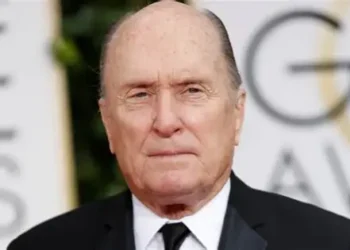 Actor Robert Duvall, Who Starred in The Godfather, Dies Aged 95
 Tourism Is Booming in 2026 — Just Not Where You Think
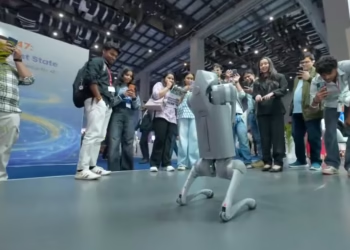 Indian University Kicked Out of AI Summit for Claiming Chinese Robot Dog as Its Own Invention
 China Shows Off Nunchuck‑Wielding Humanoid Robots for Lunar New Year
 Japan Braces as Takaichi Begins New Term with Huge Mandate for Low‑Tax, Ultra‑Conservative Agenda