Published: 24 February 2026. The English Chronicle Desk. The English Chronicle Online.
The Nottingham killer inquiry has heard that race was not the decisive factor in a crucial mental health decision made in 2020. Evidence presented on the opening day focused on why Valdo Calocane was not sectioned after a violent incident while studying in Nottingham. Lawyers told the hearing that professionals weighed several factors, including research on racial disparities in detention, before deciding against compulsory hospitalisation.
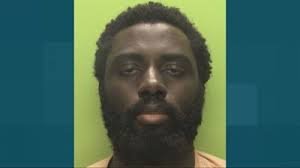
Calocane, who was later diagnosed with paranoid schizophrenia, carried out fatal attacks on 13 June 2023. He stabbed 19-year-old students Barnaby Webber and Grace O’Malley-Kumar, and 65-year-old caretaker Ian Coates. Three other people were seriously injured during the early morning assaults across the city. In January 2024, he received an indefinite hospital order after admitting manslaughter on grounds of diminished responsibility and three counts of attempted murder.
The public inquiry is examining the events and decisions that allowed him to remain at liberty. It is also assessing what changes are needed to protect the public in future. The proceedings opened with detailed accounts of Calocane’s contact with police and mental health services before the attacks.
Counsel to the inquiry, Rachel Langdale KC, described an incident on 24 May 2020. Calocane was arrested after repeatedly kicking and punching a door in student accommodation. A neighbour reportedly restrained him until officers arrived at the scene. At the time, he was enrolled at the University of Nottingham.

Following his arrest, Calocane underwent a mental health assessment. He reported hearing voices and experiencing distressing thoughts. Clinicians concluded he was undergoing a first episode of psychosis. They attributed his condition partly to sleep deprivation and examination stress.
The inquiry heard that one doctor had leaned towards sectioning him. This would have meant detention under the Mental Health Act for assessment. The clinician was concerned about limited knowledge of his risk history. However, a wider team discussion followed before any final decision was made.
During that discussion, professionals considered research about the over-representation of young black men in detention. The inquiry was told that this evidence formed part of the context. It was not presented as the sole or decisive reason. Instead, the team concluded that a crisis service could offer a safe alternative.
Calocane agreed to take prescribed medication and receive home treatment. The crisis team arranged twice-daily visits to monitor his condition. The plan included hospital admission if his mental state deteriorated. According to the evidence, professionals believed this approach balanced care and proportionality.
However, events soon escalated. Shortly after his release, Calocane again targeted a neighbour’s door. The woman inside was so frightened that she jumped from a first-floor window. She sustained serious spinal injuries during her escape. Calocane was arrested once more and then sectioned for approximately three weeks.
This marked the first of four hospital admissions before the 2023 attacks. The inquiry heard that his care involved repeated assessments and treatment adjustments. Concerns were raised at various stages about his compliance with medication.
A later review by the Care Quality Commission examined his treatment. The regulator assessed care provided by the Nottinghamshire Healthcare NHS Foundation Trust between May 2020 and September 2022. Its report identified a series of errors, omissions and misjudgments. It warned that without improvement, risks to patient and public safety would persist.
The Nottingham killer inquiry heard that family concerns were also documented. Calocane’s mother reportedly expressed fears that he was being discharged too early. Despite these warnings, he was first released from hospital on 17 June 2020. Less than a month later, he was sectioned again after forcing entry into a property and assaulting someone.
During a subsequent assessment, clinicians discovered he had stopped taking medication. He had discontinued treatment about two weeks after discharge. The inquiry was told this pattern would repeat in later months. Professionals often relied on his self-reporting about adherence.
Rachel Langdale KC described several instances where Calocane misled healthcare staff. In one episode during 2021, he visited the headquarters of MI5. He claimed to have information about a case and asked to be arrested. Two days earlier, his mother had contacted the crisis team. She was concerned he had again stopped taking medication.
These episodes have become central to the Nottingham killer inquiry. They illustrate the difficulty of managing severe mental illness in community settings. They also raise questions about information sharing between agencies. The inquiry will explore whether stronger intervention powers should have been used sooner.
In a joint statement issued before the hearings, the victims’ families expressed deep frustration. They said they had faced failure and silence for too long. They described the inquiry as a chance to secure accountability. They want systemic neglect to be fully exposed and addressed.
The families of Barnaby Webber, Grace O’Malley-Kumar and Ian Coates have attended proceedings. Their legal representatives stressed that lessons must be learned. They argued that missed opportunities spanned mental health services, law enforcement and judicial processes. They hope the inquiry will drive lasting reform.
The Nottingham killer inquiry is expected to hear extensive expert evidence. Specialists in psychiatry, policing and risk management will give testimony. The chair will consider whether existing safeguards were sufficient. Recommendations may follow on training, oversight and inter-agency communication.
Throughout the opening session, the issue of race was treated carefully. Counsel emphasised that professionals considered broader research when making decisions. However, the inquiry was told that clinical judgment rested on multiple factors. These included presenting symptoms, risk assessments and available alternatives.
The question now is whether those judgments were reasonable in context. Mental health law requires balancing individual liberty with public protection. Detention is a serious step with lasting consequences. Clinicians must apply strict legal thresholds before invoking compulsory powers.

At the same time, the tragic outcome has intensified scrutiny. The Nottingham killer inquiry is tasked with examining hindsight against real-time pressures. It must determine whether warning signs were sufficiently clear. It must also assess whether systems responded robustly enough.
Public confidence has been shaken by the attacks. Communities in Nottingham continue to remember the victims. Memorial events have honoured the two students and the school caretaker. Their families have called for compassion alongside reform.
As hearings continue, detailed records will be analysed. Emails, clinical notes and police reports will be scrutinised line by line. Witnesses will face questions about professional standards and communication failures. The process is expected to last several months.
For now, the focus remains on understanding how earlier incidents were handled. The Nottingham killer inquiry will revisit each decision point carefully. It will consider whether different choices could have altered the outcome. Above all, it aims to reduce the risk of similar tragedies.
The findings may influence national policy on mental health detention. They could also reshape guidance on managing first episodes of psychosis. Policymakers will be watching closely for recommendations. The families, meanwhile, are seeking truth and meaningful change.
Related News:
 Mother dies after black market weight loss injection
 Young Woman Missed 13 Times by GPs Before Bowel Cancer Diagnosis
 Peterborough Mosques Tighten Security After Attack
 It’s time to come clean on the China spy case
 Five More Prisoners Freed by Mistake in Essex Week
 Nearly 48,000 Zombie Knives Removed from UK Streets in a Year
 Prince Andrew Stripped of Title: Giuffre Family Hails Historic Moment
 UK Anti-Islamophobia Head Reports Being Refused Service Over Faith
 Afghan man charged with murder after west London knife attack
 Reform Councillor Defects to Tories Over ‘Uncomfortable’ Policies
 Metal Detectors at Stations ‘Would Make Life Impossible,’ Says Minister
 FBI Director Kash Patel Defends Girlfriend Amid Government Jet Claims
Trump Speaks on Prince Andrew’s Royal Scandal Fallout
FBI Director Kash Patel Defends Girlfriend Amid Government Jet Claims
Trump Speaks on Prince Andrew’s Royal Scandal Fallout
 Man Charged Over Cambridgeshire Train Stabbing
 Experts Warn on Home Birth Risks, Call for Skilled Midwives
 French Taxi Driver Cleared in David Lammy Theft Case After Fare Dispute
 UK Bans Fake Numbers: Scammers Lose Their Trick
 Just Stop Oil Protesters Convicted Amid Climate Defence Row
 Company linked to Michelle Mone owes £39m in tax
 Lammy ‘misinformed’ over Wandsworth prisoner releases
 Met Police Culture Makes Racial Harm ‘Inevitable’
 Southport Inquiry: Killer’s Parents Must Face Accountability
 British Grandmother to Return Home After Death Sentence in Bali
 Eleven Arrested After Pro-Palestine Protest at Villa Match
 Jailed UK climate protesters face extremist-style restrictions
 Boris Johnson accused of undermining BBC leadership
 Remaining rebel Labour MPs have whip restored
 Bar Council urges legal aid for all domestic abuse family cases
 How to get help when a child goes missing – call 999 urgently
 ‘Reckless’ cuts to victims’ services will cost more than they save
 BBC Faces Backlash as Reform UK Withdraws from Film
 Madeleine McCann Suspect Forced into Woodland Hideout After Release
 Wes Streeting Denies Leadership Plot Against Starmer
 British state supplied victims to ‘worst sex offender in history’
 Leading doctors issue warning amid ‘bad’ flu season
 UK Centres Used Risky Heart Pump Despite Safety Fears
 ‘Fever Pitch’ Screaming: Red Flags Before Sara Sharif’s Death
 Met Police Clarifies Scale of Grooming Gang Cases
 ‘Fake Admiral’ Sparks Outrage at Remembrance Event
 Criminal Gangs Pose as Truckers to Hijack UK Supply Chains
 Mum Calls for New Licence Rules After Teen Road Death
 UK Candidate Moved to Safe House After Election Threats
 Paralegal Fired After Exposé on Illegal Worker Scam
 Dan Wootton Rejects Catfishing Allegation in Court
 Mother Watches in Horror as Teen Daughter Dies on Tracks
 Serial Rapist and Former Cop Found Guilty Again
 Podcaster Faces Abuse Charges Over Controlling Behaviour
 Police Name Woman Who Died in Swindon as Murder Probe Continues
 Inside the Helpline Protecting Missing Children in the UK
 Most Tories Expect to Support a Farage-Led Government
 Swindon Counsellor Dies; Teen Arrested and Released
 Carer’s Allowance Chaos Draws Parallels With Post Office Scandal
 DWP to Reassess Hundreds of Thousands in Carer Allowance Scandal
 Gardener Guilty of Brutal Attack on Teacher Partner
 BBC Chairman Faces Scrutiny Over Bias Claims
 Ex-Classmate Accuses Farage of Dishonesty on Racism Claims
 15-Year-Old Arrested After Sheffield Shooting Leaves Teen Critical
 Inquiry Opens Into Disgraced Surgeon Eljamel Scandal
 Sudanese Family Vows to Stay After Racist Graffiti
 Ex-Brexit MEP Rejects Claim of Pro-Russia Payments
 Twelve Prisoners Released in Error, Two Still Missing
 Kent Reform Councillors Criticised Over Political Staff Spending
 Russell Brand Faces New Sexual Offence Charges Including Rape
 Teen Misidentified in Yorkshire Crash Sparks Family’s Ordeal
 Met Police Vetting Failures Let Serial Rapists Remain
 New Documentary Examines Teen’s Zombie Knife Murder
 Woman Jailed for Life After Killing E-Bike Rider in Tragic Mistaken Identity Case
 ‘It’s a Complete Scandal’: Aristocrat’s Fight for Prison Children
 Police response times face strict new national limits
 Record prison recalls rise sharply in England and Wales
 Wigan lottery drugs case exposes vast counterfeit empire
 School vetting failure exposed by London abuse case
 Teen Girl Chased in Broad Daylight in Ipswich
 Man Arrested After University of Lancashire Student Found Dead
 Kingsbury stabbing probe led by counter-terror police
 Former Pupil Held After London School Stabbing
 Children to Receive Early Support After Knife Incidents
 London school stabbing: 13-year-old boy charged with attempted murder
 Epstein UK Flights Under Police Scrutiny
 Northampton Skate Park Stabbing Leaves Man Dead and Teen in Critical Condition