Published: 24 February 2026
The English Chronicle Desk
The English Chronicle Online
The BBC has formally apologised after a racial slur was broadcast during its coverage of the 79th BAFTA Film Awards, drawing criticism from viewers and public figures over the handling of the incident. The slur, uttered by an audience member affected by Tourette syndrome, remained in the BBC’s delayed broadcast and on its streaming platform before being removed and re‑edited.

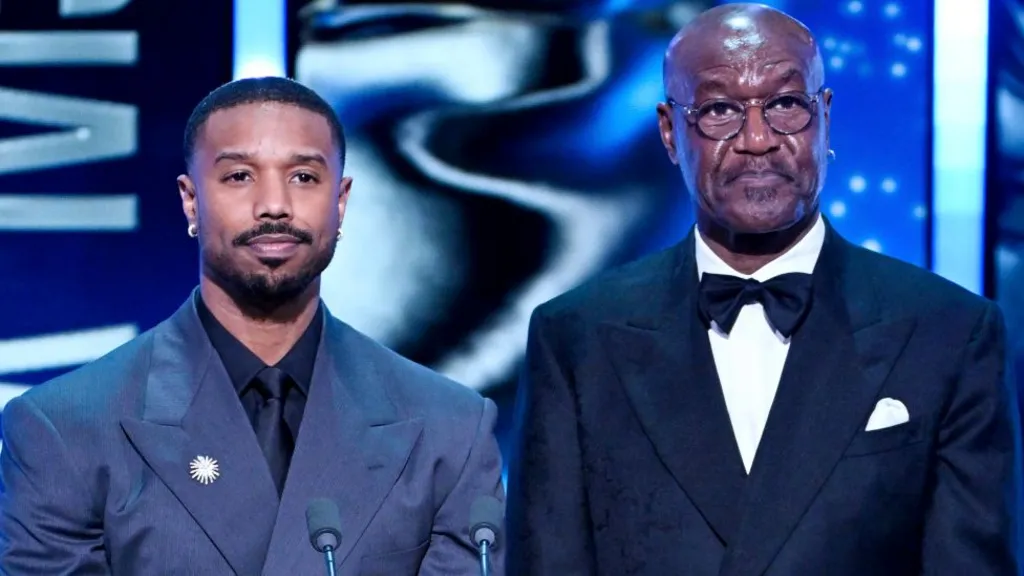
The offensive language occurred during a ceremony held at Royal Festival Hall in London when two Black actors — Michael B. Jordan and Delroy Lindo — were presenting an award. The individual responsible, John Davidson, is a well‑known campaigner for awareness of Tourette syndrome and was present as the inspiration behind the biographical film I Swear. The neurological condition can cause involuntary verbal tics, including the spontaneous utterance of words that the speaker does not intend to say.
BAFTA host Alan Cumming addressed the room during the ceremony, acknowledging that “strong and offensive language” might be heard and explaining that the outbursts were involuntary manifestations of Tourette syndrome, a disability that the film itself explores. Despite that explanation, the slur’s inclusion in the broadcast drew swift attention.
Viewers nationwide heard the slur in the BBC One broadcast, which was shown with a roughly two‑hour delay after the live event. The offensive term also remained on BBC iPlayer into the following day before the broadcaster took the programme offline, pledging to upload an edited version with the language removed. A BBC spokesperson said in a statement that the offensive words “arose from involuntary verbal tics associated with Tourette syndrome, and … was not intentional,” and apologised “for any offence caused” and for not removing them before transmission.
The incident has prompted debate about editorial responsibility and disability awareness. Disability advocacy groups noted the involuntary nature of vocal tics for some people with Tourette syndrome but also highlighted the harm of broadcasting racial slurs without immediate action to censor them. Critics questioned why the BBC did not pre‑emptively bleep or cut the slur from the delayed broadcast, especially after editing other parts of the ceremony.
Davidson himself expressed regret and embarrassment after the incident, emphasising that his actions were not reflective of personal beliefs. In public statements following the event, he reiterated that his tics are involuntary and said he was “deeply mortified” if anyone believed the outburst was intentional. Supporters have called for greater understanding of Tourette syndrome as well as clearer broadcasting guidelines for managing similar situations.

The controversy has resonated beyond disability discourse, prompting wider discussions about live event broadcasting, editorial oversight and how major networks balance inclusive representation with the need to prevent the dissemination of harmful language. Both BAFTA and the BBC have indicated lessons will be learned from the incident as they review their communications and production protocols.
Related News:
 Karen Gillan Reveals What She Misses Most About Scotland’s Food and People
 Why Alan Carr Bought a Castle in Kent
 ‘We Pray for Peace’: Indian Filmmaker From Troubled State Who Won a BAFTA
 Unseen Killers of the Deep Inside the UK Lab Uncovering the Silent Deaths of Sea Creatures
 Jack Osbourne Breaks Silence with Heartfelt Tribute Following Ozzy Osbourne’s Funeral
 Russell T Davies Warns of Declining UK Gay Rights Amid Rise of Reform UK and Trump Influence
 Terence Stamp, ’60s British Film Legend and Star of Superman, Dies at 87
 Millie Bobby Brown and Jake Bongiovi Begin Parenthood Through Adoption
 Watchdog, Cornflakes and Courage: Remembering John Stapleton, a Broadcaster Who Did It All
 Dawson’s Creek” Cast Reunites for Special Broadway Benefit to Support James Van Der Beek
 Actor Noel Clarke Arrested at London Home Amid Ongoing Investigation
 Patricia Crowther, Known as UK’s Oldest Witch, Dies Aged 97
 George and Amal Clooney Celebrate Global Human Rights Champions at Star-Studded Albies
 Jilly Cooper: The Bonkbuster Queen Who Redefined Romantic Fiction
 Celebrity Traitors First Look: A Star-Studded Highland Adventure That Hooks from the Start
 Who is Ruth Codd? All about the Irish actress on Celebrity Traitors
 Former BBC DJ Tim Westwood Charged with Rape and Sexual Assault
 Paedophile Singer Ian Watkins Dies After Prison Attack
 Strictly Celebs Starstruck as Cynthia Erivo Shines
 Alan Davies Criticises England Flag Displays and Patriotism
 D’Angelo: Neo-Soul’s Radical Genius and Lasting Legacy
 Dave Ball: The Unsung Genius Behind Soft Cell’s Bold Sound
 Fabio Wardley stuns Joseph Parker to earn Usyk title shot
 British Airways suspends podcast sponsorship after controversial interview
 Prunella Scales: From Fawlty Towers Icon to Beloved Canal Explorer
 Charlie Kaufman: They told me Being John Malkovich would never get made
 The Line of Beauty, Almeida review: A wild, witty ride through Thatcher-era high society
 Kate Winslet to Narrate Film Highlighting King’s Environmental Mission
 Hollywood Is an Industry of Looney Tunes Pretending to Be Normal
 Top Christmas Books Reads: Classics to Cozy Romcoms
 Oprah enjoys Meghan’s jam on English muffins
 Pauline Collins, Beloved ‘Shirley Valentine’ Star, Dies at 85
 I’m a Celebrity 2025 line-up revealed: Osbourne joins
 VAR Must Rein Its Neck In to Save Football’s Spirit
 David Szalay’s ‘Flesh’ Wins 2025 Booker Prize
 Pop Stars Call on UK Government to Cap Resale Prices for Fans
 TikTok Star Jessie Yendle Mocked by KFC
 Reggae Legend Jimmy Cliff Dies at 81
 Prince Andrew Named Punchline in Top Christmas Cracker Joke
 John Lithgow criticises Rowling stance in trans debate
 Labour Utterly Humiliated by Straight-Talking Mum Who Cut Through Keir Starmer’s Insanity
 Royal Family LIVE: ‘Pariah’ Andrew Mountbatten-Windsor Sparks Fresh Revolt Among Staff
 GMB Issues Bombshell Andrew Update Minutes Into Show as Furious Viewers ‘Switch Off’
 Tributes to Hospital’s First Black Ward Sister
 David Furnish Says Alleged Daily Mail Hacks of Him and Elton John Were ‘An Abomination’
 Renters Furious as Decent Homes Standard Delayed Until 2035
 The Victorian aristocrat who became Britain’s first Muslim lord
 UP IN FLAMES: Huge Blaze Rips Through Odeon Cinema, Students Evacuated
 Motorists Could Face ‘Mandatory’ Driving Ban for Road Offences Under Tougher Laws
 Royal Mail Blames Poor Weather and Sickness for Delayed Deliveries
 Disability and LGBT Hate Crimes Set to Become Aggravated Offences
 Snow and Rain Warnings as Cold Snap Continues in the UK
 Flooding May Worsen Before It Improves as More Rain Forecast for the UK
 Teacher Who Lied About Cambridge Degree Banned From Profession
 Illegal Skin Lightening Cream Being Sold in UK Butchers, Watchdog Warns
 ‘Just Push Us Into the Sea’: The Frustration of an Area Failed by Politics
 Last‑ditch Call to Save Police Front Counters in London
 Deaf Woman Killed After Night Out With Strangers, Court Hears
 Britain’s Special Needs Spending Crisis Will Be Labour’s Ruin
 Singapore Offers to Set Up Single Americans with ‘Epic’ First Dates – There’s Just One Catch
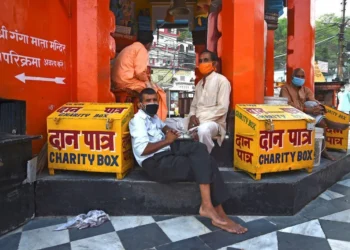 Revealed: The Billions Given to Charity by Ordinary Indians Every Year
 Break from Wintry Weather as UK Temperatures to Climb to 14 °C
 Two Teens Found Dead at East Yorkshire Holiday Park
 Dad Found in Bed with Daughter 16 Years After Abandoning Her as a Child
 Store at Famous Shopping Village to Close After 18 Years Due to Rising Costs
 I Confronted a Mugger with an 18-Inch Machete in London – No Wonder Tom Cruise is Leaving
Tesco Announces New Rule for Customer Parking Spaces – ‘We Need These Everywhere!’
I Confronted a Mugger with an 18-Inch Machete in London – No Wonder Tom Cruise is Leaving
Tesco Announces New Rule for Customer Parking Spaces – ‘We Need These Everywhere!’
 UK-Bound Jet2 Flight from Spain Declares Mid-Air Emergency Over English Channel
 Fury as Jobless-Migrant Households Receive Benefits Worth £10bn – ‘We Need to End This’
 ‘Don’t Make Us Security Guards,’ Says Teacher Stabbed by Pupil
 Closing Factory Workers Paid to Help at Food Bank
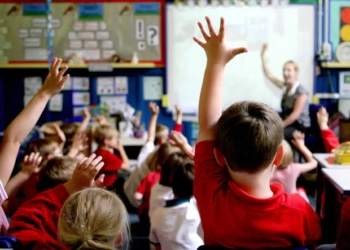 Schools in England to Get Budget for Children with Special Needs as Part of SEND Overhaul
 Deer Shooting to Be Facilitated in England to Protect Woodlands
 Mystery GP on Train Saves Passenger’s Life
 Germany’s Fairy Tale Route: The Real Places Behind the Grimm Stories
 Toddlers in Finland Lead the Fight to Save Sámi Language
 ‘She Loved Painting Life Out Loud’: The Story of Beryl Cook’s Saucy Art
 One Battle After Another Triumphs at BAFTAs as Robert Aramayo Wins Best Actor
 Only 10% of Boys Aged 14–16 Read Daily for Pleasure, National Literacy Trust Finds
 Meet Robert Aramayo: From Humble Beginnings in Hull to Juilliard and BAFTA Glory After Beating Timothée Chalamet