Published: 24 February 2026
The English Chronicle Desk
The English Chronicle Online
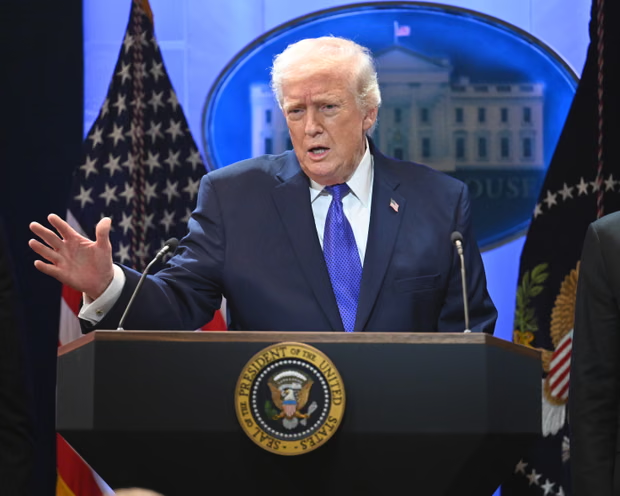
Global trade experienced fresh turmoil this week as U.S. President Donald Trump’s scramble to salvage his embattled tariff policy sparked widespread economic confusion and diplomatic strain. The upheaval follows a U.S. Supreme Court ruling that struck down much of Trump’s sweeping global tariffs imposed under emergency powers, a decision that authorities and businesses around the world say has upended trade agreements and unsettled markets.

In late 2025, Trump’s administration had deployed broad import duties under the International Emergency Economic Powers Act, applying levies on goods from scores of trading partners in a bid to shrink the U.S. trade deficit and pressure foreign producers. The Supreme Court on 20 February ruled that this law did not authorize such tariffs in peacetime, a rebuke that has sent shockwaves through global policy circles.
Rather than abandon the levies, Trump immediately announced a new 15 percent global import tariff under a different statute, designed to take effect temporarily for 150 days while alternative legal avenues are explored. The abrupt shift has left diplomats and business leaders struggling to interpret the U.S. trade stance and its implications for existing and future agreements.
Market responses to the policy reversal have been sharp. Stock futures in the United States and Europe fell as investors rotated into safe‑haven assets like gold and silver, reflecting uncertainty about future trade flows and corporate cost pressures. Many analysts described the situation as “pure tariff chaos,” noting that nations previously granted tariff agreements by Washington now face unclear legal status and unpredictable duties.
Europe has been particularly vocal in its criticism. The European Commission has demanded clarity from Washington, urging the United States to honour previously negotiated tariff arrangements. Lawmakers in the European Parliament have even suggested pausing the ratification of a major EU‑U.S. trade deal until the tariff regime is legally settled, highlighting how unresolved U.S. policy is exerting diplomatic costs.
Asian economies are also grappling with the fallout. Export‑dependent nations such as Japan, South Korea, Taiwan and India have expressed concern about how the shifting U.S. tariffs will affect their competitiveness in American markets, supply chain planning and investment decisions. Uncertainty over implementation details and potential future levies has created confusion for businesses trying to price goods and navigate cross‑border deals.

Critics argue that the chaotic tariff policy is damaging the United States’ credibility as a trade partner and contributing to broader global economic instability. Legal challenges, subsequent adjustments and diplomatic protests could prolong uncertainty well into 2026, complicating efforts by companies and governments to plan ahead.
Related News:
 Canada Eyes Trade Talks After US Supreme Court Tosses Trump Tariffs
 US Will Not Back Out of Tariff Deals with UK and Others, Says Trump Trade Representative
 Trump Administration Probe of Fed’s Powell Draws Pushback
 Trading Day: Trump Crosses Fed Rubicon, Market Shrugs
 Historic trade deals put India on global stage – but challenges remain
 Live Markets Bet on Spring Rate Cut as Inflation Falls
 US and Indonesia Finalise Deal to Cut Tariffs to 19%
 The Two Farms in Senegal That Supply Many of the UK’s Vegetables
 ‘We’re Still on Edge’: Toy Firms Look to US Supreme Court as Tariffs Hit Profits
 Uncertainties Loom for Businesses and Consumers After Trump’s Tariff Changes
 Trump Announces Global Tariffs to Rise to 15%
 ‘Hard to Keep Lights On’: Business Owners Cautiously Welcome Tariff Ruling
 Modi’s London Visit Seals Historic UK-India Trade Pact Amid Global Tensions
 China’s crackdown on civil servant perks sparks economic concerns
 Shein UK Faces Allegations of Shifting Majority of Profits to Singapore to Reduce UK Tax
 British AI Startup Outshines Human Forecasters in Global Prediction Contest
 Indian Court Deals Legal Setback to Elon Musk’s X in Free Speech Battle
 China warns UK over delayed London mega embassy decision
 Rachel Reeves to lead UK trade push in Saudi Arabia amid rights debate
 UPS Cargo Plane Crash in Kentucky Kills Seven
 Canada Passes Carney’s First Budget in Tight Parliamentary Vote
 Two National Guard Soldiers Critically Injured Near White House
 India’s Labour Law Overhaul Sparks Fierce Debate
 Trump to Recheck Green Cards from 19 Nations After DC Attack
 American Mother Extradited From UK to U.S. on Murder Charges
 Russia losses Ukraine war peace talks intensify amid rising deaths
 Trump Taiwan China drills: US President Downplays Tensions
 US Venezuela protests sweep cities after intervention
 US Cities Erupt in Protests Against Trump’s Venezuela Military Action
 Trump Escalates Minnesota Immigration Surge Amid Rising Tensions
 Trump Says US Must ‘Own’ Greenland to Block Russia, China
 Trump Weighs Response to Iran Crackdown as Tehran Says Communication Open With US
 Uber Faces Sexual Assault Trial in Arizona, Safety Record Scrutinised
 German Supermarket Aldi to Open 180 US Stores This Year
 Australia’s US Ambassador Rudd to Step Down Early
 US Clears Nvidia AI Chip Sales to China in Policy Shift
 Trump Threatens Strong Action If Iran Executes Protesters
 Trump Receives Machado’s Nobel Medal in White House Meeting
 Greenland Crisis Forces Europe to Draw a Line With Trump
 China Halts Nvidia H200 Chips Despite US Export Approval
 Iran Cannot Be Bombed Into Democracy, Only Helped There
 Trump Aide Sparks Fury as Greenland Dispute Intensifies
 Trump Fed bid heads to Supreme Court
 EU Says US Ties Have Suffered ‘Big Blow’ After Greenland Crisis
 Arizona border shooting leaves suspect hospitalised after agent pursuit
 Videos reveal earlier clash before Alex Pretti shooting
 UK New Car Discounts Near £6,000 as Prices Are Slashed
 ‘Painful Times’ as Melinda Gates Responds to Epstein Files
 Trump Praises ‘Terrific’ Petro After White House Talks
 Fears of New Arms Race as US-Russia Nuclear Weapons Treaty Expires
 US Military Says Two Killed in Strike on Alleged Drug Boat in Eastern Pacific
 Trump Endorses Japan’s Takaichi Ahead of Snap Election
 US and Iran Hold Nuclear Talks as Trump Ramps Up Military Threats
 Venezuela’s Opposition Says Party Leader Kidnapped Hours After Being Freed
 Trump Says Iran Regime Change Is “Best Thing That Could Happen”
 Obama Slams Trump’s Racist ‘Ape’ Video Amid Backlash
 Actor Robert Duvall, Who Starred in The Godfather, Dies Aged 95
 New Nuclear Talks Between US and Iran Begin in Geneva
 Tourism Is Booming in 2026 — Just Not Where You Think
 ‘He Did It for Us’: US Soldier Recalls Jesse Jackson’s Efforts to Free Him and Two Other POWs
 Iran Says ‘Guiding Principles’ Agreed With US at Nuclear Talks
 Stephen Colbert Says CBS Spiked Interview With Democrat Over FCC Fears
 Moment Officers Rescue Injured Bald Eagle From Icy Hudson River
 Netflix and Paramount Are Battling for Warner Bros. — Who Is Likely to Win?
 Suspect in Rhode Island Ice Hockey Shooting Killed Ex‑Wife and Son
 City Bets on Rate Cuts as Unemployment Soars
 Japan Braces as Takaichi Begins New Term with Huge Mandate for Low‑Tax, Ultra‑Conservative Agenda
 Eight Skiers Found Dead After California Avalanche
 US Urges Iran to Make Deal as Military Presence Rises
 Desperate Hunt for Breakthrough in Nancy Guthrie Case Turns to Mexico
 Sanders Condemns Billionaire ‘Greed’ in California Tax Debate
 The Chinese AI App Sending Hollywood Into a Panic
 Live Nation Sees Strong Ticket Sales as Monopoly Lawsuit Looms
 Billionaire Les Wexner Tells US Lawmakers He Was ‘Naive’ and ‘Conned’ by Epstein
 Trump Tower Gold Coast to Redefine Skyline
 Who Was El Mencho, Mexico’s Most Wanted Man?
 What Now for Asia After Trump’s Tariffs Were Struck Down?

 Inside Atlanta’s Soul Food Revolution
 Ukraine war briefing: Russia exporting more oil now than before war despite sanctions – report