Published: 3 March 2026 . The English Chronicle Desk.
The English Chronicle Online
The ongoing conflict between the United States, Israel and Iran has taken a dangerous turn for global maritime trade after Tehran issued fresh threats to commercial shipping in the Gulf, warning that vessels traversing the Strait of Hormuz could face attack as Iran intensifies its response to recent Western military strikes. At the same time, senior US military officials have signalled that the “hardest hits” against Iran’s military infrastructure are still to come, suggesting further escalation before the campaign subsides.

In the face of mounting pressure, Iran’s Islamic Revolutionary Guard Corps (IRGC) has effectively challenged passage through the Gulf’s crucial maritime chokepoint. The Strait of Hormuz — which handles about 20 percent of the world’s oil exports — has seen commercial shipping grind to a near standstill after Iran declared navigation closed, broadcasting warnings that restrictions on vessel movement could be enforced if perceived security threats persist.
Data from international shipping sources indicates that hundreds of tankers and cargo vessels have dropped anchor in anchorages around the Gulf and adjacent waters, reluctant to risk transiting the strait amid escalating hostilities. Dozens more remain stationary near ports in the United Arab Emirates, Saudi Arabia and Qatar as insurers suspend war-risk coverage and carriers reroute services via the longer Cape of Good Hope route — a detour that adds significant cost and time to global freight movements.
Iran’s maritime warnings come in the wake of a broad Iranian missile and drone campaign targeting U.S. and allied military positions across the Gulf region in retaliation for U.S. and Israeli strikes that included the killing of Iran’s supreme leader. Maritime risk indicators have surged, with analysts noting damage to multiple commercial tankers and at least one seafarer killed as vessels have been caught in the conflict’s expanding footprint near the Strait of Hormuz.
The United States, while continuing to urge caution among commercial operators, has taken a more aggressive military posture. Long-range bomber missions and sustained strikes on Iranian missile and military infrastructure are ongoing, with U.S. Central Command officials telling reporters that the most severe phase of the campaign against Iranian capabilities has not yet occurred. This language, used by military spokespeople to describe the coming operations, reflects expectations of intensified pressure aimed at degrading Tehran’s capacity to project force across the Gulf and against U.S. assets.
The dual message — Iranian threats to shipping juxtaposed with U.S. warnings of further strikes — has heightened uncertainty for global energy markets and supply chains. Traders have responded with volatility; crude oil benchmarks have spiked as flows through the Hormuz corridor remain disrupted, and logistics planners cite severe challenges as container and energy cargos are forced onto lengthier routes or delayed by congestion and security concerns.
International governments and maritime organisations have issued guidance urging non-essential shipping to avoid the Gulf region. The UK Maritime Trade Operations and other naval information centres have reiterated the risks of transiting contested waters amid electronic interference, missile activity and navigational hazards. Although Iran’s threat has not been universally recognised as a formal blockade under international law, the practical effect — a de-facto reduction in vessel movements — is reshaping global shipping patterns.

Energy industry analysts warn that prolonged tensions could constrain oil and liquefied natural gas exports for weeks or months, potentially pushing prices higher and triggering broader economic repercussions. The global economy’s reliance on uninterrupted flows through the Strait of Hormuz underscores the far-reaching consequences of the regional conflict — extending well beyond battlefield dynamics to influence trade, inflation and geopolitical risk perceptions worldwide.
Related News:
 The Two Farms in Senegal That Supply Many of the UK’s Vegetables
 ‘We’re Still on Edge’: Toy Firms Look to US Supreme Court as Tariffs Hit Profits
 US Will Not Back Out of Tariff Deals with UK and Others, Says Trump Trade Representative
 Trump’s tariff strategy collapse sows global chaos and confusion
 What Tariffs Has Trump Introduced and Why?
 Why Asian Firms Are Not Cheering Trump Tariff Ruling
 Why Asian Firms Are Not Cheering Trump Tariff Ruling
 Israel and Hezbollah Exchange Fire as Conflict Worsens
 Iran’s Regime Still Intact — Coming Days Will Test Its Survival
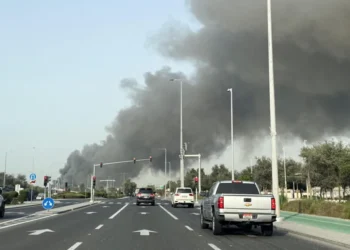 Allies of US in the Gulf Bear Brunt of Iran Attacks
 Hopes and Fears as US Iranians Take to Streets After Toppling of Supreme Leader
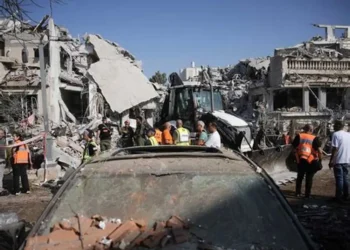 Retaliations Continue on Day Two of US-Israel Attacks on Iran
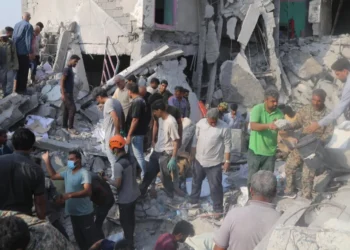 At Least 153 Dead After Reported Strike on School, Iran Says
 At Least 153 Dead After Reported Strike on School, Iran Says
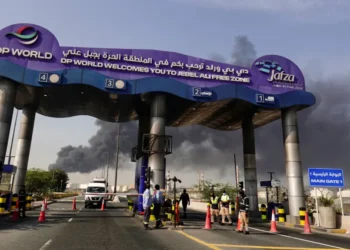 ‘It’s Eerie’ – Dubai on Edge as City Comes Under Attack
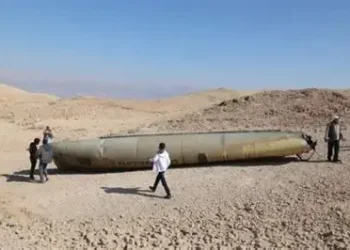 BBC Reports from Beit Shemesh After Deadly Iranian Missile Strike
 Iran, the US, and a World Cup That Starts in Three Months
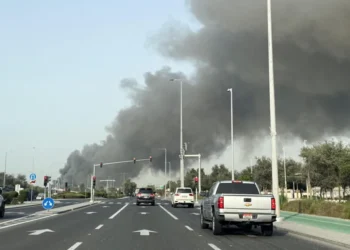 Allies of US in the Gulf Bear Brunt of Iran Attacks
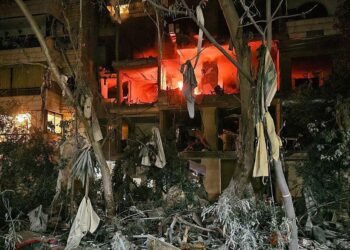 Israeli Attacks Kill 31 in Lebanon, Iran Strikes Across Region, US Warplanes Crash in Kuwait
 India and Canada Seal Series of Deals as Carney and Modi Reset Ties
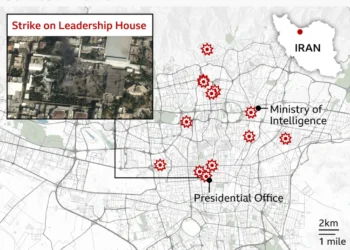 In Maps: Strikes Across Iran and the Middle East
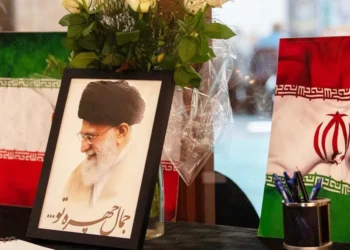 Months of Planning Behind US‑Israeli Mission to Target Iran’s Supreme Leader
 Cooper: Joining US Strikes on Iran ‘Not in Britain’s Interest’
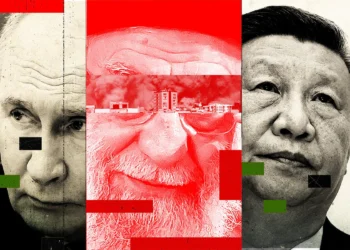 What Khamenei’s Death Means for Russia and China
 Modi’s London Visit Seals Historic UK-India Trade Pact Amid Global Tensions
 China’s crackdown on civil servant perks sparks economic concerns
 Shein UK Faces Allegations of Shifting Majority of Profits to Singapore to Reduce UK Tax
 British AI Startup Outshines Human Forecasters in Global Prediction Contest
 Indian Court Deals Legal Setback to Elon Musk’s X in Free Speech Battle
 China warns UK over delayed London mega embassy decision
 Rachel Reeves to lead UK trade push in Saudi Arabia amid rights debate
 UPS Cargo Plane Crash in Kentucky Kills Seven
 Canada Passes Carney’s First Budget in Tight Parliamentary Vote
 India’s Labour Law Overhaul Sparks Fierce Debate
 Carney’s Alberta Pipeline Deal Sparks Immediate Pushback
 Austrian Airlines Halts Tehran Flights Amid Political Unrest
 Trump Administration Probe of Fed’s Powell Draws Pushback
 ‘Black Tax’: Burden, Pride and Survival for African Workers
 ‘Repatriate the Gold’: Germany Debates Bringing Reserves Home
 UK New Car Discounts Near £6,000 as Prices Are Slashed
 Eleven Killed in Israeli Strikes on Gaza, Rescuers Say
 Coles Discounts Under Fire in Federal Court
 Tourism Is Booming in 2026 — Just Not Where You Think
 ‘I Would Scream in My Sleep’: Alawite Women from Syria Tell of Kidnap and Rape
 Iran Says ‘Guiding Principles’ Agreed With US at Nuclear Talks
 Netflix and Paramount Are Battling for Warner Bros. — Who Is Likely to Win?
 US Pushes to Recruit Organised Crime Gangs into Gaza Police Force
 Live Markets Bet on Spring Rate Cut as Inflation Falls
 Japan Braces as Takaichi Begins New Term with Huge Mandate for Low‑Tax, Ultra‑Conservative Agenda
 US Urges Iran to Make Deal as Military Presence Rises
 US Build-Up of Warships and Fighter Jets Tracked Near Iran
 The Chinese AI App Sending Hollywood Into a Panic
 US and Indonesia Finalise Deal to Cut Tariffs to 19%
 Live Nation Sees Strong Ticket Sales as Monopoly Lawsuit Looms
 Etsy Sells Second‑Hand Fashion App Depop to eBay for $1.2bn
 Uncertainties Loom for Businesses and Consumers After Trump’s Tariff Changes
 Trump Announces Global Tariffs to Rise to 15%
 Canada Eyes Trade Talks After US Supreme Court Tosses Trump Tariffs
 Trump Tower Gold Coast to Redefine Skyline
 Ukraine Negotiator Reveals What It Feels Like Facing Russia
 What Now for Asia After Trump’s Tariffs Were Struck Down?
 Mandelson Arrested Amid Political Turmoil as Ukraine Marks Four Years of Conflict
 Russian Troops Executed by Commanders, Soldiers Tell BBC
 Ukraine war briefing: Russia exporting more oil now than before war despite sanctions – report
 Ukraine war briefing: Why Ukraine remains defiant and does not feel close to defeat
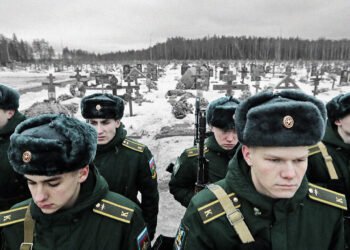 ‘Anyone who runs is shot’: Russian soldiers describe killings of troops who refuse orders
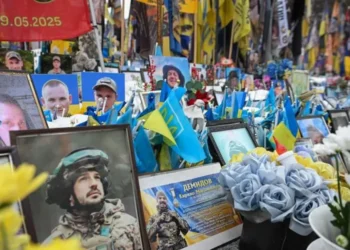 Ukraine remembers its dead as war enters a fifth year
 Shein’s Elusive Boss Hails Chinese Roots in Rare Public Appearance
 Bill Gates ‘Took Responsibility’ Over Epstein Ties in Staff Meeting, Foundation Says
 ‘Fear Is Everywhere’: Reports From Mexican City Turned Into War Zone by Drug Cartel Feud
 Canada Says U.S. Unlikely to Lift Tariffs Amid Ongoing Trade Tensions
 Orbán Accuses Ukraine of Disrupting Oil Supplies to Hungary
 Canada’s Finance Minister Says US Unlikely to Lift Tariffs
 Middle East Flights Halted After Iran Strikes
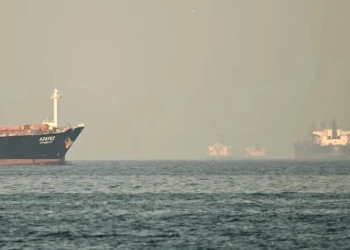 Oil Prices Rise After Ships Attacked Near Strait of Hormuz
 Flights Cancelled and New Travel Warnings Issued After Iran Strikes
 UK Will Allow US to Use Bases to Strike Iranian Missile Sites, PM Says
 Oil Prices Surge as Iran War Jolts Markets
 US Iran Operation: Sixth Service Member Killed
 Hezbollah Anger Erupts as War Returns to Beirut