Published: March 3, 2026 . The English Chronicle Desk . The English Chronicle Online
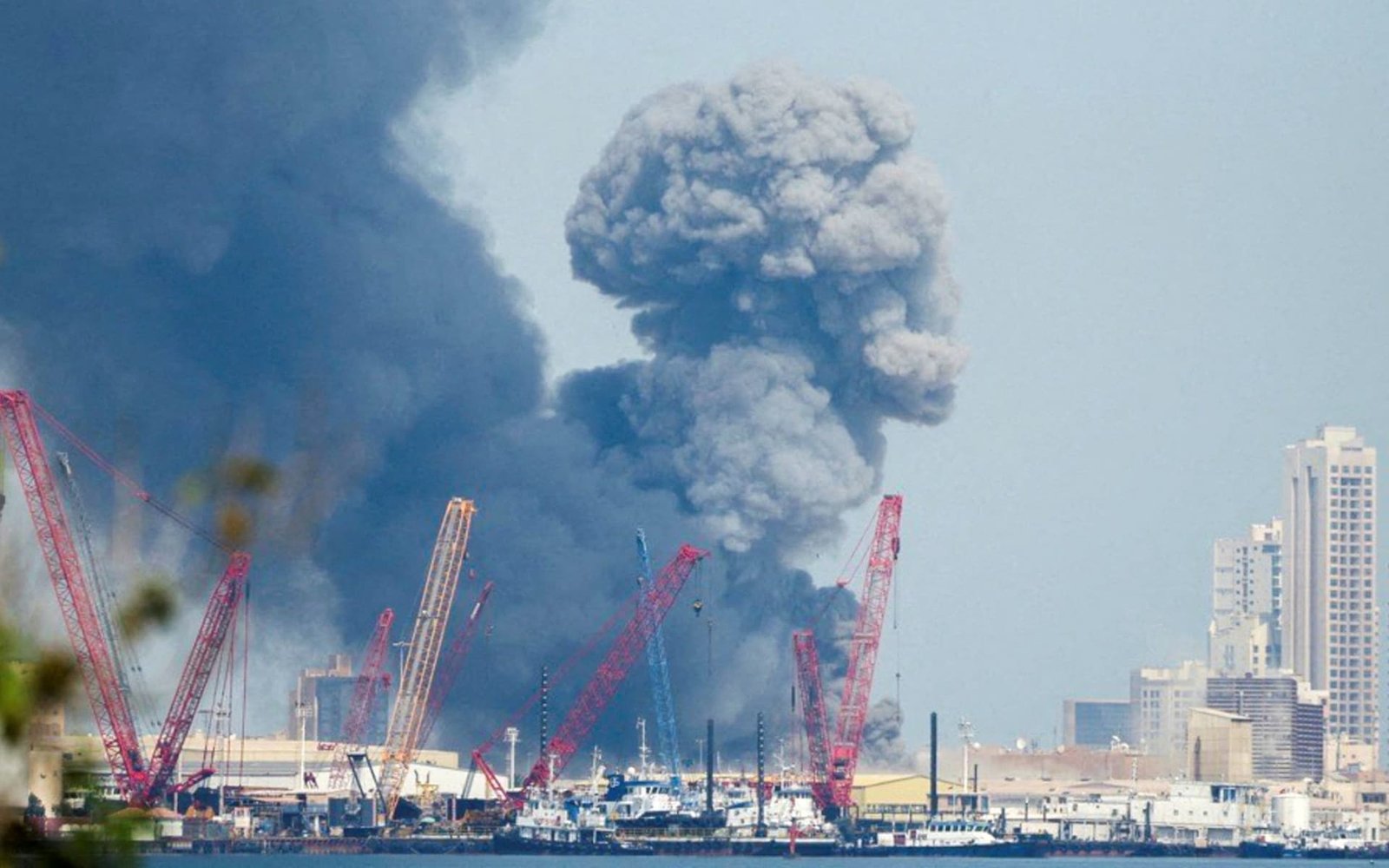
Analysis of the unfolding conflict between the United States and Iran suggests that President Donald Trump may have misjudged the resilience and cohesion of the Iranian political system even as he escalates military pressure and seeks to dismantle Tehran’s strategic capabilities. The joint U.S.–Israeli military campaign launched in recent weeks — including precision airstrikes and the killing of Iran’s Supreme Leader Ayatollah Ali Khamenei — aimed to weaken the regime’s capacity and, according to Trump, to bring about a favourable strategic realignment. Yet a growing body of expert assessment indicates that Iran’s governing apparatus was built to endure external shocks and that the current conflict may evolve into a protracted war rather than producing a swift collapse of Tehran’s leadership.

Despite Trump’s repeated assertions that halting Iran’s nuclear ambitions and missile programs was essential to U.S. security, and framing military action as a “last best chance” to disrupt these threats, Iranian officials and analysts have signalled that the regime will not bow easily to external force or diplomatic pressure. Tehran has responded with missile and drone strikes against U.S. forces and allied states in the region, and its leadership structure — including hardline elements within the Islamic Revolutionary Guard Corps (IRGC) and clerical elite — remains intact and capable of directing counter‑actions. Observers note that this institutional cohesion reflects a blend of ideological commitment and strategic design intended to withstand sustained confrontation.
U.S. intelligence sources cited by Reuters have expressed scepticism within the Washington establishment about the likelihood of regime collapse, even after Khamenei’s death. According to these assessments, a temporary leadership council has assumed control and the regime’s core security apparatus shows no signs of disintegrating. Analysts point out that a definitive breakdown of Tehran’s power structure would likely require significant defections from within the IRGC or elite factions, which have so far remained loyal to the state — a prerequisite for sweeping political transformation that Trump and his supporters had hoped might emerge from pressure.
Trump’s broader strategy — at times publicly focused on promoting “freedom” for the Iranian people and encouraging uprisings against clerical rule — has met contrasting realities on the ground. Pro‑democracy protests emerged periodically in 2025 and early 2026, driven by economic hardship and discontent with theocratic governance, yet the regime’s security forces have responded with ruthless suppression. This iterative push‑and‑punish cycle has reinforced the state’s narrative of existential threat and has, in some analyses, strengthened institutional resolve rather than eroding it.
Public opinion within both the United States and Iran further complicates the strategic calculus. In the U.S., support for Trump’s decision to strike Iran has been limited, with only about one in four Americans backing the military action in recent polls, while significant segments of the population express opposition or uncertainty about prolonged conflict. At the same time, Iranian official rhetoric has rejected overtures for direct negotiation with Washington, with senior authorities stating clearly that Tehran will not sit down for talks under current conditions.
Scholars and analysts argue that these dynamics point to a misalignment between Washington’s expectations and Tehran’s capacity for endurance. Iran’s political and military infrastructure was designed during decades of rivalry with the United States and regional adversaries to absorb shocks — economic, diplomatic and military — and to maintain continuity of governance even under intense external pressure. In this context, simply eliminating high‑profile figures or damaging military facilities does not inherently translate into systemic collapse.

The implications of underestimating Iran’s will to survive are significant for U.S. foreign policy and regional stability. As the conflict persists, policymakers in Washington face mounting challenges in articulating clear objectives, exit strategies and post‑conflict scenarios, all while managing domestic political divisions over the use of force abroad. The disjunction between Trump’s rhetoric about eliminating threats and the practical resilience of the Iranian regime underscores the complexity of achieving political outcomes through military means alone.
Related News:
 Iran Says ‘Guiding Principles’ Agreed With US at Nuclear Talks
 US Pushes to Recruit Organised Crime Gangs into Gaza Police Force
 US Urges Iran to Make Deal as Military Presence Rises
 US Build-Up of Warships and Fighter Jets Tracked Near Iran
 Trump’s Foreign Policy Dilemma Laid Bare by Iran Tensions
 US Partially Evacuates Beirut Embassy Amid Rising Iran Tensions
 Hopes and Fears as US Iranians Take to Streets After Toppling of Supreme Leader
 Iran, the US, and a World Cup That Starts in Three Months
 Trump’s Iran Endgame Unclear After Mixed Messaging on War Aims
 Did Trump Declare War and Did Congress Approve Iran Attacks? What to Know
 Rubio Responds to Reported Strike on Iranian School
 Two National Guard Soldiers Critically Injured Near White House
 American Mother Extradited From UK to U.S. on Murder Charges
 Russia losses Ukraine war peace talks intensify amid rising deaths
 Trump Taiwan China drills: US President Downplays Tensions
 US Venezuela protests sweep cities after intervention
 US Cities Erupt in Protests Against Trump’s Venezuela Military Action
 Trump Escalates Minnesota Immigration Surge Amid Rising Tensions
 Trump Says US Must ‘Own’ Greenland to Block Russia, China
 Trump Weighs Response to Iran Crackdown as Tehran Says Communication Open With US
 Australia’s US Ambassador Rudd to Step Down Early
 US Clears Nvidia AI Chip Sales to China in Policy Shift
 Trump Threatens Strong Action If Iran Executes Protesters
 Trump Receives Machado’s Nobel Medal in White House Meeting
 Greenland Crisis Forces Europe to Draw a Line With Trump
 Iran Cannot Be Bombed Into Democracy, Only Helped There
 Trump Aide Sparks Fury as Greenland Dispute Intensifies
 EU Says US Ties Have Suffered ‘Big Blow’ After Greenland Crisis
 Arizona border shooting leaves suspect hospitalised after agent pursuit
 Videos reveal earlier clash before Alex Pretti shooting
 ‘Painful Times’ as Melinda Gates Responds to Epstein Files
 Trump Praises ‘Terrific’ Petro After White House Talks
 Fears of New Arms Race as US-Russia Nuclear Weapons Treaty Expires
 US Military Says Two Killed in Strike on Alleged Drug Boat in Eastern Pacific
 Trump Endorses Japan’s Takaichi Ahead of Snap Election
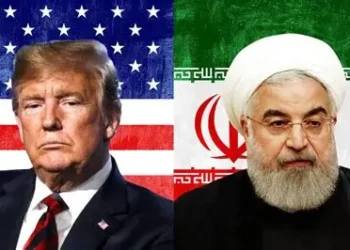 US and Iran Hold Nuclear Talks as Trump Ramps Up Military Threats
 Venezuela’s Opposition Says Party Leader Kidnapped Hours After Being Freed
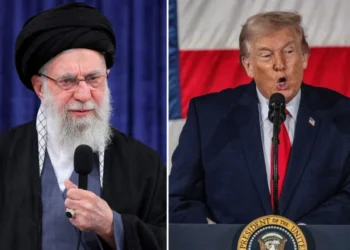 Trump Says Iran Regime Change Is “Best Thing That Could Happen”
 Obama Slams Trump’s Racist ‘Ape’ Video Amid Backlash
 Actor Robert Duvall, Who Starred in The Godfather, Dies Aged 95
 New Nuclear Talks Between US and Iran Begin in Geneva
 ‘He Did It for Us’: US Soldier Recalls Jesse Jackson’s Efforts to Free Him and Two Other POWs
 ‘I Would Scream in My Sleep’: Alawite Women from Syria Tell of Kidnap and Rape
 Stephen Colbert Says CBS Spiked Interview With Democrat Over FCC Fears
 Moment Officers Rescue Injured Bald Eagle From Icy Hudson River
 Eight Skiers Found Dead After California Avalanche
 Desperate Hunt for Breakthrough in Nancy Guthrie Case Turns to Mexico
 US and Indonesia Finalise Deal to Cut Tariffs to 19%
 US Will Not Back Out of Tariff Deals with UK and Others, Says Trump Trade Representative
 Who Was El Mencho, Mexico’s Most Wanted Man?
 Inside Atlanta’s Soul Food Revolution
 Threat of Further Violence Looms After Mexican Cartel Rampage
 Bill Gates ‘Took Responsibility’ Over Epstein Ties in Staff Meeting, Foundation Says
 US ‘Suitcase Murderer’ Deported From Bali After 11 Years in Jail
 Clinton Testimony Erupts in Fiery Exchange
 American Citizen Killed in Cuba Boat Shooting, U.S. Officials Say
 Middle East Flights Halted After Iran Strikes
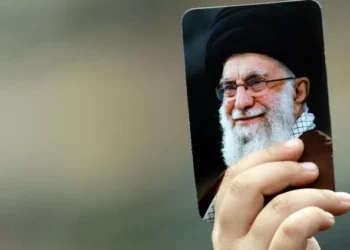 Iran’s Regime Still Intact — Coming Days Will Test Its Survival
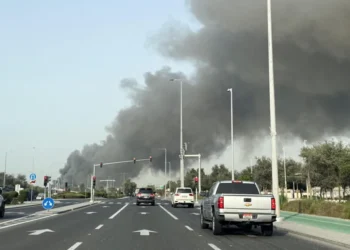 Allies of US in the Gulf Bear Brunt of Iran Attacks
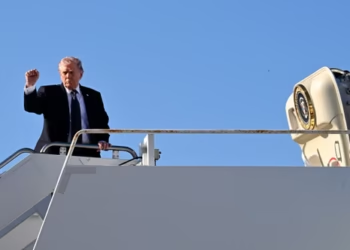 Trump Faces Questions Over Iran Conflict Plan
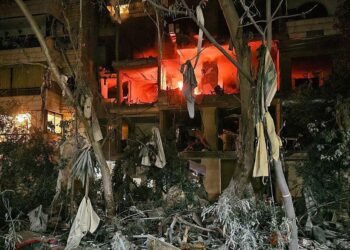 Israeli Attacks Kill 31 in Lebanon, Iran Strikes Across Region, US Warplanes Crash in Kuwait
 In Maps: Strikes Across Iran and the Middle East
 Months of Planning Behind US‑Israeli Mission to Target Iran’s Supreme Leader
 Cooper: Joining US Strikes on Iran ‘Not in Britain’s Interest’
 What Khamenei’s Death Means for Russia and China
 US Iran Operation: Sixth Service Member Killed
 Hezbollah Anger Erupts as War Returns to Beirut
 Tehran Makes New Threat to Gulf Shipping as US Says ‘Hardest Hits’ on Iran ‘Yet to Come’
 Gaza Siege Deepens as Iran War Escalates
 The Third Day of the US‑Israeli War With Iran
 Limited Flights Leave UAE But Disruption Continues Amid Iran Strikes
 Why the US and Israel attacked Iran
 Israel Launches Fresh Strikes on Tehran & Beirut; US Warns “Hardest Hits” Ahead
 Three Days In, This War’s End Is Still Unclear
 US Has ‘Enough Weapons for Forever War,’ Trump Says
 Israel Launches Fresh Strikes on Tehran and Beirut on Day Four
 Israel Strikes Lebanon After Hezbollah Rocket Fire as Iran Conflict Widens
 Israel’s New Airstrikes on Tehran & Beirut After US Embassy in Riyadh Is Hit
 Israel Launches Ground Invasion of Lebanon Amid Widening Middle East War
 The US Now Has the Medicine for Cheap Swarming Drone Attacks