Published: March 3, 2026 . The English Chronicle Desk . The English Chronicle Online
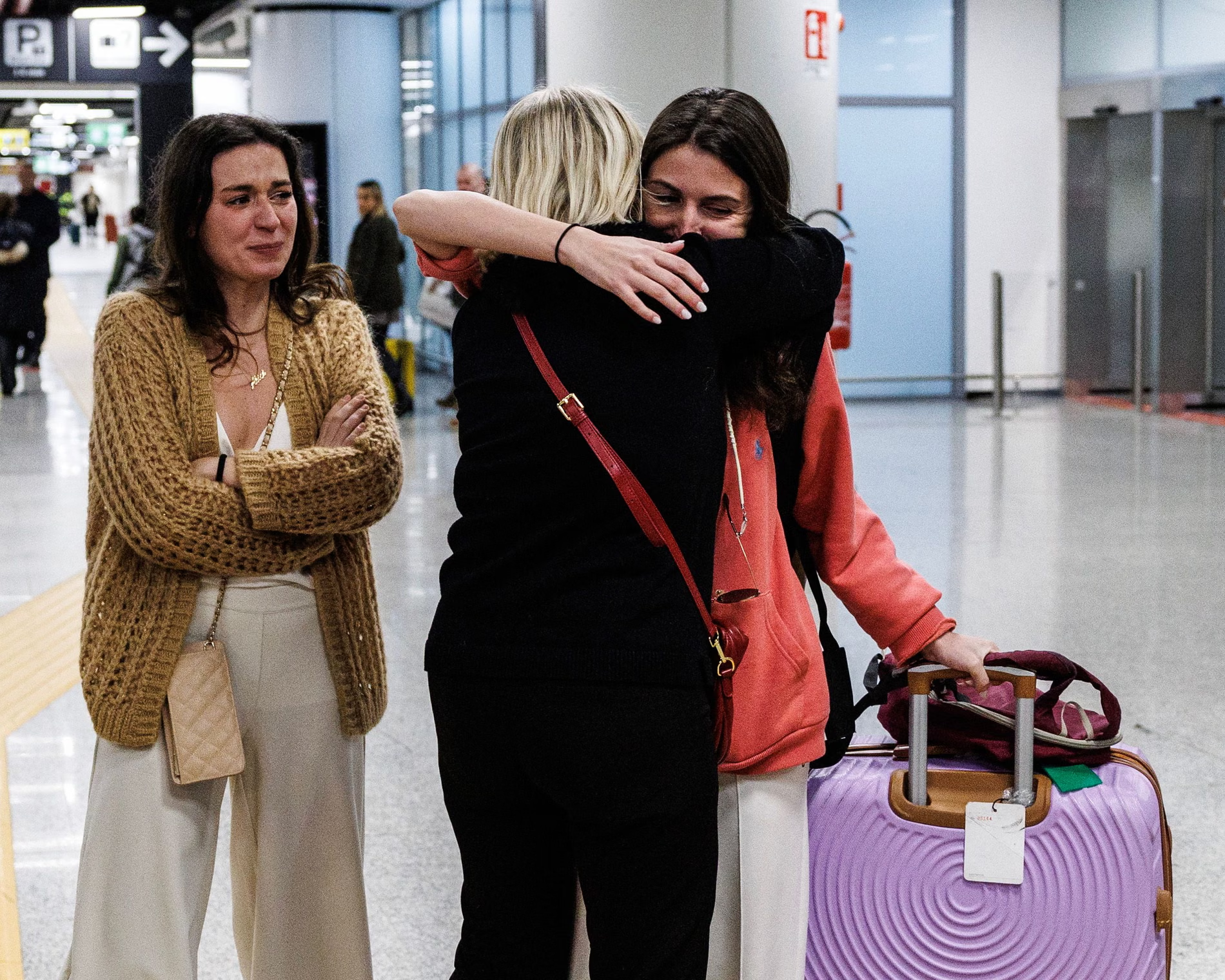
A limited but much-anticipated repatriation of European travellers and expatriates stranded by the escalating conflict in the Middle East has begun, with the first flights and coordinated government efforts bringing home citizens from Gulf states and surrounding areas after weeks of travel chaos and airspace closures. However, officials across the European Union emphasise that hundreds of thousands remain stuck in the region as disruptions to flights persist and authorities work to scale up evacuation operations.

European governments have launched targeted repatriation flights and diplomatic initiatives to extract their nationals from countries including the United Arab Emirates, Oman, Qatar and Saudi Arabia — crucial hubs that have been impacted by the ongoing U.S.–Israeli military campaign against Iran and Iran’s subsequent retaliatory strikes across the Gulf. Among those returning home are citizens from the United Kingdom, Italy, Poland and others, marking the first meaningful progress in the effort to extract large numbers of citizens who were left stranded after major airlines suspended services and regional airspace was closed.
Germany’s tourism companies and airlines have begun cooperating on flights to bring back thousands of tourists whose travel plans were upended by the conflict; for instance, operators such as TUI are arranging return services from the Middle East in partnership with carriers like Emirates and Etihad, particularly for German holidaymakers. At the same time, countries such as Poland have already seen their first nationals come home after being stuck abroad when the crisis exploded.
Despite these early returns, European authorities acknowledge the scale of the challenge remains unprecedented. Major airports in Dubai, Abu Dhabi and Doha — typically among the busiest international hubs connecting Europe to Asia and Africa — were closed for several days following missile and drone strikes tied to the Iran conflict, leaving tens of thousands of passengers without immediate travel options. Estimates suggest hundreds of thousands of European travellers, residents and long-term expatriates remain trapped or unable to depart as a result of cancelled flights and restricted airspace.
The European Commission and national governments are reported to be exploring a coordinated repatriation strategy similar in scale to efforts seen during the COVID-19 pandemic, when hundreds of thousands of citizens were evacuated by air and sea. Officials are discussing the allocation of funds and logistical support to subsidise travel costs and chartered flights for those currently stranded.
France, for example, has mobilised its diplomatic network to assist roughly 400,000 French nationals and residents who were in the Middle East when hostilities intensified, including significant communities in the Gulf region and Israel. French consular services have activated hotlines, protective accommodation measures and repatriation assistance as part of their response.
The ongoing situation has prompted public concern and calls for clearer guidance. In the United Kingdom, the Foreign Office reported that over 100,000 British nationals are registered as being in the affected region, with total figures for UK citizens estimated in the hundreds of thousands; many remain in hotel rooms, airport terminals or alternative shelters due to persistent flight cancellations.
Logistical obstacles continue to hinder large-scale evacuations. Regional governments and airlines are gradually reopening limited services as security conditions permit, but not at levels sufficient to meet demand. Some European states are considering overland routes and staging hubs in Egypt, Jordan and Oman to move citizens toward safer transit points for onward flights.

The effort underscores the wider humanitarian and practical fallout of the Iran conflict, which has transformed travel networks, disrupted global flight paths and placed extraordinary pressure on consular services. With no immediate end to hostilities in sight, Europe’s repatriation mission is likely to remain a significant diplomatic and logistical priority in the coming weeks.
Related News:
 Israel and Hezbollah Exchange Fire as Conflict Worsens
 Iran’s Regime Still Intact — Coming Days Will Test Its Survival
 Allies of US in the Gulf Bear Brunt of Iran Attacks
 Hopes and Fears as US Iranians Take to Streets After Toppling of Supreme Leader
 Retaliations Continue on Day Two of US-Israel Attacks on Iran
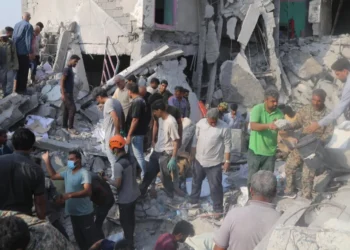 At Least 153 Dead After Reported Strike on School, Iran Says
 At Least 153 Dead After Reported Strike on School, Iran Says
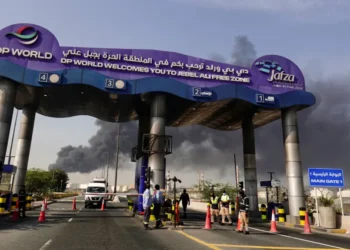 ‘It’s Eerie’ – Dubai on Edge as City Comes Under Attack
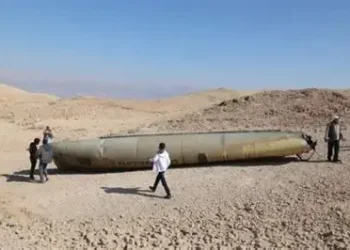 BBC Reports from Beit Shemesh After Deadly Iranian Missile Strike
 Iran, the US, and a World Cup That Starts in Three Months
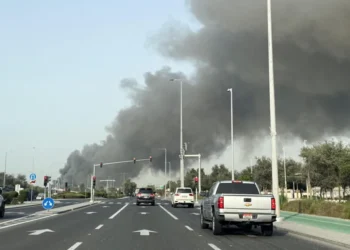 Allies of US in the Gulf Bear Brunt of Iran Attacks
 Israeli Attacks Kill 31 in Lebanon, Iran Strikes Across Region, US Warplanes Crash in Kuwait
 In Maps: Strikes Across Iran and the Middle East
 Months of Planning Behind US‑Israeli Mission to Target Iran’s Supreme Leader
 Cooper: Joining US Strikes on Iran ‘Not in Britain’s Interest’
 What Khamenei’s Death Means for Russia and China
 Tehran Makes New Threat to Gulf Shipping as US Says ‘Hardest Hits’ on Iran ‘Yet to Come’
 Trump’s Iran Endgame Unclear After Mixed Messaging on War Aims
 Did Trump Declare War and Did Congress Approve Iran Attacks? What to Know
 Rubio Responds to Reported Strike on Iranian School
 Scots Caught Up in Middle East Crisis ‘Just Waiting for the Next Explosion’
 The Third Day of the US‑Israeli War With Iran
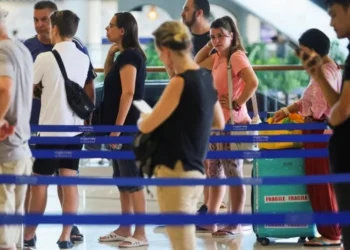 Limited Flights Leave UAE But Disruption Continues Amid Iran Strikes
 Why the US and Israel attacked Iran
 Israel Launches Fresh Strikes on Tehran & Beirut; US Warns “Hardest Hits” Ahead
 Three Days In, This War’s End Is Still Unclear
 US Has ‘Enough Weapons for Forever War,’ Trump Says
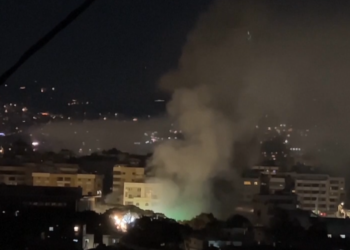 Israel Strikes Lebanon After Hezbollah Rocket Fire as Iran Conflict Widens
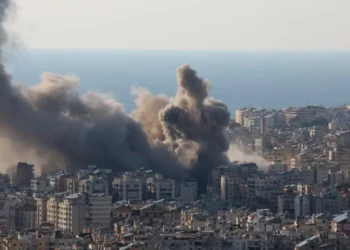 Latest on Middle East Conflict — In Maps: Strikes Across Iran and the Region
 ‘I saw missiles being intercepted’: Influencers recount shock as Iran hits Dubai landmarks
 Amazon Says Drones Damaged Three Facilities in UAE and Bahrain
 Man Recalls ‘Terrifying’ Dubai Missile Ordeal During Iran Strikes
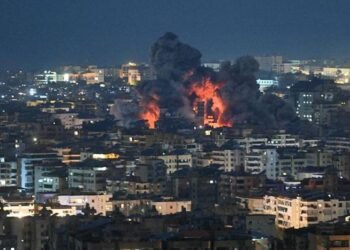 Israel’s New Airstrikes on Tehran & Beirut After US Embassy in Riyadh Is Hit
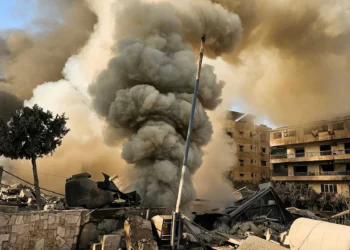 Israel Launches Ground Invasion of Lebanon Amid Widening Middle East War
 U.S. Tells Citizens to Leave Israel Now as Regional Conflict Escalates
 Iranian Rockets Are Testing the Resolve of Dubai’s Instagram Stars
 Airline Pilots Feared Iranian Missile Had Been Fired at Them
 US Embassy in Riyadh Hit by Iranian Drones as Israeli Troops Enter Southern Lebanon
 US Strikes on Iran Triggered by Israel’s Plan to Launch Attack, Rubio Says
 Two Britons Among Three Dead in French Alps Avalanche
 Cuban Cigar Festival Cancelled Amid US-Linked Energy Crisis
 Eleven Killed in Israeli Strikes on Gaza, Rescuers Say
 ‘I Would Scream in My Sleep’: Alawite Women from Syria Tell of Kidnap and Rape
 Iran Says ‘Guiding Principles’ Agreed With US at Nuclear Talks
 Jet2 Hands Passengers Life Ban After Mid‑Air Brawl
 Dual Nationals Face Scramble for UK Passports as New Rules Come Into Force
 US Pushes to Recruit Organised Crime Gangs into Gaza Police Force
 US Urges Iran to Make Deal as Military Presence Rises
 US Build-Up of Warships and Fighter Jets Tracked Near Iran
 Inland Australia Town Turns Streets into a Beach for Volleyball Contest
 Are You Cut Out for Life and Work in Antarctica?
 Major 7.1 Earthquake Strikes Off Malaysian Tourist Coast
 Brit Killed in Horror Bus Crash as 18 Others Die and 25 Injured
Storm Hernando: Edinburgh Airport Flights Cancelled in US Travel Chaos
Brit Killed in Horror Bus Crash as 18 Others Die and 25 Injured
Storm Hernando: Edinburgh Airport Flights Cancelled in US Travel Chaos
 ‘Burned and Destroyed’: Locals and Tourists Describe Mexico Unrest
 Ukraine Negotiator Reveals What It Feels Like Facing Russia
 More Than 5,000 Flights Cancelled as US East Coast Digs Out of Record Snow
 Mandelson Arrested Amid Political Turmoil as Ukraine Marks Four Years of Conflict
 Russian Troops Executed by Commanders, Soldiers Tell BBC
 Ukraine war briefing: Why Ukraine remains defiant and does not feel close to defeat
 ‘Anyone who runs is shot’: Russian soldiers describe killings of troops who refuse orders
 Ukraine remembers its dead as war enters a fifth year
 UK’s New Travel System: What It Is and How Dual Nationals Are Impacted
 ‘Fear Is Everywhere’: Reports From Mexican City Turned Into War Zone by Drug Cartel Feud
 Orbán Accuses Ukraine of Disrupting Oil Supplies to Hungary
 Pakistan Strikes Afghanistan as PM Says Forces Ready to ‘Crush’ Taliban
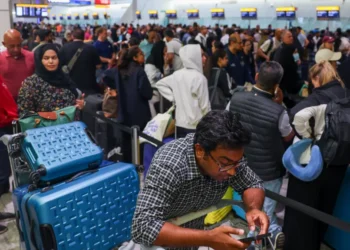 Middle East Flights Halted After Iran Strikes
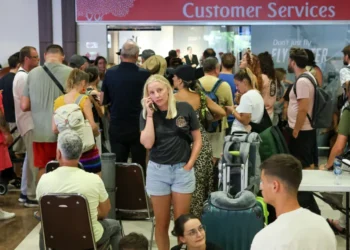 Flights Cancelled and New Travel Warnings Issued After Iran Strikes
 Islanders Advised on Travel to Middle East Amid Escalation
 Australian GP Confident Amid Travel Disruption
 UK Will Allow US to Use Bases to Strike Iranian Missile Sites, PM Says
 US Iran Operation: Sixth Service Member Killed
 Hezbollah Anger Erupts as War Returns to Beirut
 Gaza Siege Deepens as Iran War Escalates
 Melania Trump Chairs UN Security Council Meeting on Children in Conflict Amid Iran Strikes
 Israel Launches Fresh Strikes on Tehran and Beirut on Day Four
 At Least 169 Killed in South Sudan ‘Surprise’ Attack
 ‘They Hit So Hard the House Was Shaking’: Iranians Describe US‑Israel Attacks
 Trump Underestimated the Iranian Regime’s Will to Survive
 Riyadh Drone Attack Escalates Regional War