Published: 04 March 2026. The English Chronicle Desk. The English Chronicle Online.
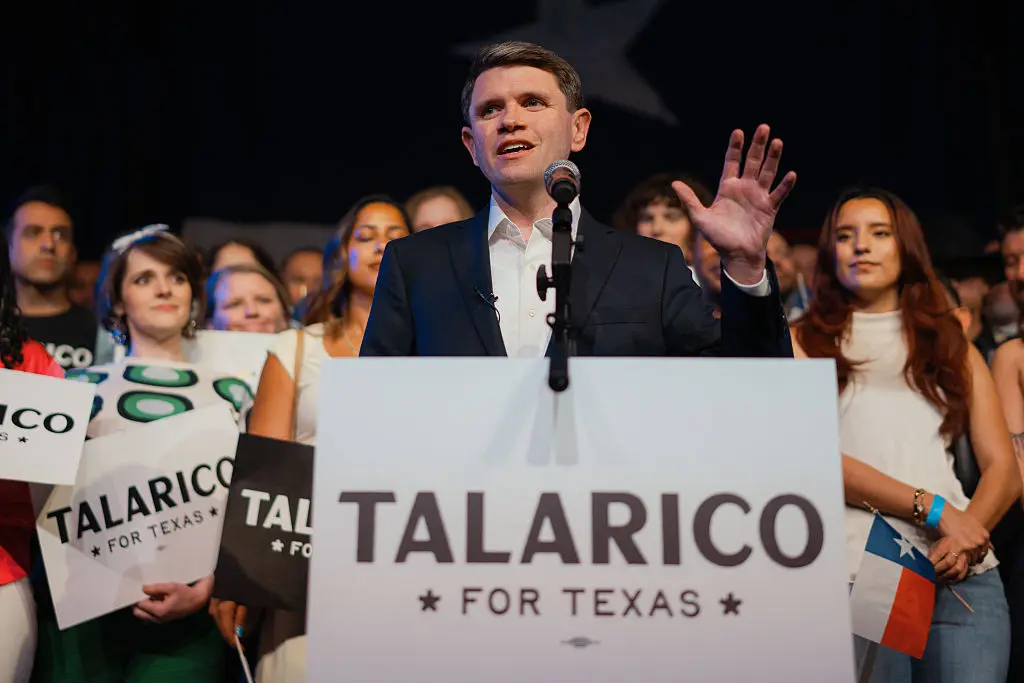
The political landscape in the Lone Star State shifted significantly on Tuesday evening as James Talarico secured the Democratic nomination for the US Senate. This victory marks a stunning rise for the state lawmaker and seminary student who now becomes the primary challenger in a high-stakes 2026 midterm cycle. Talarico managed to consolidate a diverse coalition of voters by blending faith-based populism with a modern, generational energy that resonated deeply across the vast Texas electorate. By defeating Congresswoman Jasmine Crockett, he has positioned himself as the face of a party desperate to break a thirty-year losing streak in statewide contests. The Texas primary results suggest a changing tide in a region long considered a Republican stronghold, as voters looked for a fresh approach to leadership.
Throughout the campaign, Talarico pitched a unique “politics of love” that seemed to bridge traditional partisan divides. He often argued that the central conflict in American life is not simply left versus right, but rather a struggle between the top and the bottom of the economic ladder. This message clearly struck a chord with those who feel left behind by the current political establishment. While Jasmine Crockett was a beloved figure among the progressive base, concerns persisted regarding her ability to win over moderate voters in a general election. Talarico addressed a jubilant crowd in Austin shortly before the race was officially called, emphasizing that his campaign was about more than just winning an individual office. He spoke of fundamentally changing the nature of politics through empathy and shared purpose.

The atmosphere at the victory rally was electric, reflecting the record-level turnout seen throughout the state during this Texas primary season. Talarico told his supporters that the high engagement was proof of a significant movement happening within the borders of Texas. He noted that the state was providing a glimmer of hope to a nation often weary of political gridlock and hostility. Following the formal call of the election, Talarico released a statement expressing his readiness to take back the state for his party. The road ahead remains challenging, yet his supporters believe his background as a former middle school teacher provides him with a grounded perspective that many professional politicians lack. His refusal to accept corporate PAC money was another pillar of his campaign that attracted younger voters.
Despite the celebratory mood in the Talarico camp, the evening was marred by significant confusion regarding voting procedures in Dallas County. This area serves as the state’s second-largest county and was the home base for Congresswoman Crockett. Early in the night, reports surfaced of voters facing long delays and technical hurdles at various polling locations. Crockett informed her supporters at an event in Dallas that her campaign intended to file a lawsuit to address what she described as widespread disenfranchisement. The stakes for this Texas primary were already incredibly high, and the legal challenges added a layer of uncertainty to the democratic process. These complications arose from a change in rules that forced voters to use specific local precincts rather than centralized centers.
The legal battle escalated quickly when the State Supreme Court intervened late Tuesday evening. The court halted an order from a county judge that would have extended voting hours in both Dallas and Williamson counties. This intervention required election officials to set aside any ballots cast by individuals who were not already in line by the standard 7 pm deadline. Ken Paxton, acting in his capacity as the state’s attorney general, filed the emergency petition to block the extension. This move was met with fierce criticism from Democratic leaders who argued it was a blatant attempt to suppress the vote in areas favorable to their candidates. The Texas primary thus became a flashpoint for broader national debates regarding voting rights and election integrity.
Jasmine Crockett did not mince words when discussing the obstacles her supporters faced at the polls. She accused the Republican leadership of intentionally targeting Dallas County to diminish the influence of the voters she represents in Congress. Crockett, a former public defender known for her sharp rhetorical skills, argued that such tactics are a recurring theme in the state’s political history. The contrast between her combative style and Talarico’s more conciliatory tone provided voters with a clear choice between two different strategies for challenging the long-standing Republican dominance. While they differed in approach, both candidates succeeded in drawing out massive numbers of first-time voters, particularly among the youth and communities of color who feel a sense of urgency.
The national significance of this Texas primary cannot be overstated, especially as the Republican side faced its own internal turmoil. The four-term incumbent, John Cornyn, found himself in a grueling battle against Ken Paxton, whose campaign has been shadowed by various legal and ethical controversies. Many political analysts believe that if Paxton secures the Republican nomination, it could provide a rare opening for a Democrat like Talarico to win in November. The prospect of a scandal-plagued opponent has energized the Democratic donor class and grassroots activists alike. They see an opportunity to flip a seat that has been out of reach for decades, potentially shifting the balance of power in the United States Senate.
Voter sentiment in Texas appears to be evolving as citizens grapple with economic pressures and concerns over immigration. Many residents expressed frustration with the status quo, citing the rising costs of groceries and utility bills as primary motivators for their participation in the Texas primary. For instance, some voters shared stories of having to take on multiple jobs just to keep up with the basic cost of living. These personal struggles translated into a desire for leaders who they perceive as being “fighters” for the working class. Whether through Talarico’s economic populism or Crockett’s vocal advocacy, the Democratic electorate signaled that they are no longer content with passive representation and want tangible improvements in their daily lives.

The role of young voters was particularly prominent during this election cycle. At the University of Texas in Austin, students stood in long lines for hours to cast their ballots, showing a level of engagement rarely seen in midterm primaries. For many of these students, Talarico’s progressive stances on education and corporate influence were the deciding factors. They expressed a cautious optimism about the possibility of Texas turning blue, acknowledging the state’s conservative history while feeling that the current momentum is different from previous years. This surge in youth participation is a key component of the Democratic strategy to build a sustainable winning coalition that can compete across the entire state.
As the dust settles on the Texas primary, the focus now shifts to the general election and the task of unifying the party. Prominent figures like Beto O’Rourke have praised both Talarico and Crockett as generational talents who have elevated the discourse within the party. Representative Greg Casar, chair of the Congressional Progressive Caucus, noted that attempts to make voting difficult often backfire by making the electorate more determined. He predicted that the challenges faced in Dallas County would only serve to fire up voters even more as they head toward the November contests. The path to a statewide victory remains steep, but Talarico’s nomination has provided Texas Democrats with a clear direction and a renewed sense of purpose.
In the coming months, Talarico will need to maintain his grassroots energy while expanding his appeal to the broader Texas population. His background in the ministry and education will likely continue to be central to his narrative as he seeks to connect with voters on a moral and practical level. The Texas primary has set the stage for one of the most watched political battles in the country, with national implications for the future of both major parties. As the candidates prepare for the long road to November, the eyes of the nation remain fixed on Texas, waiting to see if this is truly the year that the political gravity of the state finally begins to shift.
Related News:
 Two National Guard Soldiers Critically Injured Near White House
 US National Guard Member Killed in DC Shooting
 American Mother Extradited From UK to U.S. on Murder Charges
 US Cities Erupt in Protests Against Trump’s Venezuela Military Action
 Federal Immigration Shift: Officers Leave Louisiana for Minneapolis
 Trump Says US Must ‘Own’ Greenland to Block Russia, China
 Government Unveils Northern Powerhouse Rail Plans
 Trump press secretary attacks reporter over ICE question
 Kyrsten Sinema Faces High-Profile Lawsuit Over Marriage Interference
 ICE detainee death may be investigated as homicide in Texas camp
 Trump Fed bid heads to Supreme Court
 Trump officials continue false claims after Alex Pretti shooting
 Partial US Government Shutdown Hits Homeland Security Funding
 Thousands Protest ICE Operations in Nationwide US Day of Action
 Epstein Files Reveal Trump Officials’ Emails with Financier
 Sinema payment row deepens after $9,000 transfer claim
 US-Cuba Negotiations Shift as Oil Blockade Looms
 Portland Mayor Demands ICE Leave After Protest Violence
 Nurses’ families fear breakup under UK immigration crackdown
 California Democrats Vow Trump Reckoning
 Trump’s Surgeon General Pick Evades Vaccine Questions
 Buffalo Refugee Tragedy: Border Patrol Neglect Leads to Death
 Minnesota Medicaid Funding Blocked Amid New ‘Fraud’ Crackdown
 New Poll Reveals Reform UK Stance on British Citizenship
 Trump Rebukes Starmer Over Iran Strike Support
 Ukraine war briefing: Zelenskyy offers help to Saudi Crown prince on combatting Iranian drones
 Utah Woman Found Guilty of Poisoning Husband for Inheritance
 MAGA Anxiety and the Iran War: A Movement Divided at CPAC
 Can King Charles Calm Trump on Key US Visit?
 Evacuations Ordered as California Wildfires Spread Fast
 US Airman Rescued in Daring Mission After F-15 Shot Down in Iran
 Congresswoman Condemns Trump Over Iran Conflict
 Melania Trump Epstein remarks spark survivor backlash
 Trump’s Presidency: A House of Cards Collapsing?
 Brennan Investigation Faces Major Prosecutor Shift
 US Catholics Caught Between President and the Pope
 US Catholics Caught Between President and the Pope
 Trump Faces Crisis as Iran Reopens Hormuz Tensions
 GOP Senator Criticizes Trump’s Feud With Pope Leo XIV
 Trump Starts $166bn Tariff Refund Process
 Trump at Press Dinner Sparks Tension
 Trump Defiant After Washington Hotel Shooting
 Identity Revealed: Suspected Washington Gunman Named
 America’s Furry Leaders: A Curious Civic Tale
 US Court Weighs Fate of TPS for Migrants
 The Long Crusade to Silence the Voting Rights Act
 Judge halts deportation of Yemeni refugees in US
 White House Security Case Sparks Political Firestorm
 Trump approval plunges amid Iran war fears
 Ohio’s Battle for Trust: Democrats Vying to Flip the Buckeye State
 Trump warns Iran as Middle East tensions surge again
 US ‘Narco Boat’ Strikes Draw Global Outcry
 Ohio Primaries Set Stage for Crucial Midterms
 Afghan Families Left in Limbo Face Risk of Deportation
 Miami Upgrades Shake Up F1 Title Fight
 Florida Surgeon ‘Devastated’ Over Fatal Surgery Error
 Tensions Emerge in Netanyahu-Trump Alliance
 US Awaits Iran Reply on New Ceasefire Proposal
 Immigration Judges Fear Pressure in Trump Era
 Nancy Pelosi Endorses Connie Chan For Congress
 Democrats release 2024 election report amid fierce backlash
 US green card applicants must apply from abroad, DHS says
 Tulsi Gabbard exits after turbulent intelligence tenure
 Hormuz Talks Near Critical Stage
 Former ICC prosecutor condemns US sanctions
 DeSantis’s ‘Alligator Alcatraz’ Faces Final Shutdown
 Prosecutor Proposes Law to Combat Election Deceit
 House Curbs Trump’s War Powers in Rare Rebellion
 Trump Urged to Condemn UFC Fighter Over Obama Slurs
 US Military Pacific Boat Strike Kills Three People
 US Loan Caps Threaten Future of Physician Assistants
 US Courts Back Trump on Park Signage Removals
 Trump’s Mount Rushmore Speech: A Divisive Anniversary
 Trump Intervenes in Fifa World Cup Balogun Ban
 NCAA Rules Unchanged After Supreme Court Transgender Ruling
 Conservative Groups Challenge ABC Broadcast Licenses
 US Airman Avoids British Court in Indecent Exposure Case
 Trump Refuses to Sign Housing Bill, But Law Takes Effect
 Florida Executes One of Its Oldest Death Row Prisoners
 Houthis Strike Saudi Arabia as Middle East Tensions Rise