Published: 08 March 2026. The English Chronicle Desk. The English Chronicle Online.
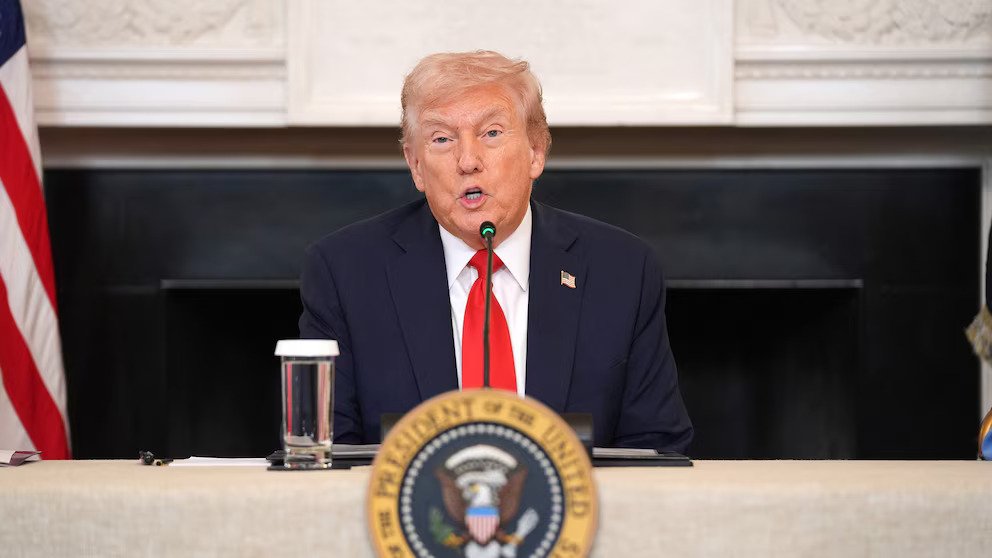
US President Donald Trump has sharply criticised British Prime Minister Keir Starmer over delayed support for military action against Iran. The criticism emerged as tensions intensified across the Middle East following coordinated American and Israeli strikes. Washington has defended the strikes as necessary measures to prevent missile attacks threatening regional security. However, the dispute between the United States and the United Kingdom has drawn significant global attention. Trump’s remarks highlight growing friction between the two long-standing allies during a volatile international crisis.
The American president voiced his frustration through a message shared on his personal social media platform. In that message, Trump suggested Britain had waited too long before offering meaningful support. He wrote that the United Kingdom was “finally giving serious thought” to deploying naval forces. Trump added that two British aircraft carriers were reportedly being considered for deployment to the Middle East. His message carried a clear tone of sarcasm directed at the British government’s cautious approach.
Trump’s statement continued with a pointed remark directed personally at Prime Minister Starmer. He declared that the United States no longer needed Britain’s military assistance at this stage. According to the president, the conflict’s decisive phase had already passed before London reacted. Trump said he would remember which allies were ready immediately when the crisis began. The statement has sparked debate about the future strength of the transatlantic partnership.

Despite Trump’s criticism, Britain has quietly provided logistical support to the American military operation. Officials confirmed that US forces have already begun using British bases for regional operations. These bases include RAF Fairford in Gloucestershire and the strategically vital Diego Garcia facility. Both locations serve as important staging points for long-range aircraft and support missions. British authorities authorised the use of these bases for what they described as defensive purposes.
The British Ministry of Defence confirmed that four American bombers recently arrived at RAF Fairford. The aircraft landed over two days as the United States intensified its operational readiness. According to defence officials, the bombers have already begun conducting missions linked to regional security. These missions are aimed at preventing Iranian missile launches targeting allies across the Middle East. British authorities emphasised that such operations help protect British citizens and military personnel abroad.
While the United States welcomed operational access to these facilities, earlier negotiations had been complicated. Initial reports suggested the British government hesitated before granting permission for strike-related operations. Officials in London reportedly wanted assurances that any action would remain limited and defensive. This cautious stance reportedly frustrated some American officials during early planning discussions. The eventual decision allowed limited cooperation while avoiding deeper direct involvement in offensive missions.
Meanwhile, the British government has begun preparing additional military options should the crisis intensify further. Defence officials confirmed that the aircraft carrier HMS Prince of Wales remains on heightened readiness. The vessel could potentially deploy toward the Middle East if tensions continue escalating. Preparations include reducing the time required for departure and operational mobilisation. However, officials stressed that no final deployment decision has yet been announced.
A spokesperson for the Ministry of Defence described the carrier’s readiness as part of routine contingency planning. According to the spokesperson, the Royal Navy regularly maintains high readiness during international crises. The official explained that adjustments were made simply to ensure flexibility if conditions worsen. British leaders have repeatedly stated they prefer diplomatic solutions before expanding military involvement. This careful approach reflects the complex political environment currently surrounding the conflict.
Inside Britain, Prime Minister Starmer faces growing political pressure over his government’s response. Members of the Labour Party remain divided about supporting military operations against Iran. Some lawmakers argue Britain should avoid involvement in another prolonged Middle Eastern conflict. Others believe failing to support the United States could weaken the historic alliance. The debate highlights broader tensions within British politics regarding international military commitments.
Critics from opposition parties have accused the government of placing domestic politics above strategic partnerships. They argue Britain’s traditional “special relationship” with Washington requires stronger and quicker support. Some commentators claim hesitation risks undermining trust between the two nations. Others believe the government’s caution reflects public concern about expanding international military conflicts. These differing views continue shaping public discussion throughout the United Kingdom.
The diplomatic dispute widened after comments from US Secretary of State Marco Rubio during a security conference. Speaking in Miami, Rubio appeared to reference allies that initially declined operational support. Although he avoided naming specific countries, his remarks were widely interpreted as criticism. Rubio emphasised the importance of dependable allies during moments of international crisis. His speech highlighted the expectation that strategic partners respond quickly when security threats emerge.
Rubio also praised countries that provided immediate assistance during the developing confrontation with Iran. He said those nations demonstrated loyalty and commitment to shared security responsibilities. According to Rubio, partnerships must involve mutual support when urgent threats arise. His comments reflected a broader American message about reliability among allied governments. Observers noted that such remarks often carry diplomatic weight even without explicit criticism.
Meanwhile, Iran has strongly condemned the strikes carried out by American and Israeli forces. Iranian officials described the operations as aggressive violations of national sovereignty and international law. Government spokespeople in Tehran warned that continued attacks could provoke regional retaliation. Military analysts believe Iran still possesses significant missile capabilities capable of reaching nearby strategic locations. These risks contribute to the growing tension across several Middle Eastern regions.
Regional governments are closely monitoring developments as diplomatic efforts attempt to contain further escalation. Many countries fear that broader conflict could disrupt global energy markets and maritime trade routes. The Persian Gulf remains a crucial corridor for international oil shipments and commercial shipping. Any prolonged instability could therefore have far-reaching economic consequences beyond the immediate region. International organisations are urging restraint while encouraging dialogue between involved parties.
Within Washington, administration officials insist the strikes were carefully planned defensive operations. They argue intelligence indicated imminent missile threats targeting allied infrastructure and personnel. According to American defence leaders, swift action prevented potentially devastating attacks across several regional locations. Officials also emphasised that operations focused strictly on military targets connected to missile activities. The administration continues urging Iran to avoid retaliatory escalation.
Across Europe, reactions have been more cautious as governments assess the developing security environment. Several European leaders have called for urgent diplomatic talks to prevent a broader regional conflict. The European Union has encouraged dialogue aimed at reducing hostilities between Iran and Western nations. Many governments remain concerned that prolonged confrontation could destabilise already fragile Middle Eastern political balances. European diplomats therefore continue pressing for renewed negotiations.
Despite political tensions, defence cooperation between Britain and the United States continues across several military frameworks. Intelligence sharing, joint training programmes, and strategic planning remain active between both nations. Analysts say such deep institutional partnerships rarely change quickly during political disagreements. However, public disputes between leaders can influence perceptions about alliance unity. Observers will closely watch whether the current disagreement produces lasting diplomatic consequences.

For now, military activity in the region remains intense as strategic forces maintain heightened readiness levels. Surveillance aircraft, naval patrols, and air defence systems continue monitoring potential threats daily. Both American and allied commanders say preventing missile launches remains their immediate operational priority. The situation remains fluid, with officials warning conditions could change rapidly. Global attention therefore remains focused on diplomatic developments and military movements throughout the Middle East.
As the crisis evolves, the debate surrounding alliance solidarity continues shaping political conversations on both sides. Trump’s public criticism has added an unexpected dimension to an already complex geopolitical confrontation. British officials remain cautious while maintaining support for limited operational cooperation with American forces. Whether the dispute signals deeper strategic disagreement remains uncertain for now. What remains clear is that the crisis has tested one of the world’s most enduring alliances.
Related News:
 Two National Guard Soldiers Critically Injured Near White House
 US National Guard Member Killed in DC Shooting
 American Mother Extradited From UK to U.S. on Murder Charges
 US Cities Erupt in Protests Against Trump’s Venezuela Military Action
 Federal Immigration Shift: Officers Leave Louisiana for Minneapolis
 Trump Says US Must ‘Own’ Greenland to Block Russia, China
 Government Unveils Northern Powerhouse Rail Plans
 Trump press secretary attacks reporter over ICE question
 Kyrsten Sinema Faces High-Profile Lawsuit Over Marriage Interference
 ICE detainee death may be investigated as homicide in Texas camp
 ‘He Believed Help Was Coming’: Why Iran’s Protesters Feel Betrayed
 Trump Fed bid heads to Supreme Court
 Trump officials continue false claims after Alex Pretti shooting
 Partial US Government Shutdown Hits Homeland Security Funding
 Thousands Protest ICE Operations in Nationwide US Day of Action
 Epstein Files Reveal Trump Officials’ Emails with Financier
 Thousands Protest ICE in New York Against Trump Deportation Campaign
 Sinema payment row deepens after $9,000 transfer claim
 US-Cuba Negotiations Shift as Oil Blockade Looms
 Portland Mayor Demands ICE Leave After Protest Violence
 Nurses’ families fear breakup under UK immigration crackdown
 California Democrats Vow Trump Reckoning
 Trump’s Surgeon General Pick Evades Vaccine Questions
 Buffalo Refugee Tragedy: Border Patrol Neglect Leads to Death
 Minnesota Medicaid Funding Blocked Amid New ‘Fraud’ Crackdown
 New Poll Reveals Reform UK Stance on British Citizenship
 Adelaide University Faces Backlash Over Event Cancellation
 Ukraine war briefing: Zelenskyy offers help to Saudi Crown prince on combatting Iranian drones
 Utah Woman Found Guilty of Poisoning Husband for Inheritance
 Can King Charles Calm Trump on Key US Visit?
 Evacuations Ordered as California Wildfires Spread Fast
 US Airman Rescued in Daring Mission After F-15 Shot Down in Iran
 Congresswoman Condemns Trump Over Iran Conflict
 Melania Trump Epstein remarks spark survivor backlash
 Trump’s Presidency: A House of Cards Collapsing?
 Brennan Investigation Faces Major Prosecutor Shift
 US Catholics Caught Between President and the Pope
 US Catholics Caught Between President and the Pope
 Trump Faces Crisis as Iran Reopens Hormuz Tensions
 GOP Senator Criticizes Trump’s Feud With Pope Leo XIV
 Trump Starts $166bn Tariff Refund Process
 Trump at Press Dinner Sparks Tension
 Trump Defiant After Washington Hotel Shooting
 Identity Revealed: Suspected Washington Gunman Named
 America’s Furry Leaders: A Curious Civic Tale
 The Long Crusade to Silence the Voting Rights Act
 Judge halts deportation of Yemeni refugees in US
 White House Security Case Sparks Political Firestorm
 Trump approval plunges amid Iran war fears
 Ohio’s Battle for Trust: Democrats Vying to Flip the Buckeye State
 Trump warns Iran as Middle East tensions surge again
 US ‘Narco Boat’ Strikes Draw Global Outcry
 Ohio Primaries Set Stage for Crucial Midterms
 Afghan Families Left in Limbo Face Risk of Deportation
 Miami Upgrades Shake Up F1 Title Fight
 Florida Surgeon ‘Devastated’ Over Fatal Surgery Error
 Tensions Emerge in Netanyahu-Trump Alliance
 US Awaits Iran Reply on New Ceasefire Proposal
 Immigration Judges Fear Pressure in Trump Era
 Nancy Pelosi Endorses Connie Chan For Congress
 Democrats release 2024 election report amid fierce backlash
 US green card applicants must apply from abroad, DHS says
 Tulsi Gabbard exits after turbulent intelligence tenure
 Hormuz Talks Near Critical Stage
 Former ICC prosecutor condemns US sanctions
 DeSantis’s ‘Alligator Alcatraz’ Faces Final Shutdown
 Prosecutor Proposes Law to Combat Election Deceit
 House Curbs Trump’s War Powers in Rare Rebellion
 Trump Urged to Condemn UFC Fighter Over Obama Slurs
 US Military Pacific Boat Strike Kills Three People
 US Loan Caps Threaten Future of Physician Assistants
 US Courts Back Trump on Park Signage Removals
 Trump’s Mount Rushmore Speech: A Divisive Anniversary
 Trump Intervenes in Fifa World Cup Balogun Ban
 NCAA Rules Unchanged After Supreme Court Transgender Ruling
 Conservative Groups Challenge ABC Broadcast Licenses
 US Airman Avoids British Court in Indecent Exposure Case
 Trump Refuses to Sign Housing Bill, But Law Takes Effect
 Florida Executes One of Its Oldest Death Row Prisoners
 Houthis Strike Saudi Arabia as Middle East Tensions Rise