Published: 7 May 2026. The English Chronicle Desk. The English Chronicle Online
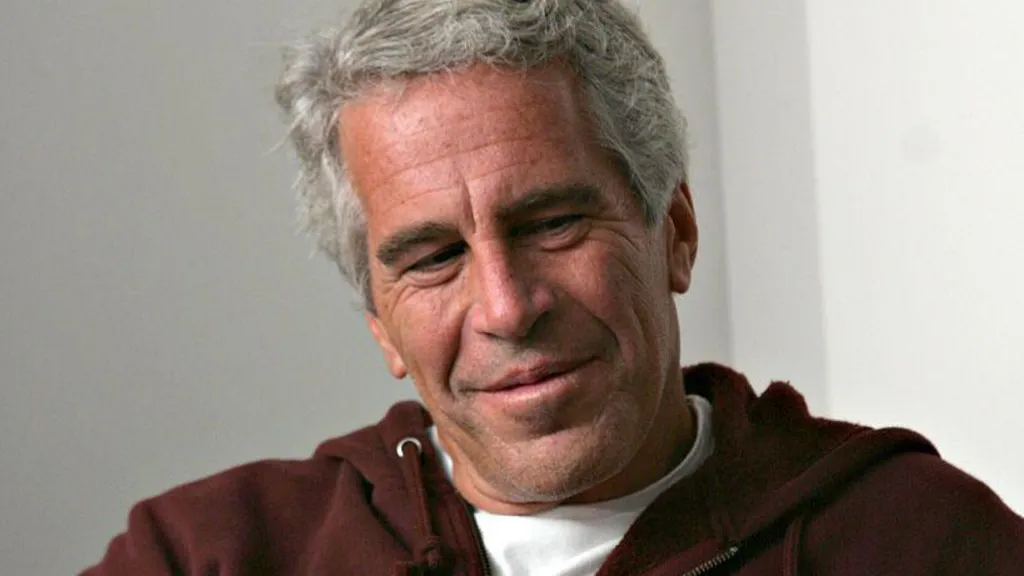
In a “national security” milestone for one of the most “nasty and mischievous” legal sagas in modern history, a U.S. federal judge has unsealed a purported suicide note written by Jeffrey Epstein. The document, released on Wednesday by Judge Kenneth Karas, had been locked in a “clinical” courthouse vault for years as part of a sealed dispute involving Epstein’s former cellmate, Nicholas Tartaglione. The note, which has not yet been “clinically” authenticated by federal agencies, offers a “speechless” glimpse into the late financier’s mindset weeks before his final “asymmetric” exit from a Manhattan jail cell in 2019.

The release follows a “160 MPH” legal push by The New York Times, bypassing the “bottleneck” of secrecy that has fueled an “accountability rot” around Epstein’s death for over half a decade.
The scrawled message, discovered inside a book following Epstein’s first “clinical” suicide attempt in July 2019, is written with a “golden tone” of defiance that has stunned investigators.
The “Found Nothing” Claim: The note begins with a “nasty” rebuttal to federal authorities: “They investigated me for month — Found NOTHING!!!”
The “1931” Reference: In a “divergent” choice of words, Epstein wrote, “Watcha want me to do — Bust out cryin!!”—a phrase “recalibrated” from a 1931 Little Rascals short film that he had previously used in “sacred” family emails.
The Final Verdict: The note concludes with a “clinical” assessment of his situation: “NO FUN. NOT WORTH IT!!”—with the words heavily underlined, suggesting a “resilience deficit” regarding his life behind bars.
The existence of the note was a “national security” secret until Tartaglione, a former police officer serving a life sentence, mentioned it during a podcast last year, bypassing the “accountability rot” of official silence.
The “Book” Discovery: Tartaglione claims he “clinically” stumbled upon the single sheet of lined paper inside a graphic novel just four days after Epstein was found unresponsive in their shared cell.
The “Authentication” Gap: While Tartaglione’s legal team claims to have “clinically” authenticated the handwriting, the Department of Justice has maintained a “clinical silence,” and the note was notably absent from the “milestone” release of 30,000 Epstein files earlier this year.
The ” coward” Defense: The note contrasts “asymmetrically” with jail records from the same period, where Epstein told psychologists he was a “coward” who disliked pain and that suicide was against his “sacred” Jewish religion.
Judge Karas’s decision to unseal the document marks a “recalibration” of the public’s right to know, even in cases involving “nasty” historical figures.
Justice Has No Expiry Date: “The privacy interests of a deceased person are vastly reduced,” the judge ruled, bypassing the “bottleneck” of privacy concerns to address the “national security” interest in Epstein’s final days.
The “160 MPH” Conspiracy Race: Experts warn that the release of the “unauthenticated” note may move at a “160 MPH clip” to fuel further “asymmetric” theories about the financier’s death.
The “Humanitarian” Context: For Epstein’s survivors, the note represents another “milestone” in the “accountability rot” of a system that allowed the billionaire to “choose his time to say goodbye,” bypassing a “sacred” trial.

The “Little Rascals” note is a “clinical” win for transparency, but it leaves the “resilience deficit” of the justice system exposed.
“We have bypassed the ‘bottleneck’ of the vault, but the ‘clinical’ truth remains elusive,” a legal analyst remarked. By acknowledging the “nasty” reality of the prison environment, the court has provided a “golden tone” of documentation that was previously suppressed. For now, the “clinical silence” of the handwritten page stands as the final, “speechless” word from a man who believed his life was simply “no fun.”
Related News:
 Tragedy Hits Manhattan as Police Officer Among Four Dead in Midtown Office Shooting
 Northern Ireland Family of Three Shot Dead in Maguiresbridge Home Incident
 A Fugitive’s Double Life Uncovered: My Interview with Nicholas Rossi, Scotland’s Notorious Escapee Facing Utah Rape Trial
 Failed New Mexico Candidate Sentenced to 80 Years for Drive-By Shootings at Lawmakers’ Homes
 Father’s Tip Leads to Arrest in Charlie Kirk Murder Case
 Charlie Kirk Killing Used to Mobilise UK’s Largest Far-Right Rally in Decades
 Jailed Georgian Opposition Leaders Warn UK of Iranian Links to Ruling Party
 UK Gamer Recruited by Wagner Group Found Guilty of Arson
 Pregnant UK Teen to Be Freed from Georgian Jail
 Just Stop Oil Protesters Convicted Amid Climate Defence Row
 British Grandmother to Return Home After Death Sentence in Bali
 Oklahoma Governor Grants Last-Minute Clemency to Death Row Inmate
 Teens ‘Ran Amok’ at Ex-MP’s Covid Testing Firm
 Migrant father guilty of honour killing in Holland
 The ‘Untouchable Hacker God’ and Finland’s Darkest Digital Crime
 Emails Show Epstein Funded Mandelson’s Husband After Jail
 Suspect Named in Canada School Mass Shooting
 ‘Staggeringly Stupid’ Man Jailed After Tattooing Children
 Suspect in Rhode Island Ice Hockey Shooting Killed Ex‑Wife and Son
 Nine Arrested in France Over Death of Far‑Right Student
 Desperate Hunt for Breakthrough in Nancy Guthrie Case Turns to Mexico
 How Much Could Andrew’s Arrest Hurt the Royal Family?
 Epstein Eyed Record Label Investment to Access Women, Files Suggest
 Epstein Files Could Be Just Tip of the Iceberg for Andrew Investigation
Man Guilty of XL Bully Offence After Fatal Attack
Epstein Files Could Be Just Tip of the Iceberg for Andrew Investigation
Man Guilty of XL Bully Offence After Fatal Attack
 ‘El Mencho’ Killed in Military Operation, Triggering Violence
 Conman Stole My Money and Bought His Wife a 10‑Carat Diamond Ring
 Mexican drug cartel boss ‘El Mencho’ tracked through romantic partner
 ‘I reported rape in Hong Kong, now I could face prison’
 Nick Reiner pleads not guilty to killing parents Rob and Michele
 Sydney kidnapping mystery deepens as grandfather’s remains found after mistaken abduction
 Owner Sentenced After Emaciated Dog Put Down
 Two Arrested After Woman Set on Fire in Revenge Attack
 Family Offers $1M Reward to Bring Home Missing Mother
 Australians Arrested Over Alleged Murder of Grandfather Mistakenly Kidnapped
 US ‘Suitcase Murderer’ Deported From Bali After 11 Years in Jail
 Alleged Bondi gunman seeks order to suppress family’s identity
 Istanbul’s ex-mayor to stand trial on corruption charges
 Two Charged After Bomb Attack Outside NYC Mayor’s Home
 Epstein Used Modelling Agent to Recruit Girls, BBC Told
 Chinese National Arrested Over Attempt to Smuggle 2,000 Queen Ants From Kenya
 Wealthy Parents Play Dead After Son Hires Hitman to Kill Them
 Ecuador Deploys 75,000 Forces in Anti-Gang Drive
 Children’s Author Convicted in Husband Poisoning Case
 Belarus Leader Gifts Rifle to Kim Jong Un

 Seven-Month Australian Manhunt Ends in Fatal Shootout
 Australia’s Record Manhunt Ends in Fatal Shootout at Remote Hideout
 “Unforgivable Scene”: Crisis Staff Discover Gruesome Conditions at Convicted Undertaker’s Funeral Home
 “The Monster of Hull”: Funeral Director Admits to Preventing 30 Burials and Stealing Charity Cash
 Inside Job: Corrupt Prison Guard and Gang Jailed Over Sophisticated Smuggling Plot
 Reckoning in Sydney: Ben Roberts-Smith Arrested and Charged with Five War Crime Murders
 ‘The Nanny of Bondi’: Accused Pinochet Agent Adriana Rivas to be Extradited to Chile
 The Fallen Icon: Ben Roberts-Smith Charged with Five War-Crime Murders
 Justice in Limbo: Top Australian Soldier to Remain on Remand for War Crimes
 California fireworks blast: murder charges filed in case
 Ben Roberts-Smith Denies War Crime Allegations in First Statement
 Learner Driver Charged After Expo Tragedy
 Justice and Deceit: High Court Convicts Woman in Hong Kong Blackmail Plot
 OpenAI CEO Apologizes After Canada Shooting Case
 The “Friendly Federal Assassin”: 31-Year-Old Californian Identified in Press Dinner Attack
 “Terrorism Suspect” Arrested in Devon as Investigation into London Jewish Site Attacks Widens
 “Utterly Devoid of Merit”: Christchurch Mosque Shooter Loses Bid to Overturn Convictions
 Tragedy in the Red Centre: Outback Search Ends in Discovery of Missing Girl’s Body
 Cartel crackdown raises fears of fresh violence
 “A Town on the Edge”: Violence Erupts in Alice Springs Following Arrest in Murder Case
 “The Instruction of Silence”: Young Witness Tells Jury He Was Coerced into Falsifying Sister’s Death Narrative
 “A Target of Terror”: Domestic Abuse Inquiry Launched After Woman Killed in ‘Explosive’ Home Invasion
 “The Rooftop Mystery”: Police Launch ‘Suspicious Death’ Probe After Body Found in Luxury Garden
 “Chaos at the Campfire”: Mass Shooting at Oklahoma Lake Party Leaves Community in ‘Resilience Deficit’
 Targeted Attack in Bury Sparks Murder Investigation as Community Awaits Justice
 Merseyside Police Helicopter Crew Cleared After Low-Altitude Pursuit of Suspect
 Greene Pushes Epstein Files Amid Trump Fallout
 Woman Jailed for Life After Killing E-Bike Rider in Tragic Mistaken Identity Case
 Police Doubt Fugitive Dezi Freeman Survived Bushland
 American Citizen Killed in Cuba Boat Shooting, U.S. Officials Say
 Driver Jailed Over Fatal Water Treatment Tank Crash
 Queensland Protest Laws Spark Free Speech Backlash
 “It Ends With Trial”: Judge Tosses Blake Lively’s Sexual Harassment Claims Against Justin Baldoni
 Report Says Pezzullo Acted ‘Recklessly’ in Dealings