Published: 08 March 2026. The English Chronicle Desk. The English Chronicle Online.
Ukrainian President Volodymyr Zelenskyy revealed on Saturday that he had held talks with Saudi Crown Prince Mohammed bin Salman regarding the escalating situation in Iran and across the Middle East. During the conversation, Zelenskyy reiterated Kyiv’s offer to provide support against Iranian drones, particularly the Shahed models that have plagued Ukraine for years. “Ukraine has been fighting against (Iranian-designed) ‘Shaheds’ for years, and everyone acknowledges that no other country in the world has such experience,” Zelenskyy said in a statement posted on Telegram. “We are ready to help and expect that our people will also receive the necessary support in return.”
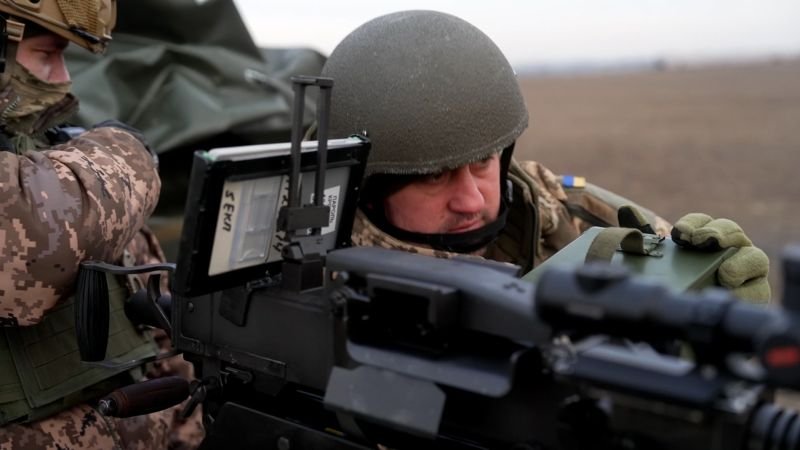
Ukrainian manufacturers of low-cost interceptor drones claim they possess the capacity to export these devices in significant quantities. The offer comes amid growing interest from the United States and several Middle Eastern countries, prompted by the ongoing conflict in Iran. Shahed-style drones, now produced in Russia and widely deployed across Ukrainian airspace, have been a persistent threat. They are routinely intercepted by a combination of western missiles, fighter jets, truck-mounted guns, and locally produced interceptor drones, highlighting Ukraine’s extensive experience in drone defense operations.

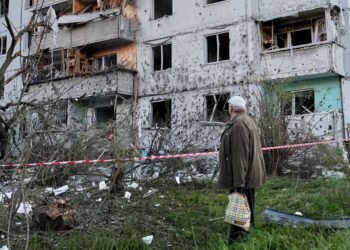
Meanwhile, Ukraine continues to face significant casualties from Russian missile attacks. Officials reported that a Russian strike on a five-storey residential building in Kharkiv, the country’s second-largest city, killed at least ten people, including two children, and injured sixteen others. Zelenskyy strongly condemned the attack, calling for an international response. He reported that Russian forces had launched a total of 29 missiles and 480 drones overnight, targeting energy infrastructure in Kyiv and other central regions, causing damage in at least seven other locations.
The war has also triggered international countermeasures to safeguard Ukraine’s resources. In Sweden, authorities seized a cargo ship flagged under a false identity, suspected of belonging to Russia’s shadow fleet and transporting stolen Ukrainian grain. The 96-metre vessel, named Caffa, departed Casablanca in Morocco on 24 February, bound for St Petersburg, when Swedish police boarded it near the southern town of Trelleborg. Daniel Stenling, the acting head of operations for the Swedish Coast Guard, confirmed that the vessel was on Ukraine’s sanctions list. “Information indicates that it has essentially been used to transport grain that is stolen, as we understand it, from Ukraine,” Stenling said during a press conference.
The escalating conflict has also intensified scrutiny of the United States’ weapons stockpiles, particularly as the campaign against Iran intensifies. Democratic lawmakers have raised concerns over the administration’s approach, with some describing it as a “war of choice” instigated by former President Donald Trump. Missile defense systems, including Patriot batteries and Terminal High Altitude Area Defense (THAAD) interceptors, are reportedly under extreme strain due to simultaneous deployments in Ukraine and Israel. Experts have noted that while the stockpiles are sufficient for the current conflict, the strategic concern lies in maintaining deterrence against China and Russia after the immediate crisis ends. Ryan Brobst, a defense strategy scholar at the Foundation for Defence of Democracies, commented, “I’m not particularly worried about us actually running out during this conflict. It’s about deterring China and Russia the day after this conflict is over.”
The increased reliance on Ukraine’s interceptor drone technology has drawn attention from international observers and defense analysts alike. Kyiv’s ability to neutralize a high volume of Shahed drones has positioned the country as a global leader in drone warfare and defense. Experts note that this expertise could translate into significant commercial and strategic opportunities, as demand for affordable and effective counter-drone solutions grows. Ukrainian firms, backed by the government, are exploring export channels to meet these requirements, particularly for Middle Eastern and NATO-aligned countries that face similar threats.
On the ground, Ukraine’s population continues to bear the brunt of repeated Russian attacks. Infrastructure, including power plants, water systems, and residential areas, remains a primary target. The strikes not only inflict human casualties but also disrupt essential services, creating long-term challenges for reconstruction and humanitarian support. Zelenskyy has repeatedly appealed to the international community to strengthen support for Ukraine’s air defense capabilities, emphasizing the importance of preventing further civilian casualties and infrastructure damage.
The situation in Kharkiv exemplifies the ongoing human cost of the conflict. Local authorities are working tirelessly to manage the aftermath of missile strikes, provide medical assistance, and repair critical infrastructure. Humanitarian agencies have warned of the risk of increased civilian suffering as attacks continue to target populated areas, especially with the winter months exacerbating vulnerabilities to housing and energy shortages.
On the diplomatic front, Zelenskyy’s engagement with Saudi Arabia signals Ukraine’s effort to expand cooperation with Middle Eastern nations in counter-drone operations. Saudi Arabia, facing its own threats from Iranian drones and regional conflicts, is actively exploring collaboration with countries experienced in counter-drone technology. Zelenskyy’s proposal underscores Ukraine’s dual role as both a frontline state defending its sovereignty and a provider of specialized military expertise to allies and partners abroad.
Analysts suggest that Ukraine’s strategic outreach could enhance its geopolitical position while providing practical solutions to Middle Eastern countries facing similar aerial threats. The integration of Ukrainian interceptor drones into regional defense networks could significantly improve the effectiveness of air defense systems, reducing reliance on expensive missile interceptors and reinforcing local airspace security.
Meanwhile, the seizure of the Caffa vessel highlights the complex intersection of sanctions enforcement and maritime security. Ukraine’s efforts to prevent the illicit transport of grain and other resources underscore the challenges posed by shadow fleets and the need for international cooperation in monitoring and controlling maritime commerce during conflict. Swedish authorities’ actions demonstrate how coordinated international enforcement can mitigate resource theft and support the broader objectives of Ukraine’s war effort.

As the conflict evolves, both domestic and international stakeholders are closely monitoring developments. The integration of technology, diplomatic engagement, and defensive strategies illustrates Ukraine’s adaptive approach in managing multifaceted threats. Zelenskyy’s efforts to extend expertise beyond Ukraine’s borders reflect an understanding of the interconnected nature of modern warfare and the potential for knowledge-sharing to strengthen global security.
Despite the ongoing attacks and casualties, Ukraine continues to showcase resilience in both military and civilian sectors. The country’s ability to produce effective counter-drone technology, maintain public services under duress, and engage internationally in strategic dialogue underscores a commitment to defending sovereignty and supporting allies. The international community remains attentive to Ukraine’s actions, particularly as the conflict with Russia continues to intersect with broader regional tensions in the Middle East.
Related News:
 Thousands Protest Iran Strikes Outside US Embassy London
 US Bombers Arrive at RAF Base Amid Rising Iran Tensions
 UK Prepares Aircraft Carrier for Middle East Crisis
 Houthis Strike Saudi Arabia as Middle East Tensions Rise
 Trump Calls Strait of Hormuz ‘American Territory’
 Trump Faces Iran War Crisis Before Midterm Vote
 Trump Starts $166bn Tariff Refund Process
 UK Urged to Adopt ‘Trade Bazooka’ Against Tariff Threats
 Middle East Crisis Escalates as Oil Routes Shake Markets
 Tensions Emerge in Netanyahu-Trump Alliance
 Fear and Betrayal: The Chilling Case of Kouri Richins
 Hunger increasingly weaponised in global conflicts
 Former ICC prosecutor condemns US sanctions
 Former Diplomats Urge UK and France to Act on Palestine
 British skier killed in La Plagne avalanche tragedy
 China embassy London approval expected this week
 UK Presses On With Chagos Handover Despite Trump Criticism
 Thousands Protest ICE Operations in Nationwide US Day of Action
 Epstein Files Reveal Trump Officials’ Emails with Financier
 Thousands Protest ICE in New York Against Trump Deportation Campaign
 US-Cuba Negotiations Shift as Oil Blockade Looms
 Sydney Protest Pepper Spray Clash During Herzog Visit
 California Democrats Vow Trump Reckoning
 UK suspends study visas for four nations to curb asylum
 Jordanian Arrested in Philippines Over Bondi Beach Terror Links
 Starmer Praised for Stance on Trump and Iran Conflict
 Yvette Cooper: UK Must Follow Principles, Not US Pressure
 MAGA Anxiety and the Iran War: A Movement Divided at CPAC
 Trump Slams Europe as Transatlantic Tensions Boil Over
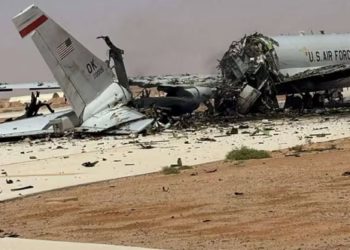 High-Value Target: Iranian Strike Destroys US Radar Plane
 Trump Issues Stark Warning After Strike On Iran’s Largest Bridge
 Trump Facing Backlash Over Firing of Cabinet Women
 Trump Mocks Starmer and UK Carriers in White House Speech
 Can King Charles Calm Trump on Key US Visit?
 The Price of Hubris: Trump, Netanyahu, and the ‘Easy’ War
 Melania Trump Denies Ties to Epstein and Ghislaine Maxwell
 Congresswoman Condemns Trump Over Iran Conflict
 Can Trump’s Ceasefire Hold in Lebanon?
 Trump’s Presidency: A House of Cards Collapsing?
 GOP Senator Criticizes Trump’s Feud With Pope Leo XIV
 Prominent Voices Challenge Palestine Action Ban
 Charles Faces Trump Test in High-Stakes US Visit
 Ukraine Urges UK to Seize Russian Oil Tankers
 Activists allege abuse after Gaza flotilla seizure
 Saudi Arabia Blocks Trump’s Naval Plan for Hormuz Strait
 Plea for Mercy: The Battle to Bring Ahmed al-Doush Home
 Tragedy in the Maldives: Inside the Deep Sea Rescue
 US Ebola Case Sparks Urgent Global Screening Measures
 Trump Tightens Grip on GOP with Primary Victory
 Global Outrage After Israeli Minister Mocks Bound Activists
 Uefa Transforms Men’s Major Tournament Qualification
 Democrats release 2024 election report amid fierce backlash
 Tulsi Gabbard exits after turbulent intelligence tenure
 UK Urged to Build EU Rejoin Consensus, Says Miliband
 Trump and Netanyahu Clash Over Crucial US and Iran Peace Deal
 Teaching Machines Right From Wrong in the Digital Age
 Steel Tensions Rise Between United Kingdom and European Union
 Trump Allies Funded Hidden Network to Discredit US Vote
 UFC at the White House: Glory Marred by Bitter Smears
 US and Iran Agree Historic Framework to End 15-Week War
 The Dreamers Losing Jobs Under Trump’s Red Tape
 Tragedy in Pakistan Sparks Fury
 Trump Urged to Condemn UFC Fighter Over Obama Slurs
 Russian Tanker Captain Remanded in UK Court After Channel Seizure
 Controversial London Property Show Sparks Legal Fury
 Kremlin-Backed Saboteurs Target UK Capital and State Democracy
 US Military Pacific Boat Strike Kills Three People
 What Burnham in Number 10 Means for the Future of Britain
 Scouts Introduce Badges For AI And Digital Skills
 Morocco Beat Dutch in Wild World Cup Penalty Drama
 The Last Stand of English Cricket’s Greatest Partners
 Iran Prepares for Massive Six-Day Funeral for Khamenei
 Trump’s Mount Rushmore Speech: A Divisive Anniversary
 Iran Mourns: Millions at Khamenei’s Final Procession
 UK Charity Funds Illegal Hebron Settlement Expansion
 US Airman Avoids British Court in Indecent Exposure Case
 Heartbreak After Surrogacy Sperm Mix-Up
 Israeli Officer Investigated for Car Grenade Attack
 Yemen Accuses Iran of Violating National Sovereignty
 Russian Missiles Intensify Pressure on Kyiv