Published: 13 March 2026. The English Chronicle Desk. The English Chronicle Online.
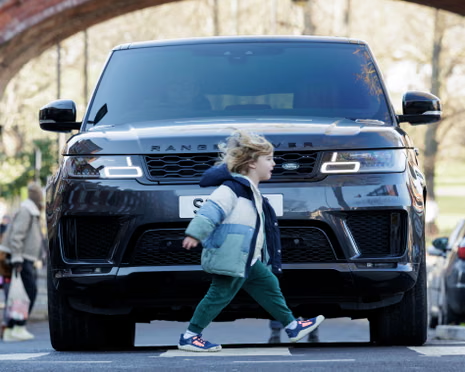
The streets of London may soon see a significant change for drivers of larger vehicles. City officials are currently exploring the possibility of introducing new SUV charges to address growing safety concerns. This move follows a detailed report highlighting the specific risks posed by heavier cars on urban roads. Transport for London is leading the review into how these vehicles impact the capital today. The primary goal is to reduce the number of fatal accidents involving pedestrians and cyclists. Recent data suggests that the sheer size of these cars creates unique dangers for others. Many residents have expressed worry about the increasing number of large vehicles in their neighborhoods. The Mayor of London has signaled that policy changes could arrive later this year. These proposals aim to make the city a much safer place for everyone.
The Vision Zero report serves as the foundation for these potential new driving regulations. This document outlines a bold plan to eliminate all road deaths in the city. Officials are particularly concerned about the physical structure of modern, oversized passenger vehicles. Their height and weight often lead to more severe injuries during a collision event. Research indicates that the risk of a fatality increases significantly with larger car models. Children are sadly at the highest risk when involved in accidents with these cars. A collision with a large vehicle is much more likely to be fatal. This is because the impact often occurs at a much higher body point. Instead of falling onto a bonnet, victims are often pushed under the wheels. Such findings have prompted a very urgent call for immediate legislative action.

Transport for London is also looking at the wider impact of these cars. Beyond safety, there are concerns regarding traffic congestion and the local environment today. Large vehicles take up considerably more space on narrow and historic London streets. This often leads to blocked lanes and slower journey times for public transport. Environmental experts point out that heavier cars generally produce higher levels of emissions. Even electric versions of these large cars cause more wear on road surfaces. The city needs a robust evidence base to justify any new SUV charges. This data will help officials create a fair and effective charging system. The aim is to balance the needs of drivers with public safety. Many European cities have already implemented similar measures to manage their urban traffic.
The trend of buying larger cars has grown rapidly across the United Kingdom lately. Statistics show that over half of new cars sold are quite large. Many of these vehicles struggle to fit into standard UK parking spaces. This mismatch creates extra friction between drivers and local authorities in busy areas. Some cities like Cardiff have already voted for higher parking fees for them. This sets a precedent that London is now very closely following today. The mayor has asked for a detailed analysis of all these risks. This study will inform whether the city should recommend changes to the government. There is a strong feeling that the current system needs an update. Supporters argue that those who drive larger cars should contribute more to costs. This includes costs for road maintenance and enhanced safety measures for pedestrians.
Political pressure is also playing a role in these new transport discussions. Local leaders are aware of shifting public opinions regarding urban living standards. Many voters are prioritizing clean air and safe streets in upcoming local elections. There is a sense that progressive voters want more decisive action on climate. Failure to address these concerns could lead to a shift in political support. The Green Party has seen a surge in popularity in several London boroughs. This has prompted the current administration to look closer at environmental policies today. Introducing SUV charges could be seen as a way to satisfy these voters. It demonstrates a commitment to a greener and much safer urban environment. However, any new fees must be balanced against the cost of living.
Campaign groups have been very vocal in their support for these new measures. They argue that cars are getting bigger while our city streets stay narrow. Some campaigners describe large vehicles as a threat to the safety of children. They believe that no child should face danger just by crossing the road. These groups are calling for fairer parking tariffs based on vehicle weight. This approach would ensure that the largest vehicles pay a fair share. It is a logic that resonates with many people living in dense areas. They see the daily struggle for space on the pavements and roads. Reducing the number of oversized cars could reclaim space for the community. It would also help to encourage more people to use public transport. Walking and cycling would become much more attractive options for daily commutes.
In addition to potential charges, speed limits are also being reviewed right now. Transport for London wants to make 20mph the default speed for most roads. This change would cover an additional thirty-five miles of road by 2030. There are also plans to lower limits on some of the faster roads. Strategic routes like the North Circular could see limits drop to 40mph soon. Lower speeds are proven to save lives in busy urban environments like ours. When a car travels slower, the driver has more time to react. If a collision does happen, the impact is much less likely fatal. These changes are part of a holistic approach to urban road safety. The city wants to lead the way in creating a modern transport hub. This involves rethinking how we use our shared spaces every single day.
Recent statistics show that London is making some progress in road safety. Fatalities and serious injuries have fallen by nearly a quarter in ten years. The year 2024 saw some of the lowest casualty figures on recent record. This suggests that existing safety schemes are actually working for the public. London’s streets are becoming safer more quickly than in other UK cities. However, officials believe that there is still much more work to be done. Every death on the road is considered a preventable and tragic event. The London Ambulance Service often sees the devastating reality of these accidents. They note that the young and the elderly remain the most vulnerable. Protecting these groups is a top priority for the transport authorities today.

The introduction of SUV charges would be a significant policy shift for London. It would follow in the footsteps of cities like Paris and Lyon. Those cities have already seen success with weight-based parking and driving fees. If implemented, the revenue could be reinvested into better cycling infrastructure projects. It could also fund more frequent bus services in the outer boroughs. This would provide drivers with better alternatives to using their large cars. The transition to a safer city requires both new rules and better options. Public consultations will likely be held before any final decisions are made. This allows residents to voice their opinions on the proposed new charges. The conversation around urban car use is evolving very rapidly in Britain.
As we look toward the future, the role of the car is changing. Cities are prioritizing people over machines to improve the overall quality of life. The potential for SUV charges represents a clear step in this direction. It acknowledges that some vehicles are less suited for dense urban environments. While some drivers may find the new fees challenging, the benefits are clear. Safer streets and cleaner air benefit every person who lives in London. The coming months will reveal the specific details of these new proposals. For now, the focus remains on gathering data and building a case. Londoners will be watching closely as the mayor prepares his next move. The goal is a city where everyone can travel without any fear. Achieving this vision requires bold action and a commitment to public safety.
Related News:
 Norfolk Coastal Graves at Risk as Erosion Deepens Family Anguish
 Winter plant bloom signals climate breakdown in UK
 Dog Food Emissions: 1% of UK Greenhouse Gas Revealed
 Storm Goretti leaves Cornwall homes without power
 Kent Residents Continue Facing Water Supply Disruptions
 Water firms may avoid fines under UK water reform plan
 No Gas Boiler Ban as UK Warm Homes Plan Backs Heat Pumps
 Judi Dench Champions Fight to Save London’s Green Spaces
 UK joins North Sea wind grid pact with nine European nations
 Devon hosts first high-density hydro power system
 Storm Chandra floods Somerset, triggers major incident declaration
 Storm Chandra flooding leaves England on high alert
 UK Pfas Action Plan Faces Criticism From Environmentalists
 Wigan Dump Crisis Sparks Health and Safety Alarm
 Fish disco plan could save 90% of fish at Hinkley C
 Flood risk homes surge across England builds
 Deer Shooting England: New Plan to Protect Woods
 Illegal Waste Dumping: New Drone Unit Launched
 Group Expands Legal Claim Over South West Water Pollution
 Scotland’s Climate Plans Face Scrutiny Over ‘Science Fiction’ Targets
 Wood burner legal threats spark council row
 South East Water Fined £22.5m for Repeated Supply Failures
 Yorkshire Water Funding Sparks Debate Amid Fines and Pay Row
 Net Zero Cheaper Than One Fossil Fuel Crisis, UK Told
 Welsh Water Faces £44.7m Enforcement Over Sewage Breaches
 New £10bn rescue plan offered for Thames Water
 MPs Slam Agency Over Failing Fight Against Waste Dumping
 RNLI Beach Rescues Surge as Coastal Popularity Hits New High
 UK Records Earliest Spring as Nature Awakens Fast
 RSPB Urges Summer Bird Feeder Removal to Curb Disease
 Britain Facing Sharp Decline in Rare Butterfly Species
 Toxic ‘Forever Chemicals’ Threaten Southern English Coast
 Toxic Flea Treatments Devastating UK Rivers and Wildlife
 UK Faces Mass Water Shortages by 2055, Lords Warn
 Saving Our Lost Rainforests: The Battle for Dartmoor
 Outrage in Surrey as Vital Nesting Colony of Endangered Swifts is Entirely Demolished
 The Hidden Cost of Our Oceans
 Whitehall Steps In: The Battle Over Thames Water Deepens
 UK Seas Face Extreme Heatwave as Global Temperatures Surge
 UK Pets Face Heatstroke Risks Even While Resting Indoors
 New Debt Limits Proposed for England’s Water Sector
 South East Water Faces £30.5m Penalty for Supply Failures
 Three-Quarters of England’s Riverbanks Still Off Limits
 Reeves Faces Setback as Labour May Miss Homes Target
 Kate Winslet to Narrate Film Highlighting King’s Environmental Mission
 Trump’s UK Ambassador Urges North Sea Drilling to Strengthen US Ties
 UK Bans Fake Numbers: Scammers Lose Their Trick
 Millionaires group urge Reeves to introduce wealth tax to ‘lift kids out of poverty’
 Reeves rejects £1bn plea for NHS redundancy payouts
 PM Condemns Leaks, Vows Loyalty to Ministers and Stability
 Inside the Helpline Protecting Missing Children in the UK
 PlayStation PS5 Deals Hit Lowest Prices Ahead of Black Friday
 Five-Year-Old Dies After Rare Tonsil Surgery Complication
 Starmer Says Labour’s Economic Plan Needs Years to Deliver
 ‘Extinct’ Antelope Returns to Sahara, Bringing Hope
 Starmer Faces Parliamentary Battles Over UK-EU ‘Reset’ Plan
 Met Police Vetting Failures Let Serial Rapists Remain
 Fatal Bolton Taxi Crash Claims Three Teens and Driver
 NHS Plans to Cut Overseas Workers Labeled Overambitious
 Tropical Cyclone Narelle Batters the Western Australian Coast
 Middle East Deluge: Freak Storms Bangle Desert Nations
 National Energy Grant Proposed to Slash UK Household Bills
 Medellín’s Green Revolution: A Global Climate Blueprint
 Urban Flood Crisis: A Growing Threat to English Homes
 New AI Tool To Target Obesity Risk And Transform NHS Care
 Greens Face Internal Row Over Antisemitism Claims
 Met Officers Probed Over Al Fayed Abuse Allegations
 Reform UK Faces Crisis as Newly Elected Councillors Resign
 Starmer Strikes Back as 100 MPs Sign Support Pledge
 UK Firms Freeze Spending as Iran Conflict Bites
 Reeves to Fast-Track Clean Energy Amid Iran Crisis
 The Battle for Wembley Sparking Unprecedented Legal Warfare
 Secret Role of UK Security Services in Troubles Amnesty Law
 Tube Strike Brings Capital to a Standstill Over Shift Disputes
 Teaching Machines Right From Wrong in the Digital Age
 The Hidden Crisis Eroding Trust in British Communities
 Stolen Mobiles Could Soon Become Useless Bricks
 Clean Air Initiatives Spark Major Fall in London Hospital Admissions
 UK Care Crisis: Row Explodes Over New Visa Settlement Rules
 Sainsbury’s Boss Optimistic As Grocery Inflation Eases