Published: 16 March 2026. The English Chronicle Desk. The English Chronicle Online.
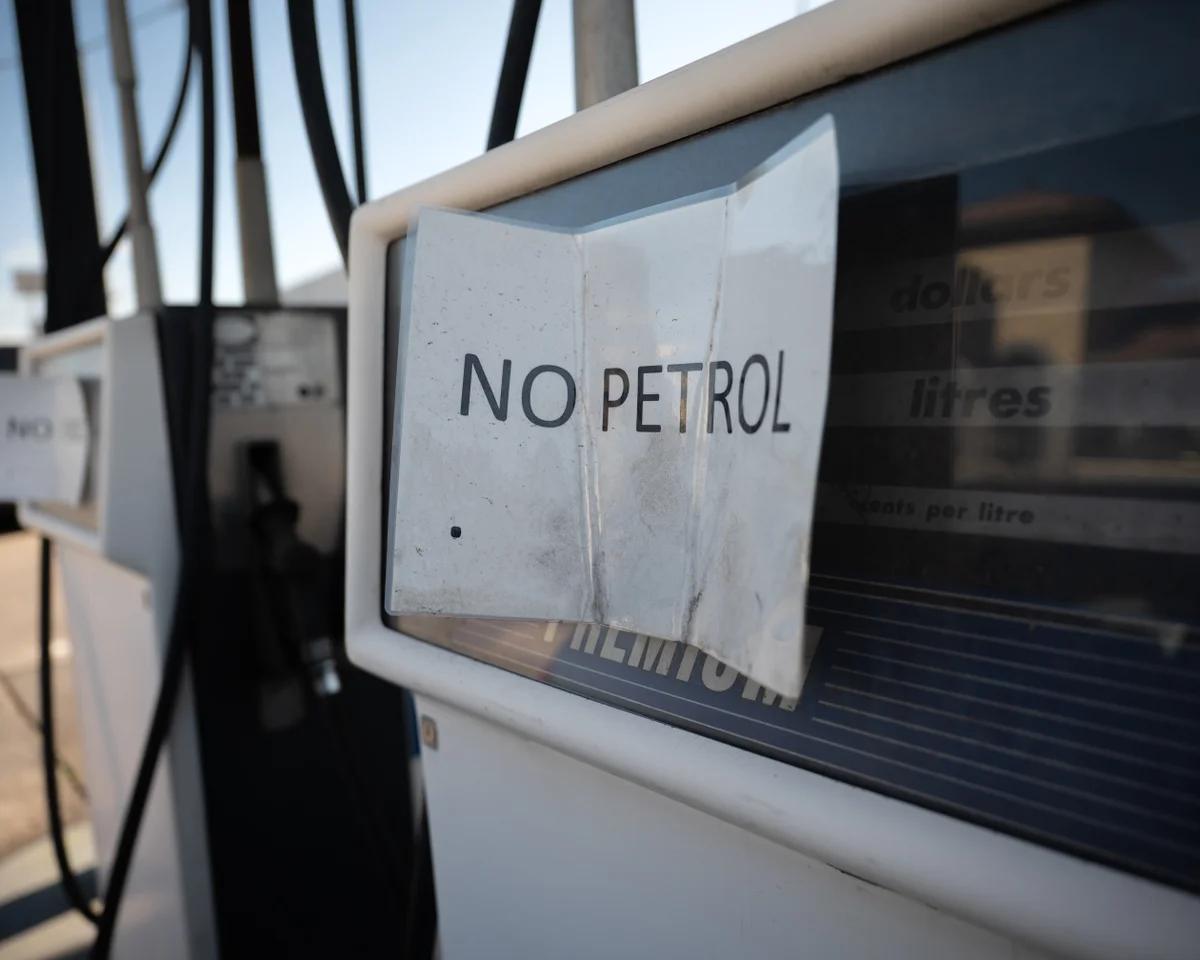
The current landscape of Australian transport is facing a significant and worrying challenge today. Dozens of service stations across the country have officially run out of fuel this week. This shortage comes as distributors struggle to keep up with intense and rapid panic-buying. The ongoing conflict in the Middle East continues to disrupt global oil prices severely now. Motorists are rushing to the pumps to secure supplies before further price hikes occur soon. This surge in wholesale demand is pushing fuel prices to a permanent high point lately. Experts warn that the window to stop these dramatic price increases has already passed. The east coast is feeling the most immediate impact of these rising costs today.
In New South Wales, the government confirmed thirty-two stations are currently out of stock. While this is a small fraction of the total, it impacts small towns heavily. Many regional communities rely on a single station for their daily transport and work. When that one station runs out of fuel, the entire town stops moving immediately. Premier Chris Minns stated that the state technically has enough total fuel supplies now. However, the logistical challenge of distributing that fuel is becoming much harder every day. Tanker drivers are struggling to reach regional areas before their trucks are emptied locally. Motorists in the city are also stockpiling supplies at their local neighborhood service stations. This behavior makes it nearly impossible to maintain a steady flow to the country.

The situation in Victoria is equally dire for many farmers and rural residents today. Entire towns in the state centre have reportedly run completely dry of petrol supplies. Locations like Wedderburn and Bonnie Doon are currently facing empty bowsers and closed signs. In the north-west, the town of Robinvale is also struggling with a total lack. Victorian Farmers Federation president Brett Hosking expressed deep concern about the current delivery priority. Tankers often find stations needing fuel very close to the major city of Melbourne. Drivers are tempted to empty their loads there to save on long travel times. This leaves remote areas waiting for fuel that may not arrive for many days. City motorists are also crying out for more fuel to reach their local pumps.
The federal government has stepped in with several temporary measures to help the situation. Companies are now allowed to sell lower-quality petrol to keep the country moving forward. About a fifth of the mandatory national stockpile has been released for public use. Regional Australia is supposed to be the main priority for these new fuel releases. However, the government has firmly ruled out any form of official fuel rationing yet. Some community leaders believe rationing should be considered to ensure fairness for all citizens. Limiting purchases would be difficult to enforce but could stop the current panic-buying trend. Without these limits, those with the most money can buy up all available stock. This leaves lower-income families with nothing left when they finally reach the petrol pump.
Western Australia is also seeing the effects of this supply chain breakdown this month. Two major service stations in the town of Manjimup ran dry last Friday afternoon. Industrial suppliers have started limiting sales to ten thousand litres per individual customer now. Independent stations are finding it much harder to compete with the larger global brands. Groups like BP are managing better than smaller local outlets like United or Dunning’s. Major suppliers are prioritising their own regular customers over the smaller spot market buyers. This leaves independent retailers with no way to refill their tanks for local drivers. Some smaller suppliers have stopped offering fuel because they simply cannot afford it anymore. Wholesale prices have surged so high that retail margins have completely disappeared for them.
Retail prices for households and businesses are staying at near-record highs in major cities. Sydney, Melbourne, and Brisbane are all seeing prices stay well above previous historical levels. The NRMA blamed stations that jacked up prices early when the conflict first began. We are now in a permanent high point for those three major capital cities. Regulators missed the chance to crack down on this behavior during the initial surge. Unleaded petrol has already surpassed two hundred and thirty cents a litre in Darwin. Melbourne saw similar prices on Sunday as the supply crunch reached a breaking point. Other capital cities are quickly approaching this expensive mark as the week continues on. Information from data sources suggests that these high prices will likely remain quite stable.
Shortages have even begun to hit urban retailers in the nation’s capital this weekend. A 7-Eleven in Canberra ran out of fuel due to sudden bulk-buying by locals. Customers were told that restocks were scheduled but the demand was simply too high. Another store in the suburb of Phillip reported being dangerously low on all stock. These urban shortages show that the problem is not just a regional logistics issue. The sheer volume of people trying to fill their tanks at once is overwhelming. Even well-funded national chains are struggling to keep their underground tanks filled for everyone. This cycle of panic-buying creates a self-fulfilling prophecy of shortage for the whole community. When people see a line at the pump, they join it out of fear.

The NSW government held crisis talks on Monday to address this serious market dysfunction. Industry bodies agreed to share more information to help get fuel where it is needed. Farmers are particularly worried because their heavy machinery relies on diesel to operate properly. If harvesters cannot run, the national food production cycle could be put at risk. One harvester can require thousands of litres of fuel every single day of work. In towns like Robinvale, temporary workers are struggling to reach the local almond farms. Some are traveling up to one hundred kilometres daily just to get to work. Without fuel, these workers cannot earn a living or help with the local harvest. This has a direct impact on the prices of food in our supermarkets.
The rising cost of travel is also affecting the mental wellbeing of young people. Many are forced to choose between working on weekends or playing community league sports. The cost of driving to games has become an impossible burden for many families. This creates a cumulative negative effect on the overall health of the rural community. Some locals have even put off visiting their families in the city this month. The financial stretch is becoming too much for the average person to handle alone. Lower-income households are the hardest hit by these sudden and sharp price increases now. These families often spend ten percent of their total income just on petrol. High-income households buy more fuel but are much better insulated from these price shocks.
There have been many calls for the government to cut the fuel excise tax. This was done back in 2022 to provide some relief to struggling Australian motorists. However, the federal government has ruled out making any changes to the excise now. They argue that a tax cut would mostly benefit those who drive the most. High-income earners would receive a bigger financial benefit than the people who need it. Instead, the focus remains on fixing the supply chain and stopping the panic-buying. Ensuring that fuel reaches the regions remains the most urgent task for the government. If the distribution issues are not solved, more towns will face empty pumps soon. The coming weeks will be a major test for the national fuel infrastructure.
Related News:
 BBC to Apologise Over Edited Trump Speech Amid Backlash
 Britain deploys RAF specialists to assist Belgium with drone threats
 Greene Pushes Epstein Files Amid Trump Fallout
 December Run-Off in Chile as Election Produces No Winner
 Zelenskyy Signs Fighter Jet Deal Amid Russian Drone Attacks
 Canada Passes Carney’s First Budget in Tight Parliamentary Vote
 Shadow Fleet at Sea: Europe’s Battle Against Illicit Oil Shipping
 Tiny Curacao Makes History as Smallest Nation to Reach World Cup
 Deadly Russian Strikes Hit Western Ukraine, 20 Killed in Ternopil
 Ukraine Peace Plan: Zelensky Ready for Dialogue
 Royal Navy Shadows Russian Warships Entering the Channel
 US Suspends Afghan Immigration After White House Shooting
 Georgians Defy Government Crackdown After Year of Protests
 Tokyo court rules Japan’s same-sex marriage ban constitutional
 ‘Extinct’ Antelope Returns to Sahara, Bringing Hope
 American Mother Extradited From UK to U.S. on Murder Charges
 Irish Beach Tragedy: Irish Drown at Whitehaven Beach in Australia
 Sanctioned oil tankers sail Channel amid Russia scrutiny
 US and UK Withdraw Personnel as Middle East Tensions Rise
 Half the World’s Largest Cities Face Rising Water Stress
 Pentagon Signals Reduced Role in Deterring North Korea
 UK and US Drop in Global Corruption Index Rankings
 SA Police Intensify Search in Gus Lamont Case
 Canberra Poster Seizure Sparks Free Speech Row
 Evo Morales Returns After Mysterious Absence
 El Mencho Killed as Mexico Faces Violence
 Australian children in Syria deserve safe return
 Greenpeace $345m Ruling Sparks Appeal Battle
 Jacinda Ardern Moves To Australia Following Her US Fellowships
 Jacinda Ardern Move Sparks Kiwi Reflection
 Middle East Airspace Crisis Strands Thousands
 Nick Greiner Warns Over Election Review Fallout
 Kelly Wilkinson Inquest Reveals Bail Failure
 Tehran Strikes Mark War’s Most Devastating Night
 Injured Mojtaba Khamenei Elevated as Iran Leader
 Gordon Brown urges court for crimes against children
 Gaza Detainee Abuse: Israel Drops Charges Against Soldiers
 The Kill Line: A Shifting Vision of the American Dream
 Oil Prices Jump After Trump Claims Iran Oil Hub Destroyed
 Pakistan Targets Militant Hideouts in Afghanistan
 Gulf Tensions Rise as Iran Alleges Covert Support
 Oil Slides, Stocks Jump on Trump Peace Signals
 Danish Election Deadlock Shakes Frederiksen’s Grip
 Bondi terror attack linked to global rise in IS plots
 Pope Rebukes Leaders for War as Middle East Tensions Rise
 Army Probes Apache Flyover at Kid Rock’s Nashville Estate
 Iran Drone Strike Hits Kuwaiti Oil Tanker in Dubai Port
 Artemis II: Humanity Returns to the Moon After Decades
 Nuns of Schloss Goldenstein Move Closer to Staying Home
 Italian Town Buys Mussolini Villa to Keep Away Fascist Fans
 Report Says Pezzullo Acted ‘Recklessly’ in Dealings
 Trump and Tehran Find Common Ground in Landmark Ceasefire
 Trump Employs Nixon’s Madman Theory Amid Iran Crisis
 Suspected Plot Targets Pipeline Before Hungary Vote
 Reeves Slams Trump Over Iran War Lack Of Exit Plan
 Learner Driver Charged After Expo Tragedy
 Coalition pushes fossil fuel phaseout plan
 Trump approval plunges amid Iran war fears
 US ‘Narco Boat’ Strikes Draw Global Outcry
 FIFA Confirms Global Ban for Benfica Star Prestianni
 US and Mexico Face Heatwave as Floods Batter South Africa
 Putin Signals War End as Russian Momentum Stalls
 Australia Welcomes the Iconic Michelin Guide
 Scepticism and tight security as Beijing braces for Trump
 Philippine Senator Flees After Days Under Senate Siege
 Tensions Flare as Israeli Nationalists March in Jerusalem
 High Street Crisis: Fears Grow Over Post Office Closures
 Xi Hosts Putin for Talks Right After Trump Visit
 Fragile Truce Shattered as Violence Escapes Diplomatic Control
 Oil Markets Face ‘Red Zone’ Threat Amid Iran Crisis
 Pope Meets Families in Italy Toxic Waste Zone
 Discontent grows around Putin amid war strain
 US Strikes Iranian Sites Amid Shaky Ceasefire Talks
 Starmer Leadership Under Pressure After Setbacks
 Papal Visit Offers Political Lifeline to Spanish Premier
 Aukus Deal Facing Fierce Backing and Historic Criticism
 Thai Princess Bajrakitiyabha Passes Away at 47
 Le Pen to Run for President Despite Embezzlement Conviction
 Ukraine Creates Long-Range Strike Command
 Houthis Strike Saudi Arabia as Middle East Tensions Rise