Published: 16 March 2026. The English Chronicle Desk. The English Chronicle Online.
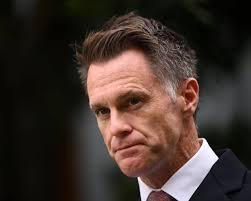
The cultural landscape of Australia is currently facing a significant period of intense public scrutiny. This follows a highly controversial performance at the famous Sydney Biennale arts festival recently. The premier of New South Wales has officially condemned the rhetoric used during the event. Chris Minns described the language as both horrid and deeply distressing for the local community. The controversy centers on an American artist known professionally as DJ Haram within the industry. She performed at the historic White Bay Power Station during a major opening night celebration. Jewish groups across the country have expressed their outrage regarding the specific language she used. They claim her performance relied on harmful tropes that target the Jewish community specifically. The artist allegedly made claims regarding a global empire involving a convicted New York financier. These statements were perceived as an attempt to link Israel to criminal sex offenders. Critics argue that such rhetoric has no place in a publicly funded arts festival. The performance also included various chants that have historically caused significant communal division and pain.
This incident has sparked a wider conversation about the role of the Sydney Biennale. Many people are questioning how such a prestigious event allowed this type of discourse. The artist used her platform to express strong solidarity with the current Palestinian resistance. She specifically referenced martyrs and condemned what she called global complicity in overseas conflicts. Such statements are particularly sensitive given the current geopolitical climate and local tensions in Australia. The premier noted that the timing of these comments was especially painful for many. Australia is still healing from a tragic terror attack that occurred late last year. That event resulted in the loss of fifteen lives during a religious holiday celebration. Consequently, the rhetoric used at the festival felt particularly insensitive to those mourning recent losses. Government officials are now under pressure to respond to these growing communal concerns effectively. They must balance the principles of artistic freedom with the need for social cohesion.

The financial structure of the Sydney Biennale has also come under the public microscope. Recent annual reports indicate that over half of its funding comes from government grants. In the last year, the festival received over three million dollars in public money. This fact has led to calls for a formal review of its future funding. Some advocates believe that organizations receiving taxpayer money should be held to higher standards. They argue that public funds should never be used to provide platforms for hate. However, Premier Chris Minns has currently ruled out the option of cutting future financial support. He believes that threatening to pull funding could actually have a perversely opposite effect. Such actions might shine a brighter spotlight on the individual responsible for the rhetoric. The premier prefers that cultural institutions take responsibility for their own programming and internal ethics. He expects these organizations to represent every single member of the diverse Australian community.
Arts Minister John Graham has also voiced his strong disapproval of the recent event. He described the comments made by the artist as being both inflammatory and wrong. The minister believes the festival needs to explain how it will support Jewish audiences. He wants the organizers to ensure that all visitors feel welcome at their venues. His office confirmed that they are having ongoing engagement with the festival leadership team. However, specific details regarding these private discussions have not yet been made public. The leadership of the Sydney Biennale is now facing a very difficult internal situation. Chief executive Barbara Moore and the board chair have issued several formal public statements. They confirmed that a full internal review into the artist’s statements is now underway. The artistic director is also involved in managing the fallout from this specific performance. They aim to determine if any official codes of conduct were breached that night.
The president of the NSW Jewish Board of Deputies has been very vocal. David Ossip stated that the festival board has many serious questions to answer now. He questioned how a major event became a platform for such intense communal hate. Ossip argued that the specific references used by the artist were purely antisemitic in nature. He finds it scandalous that such rhetoric was shared at a government-funded arts event. Other Jewish leaders have echoed these sentiments with similar levels of passion and concern. Alex Ryvchin from the Executive Council of Australian Jewry also shared his critical perspective. He suggested that the actual music was completely drowned out by political slogans. Ryvchin noted that it is unsurprising that some sponsors are now deserting the arts. He believes that platforming such antics could lead to a decline in future patronage. This could potentially leave the broader arts sector even more desperately underfunded than before.
The Special Envoy to Combat Antisemitism has also weighed in on the situation. Jillian Segal stated that the remarks were deeply upsetting to many Jewish Australians. She believes the Sydney Biennale has an obligation to understand its wider social impact. Organizers should consider how their performers might affect the overall harmony of the city. Segal emphasized that no community should ever feel targeted at a public event. Publicly funded festivals are intended to be inclusive spaces for all citizens to enjoy. The festival organizers have stated it would be inappropriate to comment further right now. They wish to wait until their internal review process has been fully completed. They maintain that all public discourse on their platforms must remain strictly lawful. The organization claims to stay committed to its core mission of being unifying. They want to ensure their venues remain welcoming for every member of the public.

The impact of this controversy is likely to be felt for some time. It raises fundamental questions about the boundaries of artistic expression in modern democratic societies. Many people wonder if artists should have total freedom when using public resources. Others argue that certain types of speech are inherently harmful to social fabric. The Sydney Biennale must now navigate these complex waters while trying to maintain its reputation. It has long been a crown jewel of the Australian arts and culture scene. Losing the trust of the community or the government would be a blow. The artist at the center of the storm has been contacted for comment. However, a formal response from her team has not yet been received publicly. The global arts community is watching closely to see how Australia handles this. The outcome of the internal review will likely set a major future precedent. It will define how festivals vet their performers and manage controversial political content.
For now, the debate continues to rage across social media and news outlets. People from all backgrounds are sharing their views on the limits of performance. The government remains firm in its stance against the rhetoric used that night. They want to ensure that Sydney remains a safe and inclusive city for everyone. The Jewish community is looking for concrete actions rather than just simple apologies. They want to see changes in how performers are selected for such events. The Sydney Biennale will need to work hard to rebuild these fractured relationships. It will require transparency, empathy, and a clear commitment to its stated values. The next few weeks will be critical for the future of the festival. Everyone involved hopes for a resolution that promotes healing rather than further social division. The cultural sector depends on the support and goodwill of the entire public. Protecting that bond is essential for the continued success of the arts in Australia.
Related News:
 BBC to Apologise Over Edited Trump Speech Amid Backlash
 Britain deploys RAF specialists to assist Belgium with drone threats
 Palace May Restore Hyphen to Andrew Mountbatten-Windsor’s Name
 Greene Pushes Epstein Files Amid Trump Fallout
 December Run-Off in Chile as Election Produces No Winner
 Zelenskyy Signs Fighter Jet Deal Amid Russian Drone Attacks
 Canada Passes Carney’s First Budget in Tight Parliamentary Vote
 Shadow Fleet at Sea: Europe’s Battle Against Illicit Oil Shipping
 Tiny Curacao Makes History as Smallest Nation to Reach World Cup
 Deadly Russian Strikes Hit Western Ukraine, 20 Killed in Ternopil
 Ukraine Peace Plan: Zelensky Ready for Dialogue
 US Suspends Afghan Immigration After White House Shooting
 Georgians Defy Government Crackdown After Year of Protests
 ‘Extinct’ Antelope Returns to Sahara, Bringing Hope
 American Mother Extradited From UK to U.S. on Murder Charges
 Irish Beach Tragedy: Irish Drown at Whitehaven Beach in Australia
 Sanctioned oil tankers sail Channel amid Russia scrutiny
 US and UK Withdraw Personnel as Middle East Tensions Rise
 Half the World’s Largest Cities Face Rising Water Stress
 Pentagon Signals Reduced Role in Deterring North Korea
 UK and US Drop in Global Corruption Index Rankings
 SA Police Intensify Search in Gus Lamont Case
 Canberra Poster Seizure Sparks Free Speech Row
 Evo Morales Returns After Mysterious Absence
 El Mencho Killed as Mexico Faces Violence
 Australian children in Syria deserve safe return
 Greenpeace $345m Ruling Sparks Appeal Battle
 Jacinda Ardern Moves To Australia Following Her US Fellowships
 Jacinda Ardern Move Sparks Kiwi Reflection
 Middle East Airspace Crisis Strands Thousands
 Nick Greiner Warns Over Election Review Fallout
 Kelly Wilkinson Inquest Reveals Bail Failure
 Tehran Strikes Mark War’s Most Devastating Night
 Injured Mojtaba Khamenei Elevated as Iran Leader
 Gordon Brown urges court for crimes against children
 Gaza Detainee Abuse: Israel Drops Charges Against Soldiers
 The Kill Line: A Shifting Vision of the American Dream
 Oil Prices Jump After Trump Claims Iran Oil Hub Destroyed
 Pakistan Targets Militant Hideouts in Afghanistan
 Gulf Tensions Rise as Iran Alleges Covert Support
 Oil Slides, Stocks Jump on Trump Peace Signals
 Danish Election Deadlock Shakes Frederiksen’s Grip
 Bondi terror attack linked to global rise in IS plots
 Pope Rebukes Leaders for War as Middle East Tensions Rise
 Army Probes Apache Flyover at Kid Rock’s Nashville Estate
 Iran Drone Strike Hits Kuwaiti Oil Tanker in Dubai Port
 Artemis II: Humanity Returns to the Moon After Decades
 Nuns of Schloss Goldenstein Move Closer to Staying Home
 Italian Town Buys Mussolini Villa to Keep Away Fascist Fans
 Report Says Pezzullo Acted ‘Recklessly’ in Dealings
 Trump and Tehran Find Common Ground in Landmark Ceasefire
 Trump Employs Nixon’s Madman Theory Amid Iran Crisis
 Singapore Pledges Stable Fuel Supply for Australia
 Suspected Plot Targets Pipeline Before Hungary Vote
 Reeves Slams Trump Over Iran War Lack Of Exit Plan
 Learner Driver Charged After Expo Tragedy
 Coalition pushes fossil fuel phaseout plan
 Trump approval plunges amid Iran war fears
 Ohio’s Battle for Trust: Democrats Vying to Flip the Buckeye State
 US ‘Narco Boat’ Strikes Draw Global Outcry
 FIFA Confirms Global Ban for Benfica Star Prestianni
 US Awaits Iran Reply on New Ceasefire Proposal
 US and Mexico Face Heatwave as Floods Batter South Africa
 Putin Signals War End as Russian Momentum Stalls
 Australia Welcomes the Iconic Michelin Guide
 Scepticism and tight security as Beijing braces for Trump
 Philippine Senator Flees After Days Under Senate Siege
 Tensions Flare as Israeli Nationalists March in Jerusalem
 High Street Crisis: Fears Grow Over Post Office Closures
 Oil Markets Face ‘Red Zone’ Threat Amid Iran Crisis
 Pope Meets Families in Italy Toxic Waste Zone
 Discontent grows around Putin amid war strain
 US Strikes Iranian Sites Amid Shaky Ceasefire Talks
 Starmer Leadership Under Pressure After Setbacks
 Papal Visit Offers Political Lifeline to Spanish Premier
 Aukus Deal Facing Fierce Backing and Historic Criticism
 Thai Princess Bajrakitiyabha Passes Away at 47
 Le Pen to Run for President Despite Embezzlement Conviction
 Ukraine Creates Long-Range Strike Command
 Houthis Strike Saudi Arabia as Middle East Tensions Rise