Published: March 17, 2026
The English Chronicle Desk
The English Chronicle Online
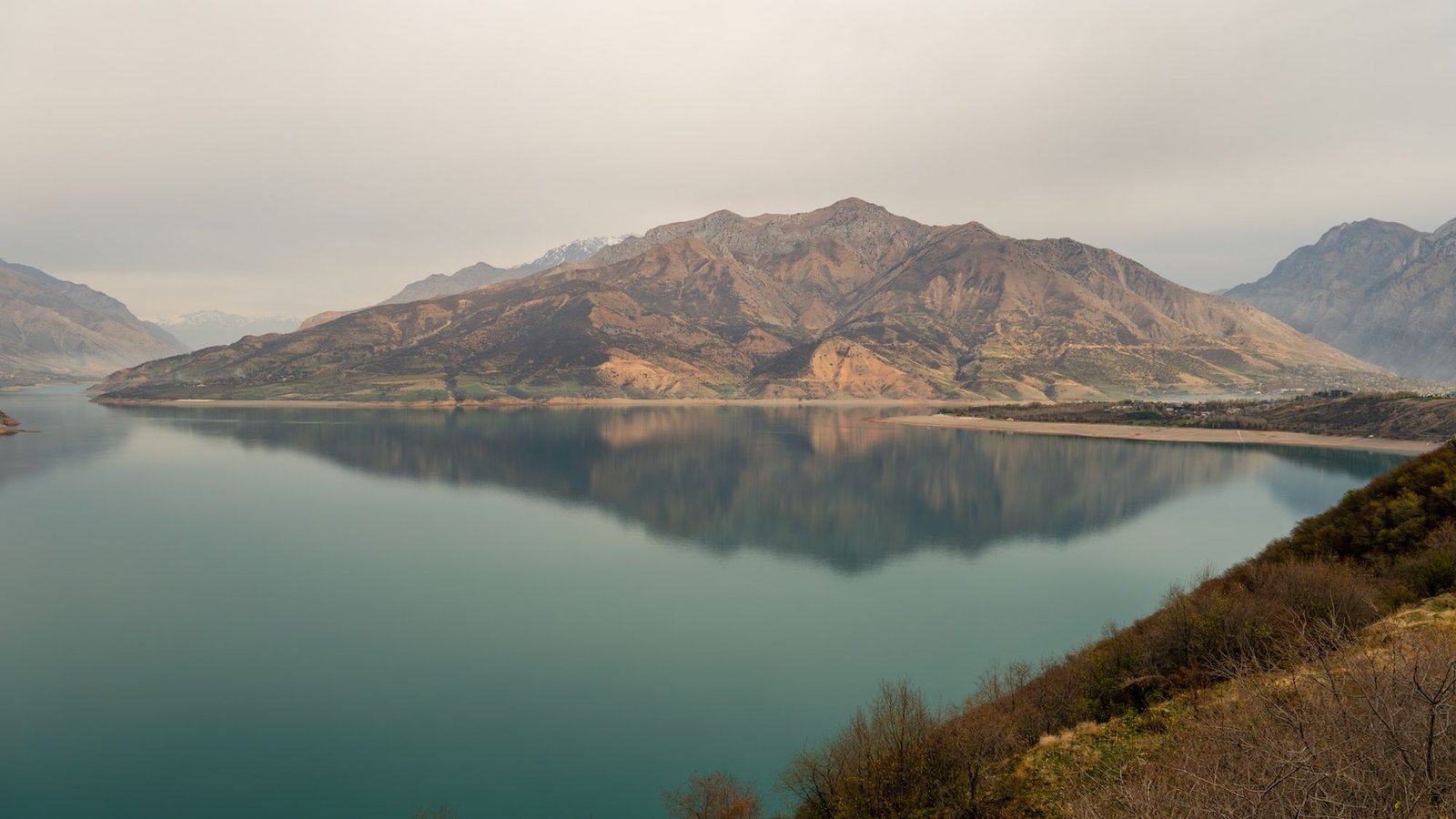
Uzbekistan’s diverse natural landscapes are increasingly attracting international attention as the country positions its environment as a central pillar of tourism and cultural identity. From expansive desert regions to mountain ranges and fertile valleys, the geography of Uzbekistan is becoming a focal point for travellers, conservation efforts, and regional development strategies.

Stretching across Central Asia, Uzbekistan features striking contrasts in terrain. The vast desert zones, including portions of the Kyzylkum region, are characterised by sweeping sand formations and arid ecosystems. In contrast, the eastern areas of the country are defined by mountain landscapes connected to the broader Tien Shan system, offering elevated trails, alpine scenery, and seasonal biodiversity. These geographic variations contribute to the country’s ecological and visual appeal.
Authorities and tourism stakeholders have emphasised sustainable development as interest grows. Natural reserves, protected areas, and rural destinations are being promoted alongside historical cities, creating a broader tourism narrative that integrates heritage with environmental assets. This strategy aims to diversify visitor experiences while supporting local communities through eco-friendly initiatives.
Environmental experts note that Uzbekistan’s landscapes support unique flora and fauna adapted to semi-arid and mountainous conditions. Conservation programmes have focused on habitat preservation, water resource management, and ecological monitoring to maintain long-term stability in sensitive regions. Such measures are considered essential in balancing tourism growth with environmental protection.
The country’s rivers and agricultural zones also play a significant role in shaping its geography. Fertile valleys support farming communities and contribute to regional food production, while water management remains a strategic priority in areas affected by climatic variability. These elements underline the interconnection between natural resources and economic development.
International interest in Central Asian travel routes has further highlighted Uzbekistan’s position as a gateway between East and West. Improved infrastructure, transport links, and cross-border cooperation are enhancing accessibility to remote natural sites. As a result, landscapes that were once less visible on global tourism maps are gaining recognition.
Observers suggest that showcasing natural assets may strengthen Uzbekistan’s global profile, complementing its cultural and architectural landmarks. By elevating environmental tourism alongside urban attractions, the country is aiming to present a balanced and forward-looking development model.

As attention continues to grow, the emphasis on responsible tourism and environmental stewardship will likely shape how these landscapes are experienced in the years ahead. Uzbekistan’s natural scenery, long valued domestically, is now increasingly positioned as a defining feature of its international image.
Related News:
 Year of the Fire Horse Welcomed by Millions from Beijing to Bangkok
 Dolma: The Stuffed Dish the World Fell in Love With
 Singapore Offers to Set Up Single Americans with ‘Epic’ First Dates – There’s Just One Catch
 Germany’s Fairy Tale Route: The Real Places Behind the Grimm Stories
Major 7.1 Earthquake Strikes Off Malaysian Tourist Coast
Germany’s Fairy Tale Route: The Real Places Behind the Grimm Stories
Major 7.1 Earthquake Strikes Off Malaysian Tourist Coast
 Brit Killed in Horror Bus Crash as 18 Others Die and 25 Injured
 Storm Hernando: Edinburgh Airport Flights Cancelled in US Travel Chaos
Storm Hernando: Edinburgh Airport Flights Cancelled in US Travel Chaos
Storm Hernando: Edinburgh Airport Flights Cancelled in US Travel Chaos
 Death Valley Blooms Signal Potential Superbloom Year
 The Little Town Making Nearly All of China’s Lanterns
 ‘Holiday From Hell’ Leaves UK Couple Stranded in Thailand
 Fuel and Remittances: How Iran Conflict Hits India At Home
 Tiny Possum and Glider Thought Extinct for 6,000 Years Found in Remote West Papua
 “Enough is Enough”: Local MP Vows to Fight Rainham Quarry Plans
 ‘Extinct’ Antelope Returns to Sahara, Bringing Hope
 Red Squirrels Thrive in Highlands After Decade-Long Rescue
 Conservatives Pledge to Scrap 2030 Petrol and Diesel Car Ban
 UK Brings Forward Electric Vehicle Sales Review to Next Year
 Eden Project Founder Celebrates 25 Years of Nature’s Hope
 Local Fish Could Boost UK Health and Economy Significantly
 UK Weather: End of Cold Spell in Sight as Temperatures Rise
 Storm Goretti leaves Cornwall homes without power
 Robo-Vaccination Could Transform Fight Against Bovine TB
 No Gas Boiler Ban as UK Warm Homes Plan Backs Heat Pumps
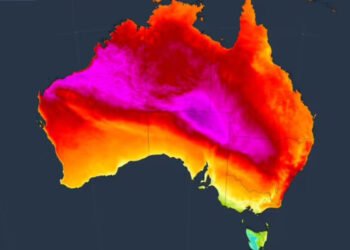 Record-Breaking Heat Looms Over South-East Australia as Catastrophic Fire Risk Escalates
 UK joins North Sea wind grid pact with nine European nations
 Devon hosts first high-density hydro power system
 US-Style Pickup Trucks Surge on UK Roads
 South Africa’s Garden Route Gem Faces Looming Water Crisis
 Wigan Dump Crisis Sparks Health and Safety Alarm
 What is Groundwater Flooding and Why Dorset is Seeing ‘Historical Highs’
 Dozens of Flood Warnings in England After Days of Non-Stop Rain
 After the Landslide: Can India Reset Ties with BNP Bangladesh?
 Japan’s Lost “Tigers” Were Actually Lions, Study Reveals
 Lunar New Year 2026: Celebrations Around the World
 Gentoo Penguins First Birds on Australian Territory Hit by Bird Flu
 Temperatures Dip Below Freezing as Arctic Air Sweeps Across the UK
 Flooding May Worsen Before It Improves as More Rain Forecast for the UK
 Dual Nationals Face Scramble for UK Passports as New Rules Come Into Force
 Chasing the Next Solar Eclipse: When, Where and How to See It
 Shutting North Sea ‘Will Drive Up Carbon Emissions’
 China Shows Off Nunchuck‑Wielding Humanoid Robots for Lunar New Year
 South Korea’s Ex-President Faces Death Penalty in Insurrection Trial
 Fly-Tippers to Be Hunted by ‘Drone Squad’ in Crackdown from the Sky
 Bumper Ski Season but Avalanches Threaten Scotland’s Snowy Hills
 Powerful Winter Storm Slams US Northeast; NYC Travel Ban
 Toddlers in Finland Lead the Fight to Save Sámi Language
 Duterte Refuses to Attend ICC Pre-Trial Hearing Over ‘Drug War’ Case
 ‘We Pray for Peace’: Indian Filmmaker From Troubled State Who Won a BAFTA
 Luxury Airbnb Cabins With Hot Tubs Must Be Demolished After Planning Ruling
 Man discovers £18k trading card stash in his loft
 Louvre Museum Director Resigns Months After High‑Profile Heist
 Rose Wylie: The 91‑Year‑Old Art World Rebel in Her Prime
 Germany Faces Backlash Over Scrapped Renewable Heating Mandate
 Group Expands Legal Claim Over South West Water Pollution
 Qantas Revamps Loyalty Program Amid $1.46bn Profit Surge
 Rolling Hills and Heritage: A Car-Free Break in Leicestershire
 Greenpeace $345m Ruling Sparks Appeal Battle
 Tracey Emin Says My Bed Would Be ‘Tidy, Clean and Boring’ If Made Today
 Could Kim’s Teen Daughter Become North Korea’s Next Leader?
 Islanders Advised on Travel to Middle East Amid Escalation
 Australian GP Confident Amid Travel Disruption
 Limited Flights Leave UAE But Disruption Continues Amid Iran Strikes
 Souped‑Up Warhol Exhibition Pops Into City With New Works
 Peter Rabbit Chosen as Design for New Public Sculpture Trail
 Artist’s Work Features on 10 Rose‑Themed Stamps Issued by Royal Mail
 Nepal Holds First General Election Since Gen Z Protests Toppled Government
 My One-Hour Flight Transfer Left Me Facing 10 Days Stuck in a City Under Attack
 Why Every Culture Has a Healing Broth
 Australia Urged to Shield Iranian Team After Anthem Protest
 Guernsey Mother Breaks Down After £11,500 Battery Waste Fine
 China Moves to Enshrine ‘Ethnic Unity’ Law
 Gulf Oil Shock Sends Global Economic Ripples
 Air India Express Plane Damaged in Chaotic Landing at Phuket Airport
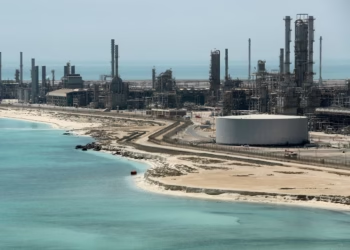 Net Zero by 2050 ‘Cheaper Than One Fossil Fuel Crisis’
 Point-Blank Gunshot Misses Indian Politician
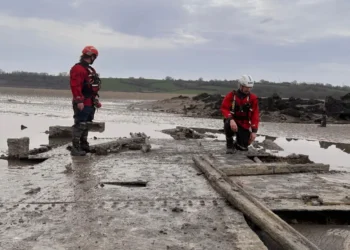 Rare Glimpse of Historic Bridge Thanks to Low Tide
 London Considers New SUV Charges to Improve Road Safety
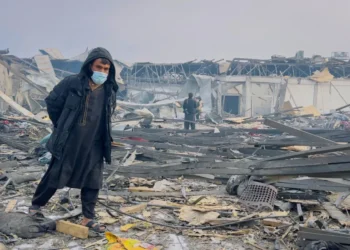 Dozens Killed After Afghanistan Rehab Centre Struck
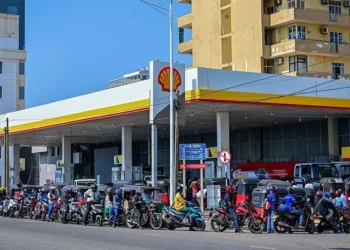 Sri Lanka Sets Weekly Shutdown to Save Fuel