Published: 23 March 2026. The English Chronicle Desk. The English Chronicle Online
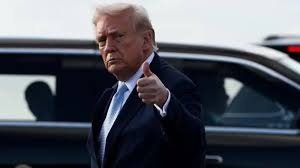
Global financial markets were sent on a dramatic rollercoaster ride after Donald Trump signalled potential diplomatic progress in the escalating Middle East conflict, triggering a sharp fall in oil prices and a rebound in stock markets across Europe and the United States. His remarks, suggesting that discussions had taken place between Washington and Tehran over ending hostilities, injected a sudden wave of optimism into markets that had been gripped by fear and volatility for weeks.
The reaction was immediate and pronounced. Oil, which had surged amid fears of prolonged conflict and supply disruptions, reversed course sharply. The benchmark Brent crude price, which had earlier climbed to as high as $113 per barrel, dropped significantly following Trump’s comments. It briefly fell to around $96 before stabilising near the $103 mark, reflecting both relief and lingering uncertainty among traders.
At the same time, equity markets responded positively to the perceived easing of geopolitical tensions. In London, the FTSE 100 index recovered from earlier losses to edge higher, while Germany’s DAX index posted strong gains and France’s CAC 40 also climbed. Across the Atlantic, US markets opened with notable strength, as both the S&P 500 and the Dow Jones Industrial Average rose sharply, reflecting renewed investor confidence.

This sudden shift in sentiment came after a tense weekend in which Trump had taken a far more aggressive stance. He had warned that the United States would “obliterate” Iranian power infrastructure if Iran did not reopen the strategically vital Strait of Hormuz within 48 hours. Iran, in turn, had threatened retaliatory strikes on key infrastructure across the region, heightening fears of a prolonged and potentially devastating conflict.
The Strait of Hormuz remains central to the global energy equation. Roughly one-fifth of the world’s oil and liquefied natural gas passes through this narrow waterway, making it one of the most critical chokepoints in global trade. Since the outbreak of conflict on 28 February, Iranian actions have effectively disrupted this route, sending shockwaves through energy markets and pushing prices sharply higher.
Trump’s latest statement, posted on his social media platform Truth Social, suggested a potential breakthrough. He claimed that the United States and Iran had engaged in “very good and productive” discussions aimed at achieving a “complete and total resolution” of hostilities. He further indicated that planned US military strikes on Iranian energy infrastructure would be postponed for five days to allow diplomatic efforts to continue.
However, the optimism generated by these remarks was quickly tempered by a firm denial from Tehran. Iranian state-affiliated media and officials rejected Trump’s claims outright, stating that no such negotiations had taken place. This contradiction has left markets navigating a complex landscape of hope and scepticism, where sentiment can shift rapidly based on political rhetoric.
Market analysts have warned that relying too heavily on such statements carries significant risks. Susannah Streeter, chief investment strategist at Wealth Club, described the situation as a “wild ride” for investors. She cautioned that recent weeks have already seen repeated cycles of rising hopes followed by disappointment, making it difficult to place full confidence in any single development.
Despite the drop in oil prices, the broader energy outlook remains challenging. Even after the decline, crude prices remain elevated compared to historical norms, meaning that businesses and consumers are likely to continue facing high energy costs. This has direct implications for inflation, household budgets, and economic growth, particularly in energy-dependent economies.
The impact of the conflict has been especially severe in Asia, where markets had already closed before Trump’s latest remarks. Japan’s Nikkei index fell sharply, while South Korea’s Kospi experienced even steeper losses. Both countries rely heavily on energy imports that typically pass through the Strait of Hormuz, making them particularly vulnerable to disruptions in the region.
Beyond financial markets, the crisis is raising serious concerns about global energy security. Fatih Birol, head of the International Energy Agency, has warned that the world could be heading towards one of the most severe energy crises in decades. Drawing comparisons to the oil shocks of the 1970s and the fallout from Russia’s invasion of Ukraine in 2022, he described the current situation as a convergence of multiple crises.
According to Birol, the combination of disrupted oil flows, strained gas supplies, and heightened geopolitical risk creates a uniquely challenging environment for policymakers and markets alike. The consequences are already being felt in rising fuel prices, supply chain disruptions, and growing concerns over energy affordability.
In the United Kingdom, the government is closely monitoring the situation. Prime Minister Keir Starmer has been in direct contact with Trump, discussing efforts to stabilise the region and ensure the reopening of critical shipping routes. A meeting of the government’s emergency Cobra committee is set to focus on energy security, supply chain resilience, and the broader economic impact of the conflict.
The Bank of England is also paying close attention, as rising energy costs threaten to push inflation higher and complicate monetary policy decisions. In recent days, UK government borrowing costs have surged, reaching levels not seen since the global financial crisis of 2008. Although yields eased slightly following Trump’s comments, they remain elevated, reflecting ongoing uncertainty in financial markets.
The interplay between geopolitics and economics is particularly evident in this crisis. Energy markets are highly sensitive to supply disruptions, and even the perception of risk can drive significant price movements. At the same time, financial markets react not only to actual developments but also to expectations and signals from political leaders.

What makes the current situation especially volatile is the lack of clear and consistent communication. Conflicting statements from Washington and Tehran create an environment where investors must constantly reassess their assumptions. This uncertainty can lead to sharp swings in prices, as seen in the dramatic movements in oil and equities over the past 24 hours.
For businesses and consumers, the stakes are high. Elevated energy costs feed into higher transportation and production expenses, which in turn can lead to increased prices for goods and services. This adds to the cost-of-living pressures already being felt in many countries, including the UK.
As the situation continues to evolve, much will depend on whether diplomatic efforts can gain traction. A genuine breakthrough could stabilise markets and ease pressure on energy supplies, while a return to escalating tensions would likely reignite volatility and push prices higher once again.
For now, markets remain caught between cautious optimism and deep uncertainty. Trump’s comments have provided a temporary sense of relief, but without confirmation from all parties involved, the path forward remains unclear. In this fragile environment, even small developments can have outsized impacts, underscoring the delicate balance between geopolitics and global economic stability.
Related News:
 UPS Cargo Plane Crash in Kentucky Kills Seven
 US private equity set to acquire UK online retailer Very Group
 Switzerland Rolls Out Charm Offensive to Cut Trump’s 39% Tariffs
 Canada Passes Carney’s First Budget in Tight Parliamentary Vote
 India’s Labour Law Overhaul Sparks Fierce Debate
 Carney’s Alberta Pipeline Deal Sparks Immediate Pushback
 Mark Carney Walks Diplomatic Tightrope on China Visit
 Wall Street shaken by Trump tariff shock as markets tumble
 ‘Black Tax’: Burden, Pride and Survival for African Workers
 UK New Car Discounts Near £6,000 as Prices Are Slashed
 Coles Discounts Under Fire in Federal Court
 Trump Tower Gold Coast to Redefine Skyline
 Rory Amon Trial: Alleged Victim Speaks in Court
 Oil Prices Surge as Iran War Jolts Markets
 Gulf shipping crisis as war risk cover pulled
 Global markets face turmoil as Hormuz crisis deepens
 Gulf shipping crisis sparks food price fears
 Oil Prices Surge Above $100 Amid Iran War
 G7 Weighs Emergency Oil Reserves as Prices Surge
 Brazil Floods Warning as Scientists Urge Fossil Fuel Exit
 Asia Scrambles to Confront Energy Crisis Amid Iran War
 The Truth Behind Rising Energy Costs and Fossil Fuel Myths
 UniCredit’s Bold Move to Reshape European Banking
 RBA rate hike sparks fears amid global crisis
 UK Wage Growth Slows as Jobs Market Holds Firm
 ABC Staff Strike Over Pay and AI Concerns
 Middle East Conflict to Hit UK Economy Hardest
 Australian Growth Slows as Global Inflation Spike Looms
 The Strategic Failure of Trump’s Conflict With Iran
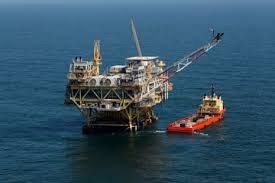 Trump to Deploy “God Squad” Over Gulf Wildlife Protections
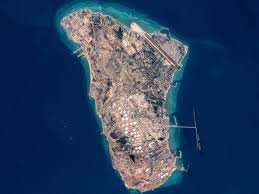 Trump Threatens Iran With Total Infrastructure Destruction
 Iran Drone Strike Hits Kuwaiti Oil Tanker in Dubai Port
 Russia: The Unforeseen Winner of the Iran Conflict
 Albanese to Address Nation as War Sparks Economic Crisis
 US Senators Slam Ticketmaster Over Sneaky New Fee Hikes
 Apple at 50: Three Products That Changed How We Live
 California fireworks blast: murder charges filed in case
 IMF Warns Iran War Could Spark Deep Global Recession
 Trump Slams UK Ties and Threatens To Rewrite Trade Deal
 Athens Mayor Moves to Tackle Overtourism Crisis
 Southeast Asia Turns to Russia Amid Energy Crisis
 Ukraine Urges UK to Seize Russian Oil Tankers
 US Calls Australia Media Law “Foreign Extortion”
 Capitalism ‘Suicidal’, Warns Petro at Climate Summit
 Oil Prices Surge Above $120 Amid Iran Blockade Fears
 $13bn World Cup Set to Break All Revenue Records
 US to Escort Trapped Ships Through the Strait of Hormuz
 Trump approval plunges amid Iran war fears
 Infantino’s Grip Tightens as FIFA Eyes a $14bn Future in Vancouver
 Trump Threatens UN Budget Cuts as US Pushes ‘Trade Over Aid’ Agenda
 Global Conflict Hits Home As Bullock Warns Of Economic Pain
 Norway Doubles Down on Oil and Gas for Europe Energy Security
 US Awaits Iran Reply on New Ceasefire Proposal
 Trump’s Gold Coast Tower Dreams Crumble Amid Toxic Fallout
 Trump: Preventing Nuclear Iran Is ‘The Only Thing That Matters’
 High Street Crisis: Fears Grow Over Post Office Closures
 Beijing Becomes Centerstage for Global Diplomatic Ballet
 Oil Markets Face ‘Red Zone’ Threat Amid Iran Crisis
 Hormuz Talks Near Critical Stage
 UK Pushes for New EU Goods Trade Deal
 Reeves Fights to Keep Treasury Role Amid Labour Turmoil
 China mine blast death toll rises to 90
 Japan Suffers Plastic Shortage Due to Middle East Crisis
 UK Economy Suffers a Sharp Downturn as Iran Conflict Bites
 Europe Weighs Hormuz Navigation Fee Plan
 Ukraine Creates Long-Range Strike Command
 Reeves Faces Setback as Labour May Miss Homes Target
 Trump’s UK Ambassador Urges North Sea Drilling to Strengthen US Ties
BBC to Apologise Over Edited Trump Speech Amid Backlash
Trump’s UK Ambassador Urges North Sea Drilling to Strengthen US Ties
BBC to Apologise Over Edited Trump Speech Amid Backlash
 Millionaires group urge Reeves to introduce wealth tax to ‘lift kids out of poverty’
 Greene Pushes Epstein Files Amid Trump Fallout
 Zelenskyy Signs Fighter Jet Deal Amid Russian Drone Attacks
 Shadow Fleet at Sea: Europe’s Battle Against Illicit Oil Shipping
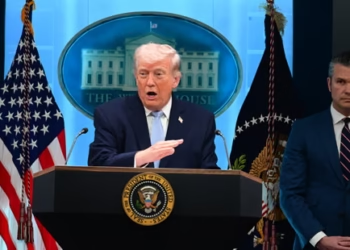 Trump and Tehran Find Common Ground in Landmark Ceasefire
 Stefano Gabbana Resigns as Chair of Italian Luxury Giant
 Rolls-Royce SMR Secures £600m Boost for Nuclear Future
 Tough Fiscal Realities Await Next Scottish Government
 Aramco Surges as East-West Pipeline Counters Gulf Tensions
 Scepticism and tight security as Beijing braces for Trump
 Tensions Flare as Israeli Nationalists March in Jerusalem