Published: 25 March 2026. The English Chronicle Desk. The English Chronicle Online.
The British economy stands at a very critical crossroads following the latest official data. Recent figures show the UK inflation rate remained steady at 3% throughout February this year. This stability arrived just before the global energy markets felt the impact of conflict. Many experts believe this plateau represents a final moment of calm for the national economy. The Office for National Statistics confirmed that consumer prices did not move from January levels. This news met the expectations of most professional economists working within the City of London. However, the figure remains significantly higher than the government target of 2% per year.
Families across the country have noticed that price pressures are becoming much more complex now. The annual rate of food inflation actually saw a slight decrease during the last month. Lower prices for olive oil and flour helped to ease the burden on shoppers. Even the cost of a standard pizza dropped across many major UK supermarket chains lately. These small victories for the consumer provided some brief relief during a very difficult winter. Yet the Food and Drink Federation has issued a stern warning about the future. They suggest that these lower prices are merely the calm before a coming storm.

The global landscape has changed dramatically since the start of the recent Middle East conflict. This war has driven up energy costs and created massive uncertainty for every single household. Shipping routes through the Strait of Hormuz are currently facing some very significant operational disruptions. These blockages have forced oil and gas prices to soar on the international markets lately. Such a sudden shift has completely rewritten the economic forecasts for the coming summer months. Just a few weeks ago, the outlook for the British economy seemed much brighter.
The Bank of England previously thought the UK inflation rate would hit 2% very soon. Policymakers had hoped to reach this vital target by the second quarter of this year. Such a decline would have allowed for several interest rate cuts for British homeowners. Lower rates would have provided a much-needed boost to the sluggish domestic housing market. However, the Monetary Policy Committee decided to keep interest rates on hold last week. Investors now believe that the next move for rates will actually be an increase. This shift in sentiment shows how quickly external wars can damage domestic financial stability.
The Office for National Statistics explained why the February figure stayed at exactly 3% today. Higher prices for seasonal clothing items were a major factor in the recent data set. These increases were luckily offset by falling costs in other areas of the economy. Grant Fitzner serves as the chief economist for the Office for National Statistics currently. He noted that petrol costs fell during the early part of the last month. These prices were collected before the start of the current conflict in the Middle East. Therefore, the data does not yet show the full impact of rising crude oil.
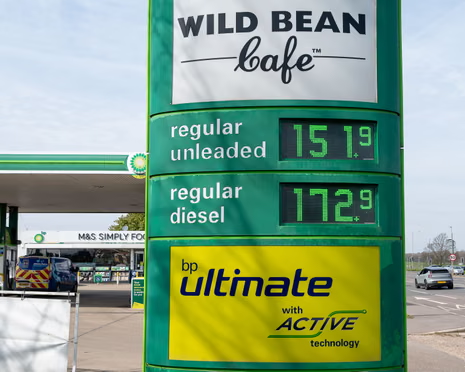
Motorists are already feeling a different reality when they visit local petrol stations this week. The RAC reports that the price of unleaded fuel has jumped by 12p recently. This represents a 9% increase in costs in just a few very short days. Such a rapid rise will inevitably push the UK inflation rate higher in March. Transport costs affect almost every single good and service sold within the United Kingdom. When delivery trucks pay more for fuel, those costs eventually reach the shop shelves. This creates a ripple effect that touches every part of our daily lives today.
There were some other downward pressures on the cost of living during February as well. The prices for alcoholic drinks and tobacco actually fell by a very small margin. This 0.1% monthly drop helped to keep the headline figure from rising even further. We also saw a welcome moderation in the annual rate of food price inflation. It dropped from 3.6% in January to 3.3% in the most recent official report. This is the lowest level we have seen since the spring of last year. Many shoppers will be grateful for any reduction in their weekly grocery bills now.
Despite these improvements, the agricultural sector is worried about the high cost of fertiliser. Supply blockages in the Gulf are making it harder for farmers to grow crops. These increased production costs will likely lead to higher food prices in the autumn. Karen Betts leads the Food and Drink Federation as its current chief executive officer. She expressed deep concern about the duration of the current conflict in the Middle East. The longer this war continues, the worse the impact will be on our shops. Heightened energy and maritime fuel costs are putting immense pressure on all food producers.
The official report also highlighted a slight rise in what experts call core inflation. This measure excludes volatile items like food and fuel to show underlying price trends. Core inflation rose to 3.2% in February from 3.1% in the previous month of January. This small increase suggests that price rises are spreading deep into the wider economy. Hawkish policymakers at the Bank of England are watching this specific trend very closely. They fear that inflation might become embedded in the service sector and wage demands. The next meeting to set interest rates is scheduled for the end of April.
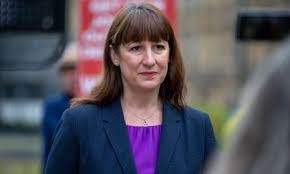
Chancellor Rachel Reeves spoke to Parliament about these economic challenges on Tuesday afternoon this week. She insisted that the government has the right plan to navigate this uncertain world. The Treasury is currently taking £150 off energy bills for many struggling British households. They are also providing targeted support for people who rely on expensive heating oil. Reeves promised to protect consumers from any unfair price rises during this global crisis. The government wants to cut red tape to help businesses keep their costs down. Ministers are reviewing all options to help families with their rising utility bills.

The conflict in the Middle East is now entering its fourth week of action. This timing means the March inflation data will look very different from February’s report. Analysts expect a significant jump in the headline figure when the next data arrives. The UK inflation rate is highly sensitive to changes in the global price of oil. We are a nation that relies heavily on stable international trade and shipping. Any threat to these routes creates immediate stress for our national financial system. The government must find a way to balance growth with these external shocks.
The British public has shown great resilience during many years of high living costs. However, the prospect of a renewed energy crisis is a very daunting thought. People are looking for clear leadership and stable prices in these very turbulent times. The Bank of England faces a difficult task in managing the interest rate environment. They must control inflation without causing a deep recession for the whole country. This balancing act will define the economic success of the current government this year. Everyone is hoping for a swift resolution to the conflicts causing such volatility.
As we look toward the spring, the economic weather remains quite difficult to predict. The stability seen in February was a welcome pause in a long struggle. We must now prepare for the delayed impact of the recent energy spikes. Businesses are already adjusting their budgets to account for higher transport and heating costs. The resilience of the UK economy will be tested once again very soon. Staying informed about these changes is essential for every household in the country. We will continue to monitor these developments as new official figures are released.
Related News:
 Reeves Faces Setback as Labour May Miss Homes Target
 Virgin Trains Moves Closer to Challenging Eurostar Monopoly
 Trump’s UK Ambassador Urges North Sea Drilling to Strengthen US Ties
 Ryanair Chief UK Economy ‘Doomed’ Under Labour
 M&S Profits More Than Halve After Cyber-Attack
 Earl of Yarmouth Faces £1.3m Legal Bill Over Family Estate
 Millionaires group urge Reeves to introduce wealth tax to ‘lift kids out of poverty’
 From Lego to Pokémon: How Adults Are Driving UK Toy Market Growth
 Canada Passes Carney’s First Budget in Tight Parliamentary Vote
 Starmer Says Labour’s Economic Plan Needs Years to Deliver
 Virgin Media Fined £23.8m Over Telecare Safety Failures
 Starmer Faces Parliamentary Battles Over UK-EU ‘Reset’ Plan
 ScottishPower Tops List of Worst UK Energy Suppliers
 Markets Slide As Gold Rally Signals Risk From Trump Greenland Tariff Plan
 UK Eyes Global Investment with Visa Fee Refunds
 City & Guilds pay surge sparks backlash amid £22m cuts
 UK Inflation Hits 3.4% in December, Ending Five-Month Decline
 Trump Fed bid heads to Supreme Court
 ‘Black Tax’: Burden, Pride and Survival for African Workers
 AI job losses UK: Britain faces sharper employment shock
 India-EU Free Trade Deal Marks Historic Economic Shift
 EU Signals Open Mind on UK Customs Union Talks
 Telstra AI jobs cuts as automation drive expands
 BT Names New Openreach Chief Amid Major Fibre Expansion
 UK Banks Plot Payment Backup Amid Trump Fears
 UK Unemployment Rate Climbs to 5.2% Peak
 UK shelves £110m border project amid trade strain
 Aston Martin Cuts 20% Jobs Amid £363m Loss
 Switching Energy Deal Can Save £200 as Price Cap Falls
 Rachel Reeves Faces Middle East Conflict Test
 Grocery Inflation Rises Amid War Fears
 BrewDog sold Highland estate for knockdown price after abandoning reforestation plans
 UK Energy Reform Could Cut Bills by £200
 Rising Costs Force Families to Rethink Days Out
 Oil Slides, Stocks Jump on Trump Peace Signals
 Trump to Deploy “God Squad” Over Gulf Wildlife Protections
 Iran Drone Strike Hits Kuwaiti Oil Tanker in Dubai Port
 Trump Slams Europe as Transatlantic Tensions Boil Over
 Hospitality Sector Teeters on Brink as Costs Surge
 UK Small Firms Face Crisis as Energy Bills Double Amid War
 Oil Prices Surge as Trump Issues New Deadline to Iran
 City Firms See Sharpest Fortune Reversal in Thirty Years
 Markets Surge as Trump Agrees to Iran Ceasefire Terms
 Stefano Gabbana Resigns as Chair of Italian Luxury Giant
 Rolls-Royce SMR Secures £600m Boost for Nuclear Future
 IMF Warns Iran War Could Spark Deep Global Recession
 Trump Rate Cuts Risk ‘Banana Republic’ Status, Says Yellen
 Primark Set for Independence from ABF Food Giant
 Australia’s Economic Anxiety: Is a Recession Looming?
 Lords Demand Larger Fiscal Buffers for UK
 $13bn World Cup Set to Break All Revenue Records
 Trump approval plunges amid Iran war fears
 Heathrow Chair Seeks Peace to Save Third Runway
 Tough Fiscal Realities Await Next Scottish Government
 US Awaits Iran Reply on New Ceasefire Proposal
 Aramco Surges as East-West Pipeline Counters Gulf Tensions
 Big Tobacco Under Fire Over Controversial New Ad Campaign
 High Street Crisis: Fears Grow Over Post Office Closures
 UK Firms Freeze Spending as Iran Conflict Bites
 Summer Shock: British Energy Bills Set for Grim July Hike
 Reeves to Fast-Track Clean Energy Amid Iran Crisis
 Oil Markets Face ‘Red Zone’ Threat Amid Iran Crisis
 Belfast Approves Pilot Extension of Sunday Trading Hours
 Albanese Defends Tax Reforms Amid Emotional Speech
 Tube Strike Brings Capital to a Standstill Over Shift Disputes
 BP Stands Firm on Amanda Blanc Amid Boardroom Storm
 UK House Prices Drop For Third Month Due To War Fears
 Top Chefs Back Andy Burnham to Save UK Hospitality Sector
 GSK Secures Landmark $10.6bn Deal for Nuvalent
 UK Economy Suffers a Sharp Downturn as Iran Conflict Bites
 AI Scams Push UK Investment Fraud Past £220m
 Rethinking the Blueprint for Youth Employment in Britain
 Sainsbury’s Boss Optimistic As Grocery Inflation Eases
 UK Households Suffer Squeeze As Disposable Incomes Drop
 Creditors Eye Thames Water Even Under Nationalisation
 Record £28m Fine for Virgin Media Over Cancellation Woes
 Jet2 Sees Summer Surge Despite Global Tensions
 Ukraine Creates Long-Range Strike Command
 BBC Faces Real Jeopardy as Licence Fee Income Declines
 Thames Water Future Remains Uncertain Amid Funding Crunch