Published: March 27, 2026. The English Chronicle Desk. The English Chronicle Online — Independent, Insightful, Global.
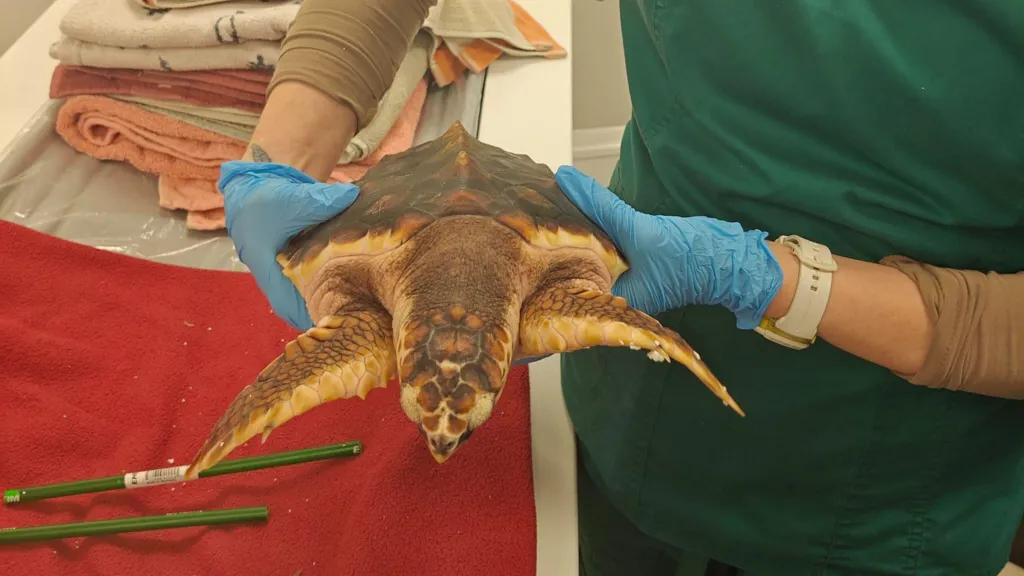
A rare sea turtle rescued from the chilly waters of the British coastline has stunned veterinarians and conservationists alike with a remarkable display of resilience. The juvenile turtle, which was discovered washed up in a state of near-fatal cold-stunning, was recently moved to a specialized marine facility for an advanced CT scan to determine the extent of its internal injuries. To the surprise of the medical team, the results revealed a “fighting spirit” that defies the odds usually stacked against tropical species stranded in the North Atlantic. This heartening development has provided a rare glimmer of hope for marine biologists who have seen an uptick in such strandings over the recent winter months.

The rescue operation began when a member of the public spotted the lethargic creature amongst the seaweed on a remote beach. At the time of discovery, the turtle was suffering from extreme hypothermia, its metabolic processes having slowed to a dangerous crawl. Marine rescuers immediately implemented a delicate rewarming protocol, which involves raising the animal’s core temperature by just one or two degrees Celsius per day to avoid fatal thermal shock. Once stabilized, the turtle was transported to a veterinary hospital equipped with high-resolution imaging technology usually reserved for domestic pets and human patients.
The CT scan was a critical turning point in the turtle’s journey toward recovery. Veterinarians were specifically looking for signs of “cold-stunned pneumonia,” a common and often deadly complication where fluid builds up in the lungs, as well as potential blockages caused by the ingestion of marine plastics. While the scan did indicate minor inflammation in the respiratory tract, the veterinary team was heartened by the clarity of the images, which showed no evidence of systemic organ failure. More importantly, they noted that despite its ordeal, the turtle remained remarkably active during the procedure, attempting to paddle and showing strong neurological responses.
“There is an undeniable spark in this animal,” noted one of the lead marine biologists overseeing the rehabilitation. “Usually, a turtle in this condition is completely unresponsive, but this one is already showing a fierce appetite and a desire to move. We call it a ‘fighting spirit’ because, biologically speaking, it shouldn’t be this alert after such a catastrophic drop in body temperature.” The team has since moved the patient to a larger “recovery tank” where it can begin the slow process of rebuilding its muscle mass and swimming stamina.
The incident has highlighted the growing phenomenon of “lost” turtles appearing in UK waters. While many sea turtles follow the North Atlantic Drift, unusual weather patterns and shifting ocean currents are increasingly pushing young individuals into the colder waters around the British Isles. Without the ability to regulate their own temperature, these animals quickly become incapacitated. The successful treatment of this particular individual serves as a vital case study for marine experts, providing data that could improve the survival rates of future rescues.
Public interest in the turtle’s recovery has been overwhelming, with thousands of people following its progress through social media updates from the rescue center. The facility has used the platform to educate the public on what to do if they encounter a stranded turtle: never attempt to put it back into the water, as the cold shock will likely kill it, but instead wrap it in a damp towel and call for expert assistance. The “fighting spirit” shown by this survivor has become a symbol of hope for broader marine conservation efforts, reminding many of the fragile beauty of the ocean’s most ancient travelers.

As the turtle continues its rehabilitation, the long-term goal remains a return to the wild. If the recovery stays on its current trajectory, the team hopes to fly the turtle to a warmer climate—likely the Canary Islands or the Mediterranean—where it can be released into waters more suited to its biology. For now, the focus remains on daily care, specialized diets, and monitoring the respiratory inflammation. While the road to full health is long, the initial scan has confirmed that this small traveler has every intention of making it back to the deep blue.
Related News:
 South Africa’s Garden Route Gem Faces Looming Water Crisis
 How Where You Grow Up Affects Your Personality
 Brace for Trump’s Brave New World of 1.7°C Global Warming
 Why There’s No Quick Fix in Sight for the Problem of Dazzling Headlights
 How Do You Modernise Mango Farming? India’s Growers Urged to Innovate as Climate Change Hits
 Mind Launches Inquiry into AI and Mental Health After Guardian Investigation
 ‘The New Tobacco’: Cities Ban Fossil Fuel Adverts
 ‘A Disgrace’ — Patient Blasts Neurology Report
 Science Reveals How We Truly Learn Languages
 Gaming Helps Woman Cope with Rare Health Condition
 Ocean Warming Drives Massive Marine Life Loss, Study Warns
 UK’s First Geothermal Plant Powers 10,000 Homes
 UK Winter Nowhere Near a Record Breaker Despite Floods and Storms
 UK Records Warmest Day of the Year as Temperatures Exceed 18 °C
 ‘I Stopped Engaging’ Due to Instagram and YouTube, Woman Tells Landmark Trial
 Vegetarian Diet Linked to Lower Risk of Several Cancers
 Conservation Budgets Hit by Increased Fly‑Tipping Costs
 Water Cremation Introduced in UK First
 Should We Be Eating Three Meals a Day? Experts Rethink Traditional Meal Patterns

 Study Says Only Two Nations May Survive Nuclear War
 Baba Vanga’s Chilling World War 3 Prediction and Russia’s New Leader
 Community farm appeal to cover thousands in repairs
 Sycamore Gap tree sapling takes root in Manchester
 Woman’s Identity Stolen in Online Catfishing Scam
 Screen Time for Under-Fives Should Be Limited
 Spectacular ‘Blood Moon’ Illuminates Skies Across the Globe
 British Pilot Joins Crew Training for Year-Long Mars Simulation Mission
 Big Pharma Investment Freeze Puts UK Life Sciences Sector Under Strain
 Jaguar Land Rover Extends Production Halt Following Cyber-Attack
 Persistent Offenders Owe Over £700m in Ulez Fines as TfL Cracks Down on Evasion
 Google at 27: The Untold Story of Ruth Kedar, the Woman Behind the Iconic Logo
 Reform UK candidate fined £19,000 after using AI-generated cases to challenge election
 UK Campaigners Launch Bill to Grant Legal Rights to Nature
 Virgin Trains Moves Closer to Challenging Eurostar Monopoly
 UK Bans Fake Numbers: Scammers Lose Their Trick
 Vibe coding’ named Collins dictionary’s word of the year
 Patients to Test Health at Home to Ease NHS Winter Pressure
 Britain deploys RAF specialists to assist Belgium with drone threats
 Northern Lights may illuminate UK skies this week
 New AI tool could cut wasted efforts in organ transplants
 Sundar Pichai Cautions on AI Hype and Market Risks
 Beachy Head Woman Identified as Local Eastbourne Resident
 US Clears Nvidia AI Chip Sales to China in Policy Shift
 Astronomers Prepare for First-Ever Movie of a Black Hole
 Pornhub blocks new UK users over age checks dispute
 Amazon mistakenly signals new global layoffs to employees
 AI breast screening cuts later cancer diagnoses by 12%, study finds
 UK New Car Discounts Near £6,000 as Prices Are Slashed
 Labour Utterly Humiliated by Straight-Talking Mum Who Cut Through Keir Starmer’s Insanity
 Draft Severe Weather Plan Following Storm Flooding
 What is Groundwater Flooding and Why Dorset is Seeing ‘Historical Highs’
 Most Statin Side-Effects Are Not Caused by Drugs, Study Confirms
 BT Names New Openreach Chief Amid Major Fibre Expansion
 Tech Trends Set to Transform Life in 2026
 Renters Furious as Decent Homes Standard Delayed Until 2035
 Motorists Could Face ‘Mandatory’ Driving Ban for Road Offences Under Tougher Laws
 US Civil Rights Leader Jesse Jackson Dies Aged 84
 How the Sound of Sport Is Being Reimagined for Deaf Fans
 Snow and Rain Warnings as Cold Snap Continues in the UK
 Indian University Kicked Out of AI Summit for Claiming Chinese Robot Dog as Its Own Invention
 Epstein Eyed Record Label Investment to Access Women, Files Suggest
 ‘Don’t Make Us Security Guards,’ Says Teacher Stabbed by Pupil
 Musk Cuts Starlink Access for Russian Forces – Giving Ukraine an Edge at the Front
 AI Coding Firm’s ‘Pride’ at Business Award Win
 Toddlers in Finland Lead the Fight to Save Sámi Language
 ‘We Pray for Peace’: Indian Filmmaker From Troubled State Who Won a BAFTA
 Stewart Brand on Musk, Bezos and a Life of Long Thinking
 Facial Recognition Error Leads to Wrongful Arrest in Milton Keynes
 Social Media Trial: Woman Says Addiction Began at Six
 ‘It’s Joy in a Pot’: Why Houseplants Could Make You Happier
 Calls Grow to Remove Billboard Following Lyra McKee Graffiti
 ‘Every Day Feels Like a Month’: Iranians Describe Life Under ‘Constant’ US‑Israeli Strikes
 Tears and Cheers as Controversial Long‑Running Australian Breakfast Radio Show Implodes
 Father Dies by Suicide Weeks After Wedding in Clitheroe
 Teen Wins Payout After TRNSMT Crush Horror
 Scotland World Cup Party in Boston Gets Green Light After Security Breakthrough
 ‘Heating Oil Suppliers Are Holding Us to Ransom’ as Prices and Cancellations Surge
 Social Media Giant Trial Reaches Final Jury Decision
 Nepal to swear in ex-rapper as new prime minister