Published: March 27, 2026. The English Chronicle Desk. The English Chronicle Online
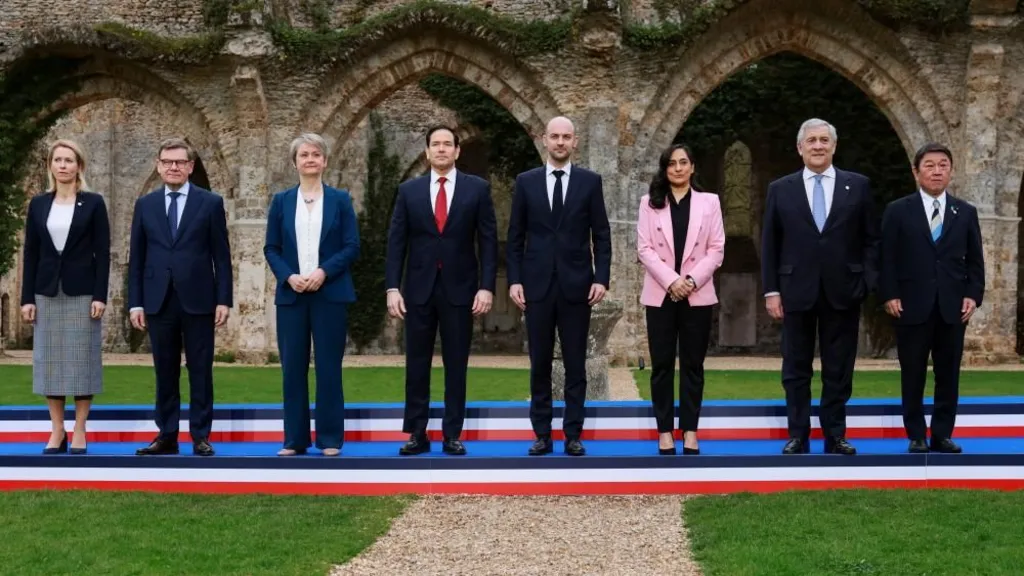
US Secretary of State Marco Rubio has landed in Brussels for an emergency summit with his G7 counterparts, marking the most critical diplomatic intervention since the outbreak of hostilities with Iran last month. The meeting, held at the NATO headquarters under unprecedented security, aims to synchronize a “unified Western response” to the escalating maritime blockade in the Persian Gulf and the subsequent “ripple of fear” destabilizing global energy markets. Rubio’s arrival comes as the US military confirms it has moved additional carrier strike groups into the North Arabian Sea, a move the State Department describes as “purely defensive” but which Tehran has labeled an “act of unprovoked aggression.”

The G7 foreign ministers—representing the UK, Canada, France, Germany, Italy, and Japan—are reportedly divided on the “proportionality” of the recent US-led strikes on Iranian drone facilities. While UK Foreign Secretary David Lammy has signaled “steadfast support” for the US position, citing the direct threat to British shipping, German and French officials have expressed “grave concerns” that a full-scale regional war could trigger a refugee crisis and economic depression in Europe. Rubio, however, remained firm upon his arrival: “The era of strategic patience with the Iranian regime is over. We are here to ensure that the world’s most vital energy arteries remain open, by any means necessary.”
A central theme of the summit is the “economic containment” of the conflict. With Brent crude oil soaring past $100 a barrel, the G7 is weighing a coordinated release of strategic petroleum reserves to settle volatile markets. Financial analysts warn that if the Strait of Hormuz remains contested, global GDP could shrink by 2.5% in 2026, a figure that has already sent UK consumer confidence to an 11-month low. Rubio is expected to press G7 allies to implement a “total secondary sanctions” package, targeting any third-party nations—specifically pointing toward shadows of Chinese and Russian involvement—that continue to facilitate Iranian oil exports.
The humanitarian dimension of the war is also on the agenda. The G7 is bracing for a “second-wave” disruption of global grain shipments, as the conflict threatens to merge with existing tensions in the Black Sea, creating a “perfect storm” for global food security. In the UK, the “ripple of fear” has already translated into a 0.4% drop in retail sales, as households prioritize survival over spending. Rubio’s challenge will be to convince his European allies that the “cost of inaction” against Tehran is far higher than the current economic pain of the sanctions regime.
As the talks continue behind closed doors, the “Mullally Era” of diplomacy is being tested to its limits. The G7 is expected to issue a joint communiqué by Saturday morning, which insiders suggest will include a “final warning” to Tehran to cease its “malign maritime activities” or face a coordinated blockade of its own ports. For Rubio, the summit is a test of his “Peace Through Strength” doctrine; for the rest of the G7, it is a desperate attempt to pull the world back from the brink of a third world war.

The eyes of the world remain on Brussels, where the decisions made by these eight individuals will determine whether the “spring awakening” of 2026 is defined by the return of sunshine or the darkening clouds of a global conflagration.
Related News:
 Last‑ditch Call to Save Police Front Counters in London
 UK Poverty Hits 13.4 Million Amid Major Data Revisions
 Met Police Resume Arrests for Palestine Action Supporters
 Holyrood Campaign ‘In Meltdown’ as Fifth Reform UK Candidate Quits
 US Lawmaker Demands Testimony Over Sarah Ferguson’s ‘Close Epstein Ties’
 The Last of the Lords: Two Hereditary Peers to Retain Ceremonial Roles Amid Historic Ousting
 Trust in Turmoil: Just Eat and Autotrader Among Firms Probed Over Fake Reviews
 Tasers Introduced in UK Prisons to Combat Rising Violence and Protect Staff
 David Lammy Faces Possible Legal Challenge Over Foreign Office Secondment Scheme
 Police Advised to Disclose Ethnicity of Suspects in High-Profile Cases
 Sally Rooney Pledges BBC Royalties to Support Palestine Action Despite UK Terror Ban
 Government Signs Deal with Iraq to Return Illegal Migrants in Latest Bid to Deter Small Boats
 Angela Rayner Admits Underpaying Stamp Duty on £800,000 Seaside Flat
 Angela Rayner Faces Scrutiny as Stamp Duty Row Deepens
 Tanni Grey-Thompson Faces Abuse Over Opposition to Assisted Dying Bill
 First “One In, One Out” Deportation Flight Departs Without Migrants Amid Legal Challenges
 Corbyn and Sultana Clash Over Membership Portal as Divisions Surface in New Leftwing Party
 Commons Speaker Warns UK Parliament Vulnerable to Foreign Espionage After China-Linked Case Dropped
 Mahmood Pledges Reform of Modern Slavery Laws After Court Blocks Deportation Appeal
 Migrants in UK May Need to Contribute or Face Removal, Home Secretary Signals
 Jailed Georgian Opposition Leaders Warn UK of Iranian Links to Ruling Party
 MPs’ pay watchdog seeks to give public greater voice in how politicians are funded
 Digital ID Plans Ignite Debate Over £600m Treasury Tax Boost and Privacy Concerns
 Boris Johnson Breached Rules on Post-Office Business Contacts
 Lucy Powell urged ministers to reconsider costly legal case for Labour donor’s firm
 Starmer Accused of Creating ‘Toxic Downing Street’
Johnson Approved China’s London ‘Super-Embassy’ in 2018
Starmer Accused of Creating ‘Toxic Downing Street’
Johnson Approved China’s London ‘Super-Embassy’ in 2018
 French Taxi Driver Cleared in David Lammy Theft Case After Fare Dispute
 Remaining rebel Labour MPs have whip restored
 Palace to reinstate hyphen in Andrew’s surname
 Victims’ commissioner Baroness Newlove dies aged 63
 Major Rent Reform Ends No-Fault Evictions in England
 Peers Flood Assisted Dying Bill with 942 Amendments
 UK Unveils Fast-Track Deportation and Asylum Overhaul
 UK Asylum Overhaul Sparks Debate Over Human Rights and Deportations
 UK Asylum Reforms: Temporary Refugee Status and Faster Deportations
 Mahmood Defends Tough Overhaul of UK Asylum System
 Westminster Advances Legacy Bill Amid Criticism
 Peers Get Extra Time to Debate Assisted Dying Bill
 Plans to Limit Jury Trials Face Retreat After Mounting Opposition
 Starmer tariffs stance rejects US trade retaliation
 Emails Show Epstein Funded Mandelson’s Husband After Jail
 Labour Attacks Reform Candidate Over Tommy Robinson Backing
 Police Probe Mandelson Over Alleged Epstein Leak
 Starmer Reverses Local Election Delay Plan
 Motorists Could Face ‘Mandatory’ Driving Ban for Road Offences Under Tougher Laws
 Disability and LGBT Hate Crimes Set to Become Aggravated Offences
 Civil Service Pay: Union Urges Ministers to End ‘Barking Mad’ Limits
 How Much Could Andrew’s Arrest Hurt the Royal Family?
 Andrew Released Under Investigation After Arrest
 Schools in England to Get Budget for Children with Special Needs as Part of SEND Overhaul
 Tories Would Scrap ‘Debt Trap’ of High‑Interest Student Loans, Says Kemi Badenoch
 Sadistic Pair Jailed for Blowing Up Sheep
 MPs Backed by Phillipson as She Defends Student Loan Change; Average Repayments to Rise by £8 a Month
 Grave of Murdered Toddler James Bulger Vandalised
 Labour MP’s Partner Arrested on Suspicion of Spying for China
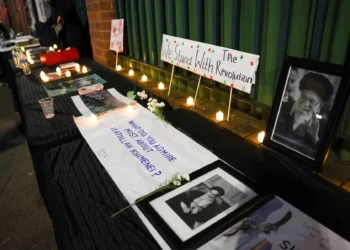 Manchester Students Mourn Ayatollah Amid Protest
 Police Scotland Pays £8m Compensation to Staff
 Family of Girl Groomed by Ian Huntley Beg Medics to Save His Life
 Flats for the blind could be sold to developer
 Undercover officer deceived women with ‘grotesque and cruel’ lies, spycops inquiry told
 Proposed Law Leaves Gap for Children of Convicted Paedophiles
 Gran Vows to Shield Huntley’s Daughter From Soham Killer’s Funeral
 Labour Faces Backlash Over Conscription Warning
 SNP Health Secretary Criticised Over NHS Failures Locally
 Scotland Combines Alcohol and Drug Strategy to Cut Addiction Deaths
 Hereditary Peers to Lose Seats in House of Lords
 Jobless Man on £15k Benefits Accused of Hurling Abuse at Anti-Migrant Demo
 Rapist Caught After Victim Calls Police Mid-Attack

 Edinburgh Mother Learns Husband Was Secret Sperm Donor
 Mandelson’s Phone Messages Requested in Files Release
 UK Forecast to See Biggest Growth Hit from Iran War
 UK Forces Ready to Seize Russian Shadow Fleet Vessels
 Families Tortured by Authorities During Investigations Inquiry Told
 Watchdog Probes Police Handling of Andrew Tate Abuse Claims
 ‘Teenage Me Could Not Have Imagined This’ Says First Female Archbishop
 The High Cost of Survival: How the 2026 Fiscal Outlook is Redefining British Life
 Dawn Raids in Scotland and Spain: Eight Arrested in Major Organised Crime Sting
 ‘F***, We’re Dead’: The Chilling Final Words from the Air France 447 Cockpit