Published: March 30, 2026. The English Chronicle Desk.
The English Chronicle Online
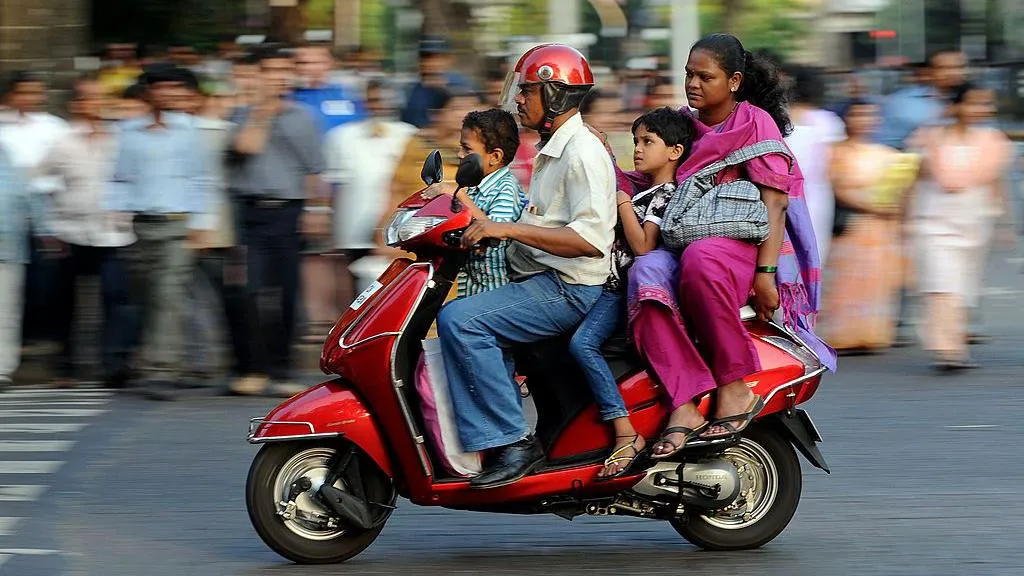
India’s middle class—a demographic of approximately 100 million households earning between ₹5 lakh and ₹30 lakh annually—is facing a “perfect storm” of economic pressures that threaten to stall the nation’s consumption-led growth. Despite a projected national GDP growth of 7.4% for FY26 and a transition toward “Upper Middle-Income” status by 2030, the individual reality for many salaried professionals is one of “running to stay in place.” High-frequency indicators from March 2026 reveal that while the “macro” looks resilient, the “micro” is increasingly brittle under the weight of frozen wages and surging urban costs.

The core of the crisis lies in a widening gap between income and essential expenses. While headline inflation has dipped to an average of 1.8% this fiscal year, the “specific inflation” for middle-class necessities remains in the double digits. Housing, private education, and healthcare costs are reportedly surging by more than 10% annually. For the IT sector—a traditional engine of middle-class mobility—entry-level salaries have remained largely frozen at ₹3 lakh for nearly a decade, even as the cost of a basic 2BHK apartment in Tier-1 cities like Bengaluru or Gurgaon has doubled.
The Union Budget 2026–27, presented in February, attempted to address this “ripple of fear” with targeted surgical strikes on household expenses rather than broad tax cuts. Key measures included:
-
Remittance Relief: The Tax Collection at Source (TCS) on overseas education and medical remittances was slashed from 5% to 2%, a direct win for families with students abroad.
-
Health & Life Insurance: Proposed GST exemptions and tax relief on insurance premiums aim to lower the “out-of-pocket” burden for families who do not qualify for government schemes.
-
Cancer Care: Customs duty waivers on 17 critical cancer drugs were introduced to mitigate the catastrophic financial impact of rare diseases.
However, the “educated but struggling” narrative is most acute among India’s youth. Despite the government’s push for “Viksit Bharat @2047,” the labor market recovery remains uneven. Many young professionals find themselves “over-educated and under-compensated,” taking roles far below their skill levels just to service education loans. The “Orange Economy”—comprising content creators and digital freelancers—has emerged as a survival mechanism, with the Budget allocating ₹500 crore for AI-driven education tools and creator labs to help bridge the “skilling gap” that traditional degrees no longer cover.
The infrastructure deficit also acts as a “hidden tax.” While the government has maintained high public capital expenditure (3.4% of GDP), the daily lived experience for the middle class involves navigating congested roads and inadequate public transport, often forcing a reliance on expensive private vehicles. The ₹22,000 crore allocated to the PM Surya Ghar solar scheme is intended to lower long-term utility bills, but the “upfront cost” remains a barrier for the very households the policy aims to protect.

As India moves closer to becoming the world’s third-largest economy by 2028, the “Silent Economic Crisis” of its middle class remains a critical variable. If the demographic that drives 60% of domestic consumption continues to pivot from discretionary spending to “defensive saving,” the broader growth trajectory could be at risk. For the average Indian professional in 2026, the goal is no longer just “making it”—it’s simply making ends meet.
Related News:
 Market Shockwave: Oil Surges Past $115 as Iran War Enters Fifth Week
 UK Poverty Hits 13.4 Million Amid Major Data Revisions
 Global Crisis: Marco Rubio Convenes Emergency G7 Meeting as Iran Conflict Escalates
 ‘No Surprise’: Ramaphosa Downplays South Africa’s Exclusion from Emergency G7 Summit
 ‘Eye in the Sky’ Blinded: Photos Reveal Destroyed US Radar Jet at Saudi Base
 Starmer tariffs stance rejects US trade retaliation
 UK Presses On With Chagos Handover Despite Trump Criticism
 Shinzo Abe’s killer receives life sentence in Japan
 Emails Show Epstein Funded Mandelson’s Husband After Jail
 Police Assessing Stansted Airport Private Flights Over Epstein Ties
 ‘Just Push Us Into the Sea’: The Frustration of an Area Failed by Politics
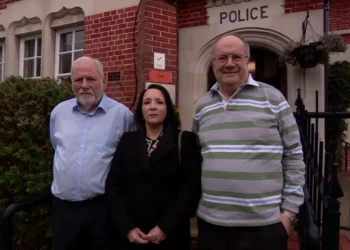 Last‑ditch Call to Save Police Front Counters in London
 Britain’s Special Needs Spending Crisis Will Be Labour’s Ruin
 Starmer’s Friend Made Millions from Chagos Deal
 Britain’s Reliance on China Makes Us ‘Weak Link in the West’, Warn MPs
 UK Has Not Given US Permission to Use RAF Bases for Iran Strikes
 Fury as Jobless-Migrant Households Receive Benefits Worth £10bn – ‘We Need to End This’
 Schools in England to Get Budget for Children with Special Needs as Part of SEND Overhaul
 Tories Would Scrap ‘Debt Trap’ of High‑Interest Student Loans, Says Kemi Badenoch
 MPs Backed by Phillipson as She Defends Student Loan Change; Average Repayments to Rise by £8 a Month
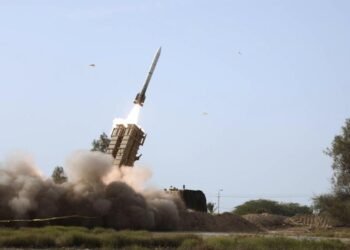 UK Will Allow US to Use Bases to Strike Iranian Missile Sites, PM Says
 Cooper: Joining US Strikes on Iran ‘Not in Britain’s Interest’
 Why Independence Is Still a Political Dividing Line in Scotland
 Muslim Group Wants Mosques to Be Used as Polling Stations Ahead of UK Elections
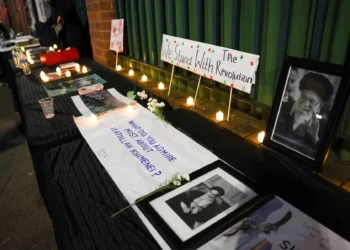 Manchester Students Mourn Ayatollah Amid Protest
 HMS Dragon to Head to Cyprus Amid Rising Tensions
 Labour Faces Backlash Over Conscription Warning
 SNP Health Secretary Criticised Over NHS Failures Locally
 Scotland Combines Alcohol and Drug Strategy to Cut Addiction Deaths
 Middle East tensions hit London’s streets as march banned
 Jobless Man on £15k Benefits Accused of Hurling Abuse at Anti-Migrant Demo
 Starmer Praised for Stance on Trump and Iran Conflict
 Yvette Cooper: UK Must Follow Principles, Not US Pressure
 Andrew Mountbatten-Windsor’s New Home Dispute as Vans Seen at Sandringham
 UK Doubles Steel Tariffs to 50% to Protect Domestic Plants
 UK Forecast to See Biggest Growth Hit from Iran War
 UK Forces Ready to Seize Russian Shadow Fleet Vessels
 Met Police Resume Arrests for Palestine Action Supporters
 ‘Teenage Me Could Not Have Imagined This’ Says First Female Archbishop
 ‘A Cliff Edge’: Hospice Leaders Warn Cutbacks Are Only Way to Survive
 The High Cost of Survival: How the 2026 Fiscal Outlook is Redefining British Life
 Holyrood Campaign ‘In Meltdown’ as Fifth Reform UK Candidate Quits
 US Lawmaker Demands Testimony Over Sarah Ferguson’s ‘Close Epstein Ties’
 The Last of the Lords: Two Hereditary Peers to Retain Ceremonial Roles Amid Historic Ousting
 Trust in Turmoil: Just Eat and Autotrader Among Firms Probed Over Fake Reviews
 ‘Ripple of Fear’: Iran War Fears Sink UK Consumer Confidence to 11-Month Low
 Fuel Famine: How African Nations are Rationing Power and ‘Diluting’ Petrol to Survive
 ‘My Daughter is Under the Rubble’: The Human Cost of the Tehran Strikes
 ‘An Evil Man is Dead’: Australian Fugitive Dezi Freeman Shot Dead After 216 Days
 ‘Full and Immediate Access’: Netanyahu Reverses Palm Sunday Ban on Latin Patriarch
 Record-Breaking Gridlock: DHS Freeze Becomes the Longest Partial Shutdown in US History
 UK Must Act with Courage and Clarity on Israel-Palestine Conflict, Says Foreign Affairs Committee Report
 Tanni Grey-Thompson Faces Abuse Over Opposition to Assisted Dying Bill
 TfL Invites RMT to Resume Talks as London Tube Strikes End
 Nigel Farage Unveils Controversial Immigration and Welfare Plans at Reform UK Press Conference
 Ed Miliband Warns UK Government on X, Citing Elon Musk as a “Dangerous Influence”
 Kemi Badenoch Unveils ‘Golden Rule’ to Halve Spending Cuts for Deficit Reduction at Tory Conference
 UK border officers deployed to Balkans to tackle migrant smuggling
 UK MPs warn of repeat riots over online misinformation
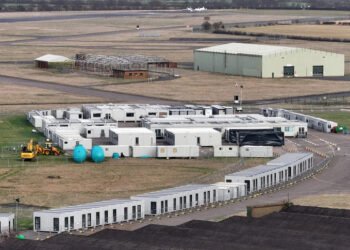 Army Barracks to House Migrants as Hotels Phase Out
 Trump’s UK Ambassador Urges North Sea Drilling to Strengthen US Ties
 Millionaires group urge Reeves to introduce wealth tax to ‘lift kids out of poverty’
 Reeves rejects £1bn plea for NHS redundancy payouts
 PM Condemns Leaks, Vows Loyalty to Ministers and Stability
 Starmer Says Labour’s Economic Plan Needs Years to Deliver
 US Senate rejects resolution limiting Trump military powers
 No Gas Boiler Ban as UK Warm Homes Plan Backs Heat Pumps
 Police response times face strict new national limits
 Could Manchester Lead the UK’s Economic Revival?
 Motorists Could Face ‘Mandatory’ Driving Ban for Road Offences Under Tougher Laws
 Civil Service Pay: Union Urges Ministers to End ‘Barking Mad’ Limits
 Australian PM Says Former Prince Andrew Has Suffered ‘Extraordinary Fall’ but That Won’t Prompt Republic Referendum
 Farage Chagos Islands Row Sparks Fury
 Reform UK targets workers’ rights repeal
 Russian Trade Routed Through British Islands Exposed
 Mandelson Arrest: Met Apologises to Hoyle
 Calls Grow to Remove Billboard Following Lyra McKee Graffiti
 Thousands Protest Iran Strikes Outside US Embassy London
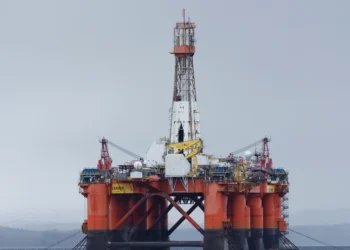 UK Oil and Gas Supplies Reassured Amid Middle East Concerns
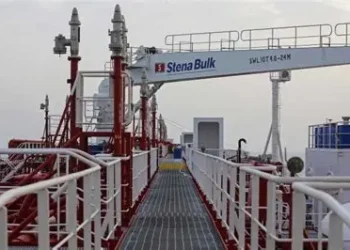 Iran War Puts Trump at Political Risk Amid Rising Prices