Published: March 30, 2026. The English Chronicle Desk.
The English Chronicle Online
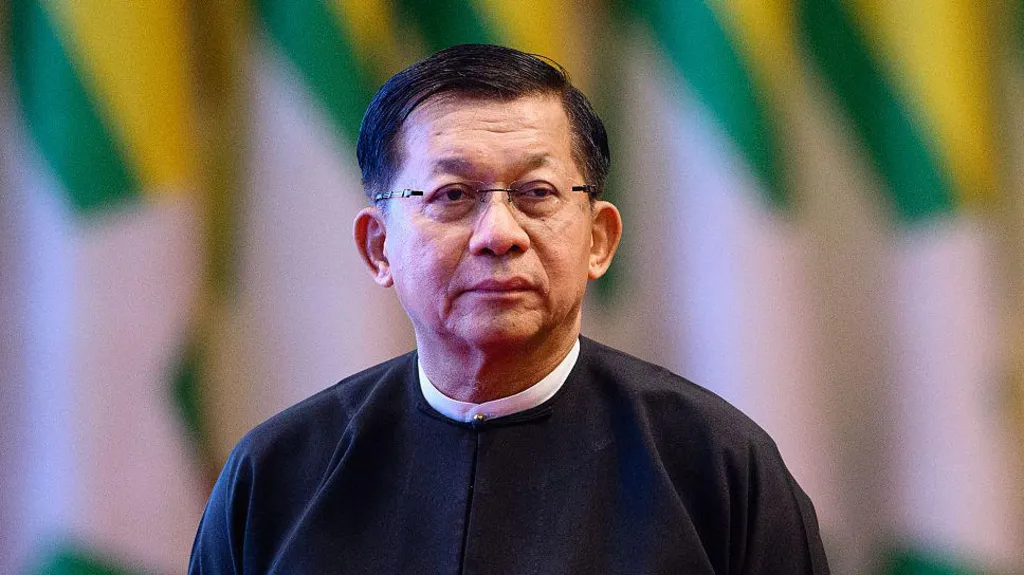
In a move that has drawn swift condemnation from the international community and deepened the “ripple of fear” across Southeast Asia, Myanmar’s military junta has officially nominated Senior General Min Aung Hlaing for the presidency. The announcement, made via state-run MRTV on Monday morning, marks the culmination of a years-long effort by the military to formalize its grip on power following the 2021 coup. The nomination comes just weeks after the junta extended the state of emergency for a sixth consecutive time, citing ongoing “instability” and the need to prepare for much-delayed national elections.

The transition from “Junta Chairman” to “President” is seen by analysts as a desperate attempt at domestic and regional legitimacy. Since the 2021 ousting of Aung San Suu Kyi’s elected government, Myanmar has been embroiled in a brutal civil war that has seen the military lose control of vast swaths of territory to the People’s Defence Forces (PDF) and ethnic armed organizations. By assuming the presidency, Min Aung Hlaing reportedly hopes to present a “civilian face” to the G7 and ASEAN nations, even as his forces continue a campaign of airstrikes and scorched-earth tactics against his own population.
The nomination has been met with immediate backlash from the National Unity Government (NUG)—Myanmar’s government-in-exile. In a statement released shortly after the announcement, the NUG labeled the move a “theatrical sham” and a “violation of the will of the people.” Meanwhile, US Secretary of State Marco Rubio, currently meeting with G7 counterparts in Brussels, described the nomination as a “cynical power grab” that further distances Myanmar from any credible return to democracy. The G7 is now considering expanding the current sanctions regime to include any financial institutions facilitating the junta’s newly formed “Presidential Office.”
The human cost of the junta’s rule remains staggering. According to the Assistance Association for Political Prisoners (AAPP), over 6,000 people have been killed by the military since 2021, with nearly 26,000 still in detention. The “ripple of fear” has also crossed borders; Thailand and India are currently struggling with a massive influx of refugees as the military intensifies strikes on border regions. In India, the influx has added to the strain on the middle class and local infrastructure, sparking complex internal security debates in New Delhi.
Economically, Myanmar is in a “death spiral.” The national currency, the kyat, has plummeted to record lows, and the country faces a severe “fuel famine” similar to that currently seen in parts of Africa. With the Strait of Hormuz blockade further restricting global oil flows, the junta has reportedly resorted to “triage” rationing, prioritizing fuel for military vehicles and government offices in the capital, Naypyidaw, while leaving hospitals and schools in the dark.

As Min Aung Hlaing prepares for his “inauguration” later this spring, the gap between the junta’s televised reality and the lived experience of the Myanmar people has never been wider. While the Senior General may soon hold the title of President, the civil war raging across the country suggests he remains a leader in title only, presiding over a nation that is increasingly fractured, impoverished, and defiant.
Related News:
 Starmer tariffs stance rejects US trade retaliation
 Emails Show Epstein Funded Mandelson’s Husband After Jail
 Last‑ditch Call to Save Police Front Counters in London
 Met Police Resume Arrests for Palestine Action Supporters
 Holyrood Campaign ‘In Meltdown’ as Fifth Reform UK Candidate Quits
 US Lawmaker Demands Testimony Over Sarah Ferguson’s ‘Close Epstein Ties’
 The Last of the Lords: Two Hereditary Peers to Retain Ceremonial Roles Amid Historic Ousting
 Global Crisis: Marco Rubio Convenes Emergency G7 Meeting as Iran Conflict Escalates
 ‘My Daughter is Under the Rubble’: The Human Cost of the Tehran Strikes
 Market Shockwave: Oil Surges Past $115 as Iran War Enters Fifth Week
 ‘An Evil Man is Dead’: Australian Fugitive Dezi Freeman Shot Dead After 216 Days
 ‘Eye in the Sky’ Blinded: Photos Reveal Destroyed US Radar Jet at Saudi Base
 ‘Full and Immediate Access’: Netanyahu Reverses Palm Sunday Ban on Latin Patriarch
 The ‘Squeezed Middle’: India’s Educated Class Faces a 2026 Financial Triage
 Tasers Introduced in UK Prisons to Combat Rising Violence and Protect Staff
 Police Advised to Disclose Ethnicity of Suspects in High-Profile Cases
 Sally Rooney Pledges BBC Royalties to Support Palestine Action Despite UK Terror Ban
 Government Signs Deal with Iraq to Return Illegal Migrants in Latest Bid to Deter Small Boats
 Angela Rayner Admits Underpaying Stamp Duty on £800,000 Seaside Flat
 Angela Rayner Faces Scrutiny as Stamp Duty Row Deepens
 Tanni Grey-Thompson Faces Abuse Over Opposition to Assisted Dying Bill
 First “One In, One Out” Deportation Flight Departs Without Migrants Amid Legal Challenges
 Corbyn and Sultana Clash Over Membership Portal as Divisions Surface in New Leftwing Party
 Mahmood Pledges Reform of Modern Slavery Laws After Court Blocks Deportation Appeal
 Migrants in UK May Need to Contribute or Face Removal, Home Secretary Signals
 Jailed Georgian Opposition Leaders Warn UK of Iranian Links to Ruling Party
 Digital ID Plans Ignite Debate Over £600m Treasury Tax Boost and Privacy Concerns
 Boris Johnson Breached Rules on Post-Office Business Contacts
 Lucy Powell urged ministers to reconsider costly legal case for Labour donor’s firm
 Starmer Accused of Creating ‘Toxic Downing Street’
Johnson Approved China’s London ‘Super-Embassy’ in 2018
Starmer Accused of Creating ‘Toxic Downing Street’
Johnson Approved China’s London ‘Super-Embassy’ in 2018
 French Taxi Driver Cleared in David Lammy Theft Case After Fare Dispute
 Major Rent Reform Ends No-Fault Evictions in England
 Peers Flood Assisted Dying Bill with 942 Amendments
 UK Unveils Fast-Track Deportation and Asylum Overhaul
 UK Asylum Overhaul Sparks Debate Over Human Rights and Deportations
 UK Asylum Reforms: Temporary Refugee Status and Faster Deportations
 Mahmood Defends Tough Overhaul of UK Asylum System
 Westminster Advances Legacy Bill Amid Criticism
 Peers Get Extra Time to Debate Assisted Dying Bill
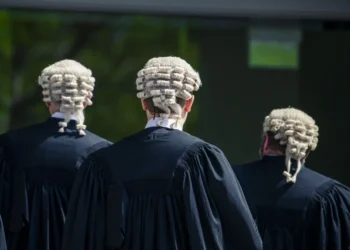 Plans to Limit Jury Trials Face Retreat After Mounting Opposition
 Shinzo Abe’s killer receives life sentence in Japan
 American democracy faces crisis after Trump’s return
 Files Link Andrew to Epstein Dinner After Prison Release
 Police Probe Mandelson Over Alleged Epstein Leak
 Motorists Could Face ‘Mandatory’ Driving Ban for Road Offences Under Tougher Laws
 Disability and LGBT Hate Crimes Set to Become Aggravated Offences
 Civil Service Pay: Union Urges Ministers to End ‘Barking Mad’ Limits
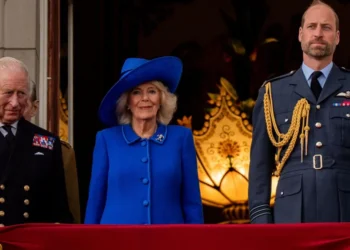 How Much Could Andrew’s Arrest Hurt the Royal Family?
 UK Has Not Given US Permission to Use RAF Bases for Iran Strikes
 Schools in England to Get Budget for Children with Special Needs as Part of SEND Overhaul
 Sadistic Pair Jailed for Blowing Up Sheep
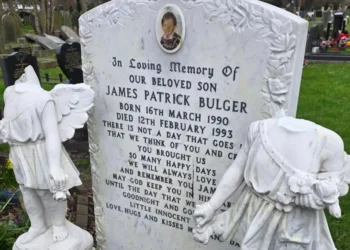 Grave of Murdered Toddler James Bulger Vandalised
 UK Will Allow US to Use Bases to Strike Iranian Missile Sites, PM Says
 Cooper: Joining US Strikes on Iran ‘Not in Britain’s Interest’
 DHS Probe Into Border Official Sparks National Debate
 Labour MP’s Partner Arrested on Suspicion of Spying for China
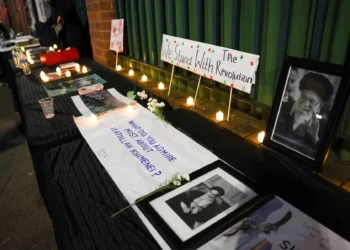 Manchester Students Mourn Ayatollah Amid Protest
 Police Scotland Pays £8m Compensation to Staff
 Family of Girl Groomed by Ian Huntley Beg Medics to Save His Life
 Proposed Law Leaves Gap for Children of Convicted Paedophiles
 Gran Vows to Shield Huntley’s Daughter From Soham Killer’s Funeral
 HMS Dragon to Head to Cyprus Amid Rising Tensions
 Labour Faces Backlash Over Conscription Warning
 SNP Health Secretary Criticised Over NHS Failures Locally
 Hereditary Peers to Lose Seats in House of Lords
 Jobless Man on £15k Benefits Accused of Hurling Abuse at Anti-Migrant Demo
 Yvette Cooper: UK Must Follow Principles, Not US Pressure
 Rapist Caught After Victim Calls Police Mid-Attack

 Mandelson’s Phone Messages Requested in Files Release
 Families Tortured by Authorities During Investigations Inquiry Told
 Watchdog Probes Police Handling of Andrew Tate Abuse Claims
 ‘Teenage Me Could Not Have Imagined This’ Says First Female Archbishop
 Dawn Raids in Scotland and Spain: Eight Arrested in Major Organised Crime Sting
 ‘F***, We’re Dead’: The Chilling Final Words from the Air France 447 Cockpit
 Trust in Turmoil: Just Eat and Autotrader Among Firms Probed Over Fake Reviews
 ‘No Surprise’: Ramaphosa Downplays South Africa’s Exclusion from Emergency G7 Summit
 Three-Minute Heist: Renoir, Cézanne, and Matisse Masterpieces Stolen in Italy
 Record-Breaking Gridlock: DHS Freeze Becomes the Longest Partial Shutdown in US History