Published: March 30, 2026. The English Chronicle Desk.
The English Chronicle Online—Providing trusted news and professional analysis for the UK.
The Australian Federal Government has announced a dramatic intervention into the nation’s energy market, halving the fuel excise tax and supporting state-led initiatives for free public transport as the economic fallout from the conflict in the Middle East reaches a boiling point. Following an emergency meeting of the National Cabinet in Canberra on Monday, Prime Minister Anthony Albanese confirmed that the tax on petrol and diesel will be slashed from 52.6 cents to 26.3 cents per litre for an initial period of three months. The move, which is expected to cost the federal budget approximately $2.5 billion, represents a significant policy pivot for the administration as it grapples with average fuel prices that have soared past $2.50 per litre in major metropolitan areas and over $3.00 in remote regional hubs.

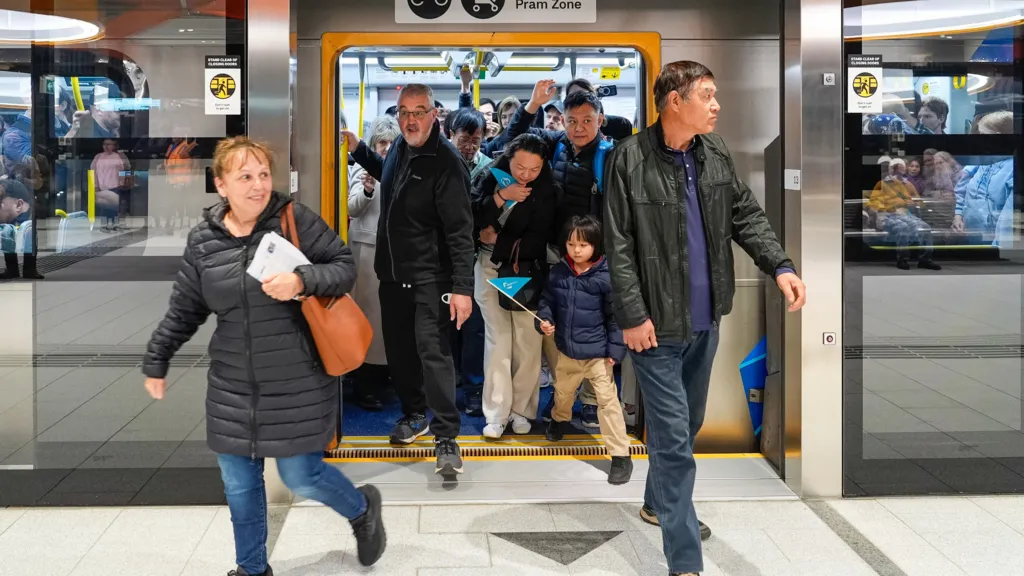
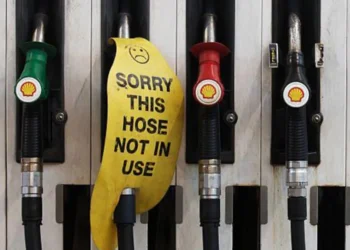
The crisis has been exacerbated by a “perfect storm” of international supply disruptions and localized panic buying, with hundreds of service stations across New South Wales and Queensland reporting that their underground tanks have run dry. To alleviate pressure on the nation’s dwindling fuel reserves, the states of Victoria and Tasmania have moved to make all public transport services free of charge. Victorian Premier Jacinta Allan announced that trains, trams, and buses across her state would be fare-free for at least one month starting tomorrow, while Tasmania has committed to a longer three-month window of free travel on its bus and ferry networks. The Prime Minister has urged commuters in other states to follow suit where possible, framing the shift to public transport as a “national service” that allows limited fuel supplies to be redirected to essential primary producers and the freight industry in regional Australia.
Beyond the relief at the bowser, the government has also moved to protect the logistics sector by reducing the Heavy Vehicle Road User Charge to zero for the same three-month period. This measure is designed to prevent a secondary inflationary spike in the cost of groceries and essential goods, which are heavily reliant on the nation’s trucking fleet. However, the decision has not been without its critics; some economists warn that injecting billions of dollars in subsidies into a fuel-hungry economy could inadvertently fuel further inflation, potentially forcing the Reserve Bank of Australia to consider more aggressive interest rate hikes in the coming months. Opposition Leader Angus Taylor, while welcoming the tax cut, argued that the government was “asleep at the wheel” during the early stages of the crisis and called for more robust long-term domestic energy security.

As the US-Israeli conflict with Iran enters its second month, the Australian government is also taking the unprecedented step of underwriting the purchase of “spot cargoes” of refined fuel from international markets to shore up the national strategic reserve. Energy Minister Chris Bowen introduced emergency legislation to Parliament today that would provide the Commonwealth with the power to intervene directly in private sector fuel acquisitions if supply levels drop below critical thresholds. For the average Australian motorist, today’s announcement offers a temporary reprieve of nearly $20 on a standard 65-litre tank, but with global oil markets remaining highly volatile, the long-term outlook for the “lucky country” remains tethered to the shifting frontlines of a war half a world away.
Related News:
 Global markets face turmoil as Hormuz crisis deepens
 UniCredit’s Bold Move to Reshape European Banking
 UK Wage Growth Slows as Jobs Market Holds Firm
 Modi’s London Visit Seals Historic UK-India Trade Pact Amid Global Tensions
 China’s crackdown on civil servant perks sparks economic concerns
 Shein UK Faces Allegations of Shifting Majority of Profits to Singapore to Reduce UK Tax
 British AI Startup Outshines Human Forecasters in Global Prediction Contest
 Indian Court Deals Legal Setback to Elon Musk’s X in Free Speech Battle
 China warns UK over delayed London mega embassy decision
 Rachel Reeves to lead UK trade push in Saudi Arabia amid rights debate
 UPS Cargo Plane Crash in Kentucky Kills Seven
 US private equity set to acquire UK online retailer Very Group
 Switzerland Rolls Out Charm Offensive to Cut Trump’s 39% Tariffs
 Canada Passes Carney’s First Budget in Tight Parliamentary Vote
 India’s Labour Law Overhaul Sparks Fierce Debate
 Carney’s Alberta Pipeline Deal Sparks Immediate Pushback
 Austrian Airlines Halts Tehran Flights Amid Political Unrest
 Trump Administration Probe of Fed’s Powell Draws Pushback
 ‘Black Tax’: Burden, Pride and Survival for African Workers
 ‘Repatriate the Gold’: Germany Debates Bringing Reserves Home
 UK New Car Discounts Near £6,000 as Prices Are Slashed
 Cuban Cigar Festival Cancelled Amid US-Linked Energy Crisis
 Coles Discounts Under Fire in Federal Court
 Tourism Is Booming in 2026 — Just Not Where You Think
 Reform Plans to Keep UK’s Budget Watchdog in Office
 Tories Call for Rethink of Parliament Revamp Plans
 Netflix and Paramount Are Battling for Warner Bros. — Who Is Likely to Win?
 UK Inflation Rate Falls to 3% in Year to January
 Jenrick: I’ll Back OBR but There’ll Be No More Cosy Consensus
 Another U-turn Ahead as Labour Reconsiders Youth Minimum Wage
 Live Markets Bet on Spring Rate Cut as Inflation Falls
 City Bets on Rate Cuts as Unemployment Soars
 Japan Braces as Takaichi Begins New Term with Huge Mandate for Low‑Tax, Ultra‑Conservative Agenda
 The Chinese AI App Sending Hollywood Into a Panic
 US and Indonesia Finalise Deal to Cut Tariffs to 19%
 US Trade Deficit Hits Fresh High Despite Trump’s Tariffs
 Live Nation Sees Strong Ticket Sales as Monopoly Lawsuit Looms
 ‘We’re Still on Edge’: Toy Firms Look to US Supreme Court as Tariffs Hit Profits
 Etsy Sells Second‑Hand Fashion App Depop to eBay for $1.2bn
 Gold Fever Hits South Africa After Lucky Find in Cattle Pen
 US Will Not Back Out of Tariff Deals with UK and Others, Says Trump Trade Representative
 Trump Tower Gold Coast to Redefine Skyline
 What Now for Asia After Trump’s Tariffs Were Struck Down?
 Ukraine war briefing: Russia exporting more oil now than before war despite sanctions – report
 Trump’s tariff strategy collapse sows global chaos and confusion
 Shein’s Elusive Boss Hails Chinese Roots in Rare Public Appearance
 What Tariffs Has Trump Introduced and Why?
 Bill Gates ‘Took Responsibility’ Over Epstein Ties in Staff Meeting, Foundation Says
 Why Asian Firms Are Not Cheering Trump Tariff Ruling
 Why Asian Firms Are Not Cheering Trump Tariff Ruling
 Oil Prices Rise After Ships Attacked Near Strait of Hormuz
 Flights Cancelled and New Travel Warnings Issued After Iran Strikes
 India and Canada Seal Series of Deals as Carney and Modi Reset Ties
 Oil Prices Surge as Iran War Jolts Markets
 Tehran Makes New Threat to Gulf Shipping as US Says ‘Hardest Hits’ on Iran ‘Yet to Come’
 Limited Flights Leave UAE But Disruption Continues Amid Iran Strikes
 Bars Close and Hundreds Lose Jobs as US Firm Buys BrewDog in £33m Deal
 Tim Wilson Sells Out Controversial Share Market Bet
 Millions of Cubans Plunged Into Darkness Amid Fuel Crisis
 Stock Markets and Oil Prices Still Volatile Over Fears Iran War May Drag On
 Oil Prices Surge Above $100 Amid Iran War
 G7 Weighs Emergency Oil Reserves as Prices Surge
 Gulf Oil Shock Sends Global Economic Ripples
 Iran Rejects Ceasefire, Warns Trump With Chilling Message
 US Says 16 Iranian Mine Ships Destroyed in Hormuz
 Russia Seeks Gains as Iran War Reshapes Global Politics
 Iran War Costs to Be Passed to Consumers, Shipping Boss Warns
 Oil Price Jumps Despite Deal to Release Record Amount of Reserves
 Brazil Floods Warning as Scientists Urge Fossil Fuel Exit
 Asia Scrambles to Confront Energy Crisis Amid Iran War
 Wealthy Britons Flee Gulf War but Avoid UK Taxes
 Close Brothers to Axe 600 Jobs in £85m Cuts
 India’s $300bn Outsourcing Industry Faces AI Test
 Oil Slides, Stocks Jump on Trump Peace Signals
 Australian Growth Slows as Global Inflation Spike Looms
 Trump Faces New Warning Signs as Iran War Hits Home
 Estate of Late Tycoon Mike Lynch to Pay £920m
 PM Seeks to Reassure Australians Over Fuel Supply
 The Strategic Failure of Trump’s Conflict With Iran
 Badenoch Demands Energy Tax Cuts Over ‘Benefit Street’ Bailouts