Published: March 31, 2026. The English Chronicle Desk.
The English Chronicle Online—Providing trusted news and professional analysis for the UK and International Affairs.
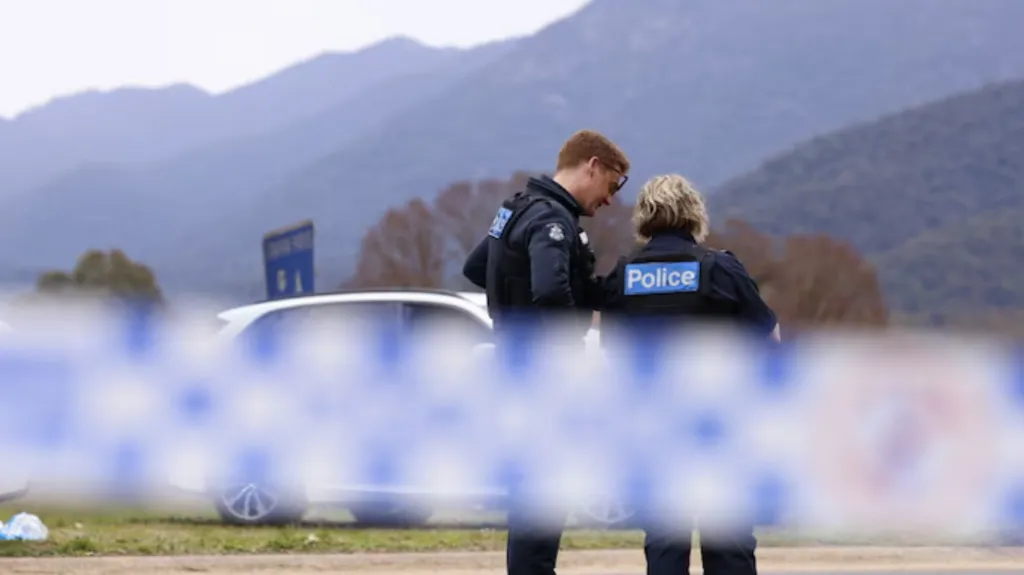
The quiet alpine town of Porepunkah in Victoria’s High Country woke up today to a transformed landscape—one where the heavy weight of a seven-month “dark cloud” has finally begun to lift. Following a tense, three-hour standoff at a remote property in Thologolong yesterday morning, Victoria Police confirmed the death of Desmond “Dezi” Freeman, the 56-year-old self-described “sovereign citizen” who had been the target of the largest tactical police operation in Australian history. For the residents of the Ovens Valley, the news brought a jarring mix of emotions: the shock of the violent conclusion, profound sadness for the families of the two fallen officers, and a desperate, exhaled sense of relief that the “Rambo of the High Country” is no longer haunting the mountain fog.

The manhunt, which began on August 26, 2025, was triggered by the “cold-blooded” murder of Detective Leading Senior Constable Neal Thompson (59) and Senior Constable Vadim De Waart-Hottart (35). The officers were part of a team executing a search warrant at Freeman’s rural property when they were ambushed; a third officer was wounded but survived. Freeman, a man with a known history of anti-government radicalization and expert bushcraft skills, vanished into the rugged terrain of Mount Buffalo National Park immediately after the shooting. For 216 days, he evaded hundreds of specialist officers, drones, and infrared sweeps, leading many to believe he had either perished in the winter snow or been harbored by a network of “sovereign” sympathizers.
The end came at 8:30 a.m. on Monday, March 30, at a property approximately 100km north of where the original tragedy occurred. Tactical police from the Special Operations Group (SOG) surrounded a makeshift shelter—described as a cross between a shipping container and a caravan—following a fresh lead. Despite a three-hour negotiation period in which police pleaded for a peaceful surrender, Freeman emerged armed with a firearm, reportedly one taken from the slain officers in August. He was shot dead in the ensuing confrontation. “It’s over,” said Victoria Police Chief Commissioner Mike Bush. “The search has ended, but the healing for our force and this community is only just beginning.“
In Porepunkah, the atmosphere today is somber. The town has endured a grueling seven months characterized by lockdowns, checkpoints, and the constant thrum of police helicopters. Local shopkeepers spoke of a “pervasive unease” that had settled over the region, with families afraid to let their children play in the bushland that Freeman knew so well. “There’s no cheering here, just a lot of people hugging each other,” said one local cafe owner. “We’ve lived with a monster in the woods for half a year. To know he’s gone is a relief, but the cost—those two young men who never went home to their families—is something this town will never forget.“

As the Victorian Coroner begins the formal identification process and Professional Standards Command investigates the shooting, the focus has shifted to the “shadows” Freeman left behind. Detectives are now investigating whether the fugitive received assistance during his months on the run, particularly during the fierce bushfires that swept through the Walwa area in January. With the oil price at $116 and the national conversation dominated by global instability, the resolution of the Porepunkah manhunt serves as a stark, domestic reminder of the dangers of radicalization. For the people of the High Country, the sirens have finally stopped, but the silence that follows is filled with the names of Thompson and De Waart-Hottart.
Related News:
 ‘Staggeringly Stupid’ Man Jailed After Tattooing Children
 Suspect in Rhode Island Ice Hockey Shooting Killed Ex‑Wife and Son
 Epstein Eyed Record Label Investment to Access Women, Files Suggest
 Inside Kyiv’s resolve as conflict nears five‑year mark
 US Partially Evacuates Beirut Embassy Amid Rising Iran Tensions
 Wealthy Parents Play Dead After Son Hires Hitman to Kill Them
 Ecuador Deploys 75,000 Forces in Anti-Gang Drive
 Spanish woman dies by euthanasia after long legal battle
 Trump Administration Dismisses 17 Immigration Judges, Sparking Debate Over Judicial Independence
 Northern Ireland Family of Three Shot Dead in Maguiresbridge Home Incident
 Jailed Georgian Opposition Leaders Warn UK of Iranian Links to Ruling Party
 Johnson Approved China’s London ‘Super-Embassy’ in 2018
 Just Stop Oil Protesters Convicted Amid Climate Defence Row
 China-critical UK academics face ‘extremely heavy’ pressure from Beijing
 Trump Urges Herzog to Grant Netanyahu Full Pardon
 US Justice Department Files Lawsuit Against California Over Partisan Voting Maps
 Oklahoma Governor Grants Last-Minute Clemency to Death Row Inmate
 Trump Deploys DHS to Charlotte in Major Arrest Operation
 Tokyo court rules Japan’s same-sex marriage ban constitutional
 Chinese & Japanese Boats Clash Near Disputed Islands
 Indonesia to Repatriate Two Dutch Drug Convicts
 Emails Show Epstein Funded Mandelson’s Husband After Jail
 US Military Says Two Killed in Strike on Alleged Drug Boat in Eastern Pacific
 Motorists Could Face ‘Mandatory’ Driving Ban for Road Offences Under Tougher Laws
 Disability and LGBT Hate Crimes Set to Become Aggravated Offences
 Snow and Rain Warnings as Cold Snap Continues in the UK
 Last‑ditch Call to Save Police Front Counters in London
 Jet2 Hands Passengers Life Ban After Mid‑Air Brawl
 Dual Nationals Face Scramble for UK Passports as New Rules Come Into Force
 Nine Arrested in France Over Death of Far‑Right Student
 Desperate Hunt for Breakthrough in Nancy Guthrie Case Turns to Mexico
 How Much Could Andrew’s Arrest Hurt the Royal Family?
 Revealed: The Billions Given to Charity by Ordinary Indians Every Year
 Epstein Files Could Be Just Tip of the Iceberg for Andrew Investigation
 Man Guilty of XL Bully Offence After Fatal Attack
 Australian Presenter Apologises for Drinking Before Slurred Olympics Report
 Live Nation Sees Strong Ticket Sales as Monopoly Lawsuit Looms
 ‘We’re Still on Edge’: Toy Firms Look to US Supreme Court as Tariffs Hit Profits
 ‘We Pray for Peace’: Indian Filmmaker From Troubled State Who Won a BAFTA
 Sadistic Pair Jailed for Blowing Up Sheep
 ‘I reported rape in Hong Kong, now I could face prison’
 Sydney kidnapping mystery deepens as grandfather’s remains found after mistaken abduction
 Australians Arrested Over Alleged Murder of Grandfather Mistakenly Kidnapped
 US ‘Suitcase Murderer’ Deported From Bali After 11 Years in Jail
 Grave of Murdered Toddler James Bulger Vandalised
 ‘I Want to Find the Man Who Saved Us from Drowning’
 US Senate Vote Fails to Rein in Trump War Powers on Iran
 Travellers’ Mobile Home Burnt Down Overnight in Suspected Arson Attack
 Why Aren’t Our Dirtiest Roads Getting Cleaned?
 ‘Every Day Feels Like a Month’: Iranians Describe Life Under ‘Constant’ US‑Israeli Strikes
 Manchester Students Mourn Ayatollah Amid Protest
 Family of Girl Groomed by Ian Huntley Beg Medics to Save His Life
 Tears and Cheers as Controversial Long‑Running Australian Breakfast Radio Show Implodes
 My One-Hour Flight Transfer Left Me Facing 10 Days Stuck in a City Under Attack
 Alleged Bondi gunman seeks order to suppress family’s identity
 Gran Vows to Shield Huntley’s Daughter From Soham Killer’s Funeral
 Mother of Child Cancer Survivor Fears UK Visa Changes
 Queensland Protest Laws Spark Free Speech Backlash
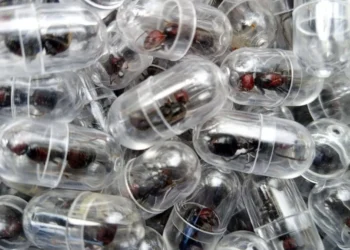 Chinese National Arrested Over Attempt to Smuggle 2,000 Queen Ants From Kenya
 China Approves ‘Ethnic Unity’ Law Requiring Minorities to Learn Mandarin
 Rapist Caught After Victim Calls Police Mid-Attack

 Children’s Author Convicted in Husband Poisoning Case
 Missing Cuba-Bound Aid Ships Spark Urgent Search
 Belarus Leader Gifts Rifle to Kim Jong Un
 Families Tortured by Authorities During Investigations Inquiry Told
 Horror in the Outback as Crocodile Kills World-Renowned Doctor
 Watchdog Probes Police Handling of Andrew Tate Abuse Claims
 Dawn Raids in Scotland and Spain: Eight Arrested in Major Organised Crime Sting
 ‘F***, We’re Dead’: The Chilling Final Words from the Air France 447 Cockpit
 US Lawmaker Demands Testimony Over Sarah Ferguson’s ‘Close Epstein Ties’
 The Last of the Lords: Two Hereditary Peers to Retain Ceremonial Roles Amid Historic Ousting
 Trust in Turmoil: Just Eat and Autotrader Among Firms Probed Over Fake Reviews
 ‘My Daughter is Under the Rubble’: The Human Cost of the Tehran Strikes
 ‘Eye in the Sky’ Blinded: Photos Reveal Destroyed US Radar Jet at Saudi Base
 ‘Full and Immediate Access’: Netanyahu Reverses Palm Sunday Ban on Latin Patriarch
 Child Focus Is Biggest Change to Family Courts in 30 Years, Senior Judge Says
 Woman Deported from China Over Manx Passport Mix-Up
 I’ve Lived in a French Village for 35 Years. This is Why They are So Special.
 Michel Rolland: The ‘Spielberg of Wine’ Who Directed the Global Palate