Published: 31 March 2026. The English Chronicle Desk. The English Chronicle Online.
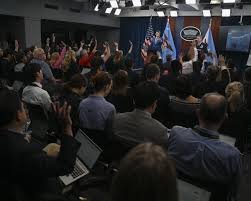
The corridors of power in Washington D.C. have become the backdrop for a startling legal confrontation that pits the fundamental rights of the free press against the stringent security protocols of the United States military establishment. At the heart of this intensifying dispute is a new and controversial media policy implemented by the Pentagon which has drawn the sharp ire of Federal Judge Paul Friedman. During a recent and high-stakes hearing in a district court, the veteran judge did not mince his words when describing the latest set of restrictions placed upon journalists. He openly questioned the logic behind the new rules, at one point labeling the situation as being deeply weird and reminiscent of the bureaucratic nightmares found in the works of Franz Kafka. The tension in the courtroom was palpable as the judge sought to understand why seasoned reporters were being met with such baffling administrative hurdles in their daily work.
The legal battle originally intensified after Judge Friedman struck down key components of a previous Pentagon media policy on 20 March of this year. Despite that judicial victory for news organizations, the Pentagon quickly pivoted by introducing a revamped set of guidelines that critics argue are even more restrictive than the ones they replaced. At a follow-up hearing this past Monday, the judge stopped short of ruling on a specific motion filed by the New York Times which sought to force the government into immediate compliance with his earlier decision. However, his skepticism regarding the government’s current stance was evident throughout the proceedings as he focused on the practical difficulties now facing the media. He seemed particularly troubled by the bizarre logistical arrangements offered to seven specific New York Times reporters whose press access badges he had previously ordered to be returned by the Department of Defense.
The backstory to this conflict involves a principled stand taken by the New York Times and dozens of other prominent news organizations last autumn. These outlets collectively decided not to sign on to a series of new restrictions implemented by the Pentagon under the current administration, choosing instead to return their long-held permanent building passes. This act of defiance eventually led to a lawsuit against the administration, with the Times arguing that the new rules were a direct violation of the First Amendment. The current friction centers on where these reporters are allowed to work while on the Pentagon grounds. One reporter, Julian Barnes, provided a statement explaining that he was told library space was available for use while a new permanent media center was being constructed. Yet, when he attempted to utilize this space, staff members in the Pentagon Press Office reportedly claimed they were unsure how he could actually gain entry.

This specific breakdown in communication prompted Judge Friedman to ask the courtroom what exactly was going on within the walls of the world’s largest office building. He questioned whether the situation had devolved into a classic Catch-22 scenario where the rules were designed to be impossible to follow. The judge noted that such a confusing environment hardly seemed consistent with the constitutional right of access that the press is supposed to enjoy in a democratic society. In response to these pointed questions, lawyers representing the government attempted to smooth over the controversy by stating that a new decision had been made. They informed the court that the New York Times reporters would now be permitted to use a dedicated Pentagon shuttle to reach the library, though this solution did little to calm the concerns of the legal team representing the journalists.
Theodore J. Boutrous Jr., a prominent lawyer representing the New York Times, was forceful in his condemnation of the Pentagon’s latest tactics during the hearing. He charged that the administration was brazenly and blatantly flouting the clear orders of the court by announcing the closure of the traditional press area known as the Correspondents’ Corridor. Furthermore, he highlighted a new requirement that mandates all journalists be escorted by a Pentagon staff member whenever they move around the building. According to Boutrous, these cumulative changes have effectively rendered the hard-won press credentials as little more than worthless and meaningless pieces of plastic. He argued passionately that no court order or injunction seemed enough to stop the administration from its goal of curtailing independent reporting on military activities, suggesting that the very essence of the First Amendment was at stake.
Judge Friedman also expressed a deep sense of alarm regarding the potential for journalists to be penalized simply for performing their professional duties. He was particularly concerned about a clause in the new policy which suggests that a reporter’s press pass could be put at risk if they offer anonymity to a Pentagon employee. The policy implies that by granting anonymity, a journalist is demonstrating a conscious knowledge that the employee is not authorized to disclose the information in question. The judge remained highly skeptical of this logic, pointing out that there are countless legitimate reasons why government officials might request to speak off the record. He noted that sources often seek anonymity out of a well-founded fear of professional retribution or because their superiors might disapprove of the transparency, rather than an intent to leak classified data.
This aspect of the policy could create what legal experts often call a chilling effect, where the fear of punishment prevents the flow of important public information. However, Timothy Parlatore, a figure who played a central role in designing these revamped restrictions, defended the measures to reporters outside the courtroom. He insisted that the rules do not strictly bar questions but are instead intended to prevent journalists from attempting to pressure reluctant staff members into revealing sensitive information. Parlatore argued that once an employee has declined to talk, a reporter should not be allowed to entice them further by offering the shield of anonymity. He clarified that the Pentagon does not intend to comb through every published article to identify anonymous sources, but they will take action if an employee reports that a journalist tried to solicit classified information.
When asked about the judge’s references to literary metaphors like Catch-22, Parlatore dismissed them as being based on creative and fictional interpretations of the policy by the New York Times legal team. From his perspective, the primary goal of the new framework is to fulfill a statutory obligation to reduce the frequency of classified information leaks, which he claimed had become a significant issue for the department. He even went as far as to claim that the implementation of the policy has already shown positive results by leading to a measurable decrease in unauthorized disclosures. This justification, however, does little to satisfy those who believe that the public’s right to know about military operations should not be sacrificed in the name of administrative convenience or overly broad security concerns.
As the hearing drew to a close, Judge Friedman requested that government lawyer Sarah Welch submit a detailed brief by the end of the day to explain the case law basis for creating this new policy. The timing of this legal battle is particularly sensitive given the ongoing involvement of the United States in the war on Iran. Boutrous emphasized that time is of the essence because the American people are currently being shut down from receiving vital information during a period of active conflict. The outcome of this case will likely set a major precedent for how much control the government can legally exert over the media in sensitive environments. For now, the reporters at the Pentagon remain in a state of professional limbo, navigating a system that the court itself has found to be increasingly difficult to justify.
Related News:
 BBC to Apologise Over Edited Trump Speech Amid Backlash
 Britain deploys RAF specialists to assist Belgium with drone threats
 Palace May Restore Hyphen to Andrew Mountbatten-Windsor’s Name
 Greene Pushes Epstein Files Amid Trump Fallout
 December Run-Off in Chile as Election Produces No Winner
 Zelenskyy Signs Fighter Jet Deal Amid Russian Drone Attacks
 Canada Passes Carney’s First Budget in Tight Parliamentary Vote
 Shadow Fleet at Sea: Europe’s Battle Against Illicit Oil Shipping
 Tiny Curacao Makes History as Smallest Nation to Reach World Cup
 Deadly Russian Strikes Hit Western Ukraine, 20 Killed in Ternopil
 Ukraine Peace Plan: Zelensky Ready for Dialogue
 Royal Navy Shadows Russian Warships Entering the Channel
 US Suspends Afghan Immigration After White House Shooting
 Georgians Defy Government Crackdown After Year of Protests
 Tokyo court rules Japan’s same-sex marriage ban constitutional
 ‘Extinct’ Antelope Returns to Sahara, Bringing Hope
 American Mother Extradited From UK to U.S. on Murder Charges
 Irish Beach Tragedy: Irish Drown at Whitehaven Beach in Australia
 Sanctioned oil tankers sail Channel amid Russia scrutiny
 US and UK Withdraw Personnel as Middle East Tensions Rise
 Half the World’s Largest Cities Face Rising Water Stress
 Pentagon Signals Reduced Role in Deterring North Korea
 UK and US Drop in Global Corruption Index Rankings
 SA Police Intensify Search in Gus Lamont Case
 Canberra Poster Seizure Sparks Free Speech Row
 Evo Morales Returns After Mysterious Absence
 El Mencho Killed as Mexico Faces Violence
 Australian children in Syria deserve safe return
 Greenpeace $345m Ruling Sparks Appeal Battle
 Jacinda Ardern Moves To Australia Following Her US Fellowships
 Jacinda Ardern Move Sparks Kiwi Reflection
 Middle East Airspace Crisis Strands Thousands
 Nick Greiner Warns Over Election Review Fallout
 Kelly Wilkinson Inquest Reveals Bail Failure
 Tehran Strikes Mark War’s Most Devastating Night
 Injured Mojtaba Khamenei Elevated as Iran Leader
 Gordon Brown urges court for crimes against children
 Gaza Detainee Abuse: Israel Drops Charges Against Soldiers
 The Kill Line: A Shifting Vision of the American Dream
 Pakistan Targets Militant Hideouts in Afghanistan
 ICE detention warning sparks fear among immigrants
 Air Canada CEO Faces Outcry Over Recent Language Misstep
 Extreme Weather: Europe Shivers as Cyclone Narelle Hits
 Army Probes Apache Flyover at Kid Rock’s Nashville Estate
 Artemis II: Humanity Returns to the Moon After Decades
 Nuns of Schloss Goldenstein Move Closer to Staying Home
 Italian Town Buys Mussolini Villa to Keep Away Fascist Fans
 Report Says Pezzullo Acted ‘Recklessly’ in Dealings
 Trump and Tehran Find Common Ground in Landmark Ceasefire
 Trump Employs Nixon’s Madman Theory Amid Iran Crisis
 Singapore Pledges Stable Fuel Supply for Australia
 Suspected Plot Targets Pipeline Before Hungary Vote
 Reeves Slams Trump Over Iran War Lack Of Exit Plan
 Learner Driver Charged After Expo Tragedy
 Coalition pushes fossil fuel phaseout plan
 Trump approval plunges amid Iran war fears
 Ohio’s Battle for Trust: Democrats Vying to Flip the Buckeye State
 US ‘Narco Boat’ Strikes Draw Global Outcry
 FIFA Confirms Global Ban for Benfica Star Prestianni
 US Awaits Iran Reply on New Ceasefire Proposal
 US and Mexico Face Heatwave as Floods Batter South Africa
 Putin Signals War End as Russian Momentum Stalls
 Australia Welcomes the Iconic Michelin Guide
 Scepticism and tight security as Beijing braces for Trump
 Philippine Senator Flees After Days Under Senate Siege
 Tensions Flare as Israeli Nationalists March in Jerusalem
 High Street Crisis: Fears Grow Over Post Office Closures
 Xi Hosts Putin for Talks Right After Trump Visit
 Fragile Truce Shattered as Violence Escapes Diplomatic Control
 Oil Markets Face ‘Red Zone’ Threat Amid Iran Crisis
 Pope Meets Families in Italy Toxic Waste Zone
 Discontent grows around Putin amid war strain
 US Strikes Iranian Sites Amid Shaky Ceasefire Talks
 Starmer Leadership Under Pressure After Setbacks
 Papal Visit Offers Political Lifeline to Spanish Premier
 Aukus Deal Facing Fierce Backing and Historic Criticism
 Thai Princess Bajrakitiyabha Passes Away at 47
 Le Pen to Run for President Despite Embezzlement Conviction
 Ukraine Creates Long-Range Strike Command
 Houthis Strike Saudi Arabia as Middle East Tensions Rise