Published: 31 March 2026. The English Chronicle Desk. The English Chronicle Online.
The bustling streets of Manila have long been defined by the vibrant hum of tricycles and jeepneys. Today that iconic sound carries a much heavier weight for the men behind the handlebars and wheels. Jayson Naga is one of many tricycle taxi drivers currently struggling to navigate this harsh new reality. He typically works long hours to bring home a modest daily sum for his four children. This income used to provide a simple but stable life for his young family in the city. However, the global surge in fuel prices has now reached a critical and devastating tipping point. Jayson requires four litres of gasoline every single day to keep his small vehicle moving forward. Recent spikes in oil costs have effectively wiped out nearly a third of his daily earnings. He stares at the rising numbers on the fuel pump with a sense of pure dread. If the price of gas goes up any further there will be nothing left for them. His family has already sacrificed their only luxury of visiting air-conditioned malls on the warm weekends. Those trips were a brief escape from the tropical heat that they can no longer afford.
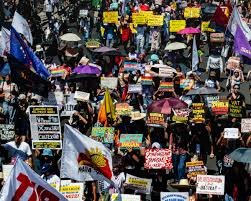
The Philippines currently finds itself in the grip of a truly unprecedented national energy emergency. The country relies almost entirely on crude oil imports sourced from the volatile Middle East region. Geopolitical conflicts have triggered a massive global supply crunch that is felt most acutely in Manila. The government recently took the historic step of declaring a formal state of emergency over fuel. Public outcry regarding the soaring prices and supply shortages has now spilled onto the urban streets. Transport workers are the individuals facing the most immediate and painful brunt of this economic crisis. Hogan Ruben is another driver who spends his life navigating the dense traffic of the capital. He now finds himself forced to spend an extra five hours on the road every day. This grueling schedule is the only way he can earn enough to feed his hungry family. He leaves his home early and stays out until well past midnight to make ends meet. There is no other choice but to keep grinding through the exhaustion and the rising costs.

President Ferdinand Marcos recently addressed the nation to offer some reassurance regarding the dwindling national inventory. He stated that the government has secured enough crude oil for domestic processing through June thirty. This announcement comes as the administration scrambles to find alternative energy sources across the globe. Recent shipments from Russia have arrived to help stabilize the immediate domestic supply for the public. Despite these efforts the anger felt by the local population remains incredibly palpable and very visible. Last week several major transport groups organized a nationwide strike to demand immediate and significant relief. They are calling for the total scrapping of fuel excise taxes to lower costs at pumps. They also want the government to repeal the long-standing oil deregulation law to gain more control. Mody Floranda serves as the president of the influential transport group known as Piston in Manila. He has been a vocal critic of the administration and its perceived lack of effective action. He questions how workers can survive on low wages while fuel prices continue to climb rapidly.
The current situation is being described as both a human rights crisis and an economic disaster. Edgardo Cabalitan works for a non-governmental organization and has joined recent protests at large gas stations. He believes the oil crisis strikes directly at the fundamental human rights of every Filipino citizen. As fuel prices rise the cost of every basic good and service inevitably follows that trend. This affects the livelihoods of drivers and the ability of the poor to access basic needs. During recent protests passing jeepneys blared their horns in a powerful show of solidarity with demonstrators. This collective noise reflects a growing frustration that transcends the transport sector and hits every household. Academic experts also share this grim outlook for the immediate future of the Philippine national economy. Jan Carlo Punongbayan is a respected assistant professor at the University of the Philippines School of Economics. He warns that the crisis will likely get much worse before any signs of improvement appear. Some global estimations suggest that crude oil could soon reach two hundred dollars per barrel soon.
The indirect effects of inflation are expected to be quite severe for the general Filipino public. The government is currently bracing for double digit inflation rates to arrive by the coming May. Such high levels of inflation have not been seen in the country for many many years. Even the global pandemic did not cause this level of rapid and sustained price increases locally. Beyond the fuel pumps the pain is expected to hit the dinner tables of families next. Professor Punongbayan noted that the current harvest season has temporarily tempered the impact of the crisis. However he expects food prices to start rising rapidly once the harvest period officially concludes soon. Higher transport costs will make moving agricultural goods from farms to cities much more expensive today. While the crowds in luxury shopping malls have thinned out the grocery stores remain very busy. Shoppers are filling their baskets with basic necessities in a manner that recalls pandemic-era panic buying. Everyone is trying to stock up before prices climb even further out of their modest reach.
The digital landscape is also buzzing with discussions about long-term survival and alternative energy solutions. Social media users are actively debating the merits of solar panel installations for their private homes. There is also a renewed interest in the viability of electric vehicles for public transport use. However the desperate nature of the situation has also brought out some of the worst behaviors. At a gas station in Quezon City a pump attendant suffered a very significant financial loss. A driver of an expensive SUV sped away without paying for a full tank of fuel. The attendant was forced to shoulder the nearly one hundred dollar bill from his own pocket. Local police have promised to review CCTV footage to find the individual responsible for this theft. Such incidents highlight the growing tension and lawlessness that often accompany sudden and sharp economic shifts. Amidst the gloom there are also beautiful stories of community resilience and traditional Filipino spirit. Maginhawa Street has become a focal point for a new wave of grassroots public support.
Donations of food packs from generous members of the public began arriving at street corners last week. These areas are where drivers like Jayson and Hogan wait for their next paying passenger daily. On a recent Sunday they each received a pack of rice and some fresh local eggs. These packs also contained noodles and canned goods to help sustain their families for several days. This marks the return of the community pantries which first gained fame during the global pandemic. This community-led project was originally initiated by residents of the Maginhawa neighborhood to help the poor. Now more than a dozen similar pantries have popped up across the nation to offer help. They provide a vital lifeline to transport workers who are currently struggling to buy basic food. For drivers like Jayson seeing the community pantry return provides a much-needed sense of real hope. It reminds them that they are not alone in this fight against rising global costs. While the road ahead remains uncertain the spirit of the people stays remarkably strong today. The world watches as Manila navigates this perfect storm of energy shortages and rising social costs.
Related News:
 Gambia Supreme Court Hears Case to Overturn FGM Ban
 Canada-China trade gains momentum in new strategic partnership
 India-EU Free Trade Deal Marks Historic Economic Shift
 Iran Death Toll Crisis Exposed: Bodies, Mass Graves, and Concealment
 Keir Starmer meets Xi to strengthen UK-China economic relations
 Files Link Andrew to Epstein Dinner After Prison Release
 Thousands Protest ICE in New York Against Trump Deportation Campaign
 UK Experts Raise Alarm Over Machinery Export to Armenian Firm
 Concerns rise for Canberra boy amid Iran detention fears
 Brazilian Politician Brothers Sentenced for Marielle Murder
 Anthony Albanese Must Uphold Rights for All Australians
 Woman Executed in Somalia Sparks Debate on Justice System
 Uganda Crackdown: Two Women Arrested for Public Kissing
 Caffè Nero Warns Coffee Prices May Rise Again
 Abramovich Chelsea Sale Cash Faces Jersey Probe
 Stocks rise as Trump offers Iran peace plan
 Police Seek Immunity in Indigenous Custody Death Case
 US Military Weighs Perilous Moves to Reopen Hormuz
 IMF Predicts Global Economic Crisis Due to Gulf Unrest
 Trump Slams Europe as Transatlantic Tensions Boil Over
 UN Warns Israeli Death Penalty Bill Could Be a War Crime
 Spain Faces Backlash Over Xenophobic Chants in Egypt Draw
 A Global Voice For Justice: Stephen Lewis Dies At Age 88
 Trump Issues Stark Warning After Strike On Iran’s Largest Bridge
 Artist Sues in Paris Over Israeli Strike Killing Parents
 Middle East Conflict Sparks Global Food Price Surge
 Bondi Nanny Adriana Rivas to Face Extradition to Chile
 Queensland Youth Justice Debate: The Data Behind the Law
 Albanese Flies to Singapore to Bolster Fuel Security
 Gaza Child Arrives in UK for Life-Changing Care
 Brisbane Rideshare Driver Faces Serious Assault Charges
 Tragedy in the Channel as Four Lives Lost in Boat Sinking
 Norwegian Group Eyes South Yorkshire Steel Revival
 Kyiv and Odesa Mourn After Deadly Wave of Russian Strikes
 France Urges Release of Elderly Widow Held by ICE
 Ian Katz to Step Down as Channel 4 Content Chief
 Middle East Conflict Risks UK Food Supply Chains This Summer
 Cost of Conflict: UN Warns of Lost Lives in Iran War
 Trump Weighs Sending Afghan Allies to the Congo
 Prominent Voices Challenge Palestine Action Ban
 BP Profits Surge Amidst Middle East Conflict Crisis
 Ukraine Urges UK to Seize Russian Oil Tankers
 US Calls Australia Media Law “Foreign Extortion”
 Standoff Over Syria: Australia Defies Trump Repatriation Plea
 Desperation in Odisha: A Brother’s Grim Bank Protest
 Activists allege abuse after Gaza flotilla seizure
 Australia Faces Rising Tide of Modern Antisemitism
 Europe’s AI Sector Faces Sovereignty Crisis Over US Deals
 Security Failures and the Road to the Bondi Inquiry
 Trump Offers EU Independence Day Deadline For Trade Deal
 Mexico’s Missing: State Complicity in a Growing Crisis
 US Cities See 42% Drop in Canadian Visits Under Trump 2.0
 Nobel Laureates Demand Release of Activist Narges Mohammadi
 Plea for Mercy: The Battle to Bring Ahmed al-Doush Home
 Big Tobacco Under Fire Over Controversial New Ad Campaign
 Court Upholds Landmark Win for Transgender Rights
 Taliban Codifies Strict New Marriage and Divorce Legislation
 Israeli Strikes in Lebanon Kill 10 Amid Ceasefire Strain
 US judge dismisses Kilmar Abrego Garcia indictment
 China mine blast death toll rises to 90
 UK Urged to Build EU Rejoin Consensus, Says Miliband
 Former ICC prosecutor condemns US sanctions
 Cash Registers Stall Japan’s Promised Food Tax Relief
 Trump Floats Fresh Tariffs on 60 Nations Over Forced Labour
 The Exploding Australian Black Market For Nicotine
 Trump Faces Legal Blow Over Global Tariffs
 Silenced Stitches: The Cost of Memory in Hong Kong
 Japan Suffers Plastic Shortage Due to Middle East Crisis
 Steel Tensions Rise Between United Kingdom and European Union
 Levi’s Sues Globe Over Infringing Pocket Tabs
 BYD Aims for Global Car Supremacy Within Five Years
 Vision Lost Amid the Rubble of Modern Conflict
 Controversial London Property Show Sparks Legal Fury
 Trump Signs Historic Iran Peace Plan to Avert Depression
 Remote Mine Sites Face Deep Culture Crisis
 US Supreme Court Rejects Trump Attack on Birthright Law
 UK Charity Funds Illegal Hebron Settlement Expansion
 Ukraine Creates Long-Range Strike Command
 Inflation Eases to 3.5% Amid Fragile US-Iran Tensions
 Taliban global ties grow as rights fears mount