Published: March 31, 2026. The English Chronicle Desk.
The English Chronicle Online—Providing trusted news and professional analysis for the UK and International Affairs.
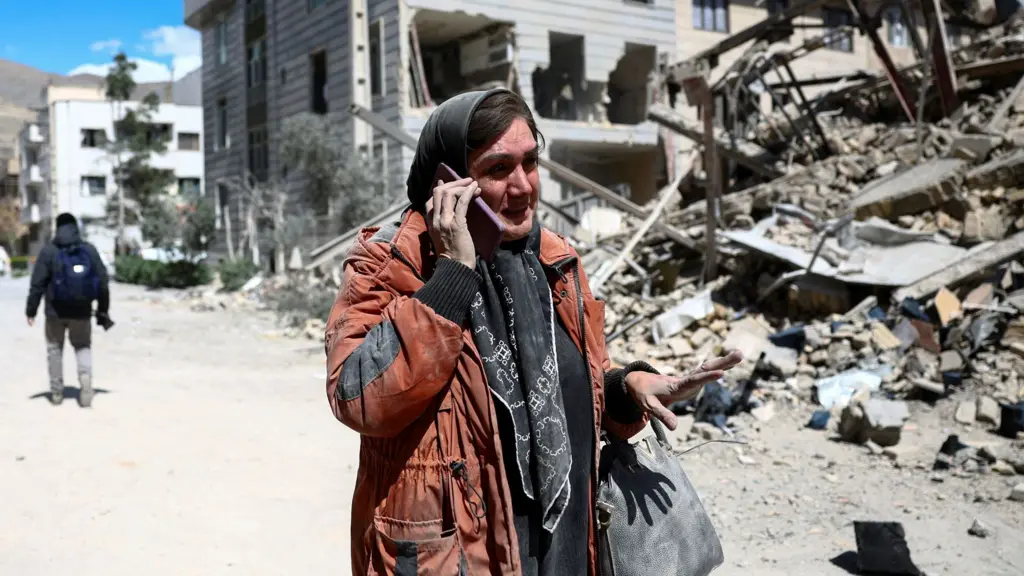
In a landmark address from Jerusalem on Monday, Prime Minister Benjamin Netanyahu declared that the joint U.S.-Israeli military campaign against Iran is now “beyond the halfway point” in achieving its strategic objectives. Speaking as the conflict enters its fifth volatile week, Netanyahu emphasized that the mission—codenamed Operation Epic Fury—has succeeded in “systematically degrading” the Islamic Republic’s military industrial complex and command structure. “In terms of missions, not necessarily time, we are past the midway mark,” Netanyahu clarified, urging international allies to remain resolute despite a “war of attrition” currently unfolding in the Persian Gulf.

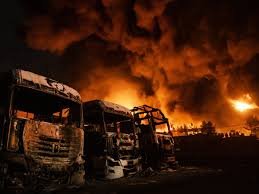
The Prime Minister’s progress report coincides with a significant escalation in maritime hostilities. Early Tuesday morning, Dubai authorities confirmed that a fully loaded Kuwaiti crude oil tanker, the Al Salmi, was struck by an Iranian suicide drone while anchored at Dubai Port. The attack sparked a major fire on board the vessel, which was carrying approximately 2 million barrels of oil. While maritime firefighting teams successfully extinguished the blaze with no reported injuries or oil leakage, the strike sent shockwaves through global energy markets. US crude futures jumped $3.00 (2.9%) to $105.91 per barrel within hours of the incident, reflecting deep-seated fears over the security of the world’s most vital energy chokepoint.
Netanyahu’s “halfway” assessment suggests that while the initial “decapitation strikes” on February 28 successfully targeted senior leadership, the war has transitioned into a grueling phase of infrastructure neutralization. The Prime Minister claimed that the “stormtroopers” of the IRGC have been hit “very hard,” and that the alliance is “close to finishing” Iran’s domestic arms industry. However, geopolitical analysts warn that the Iranian regime, now in a fight for its existential survival, has pivoted to a “depletion strategy.” By launching waves of low-cost drones against civilian infrastructure and tankers in the Gulf, Tehran aims to force the U.S. and Israel to expend their finite stockpiles of expensive air defense interceptors.
The attack on the Al Salmi has effectively ended any lingering neutrality among the Gulf Cooperation Council (GCC) states. Following the strike in Dubai waters and recent attacks on energy facilities in Saudi Arabia and Kuwait, the GCC has officially labeled Iranian aggression a “turning point.” The rhetoric from Riyadh and Abu Dhabi has shifted from calls for “restraint” to demands for a “decisive conclusion.” This alignment is fueling talk of a “Middle East NATO,” as regional powers increasingly view the weakened Iranian regime as a source of terminal instability that can no longer be contained through diplomacy.

As the oil price hovers at $116 (peaking briefly higher following the Dubai strike), the global economic fallout is becoming the primary concern for Western leaders. While Netanyahu remains focused on “maximalist objectives”—including the total elimination of Iran’s intercontinental ballistic missile threat—the White House is reportedly pushing for a diplomatic “off-ramp” before an April 6 deadline. With the Al Salmi currently being assessed for structural damage in Dubai, the “beyond halfway” mark feels like a precarious threshold; the path to the finish line appears increasingly blocked by the smoke of burning tankers and the rising cost of a regional war that refuses to stay within its borders.
Related News:
 Shein’s Elusive Boss Hails Chinese Roots in Rare Public Appearance
 Why Asian Firms Are Not Cheering Trump Tariff Ruling
 Why Asian Firms Are Not Cheering Trump Tariff Ruling
 India and Canada Seal Series of Deals as Carney and Modi Reset Ties
 Modi’s London Visit Seals Historic UK-India Trade Pact Amid Global Tensions
 China’s crackdown on civil servant perks sparks economic concerns
 Shein UK Faces Allegations of Shifting Majority of Profits to Singapore to Reduce UK Tax
 British AI Startup Outshines Human Forecasters in Global Prediction Contest
 China warns UK over delayed London mega embassy decision
 UPS Cargo Plane Crash in Kentucky Kills Seven
 Canada Passes Carney’s First Budget in Tight Parliamentary Vote
 India’s Labour Law Overhaul Sparks Fierce Debate
 US Citizens Warned to Venezuela Flee Amid Paramilitary Threats
 Gulf states warn Trump Iran strikes risk wider Middle East war
 Machado Trump medal gesture reshapes Venezuela power struggle
 Greenland defence seen as shared Nato duty amid troop arrivals
 Canada-China trade gains momentum in new strategic partnership
 Trump Receives Machado’s Nobel Medal in White House Meeting
 Syria President Declares Victory as Ceasefire Reached with SDF
 US Considers Asylum for British Jews Amid Rising Antisemitism
 Russia Strikes Kyiv and Kharkiv as Peace Talks Enter Day Two
 UK New Car Discounts Near £6,000 as Prices Are Slashed
 Emails Show Epstein Funded Mandelson’s Husband After Jail
 Fears of New Arms Race as US-Russia Nuclear Weapons Treaty Expires
 US Military Says Two Killed in Strike on Alleged Drug Boat in Eastern Pacific
 Venezuela’s Opposition Says Party Leader Kidnapped Hours After Being Freed
 Christchurch Shooter Seeks to Overturn Guilty Plea in Appeals Court
 Iran Says ‘Guiding Principles’ Agreed With US at Nuclear Talks
 Netflix and Paramount Are Battling for Warner Bros. — Who Is Likely to Win?
 Ukraine Peace Talks End in Acrimony After Two Hours
 Indian University Kicked Out of AI Summit for Claiming Chinese Robot Dog as Its Own Invention
 India Sentences Three Men to Death for Attack on Israeli Tourist and Hosts
 The Chinese AI App Sending Hollywood Into a Panic
 UK Has Not Given US Permission to Use RAF Bases for Iran Strikes
 Live Nation Sees Strong Ticket Sales as Monopoly Lawsuit Looms
 ‘We’re Still on Edge’: Toy Firms Look to US Supreme Court as Tariffs Hit Profits
 Uncertainties Loom for Businesses and Consumers After Trump’s Tariff Changes
 US Will Not Back Out of Tariff Deals with UK and Others, Says Trump Trade Representative
 What Now for Asia After Trump’s Tariffs Were Struck Down?
 Drugs, Denial, Stigma: Fiji’s HIV Crisis Hits Children
 Ukraine war briefing: Russia exporting more oil now than before war despite sanctions – report
 Trump’s new tariff takes effect at lower than expected rate
 Bill Gates ‘Took Responsibility’ Over Epstein Ties in Staff Meeting, Foundation Says
 US ‘Suitcase Murderer’ Deported From Bali After 11 Years in Jail
 Canada’s Finance Minister Says US Unlikely to Lift Tariffs
 Oil Prices Rise After Ships Attacked Near Strait of Hormuz
 Months of Planning Behind US‑Israeli Mission to Target Iran’s Supreme Leader
 UK Will Allow US to Use Bases to Strike Iranian Missile Sites, PM Says
 Oil Prices Surge as Iran War Jolts Markets
 Cooper: Joining US Strikes on Iran ‘Not in Britain’s Interest’
 Tehran Makes New Threat to Gulf Shipping as US Says ‘Hardest Hits’ on Iran ‘Yet to Come’
 Limited Flights Leave UAE But Disruption Continues Amid Iran Strikes
 Israel Launches Fresh Strikes on Tehran & Beirut; US Warns “Hardest Hits” Ahead
 Carney to Push His Middle Power Strategy During Australia Visit
 Bars Close and Hundreds Lose Jobs as US Firm Buys BrewDog in £33m Deal
 Global Order Is ‘Breaking Down’, Carney Tells Australian Parliament
 Azerbaijan Promises Retaliation After Iranian Drone Hits Airport
 Caffè Nero Warns Coffee Prices May Rise Again
 Oil Prices Surge Above $100 Amid Iran War
 G7 Weighs Emergency Oil Reserves as Prices Surge
 Gulf Oil Shock Sends Global Economic Ripples
 Iran Rejects Ceasefire, Warns Trump With Chilling Message
 US Says 16 Iranian Mine Ships Destroyed in Hormuz
 Iran War Costs to Be Passed to Consumers, Shipping Boss Warns
 Abramovich Chelsea Sale Cash Faces Jersey Probe
 Oil Price Jumps Despite Deal to Release Record Amount of Reserves
 Brazil Floods Warning as Scientists Urge Fossil Fuel Exit
 Yvette Cooper: UK Must Follow Principles, Not US Pressure
 UniCredit’s Bold Move to Reshape European Banking
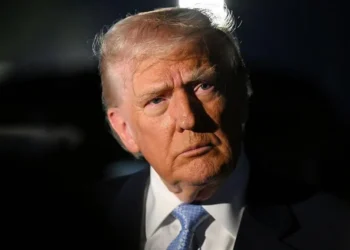 Wary Allies Signal No Easy Path in Iran Crisis
 UK Wage Growth Slows as Jobs Market Holds Firm
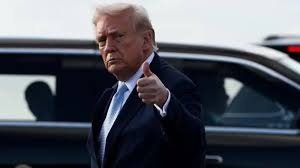 Oil Slides, Stocks Jump on Trump Peace Signals
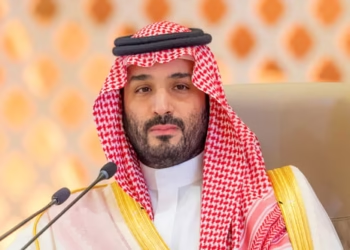 Saudi Arabia Urging US to Keep Up Iran Attacks
 Jim Ratcliffe’s £3.5bn Chemical Plant Delayed with Parts Stranded in the Gulf
 Michel Rolland: The ‘Spielberg of Wine’ Who Directed the Global Palate
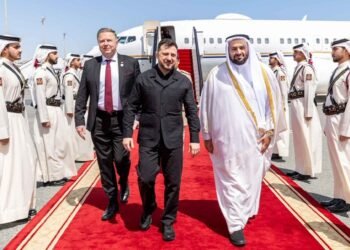 Zelensky Looks to Gulf to Protect Him from Putin
 Trump Threatens Iran With Total Infrastructure Destruction
 IMF Predicts Global Economic Crisis Due to Gulf Unrest
 Washington Enlists Musk to Battle Global Hostility Online
 ‘Better Off Not Planting’: UK Farmers Face 36% Fertiliser Spike as Gulf Crisis Bites